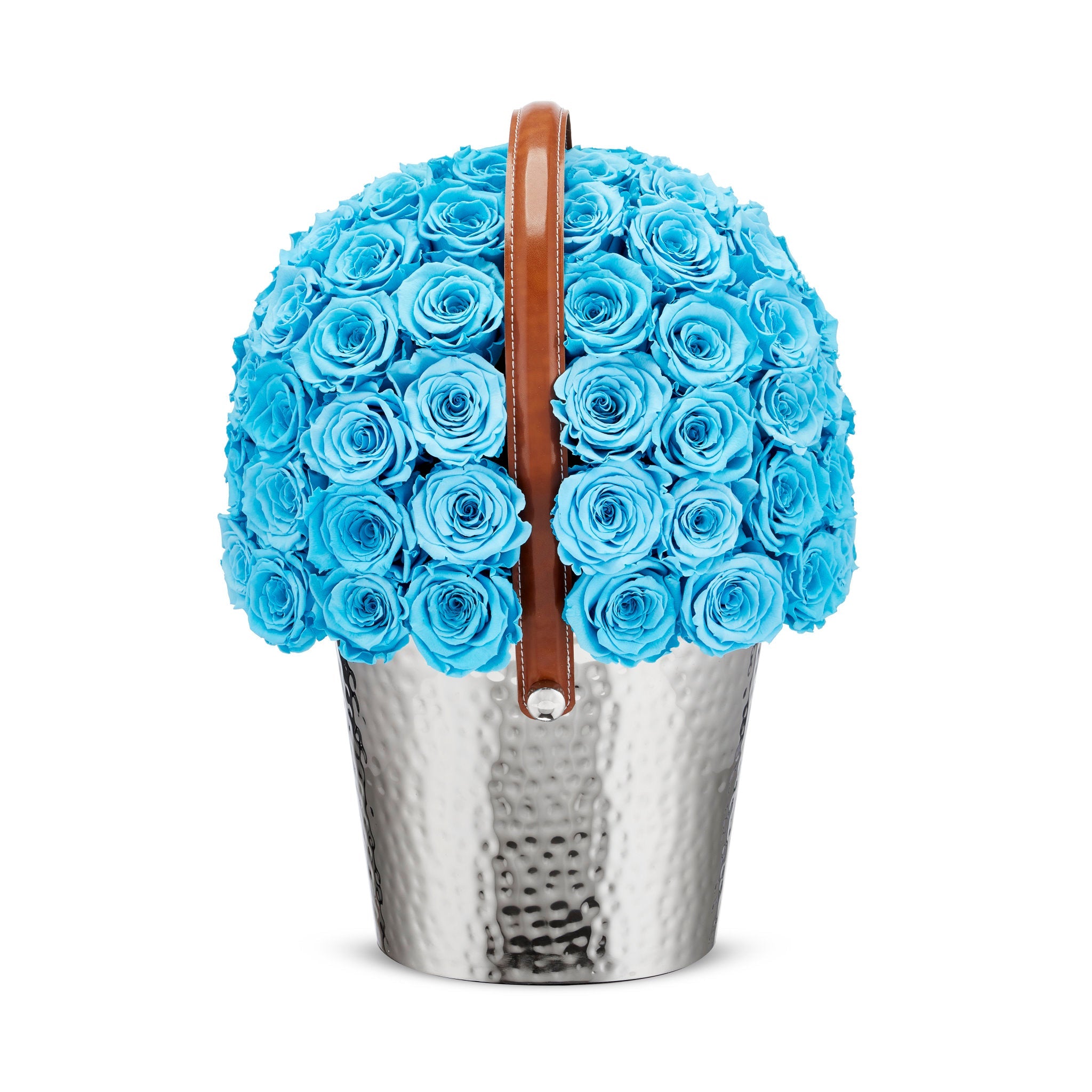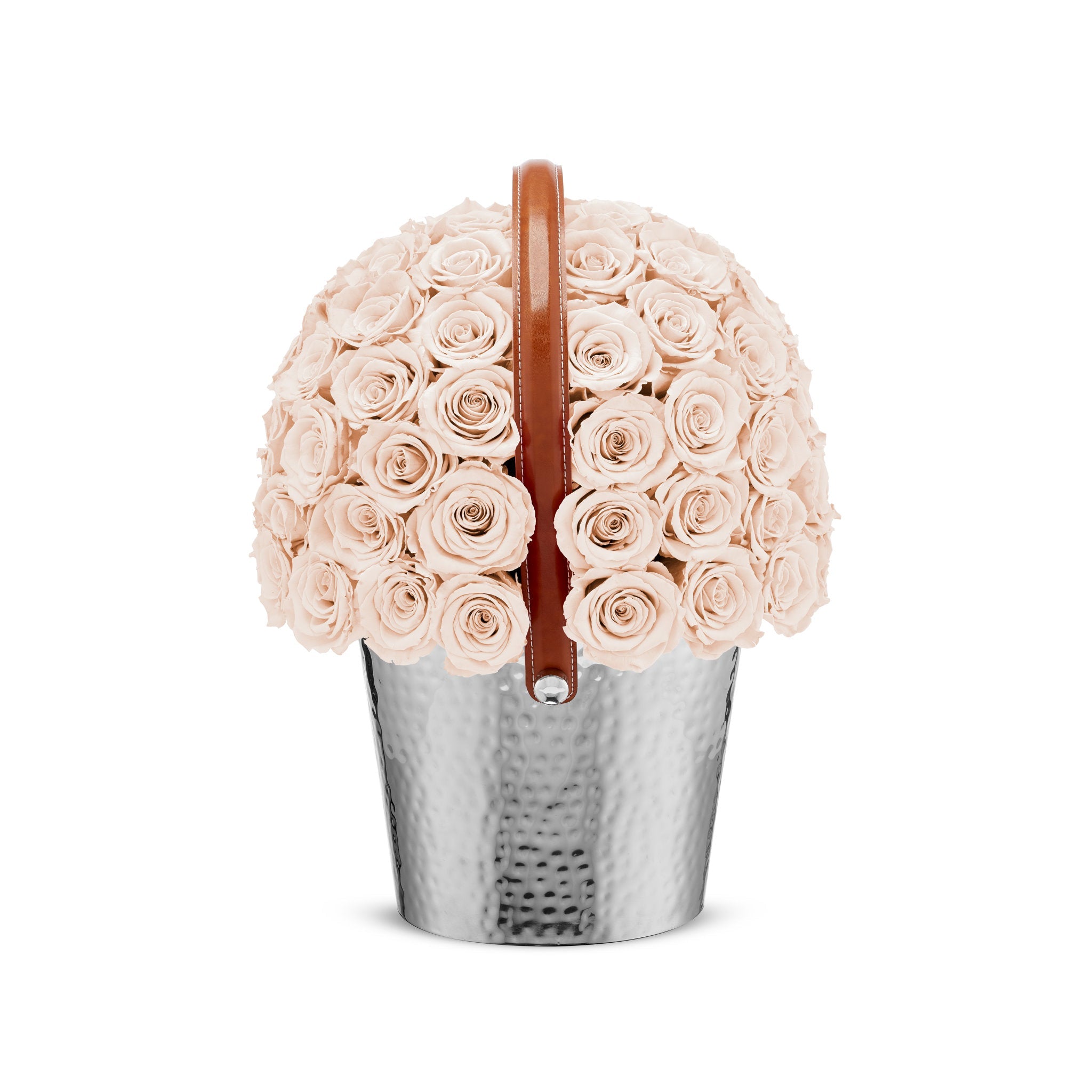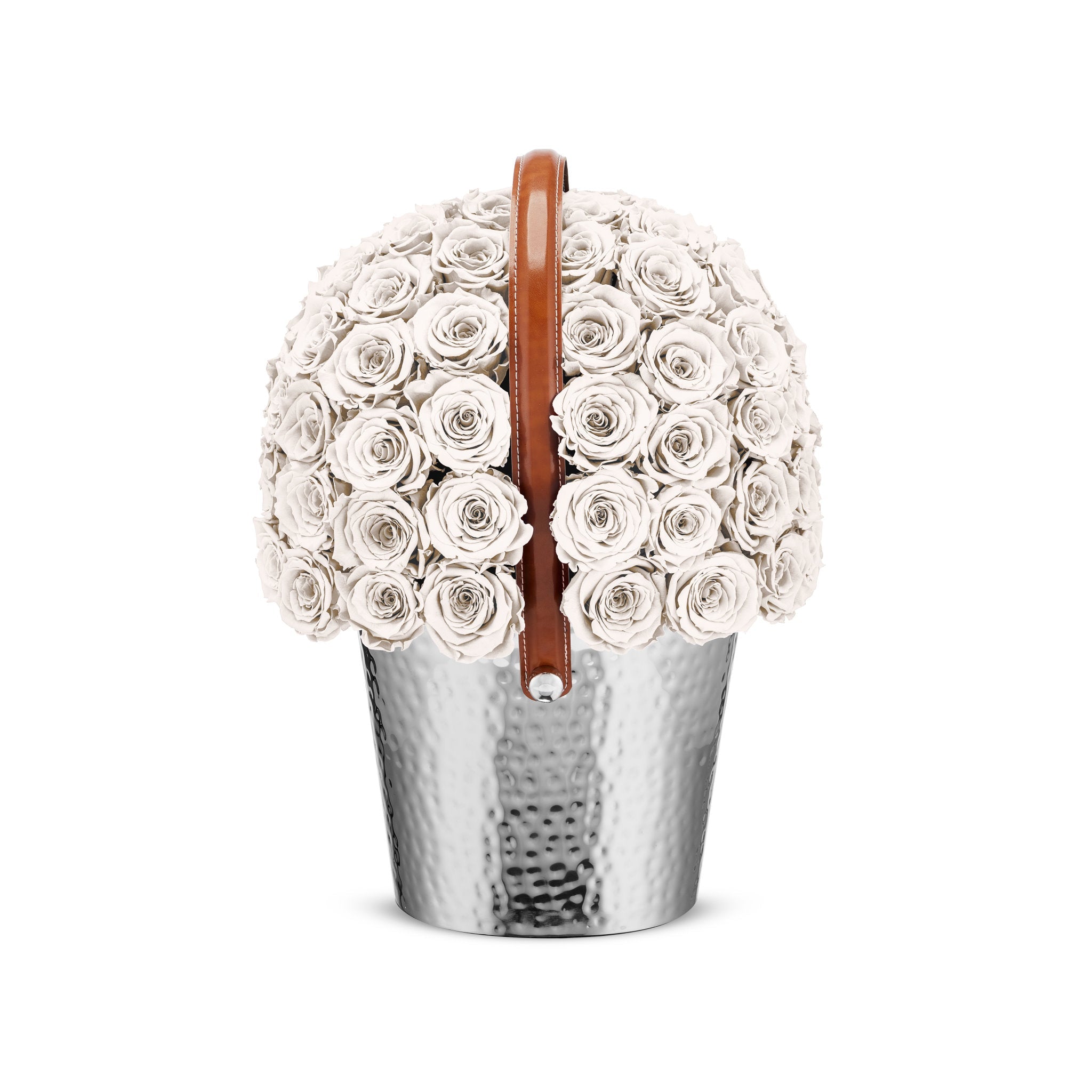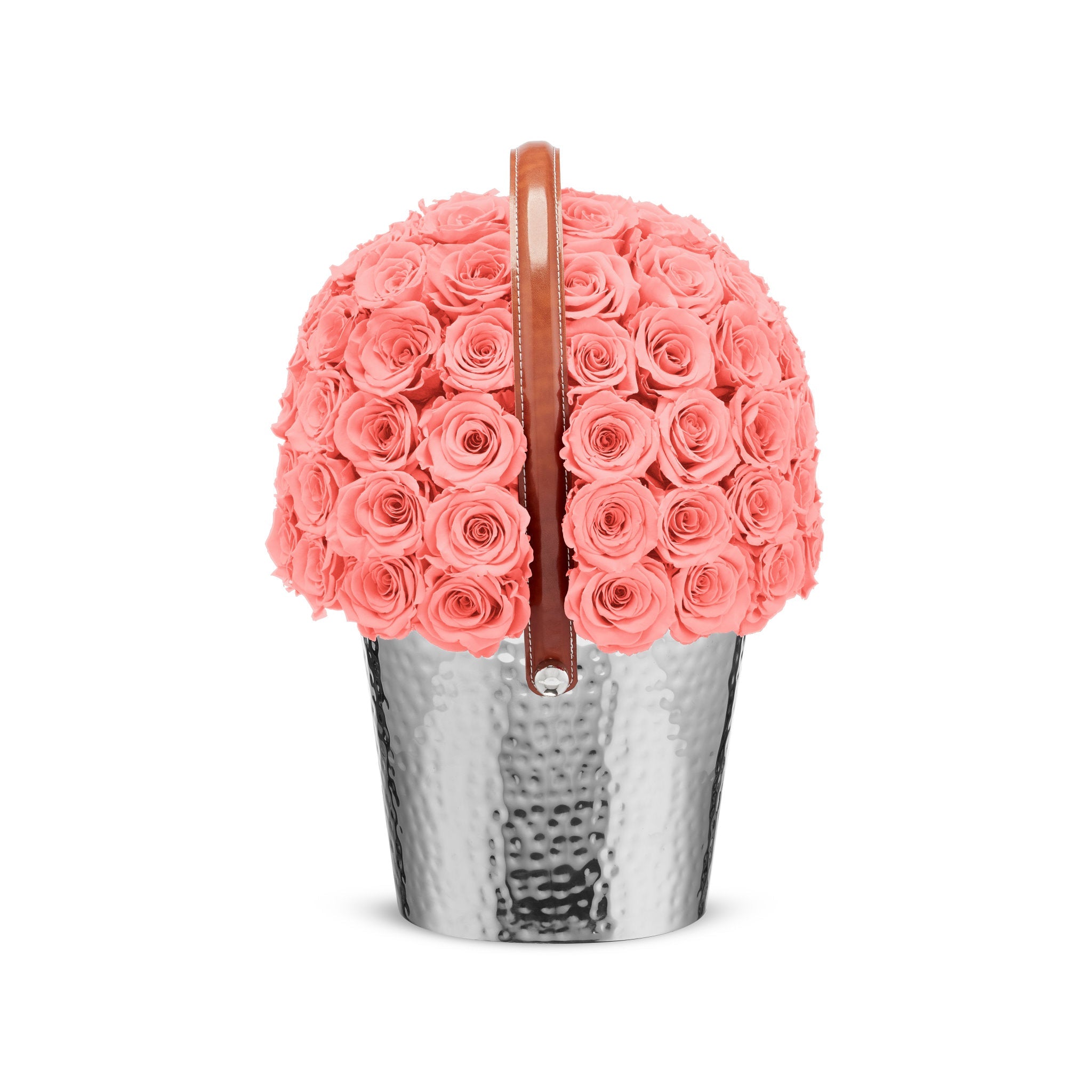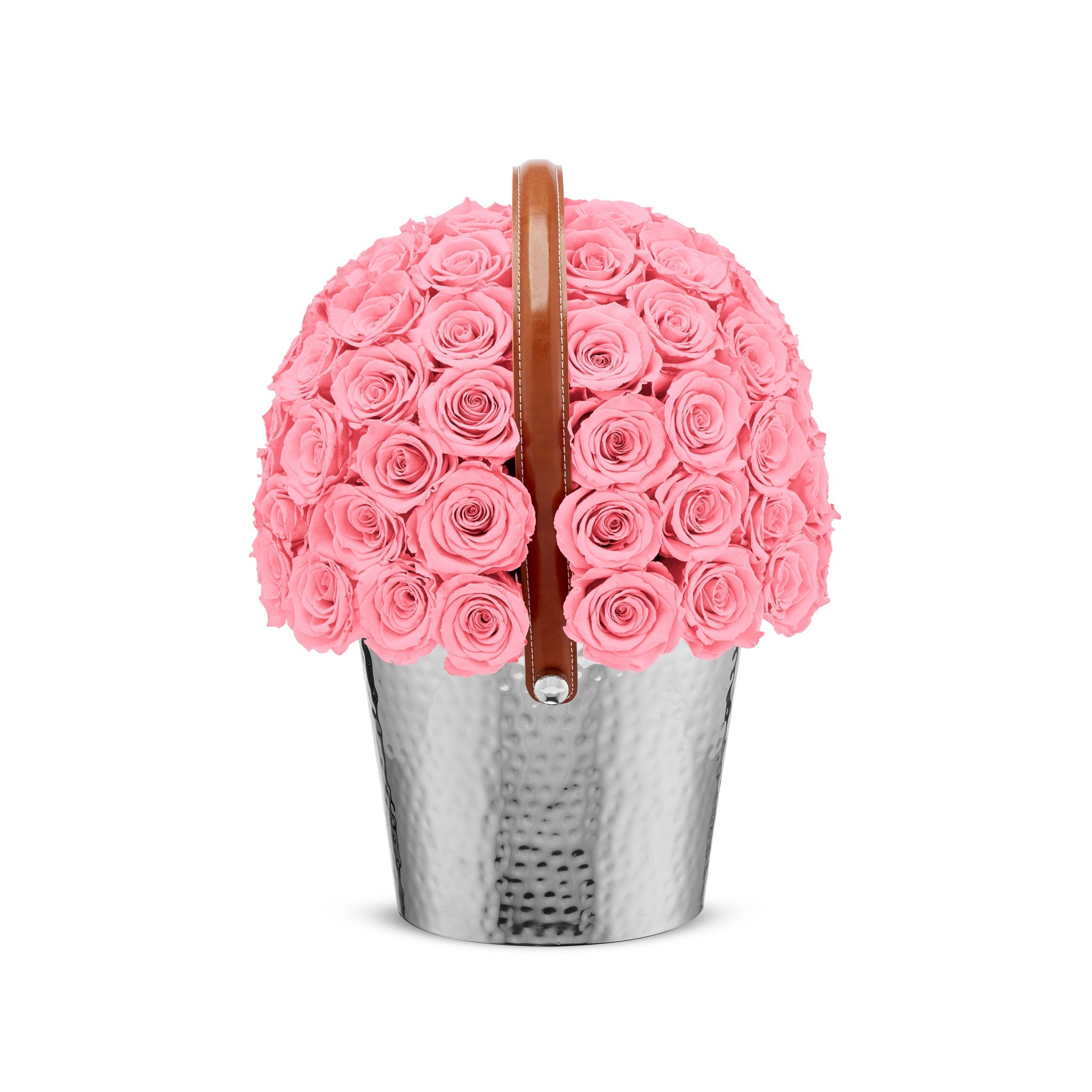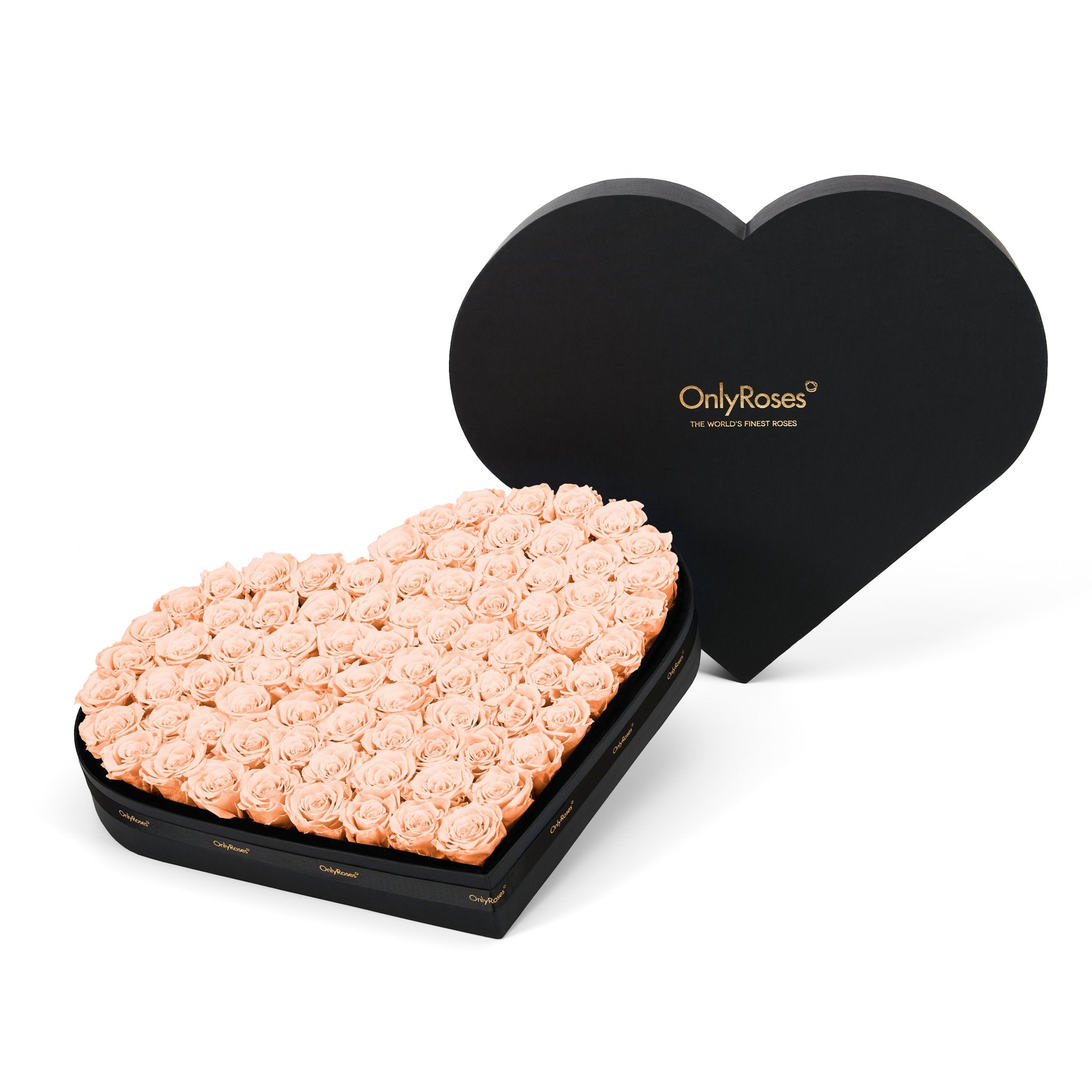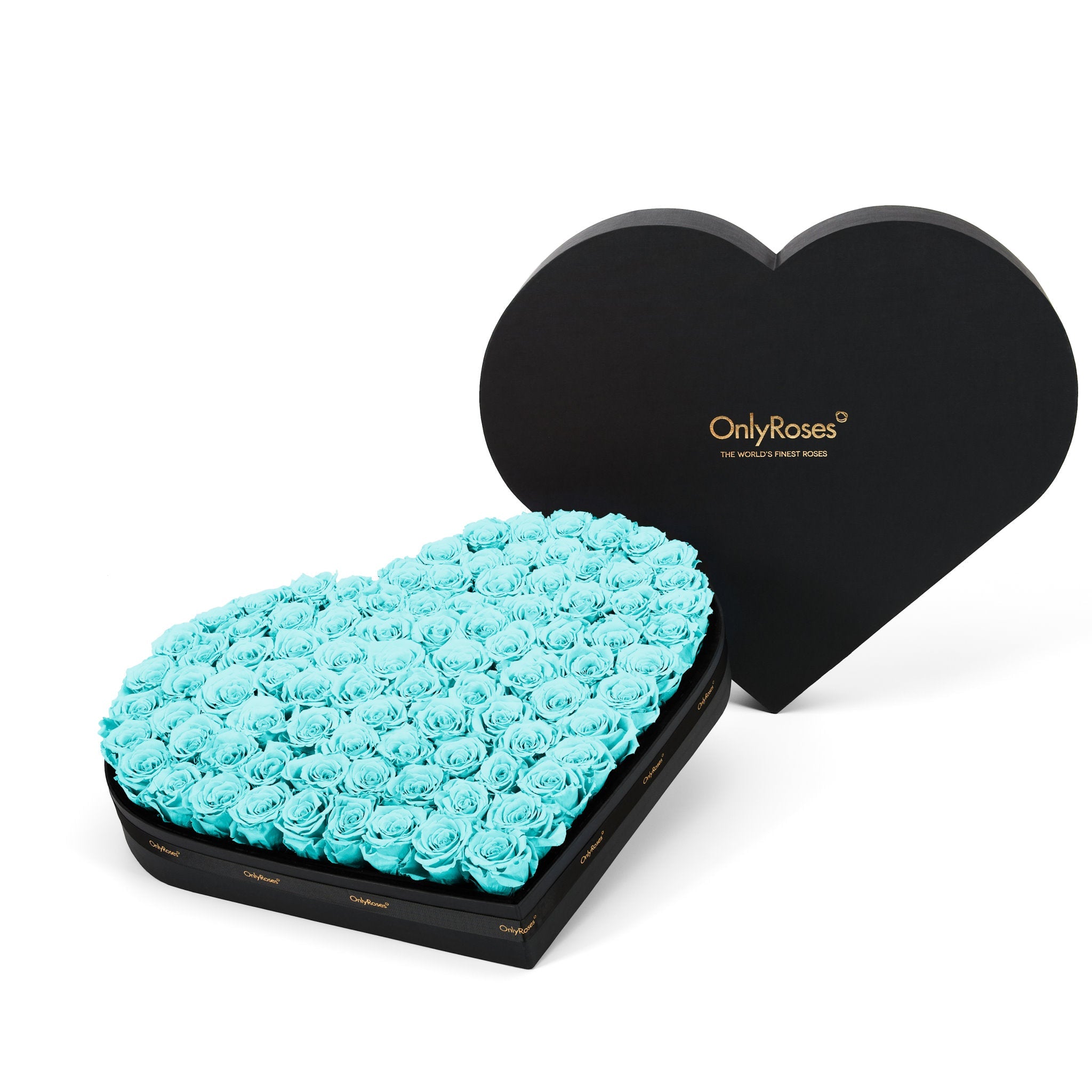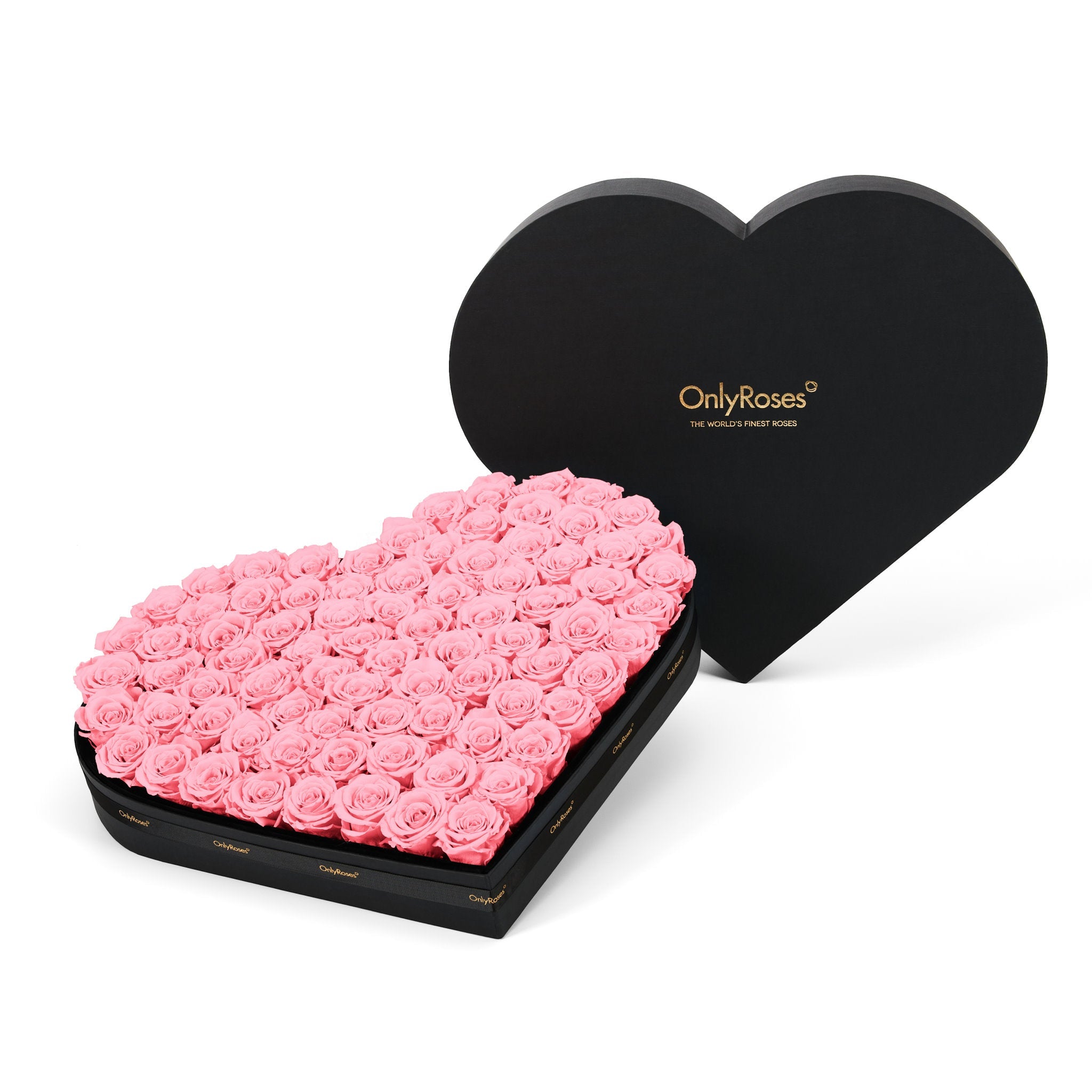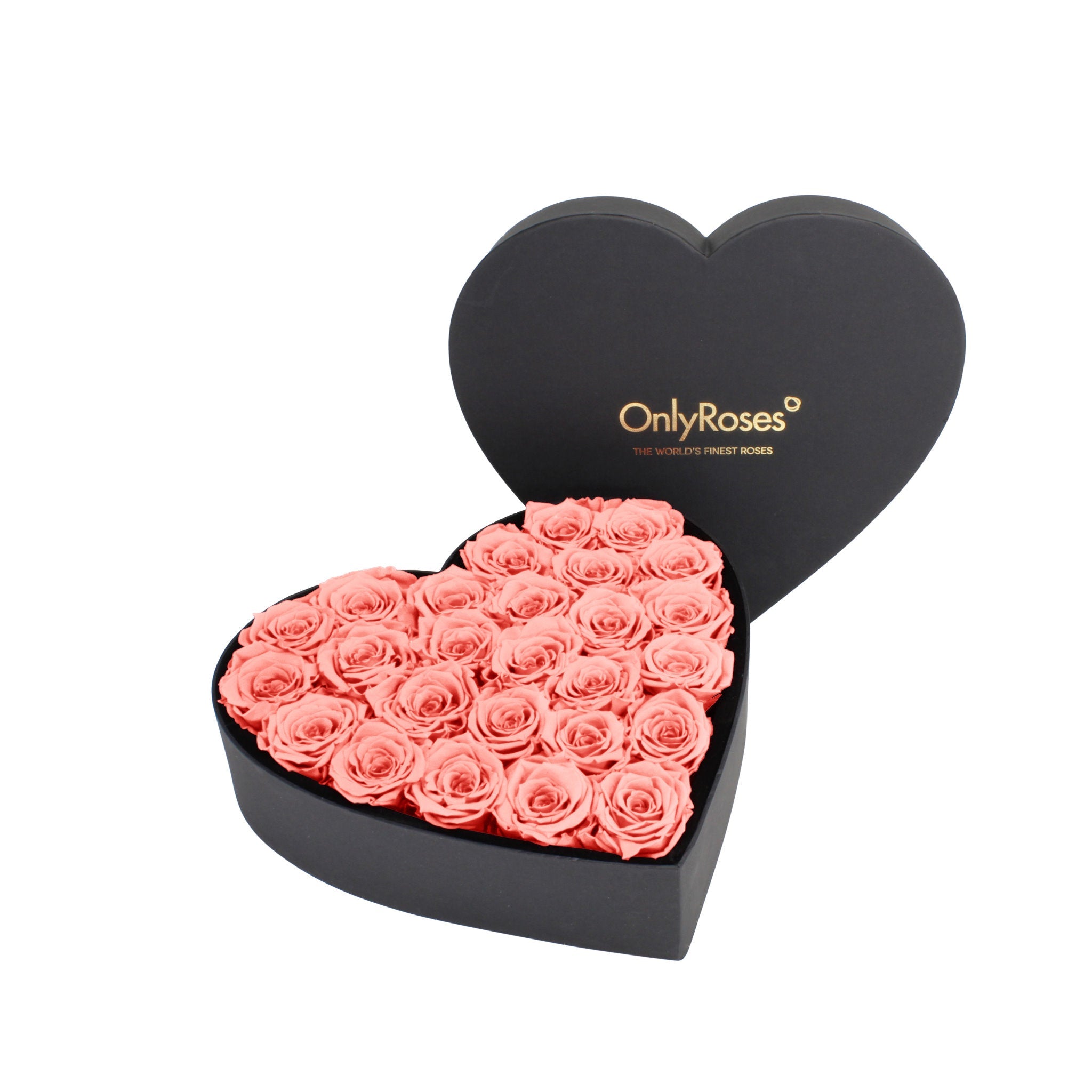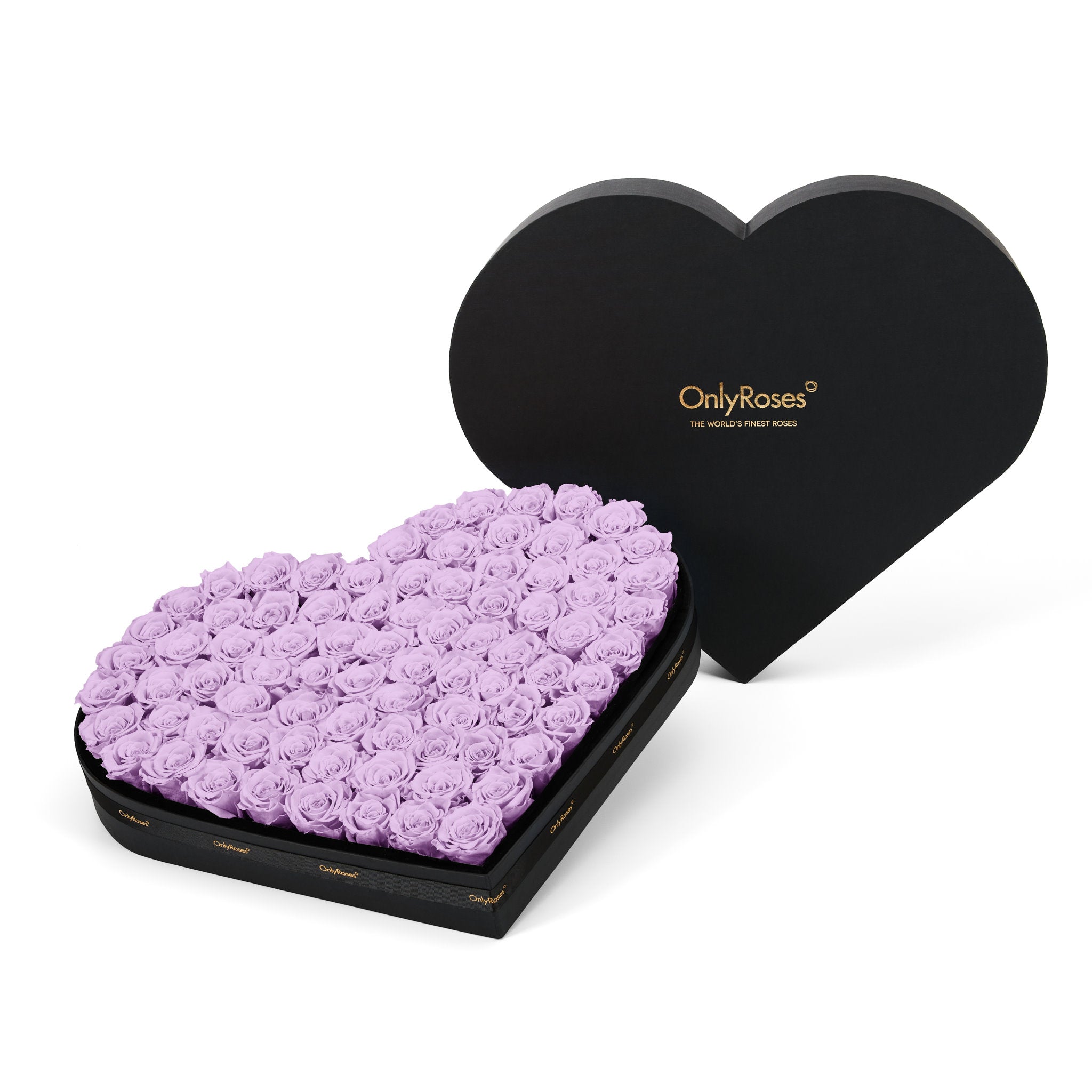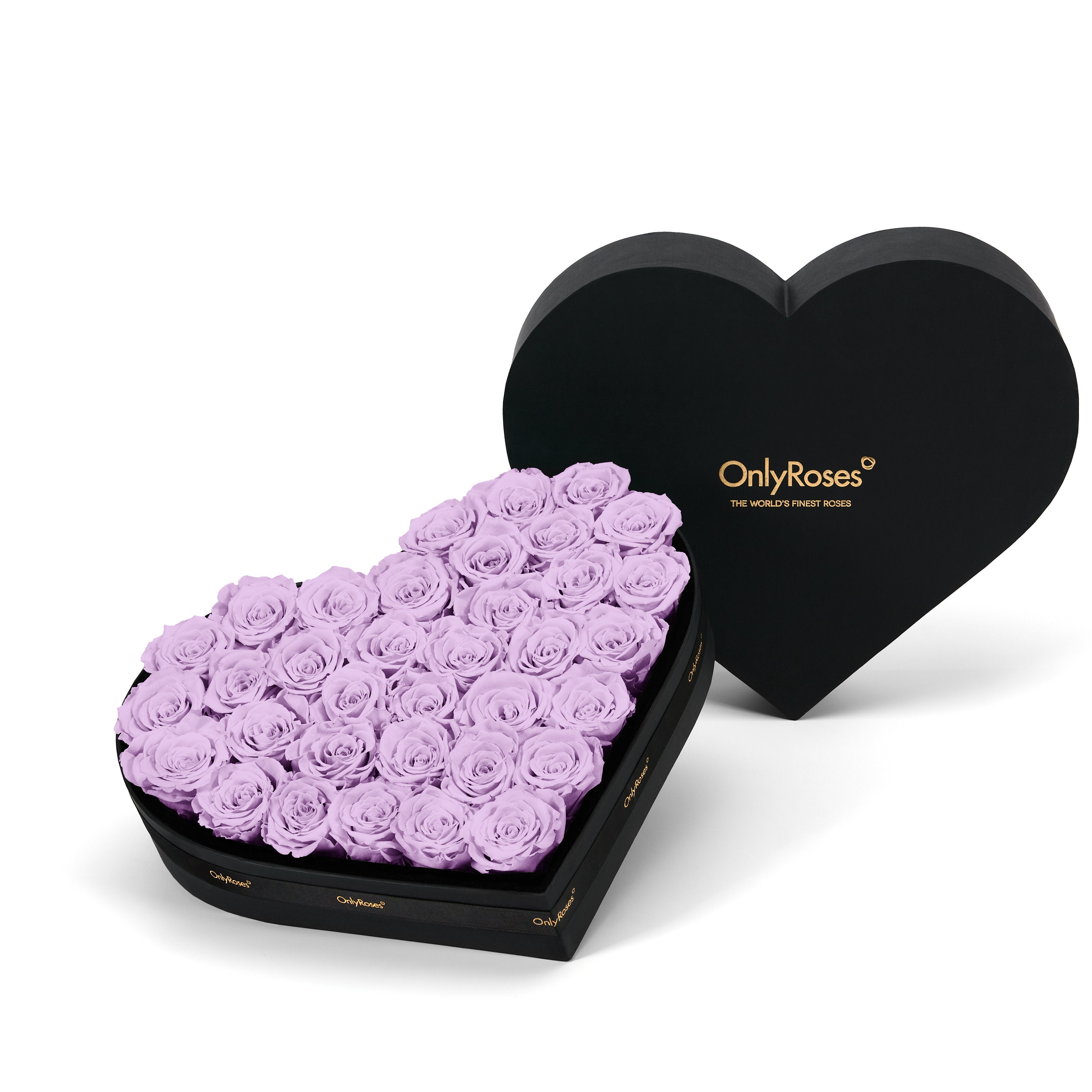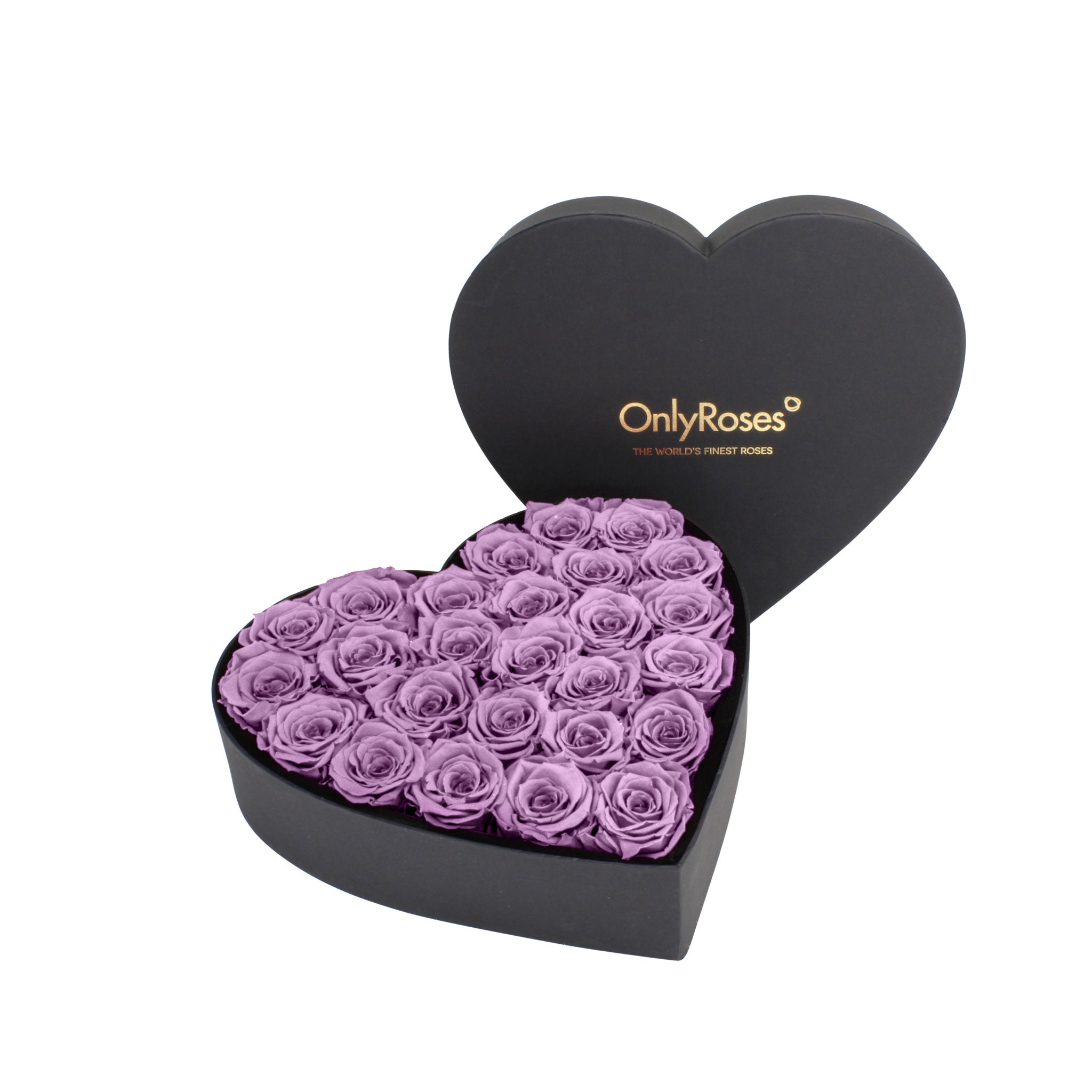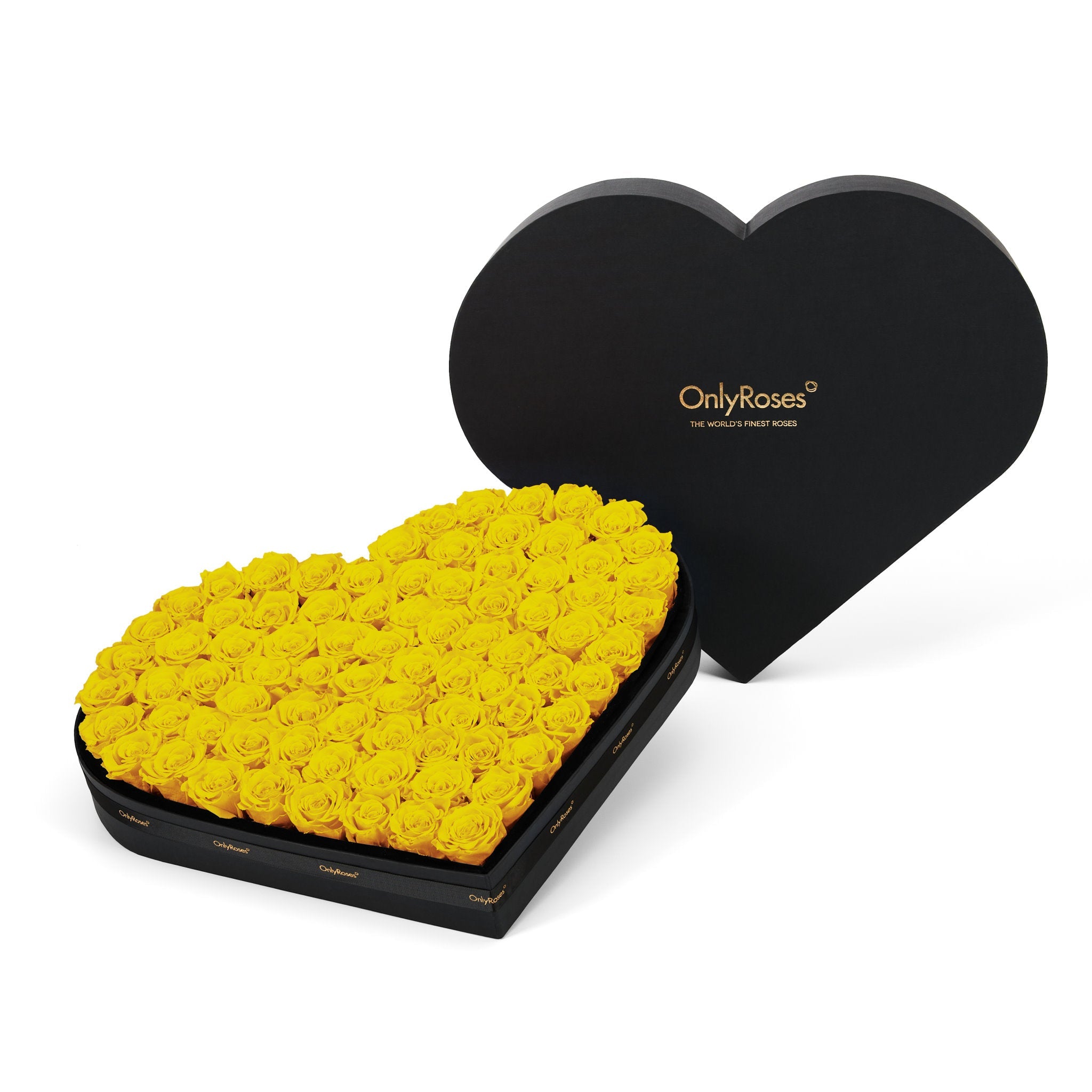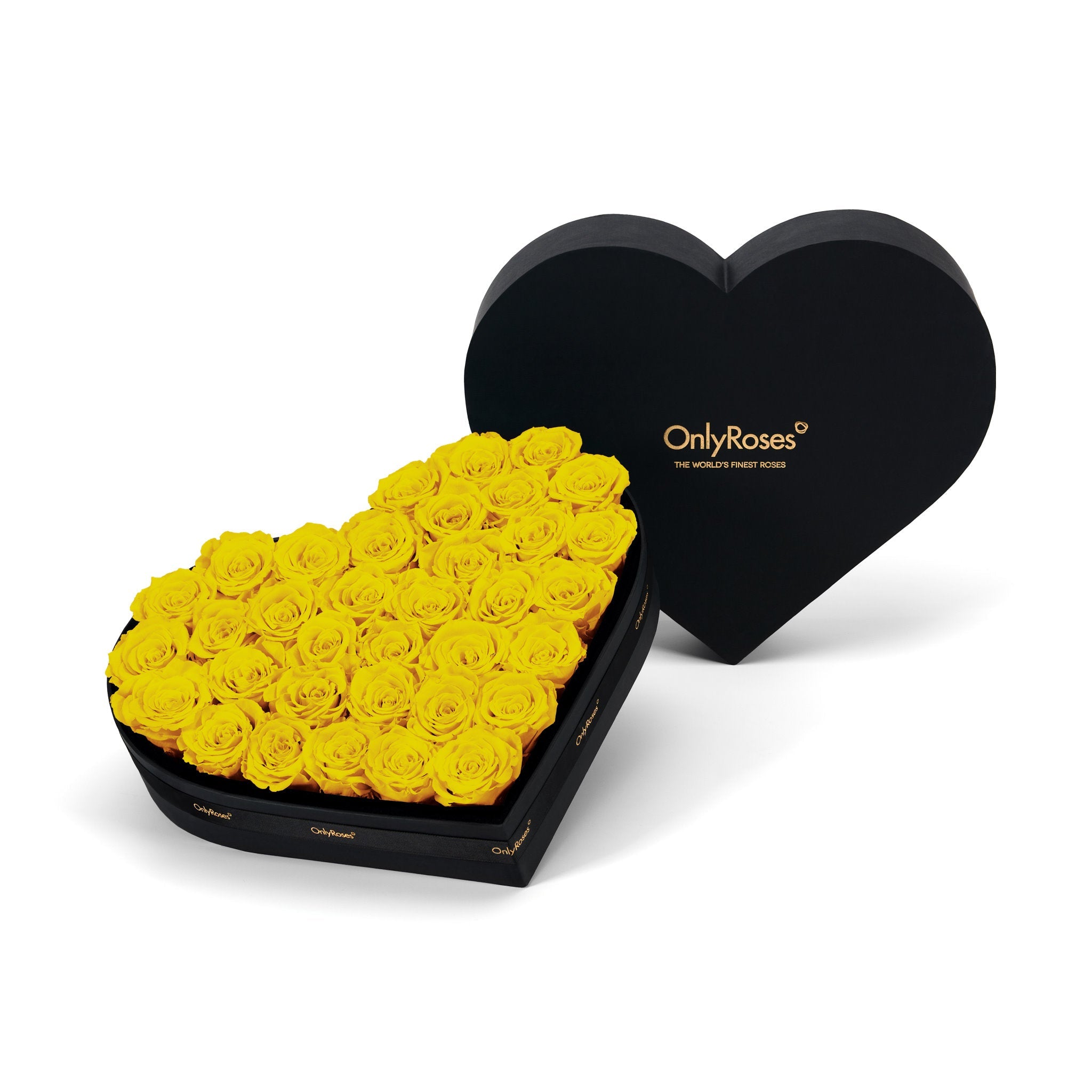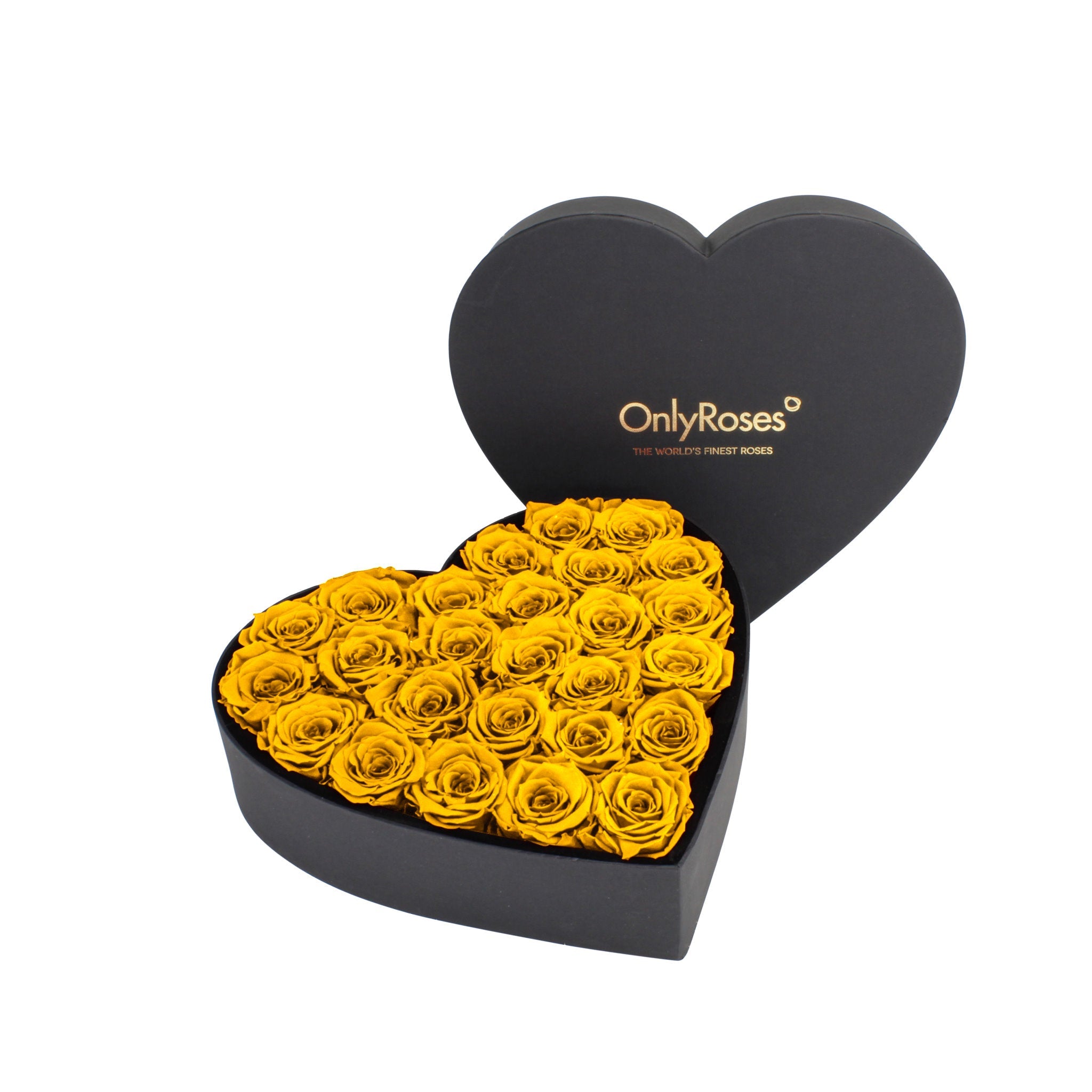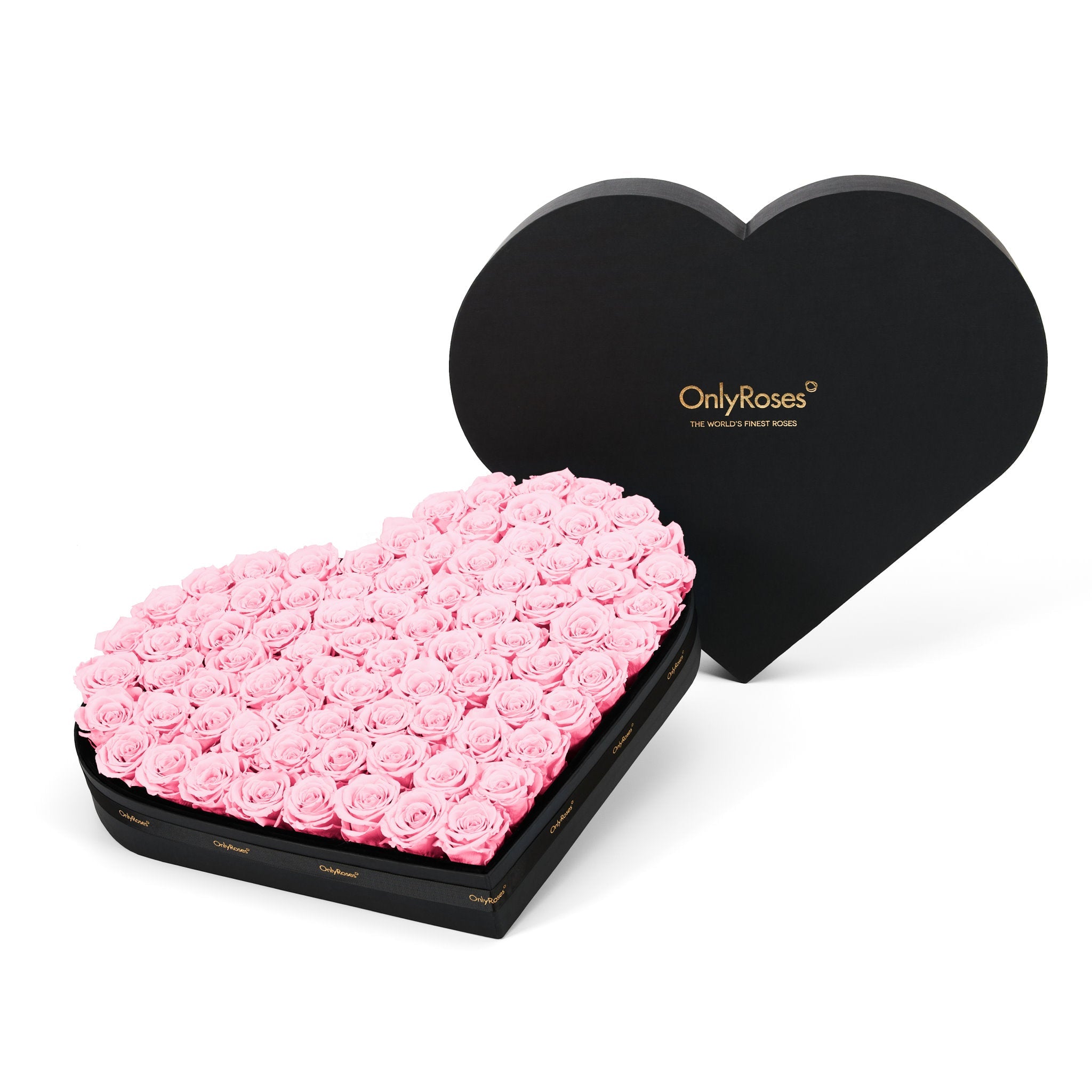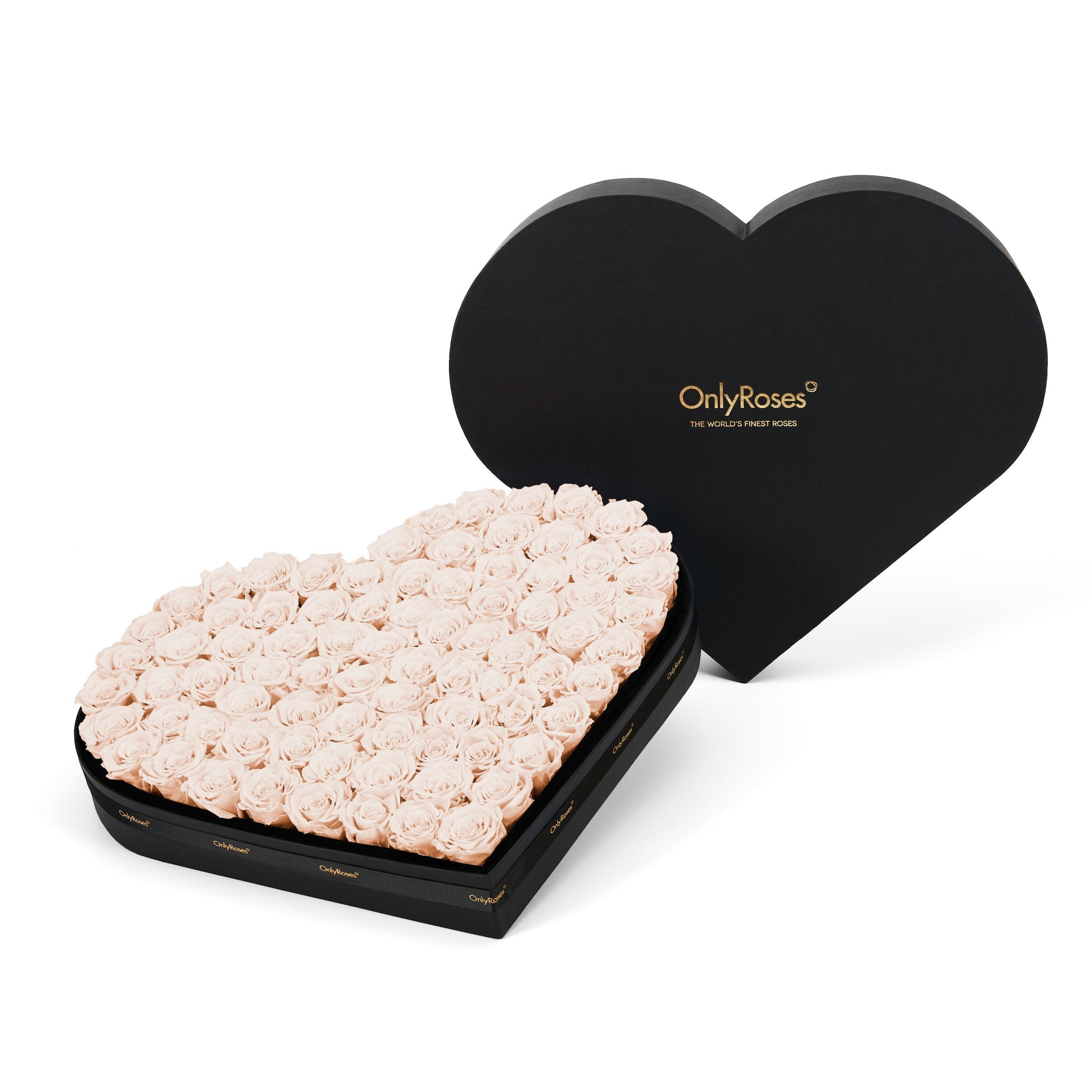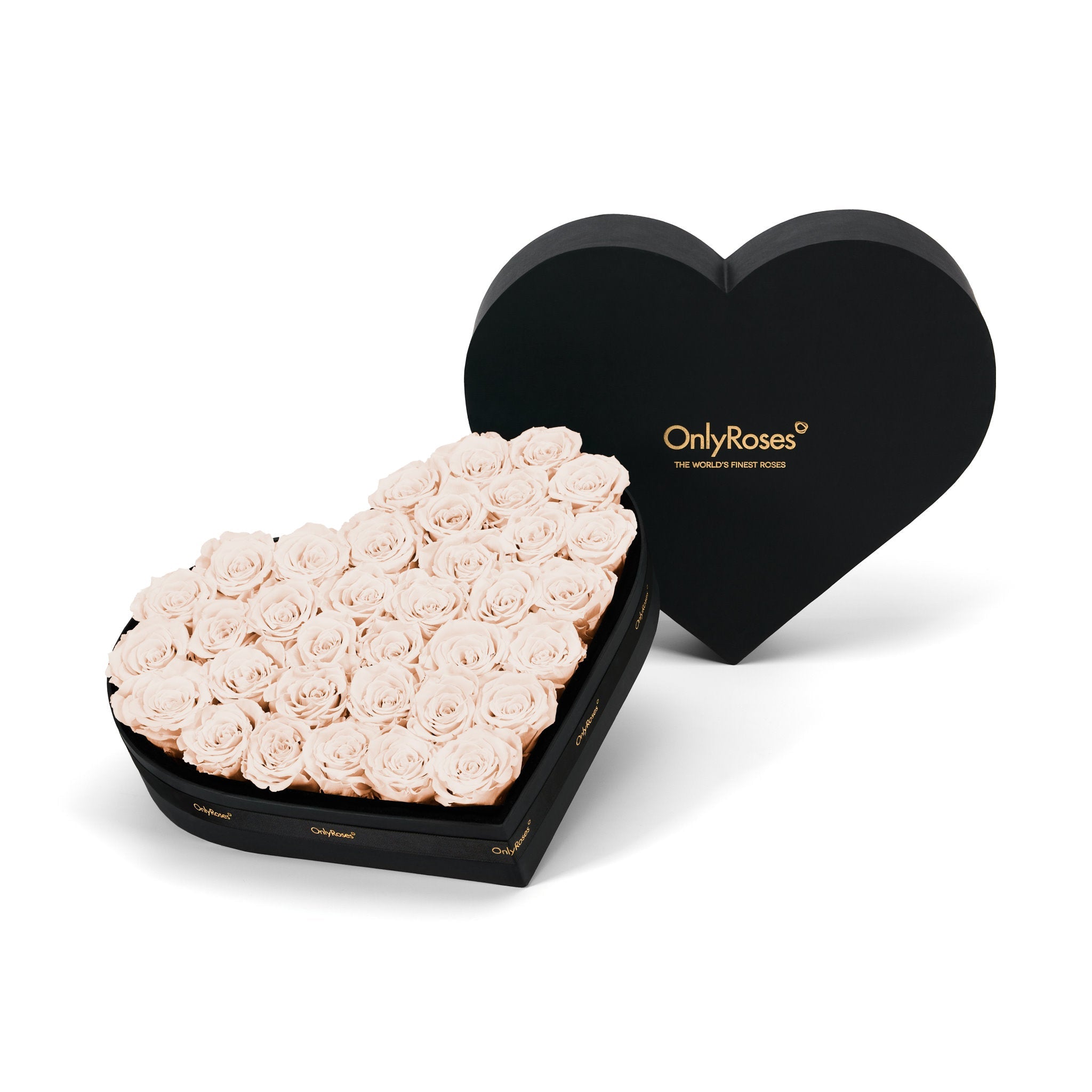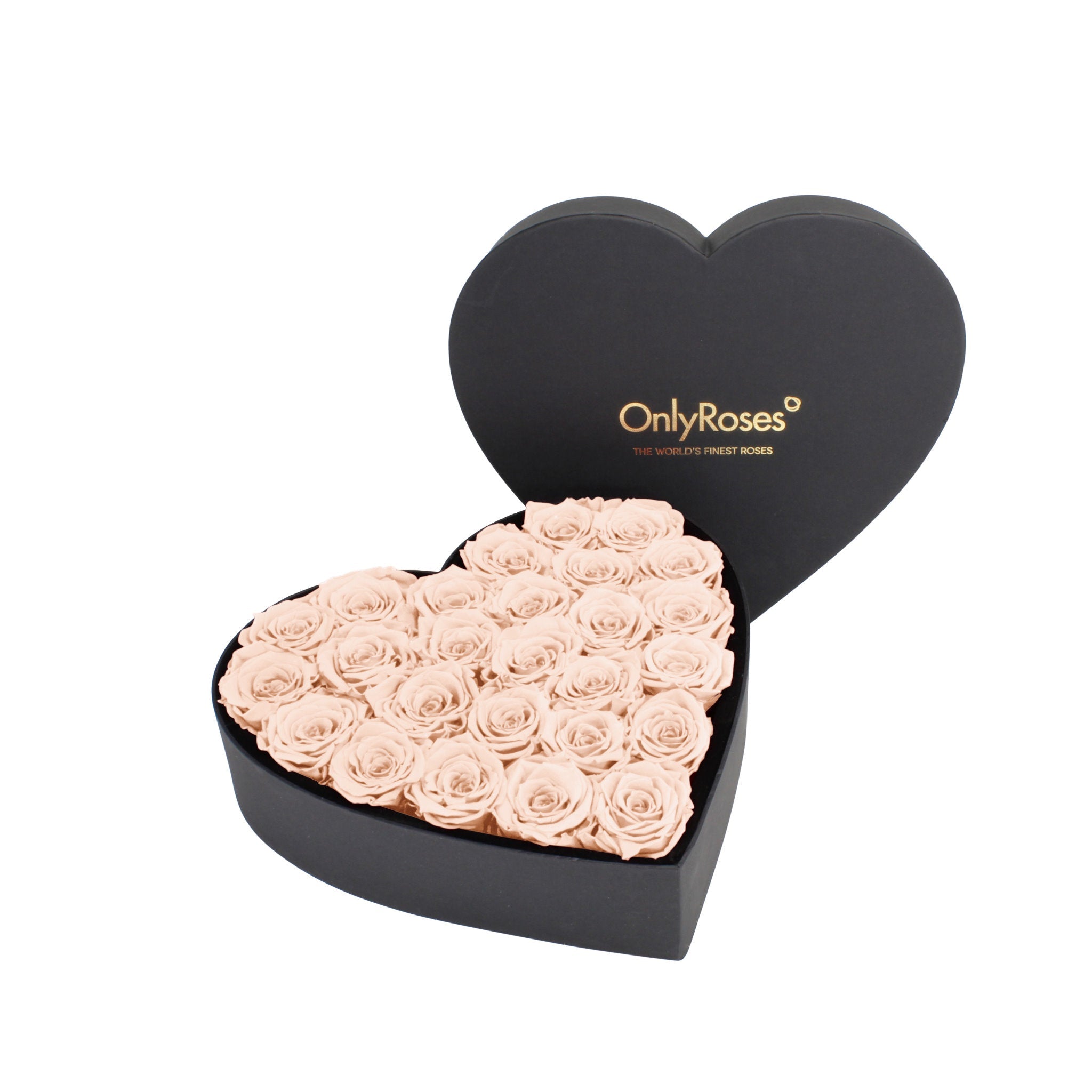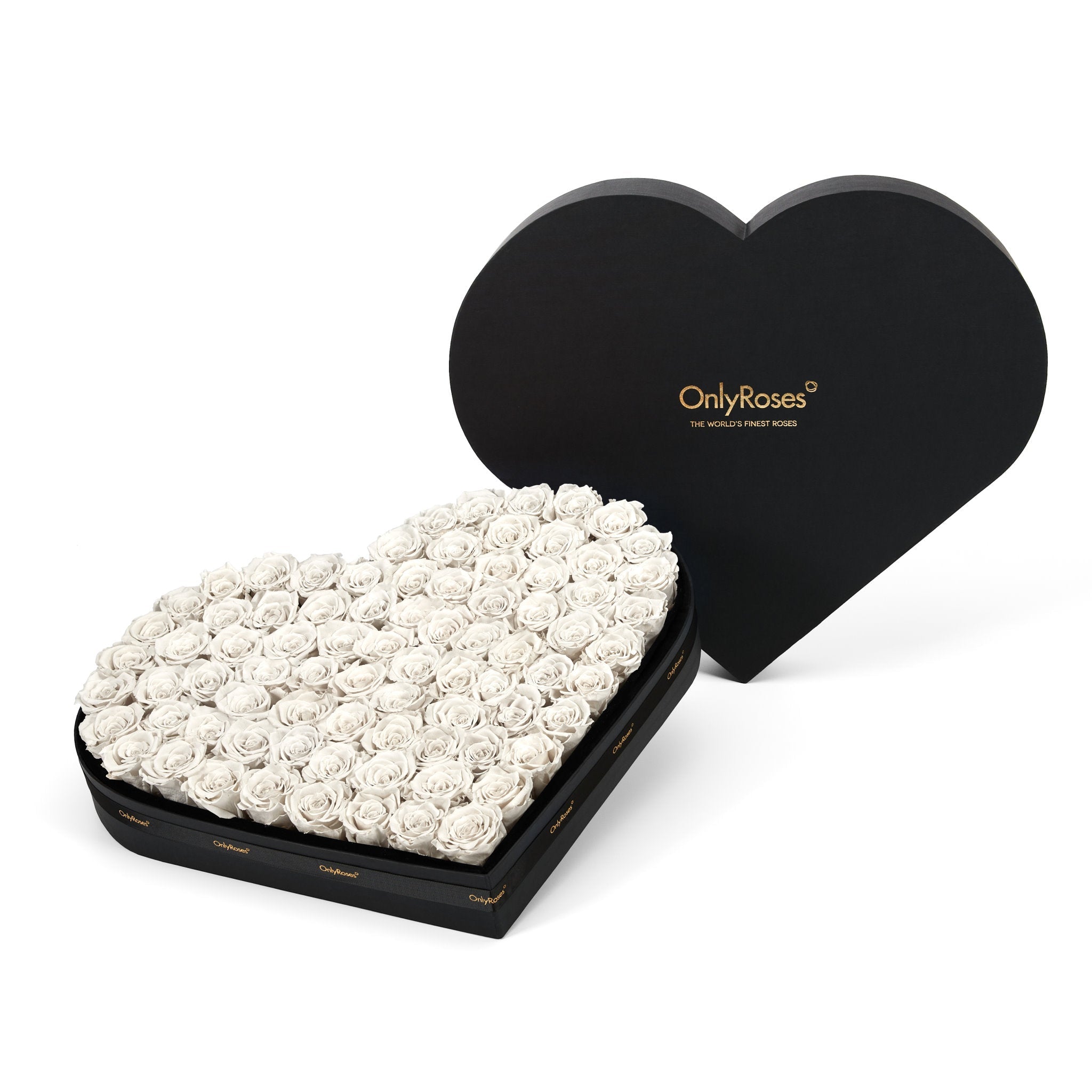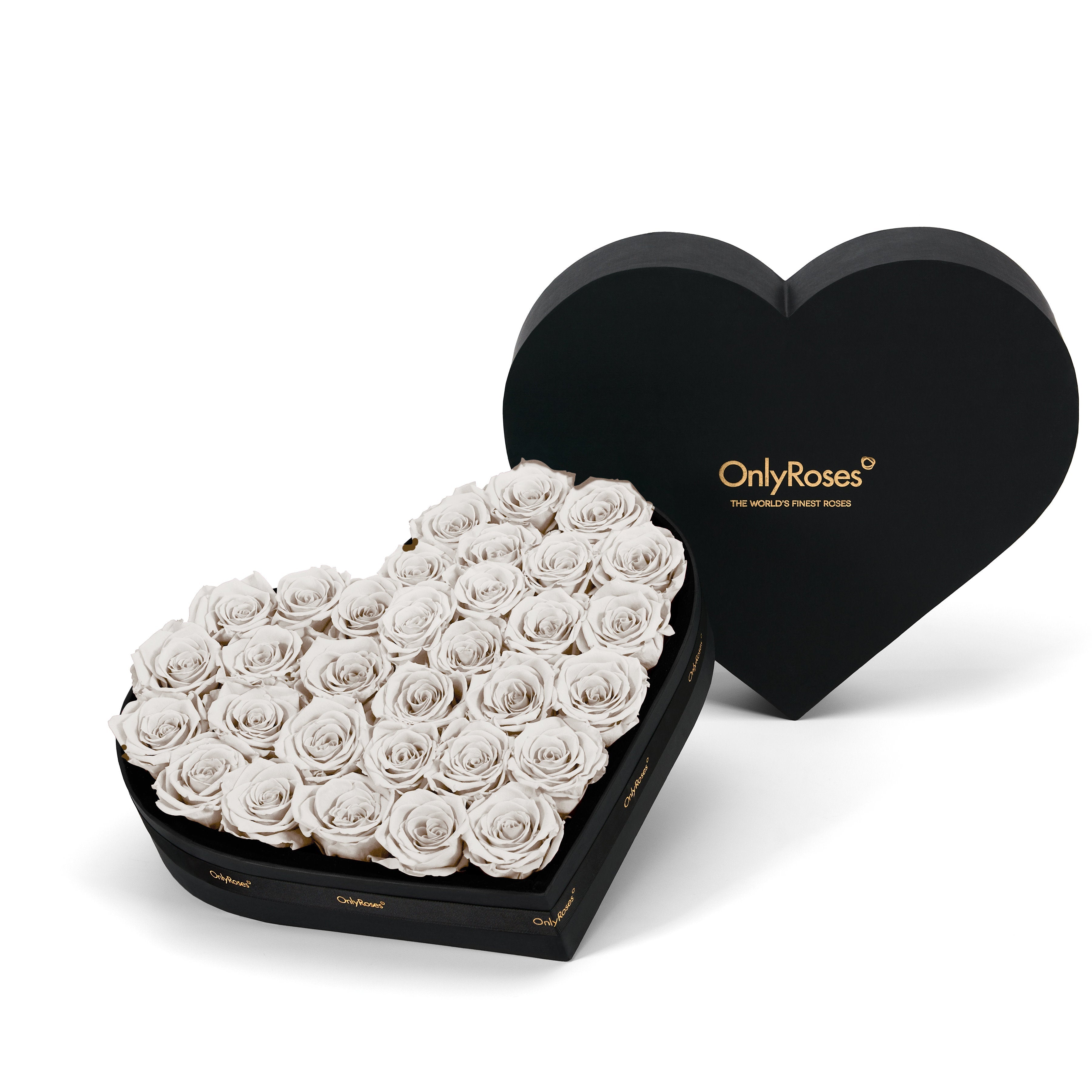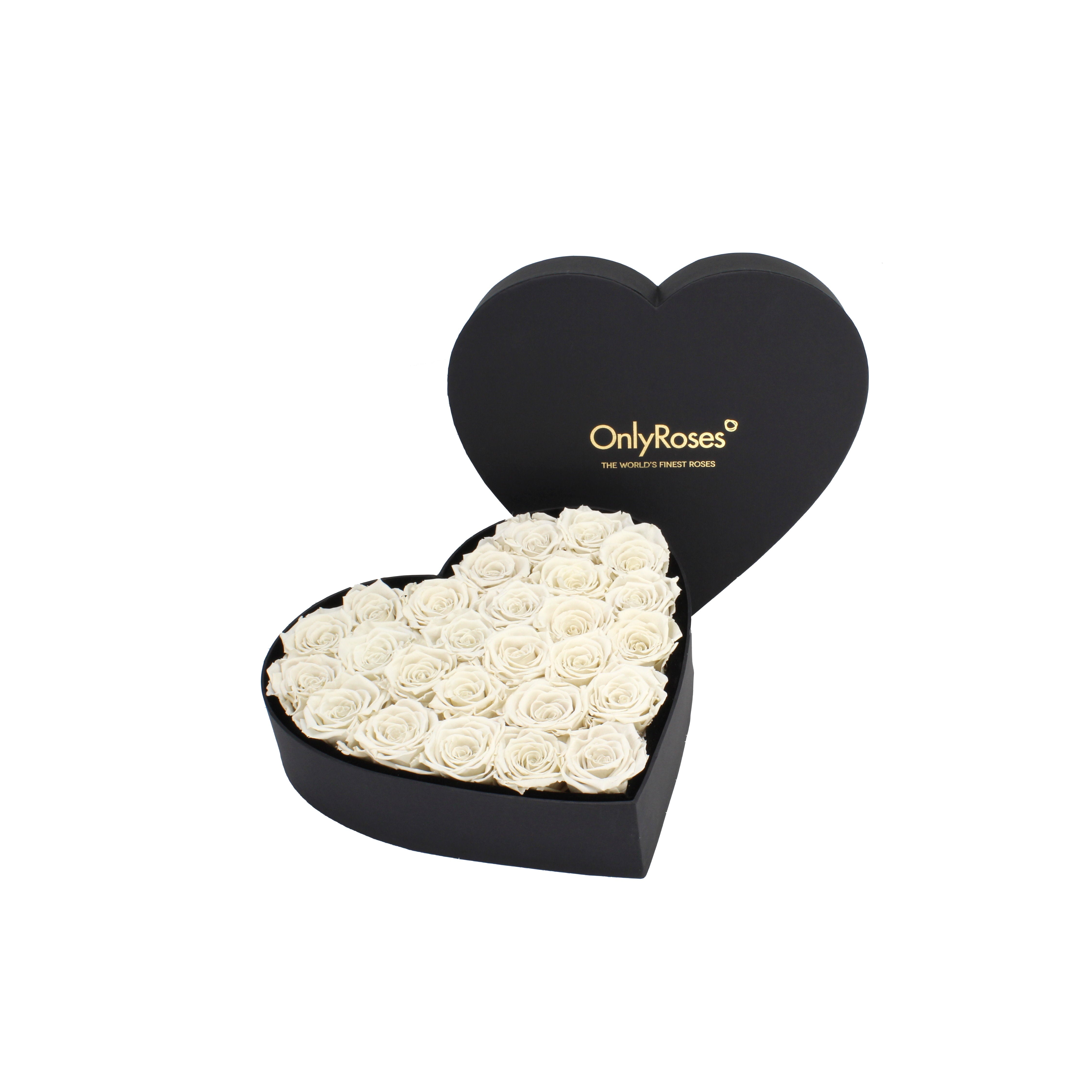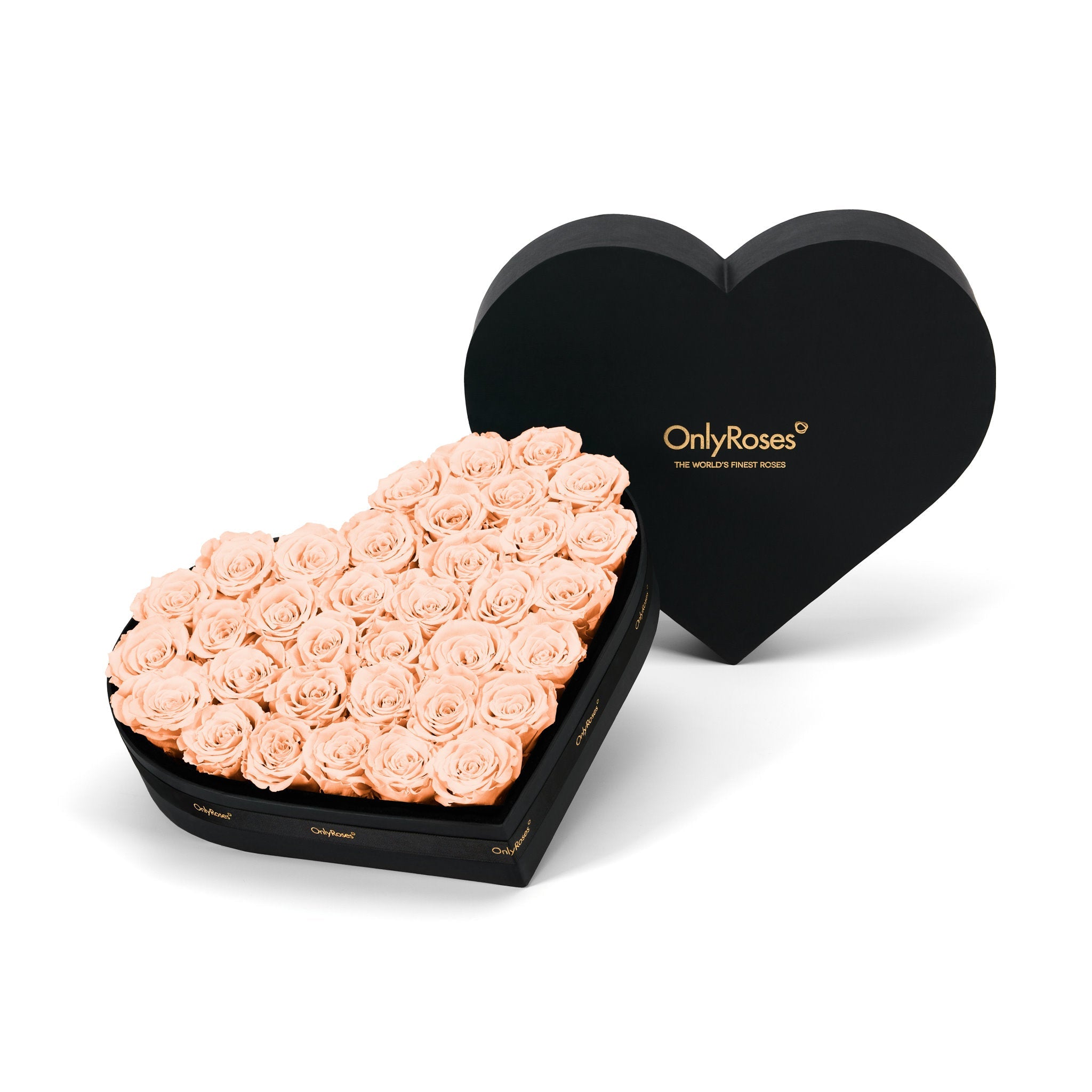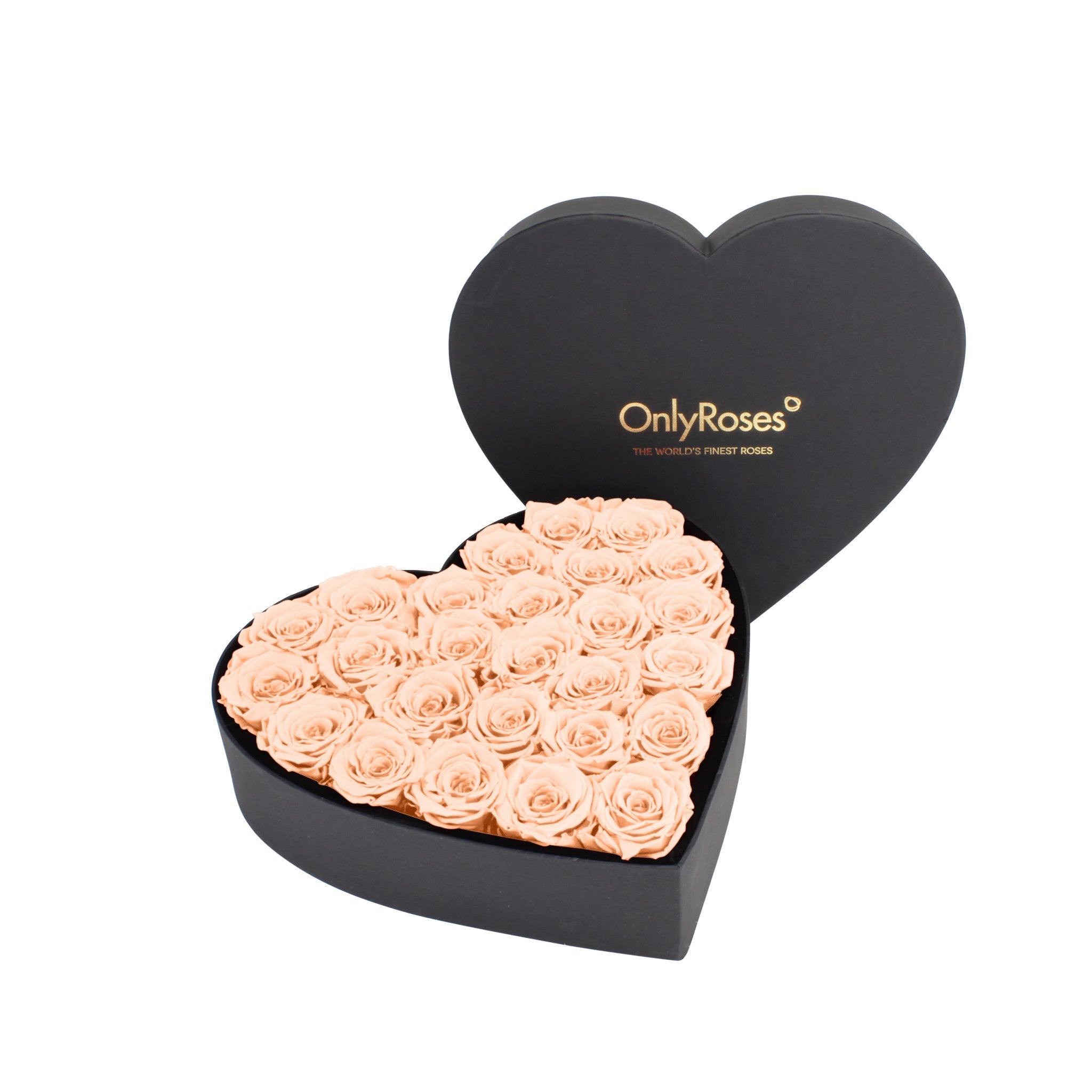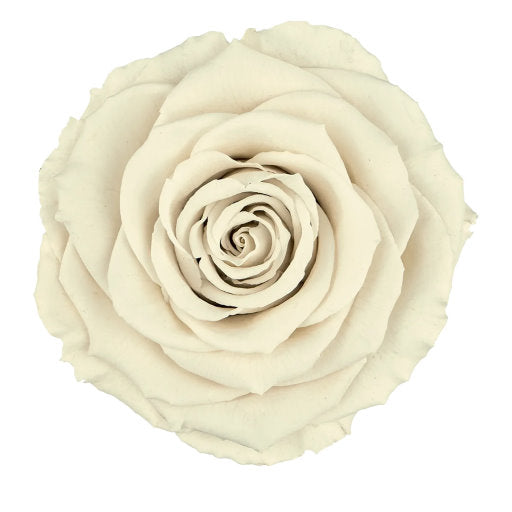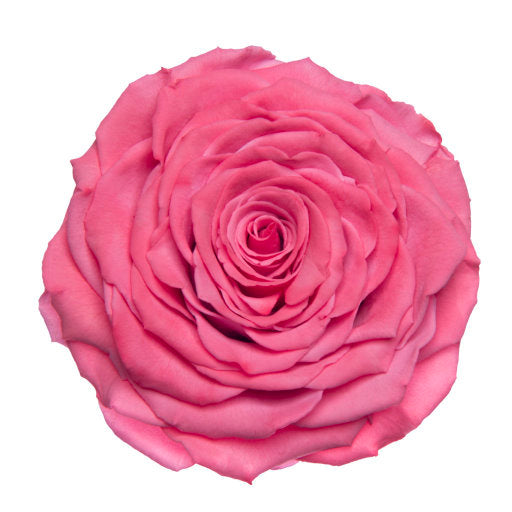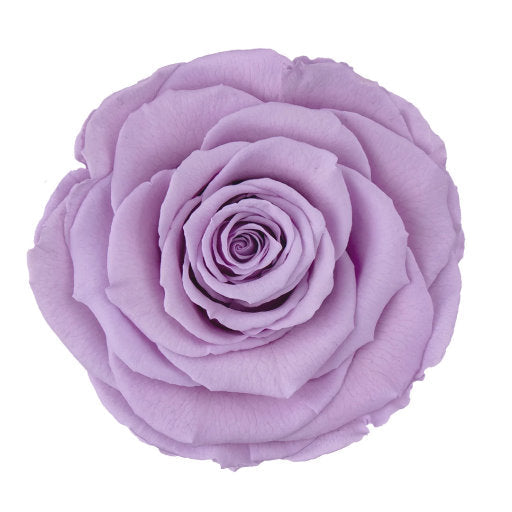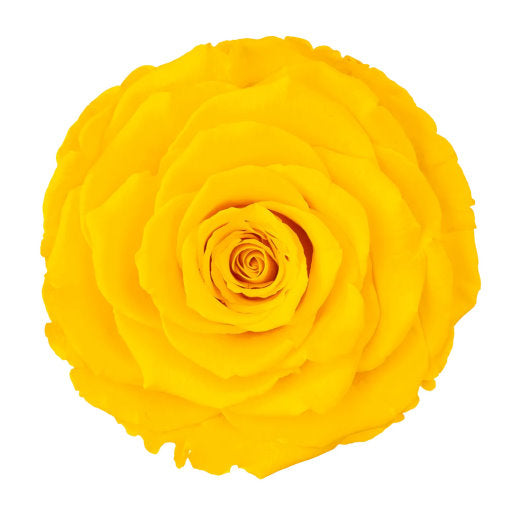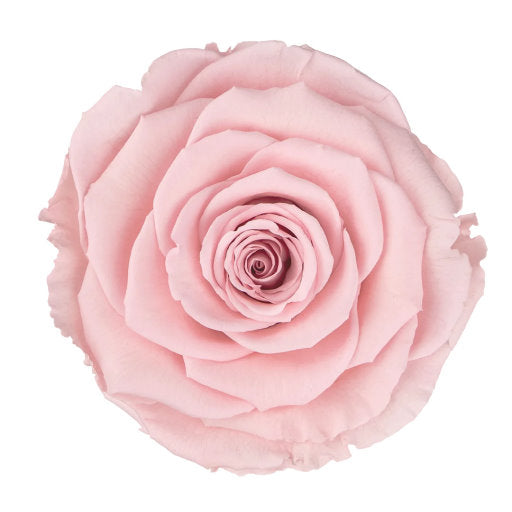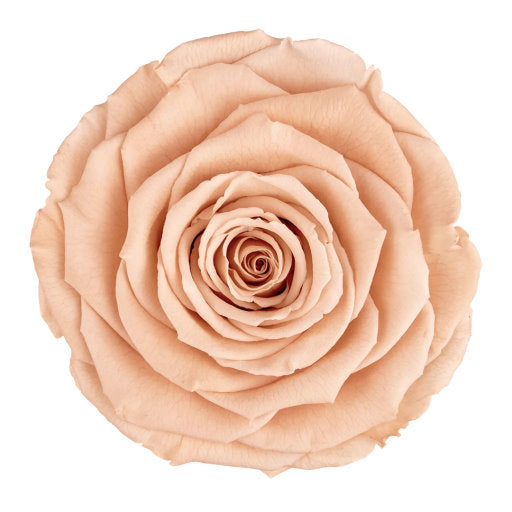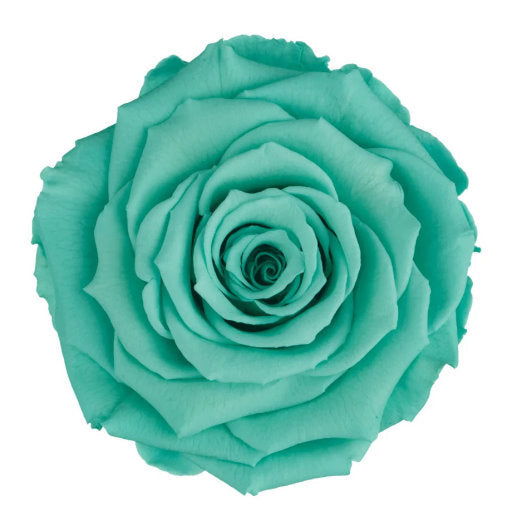

Most flowers last a week. A rose keepsake box lasts years — and that single difference changes everything about what the gift becomes. Where a bouquet fades by the end of the fortnight, a beautifully made keepsake box stays: on a dressing table, a hallway console, a bedside shelf, a quiet reminder of the moment that prompted it. These are not gifts wrapped prettily. They are objects of lasting beauty, closer to décor than to a bouquet. This guide explains what they are, why they resonate, and — most usefully — how to tell a genuine one from a merely expensive one.
What a rose keepsake box actually is
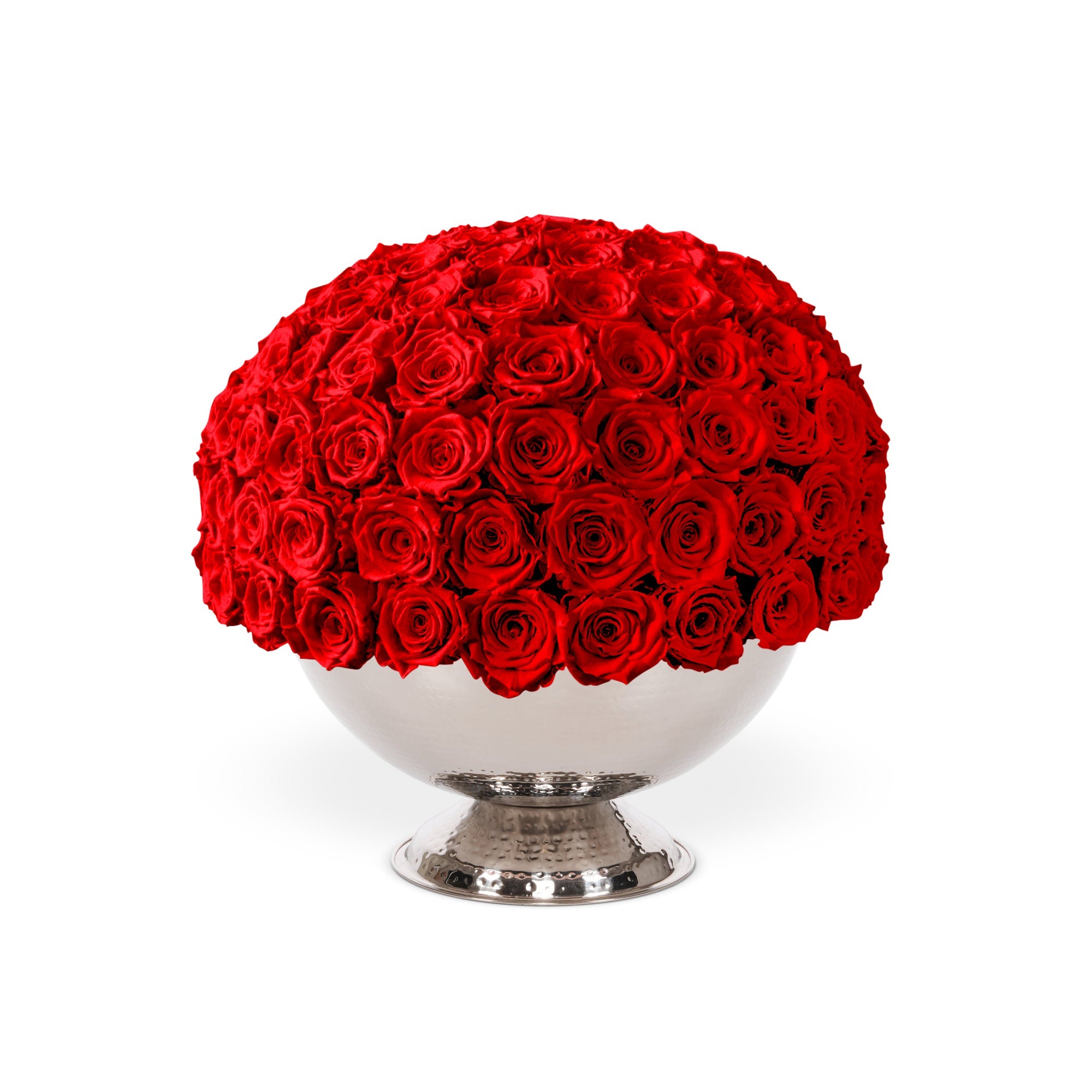
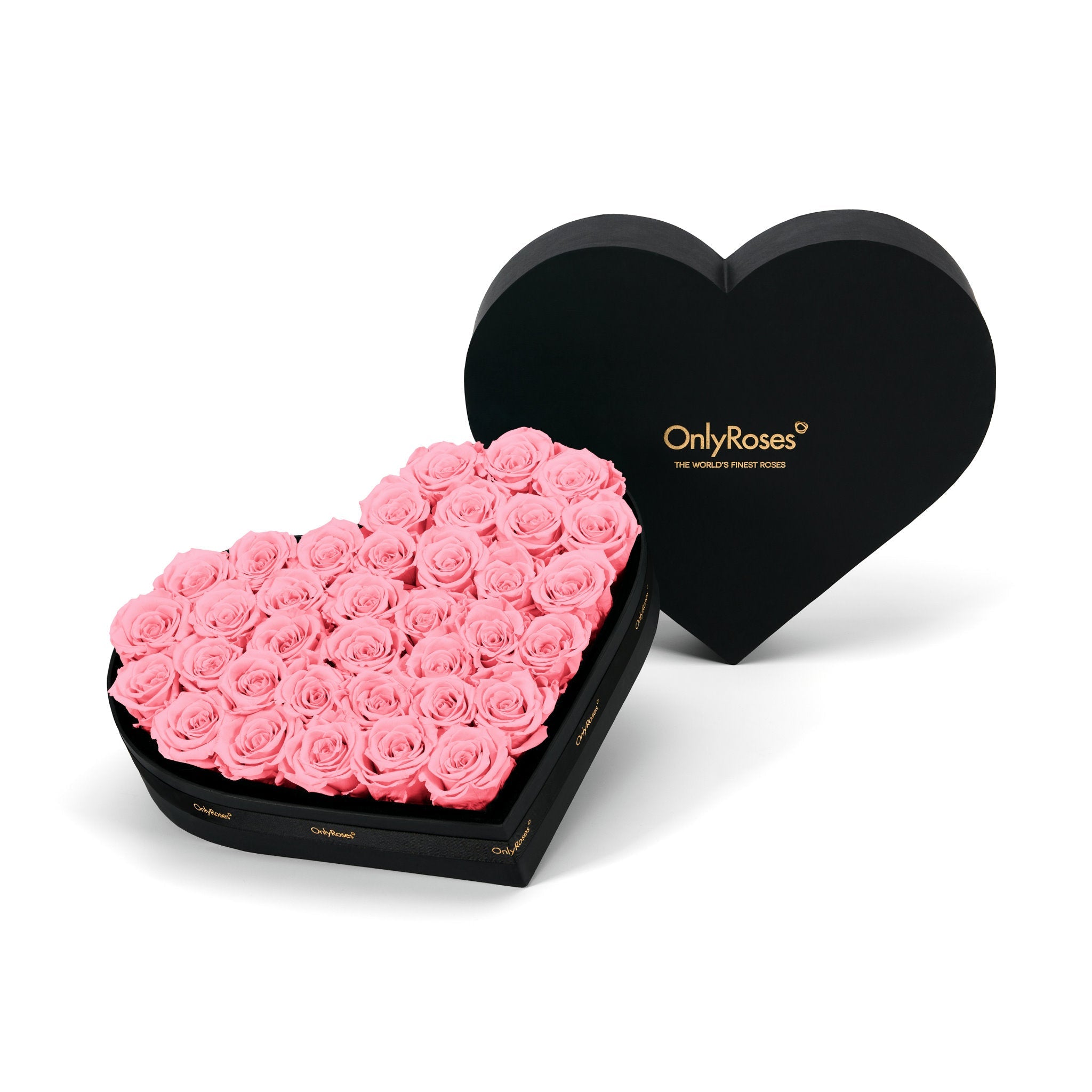
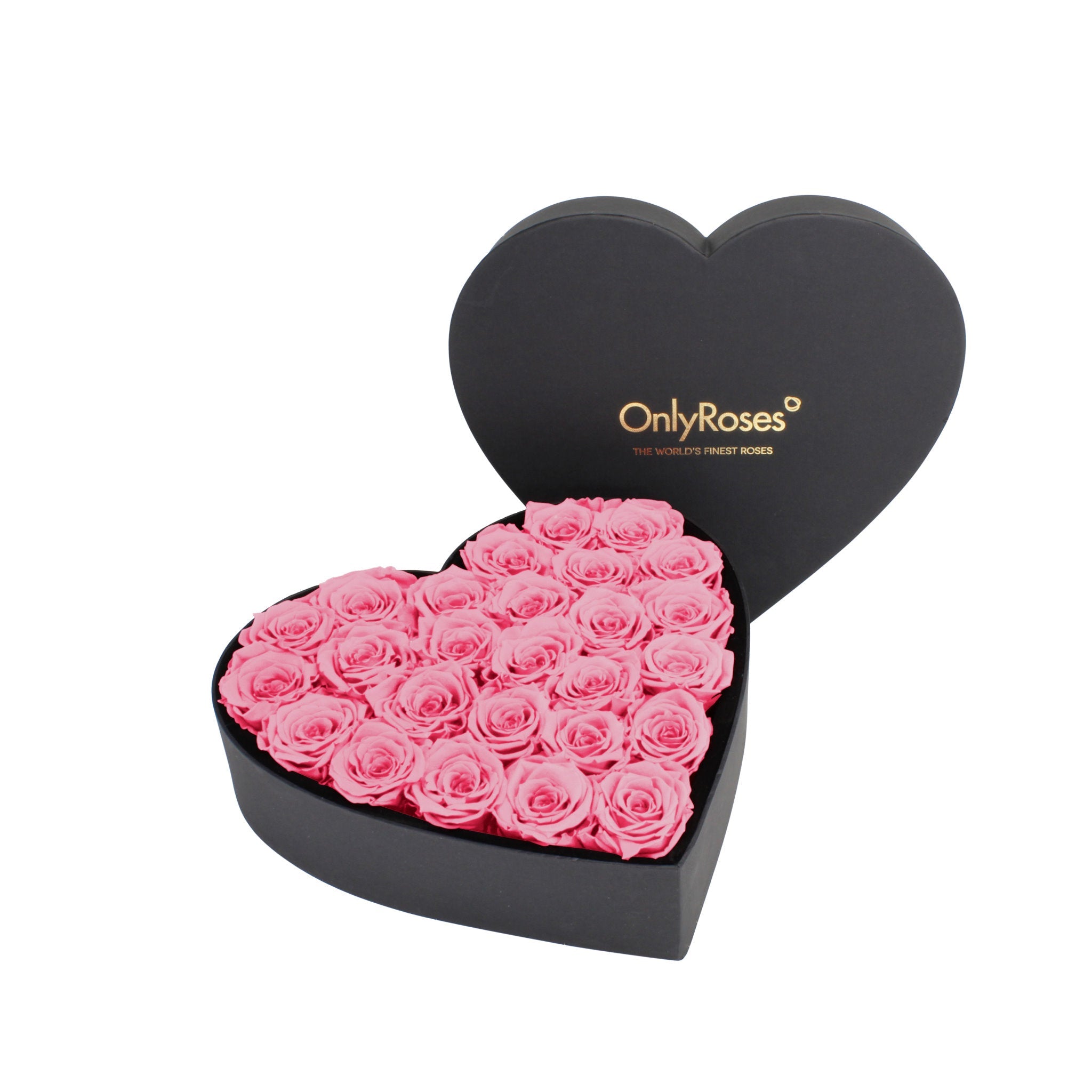
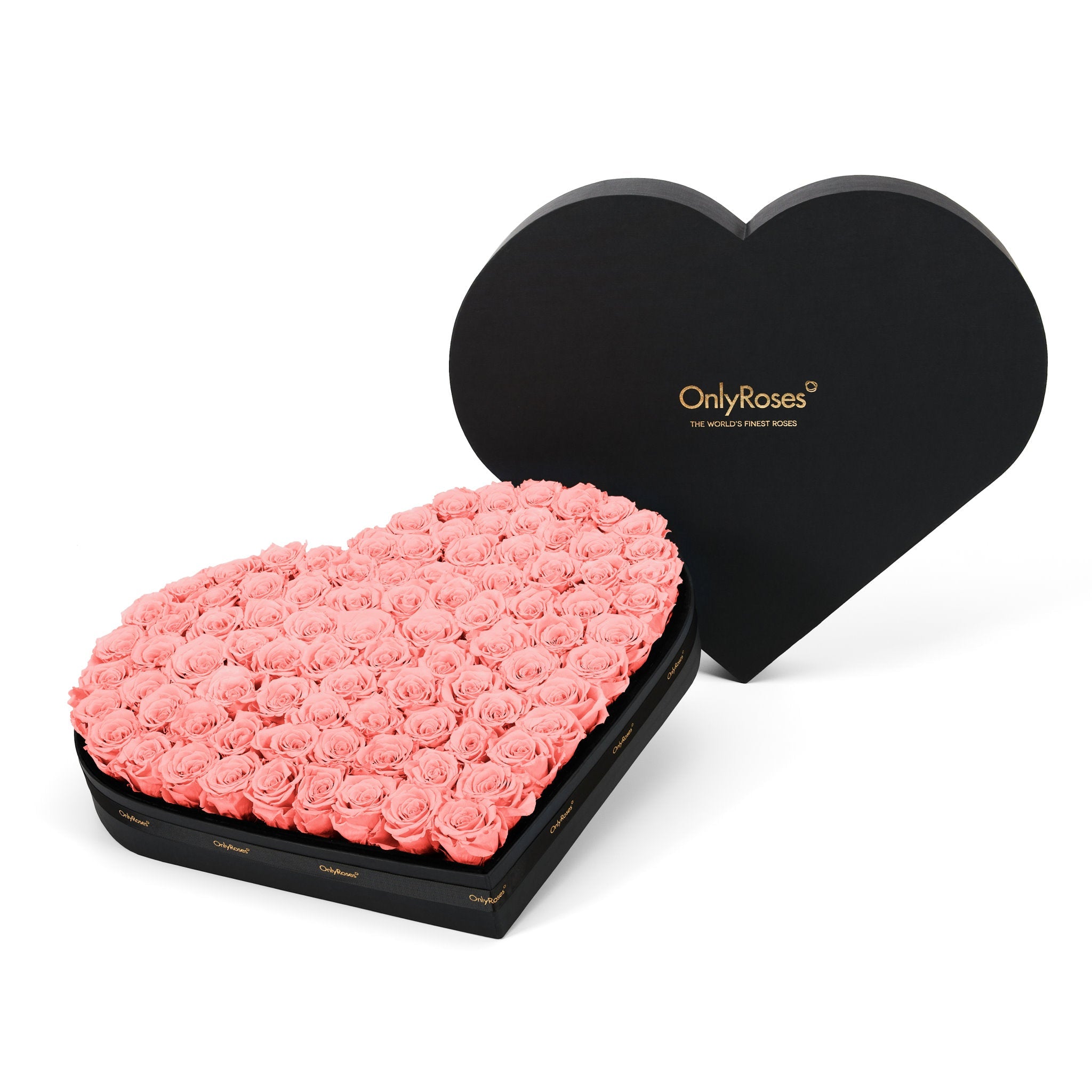
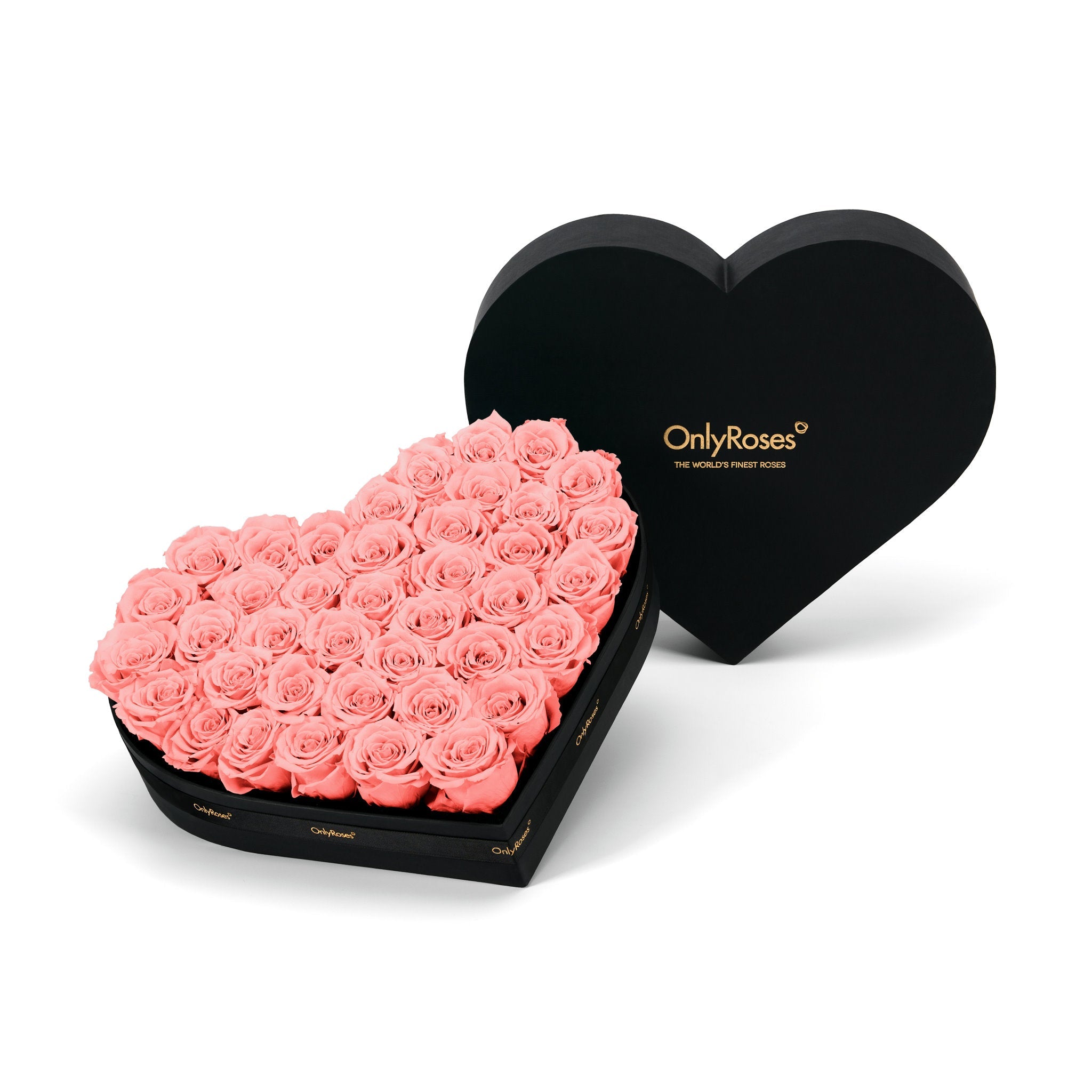
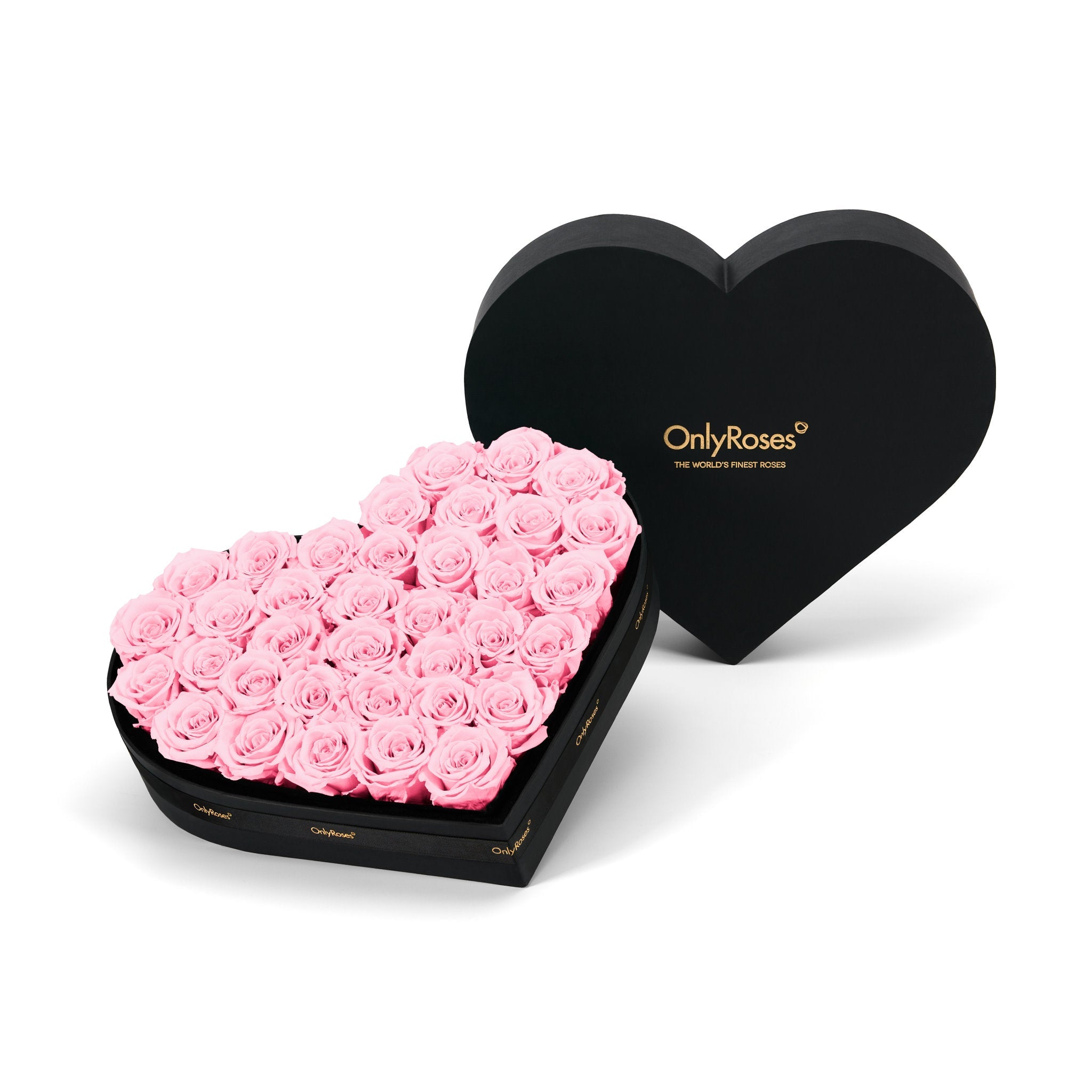
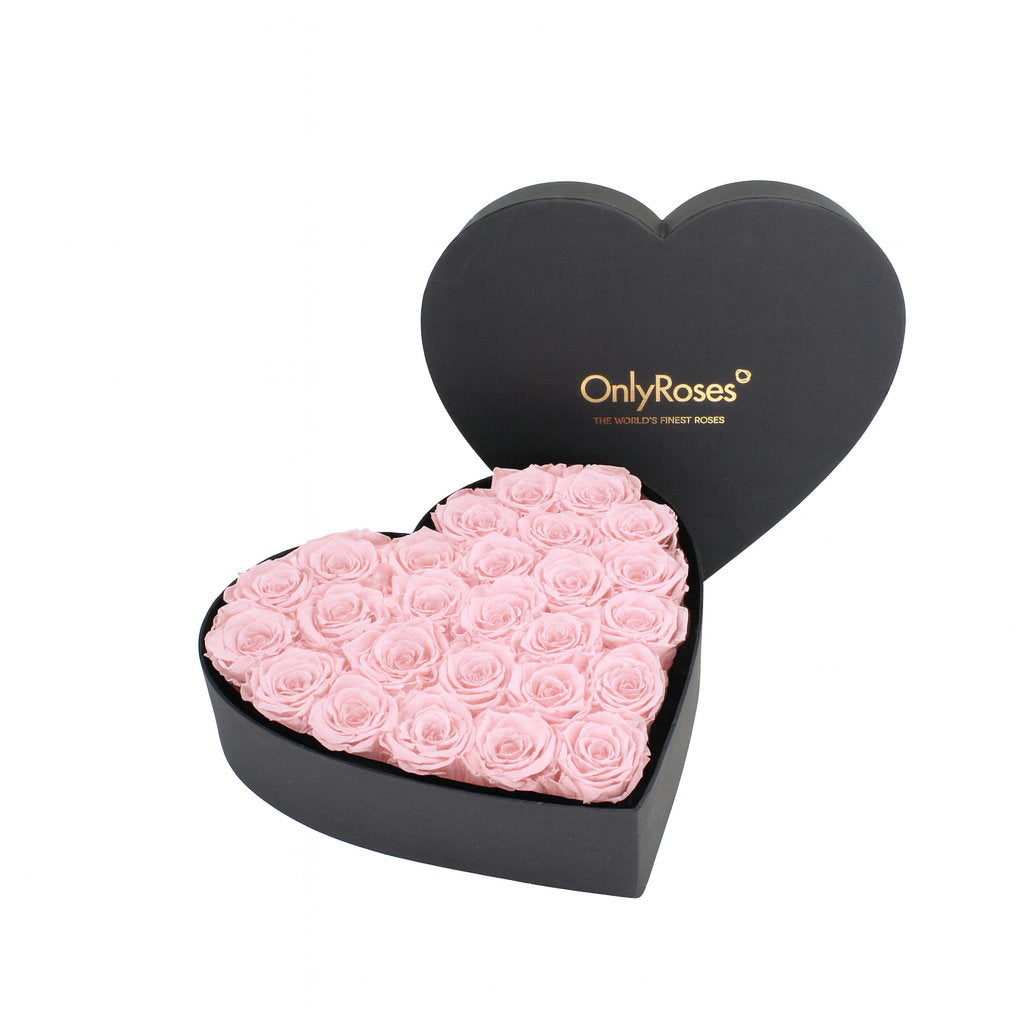
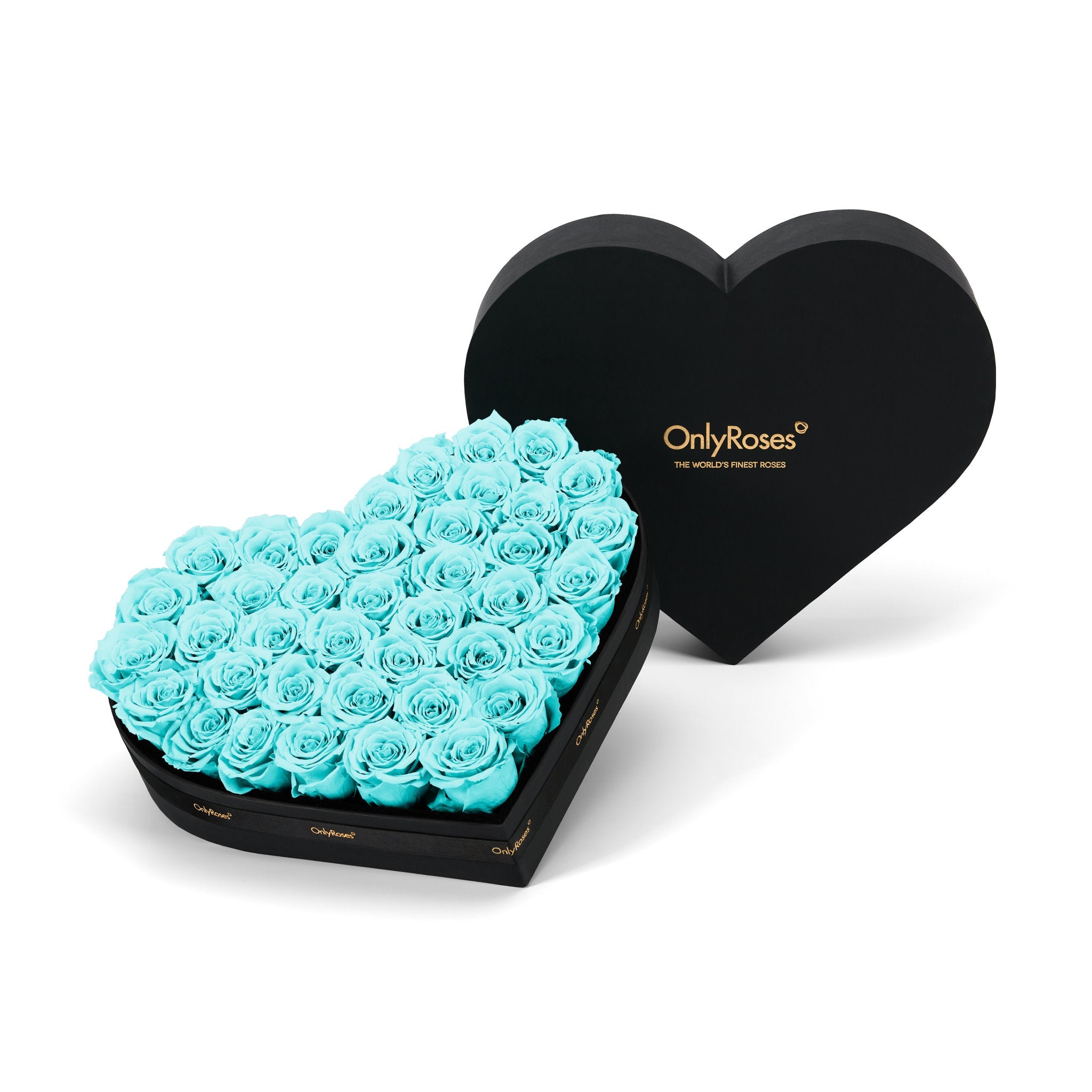
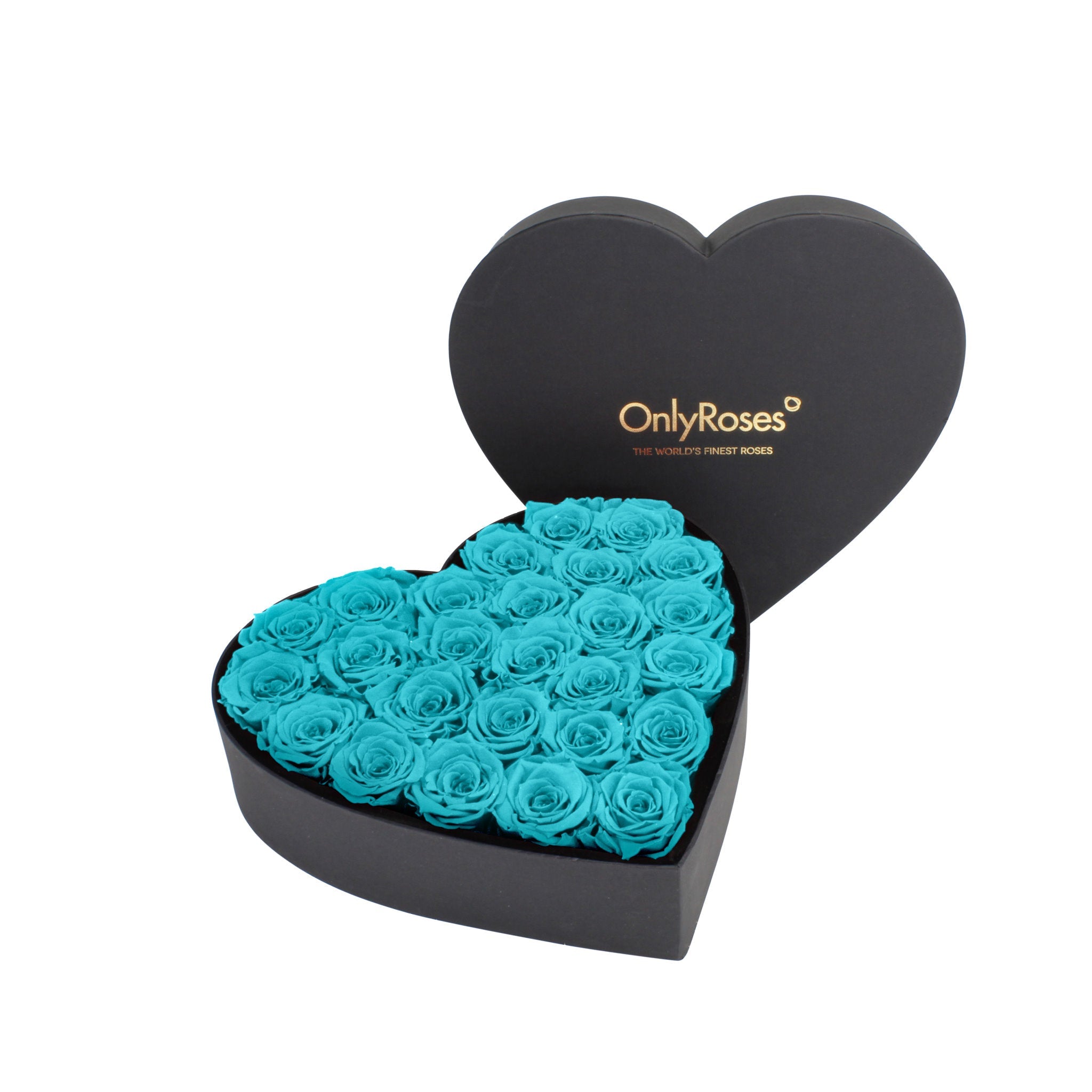
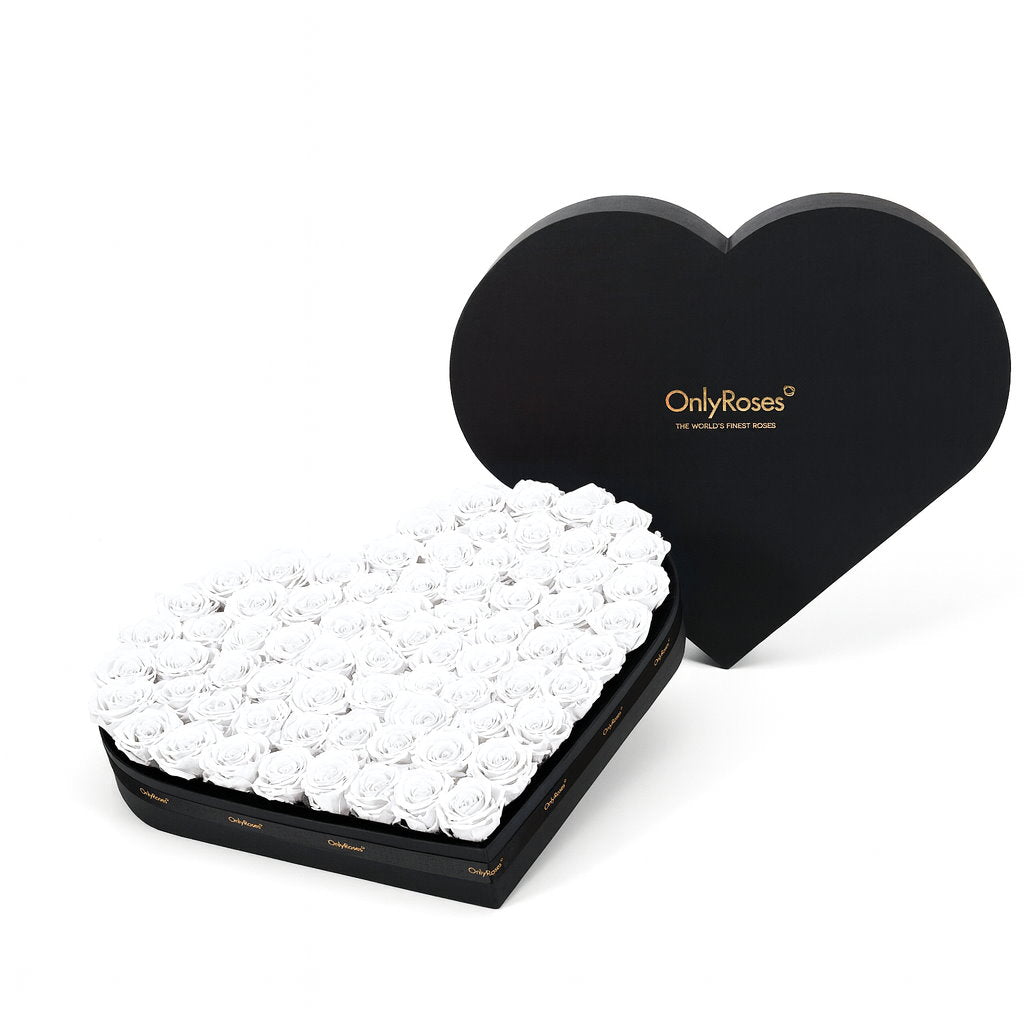
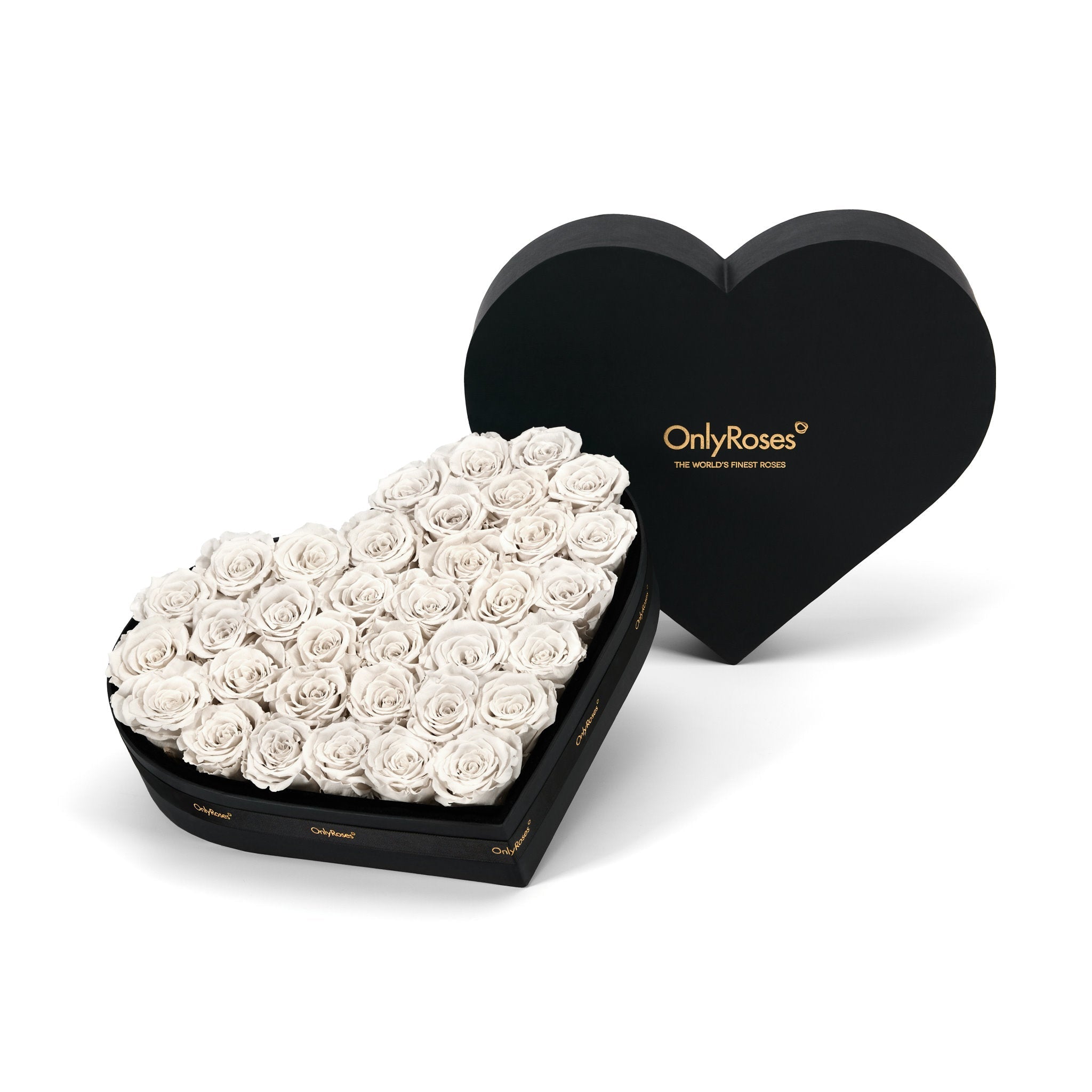
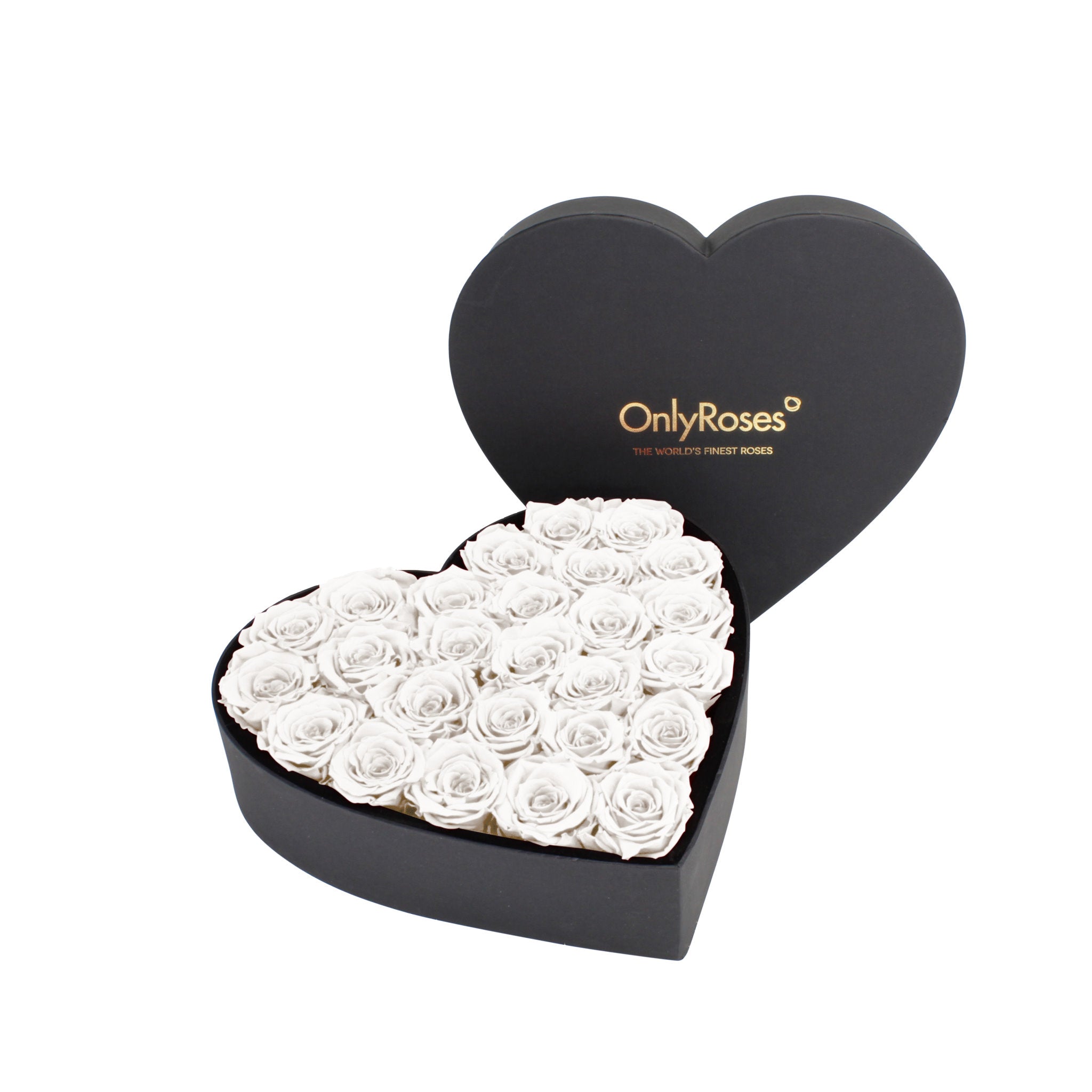
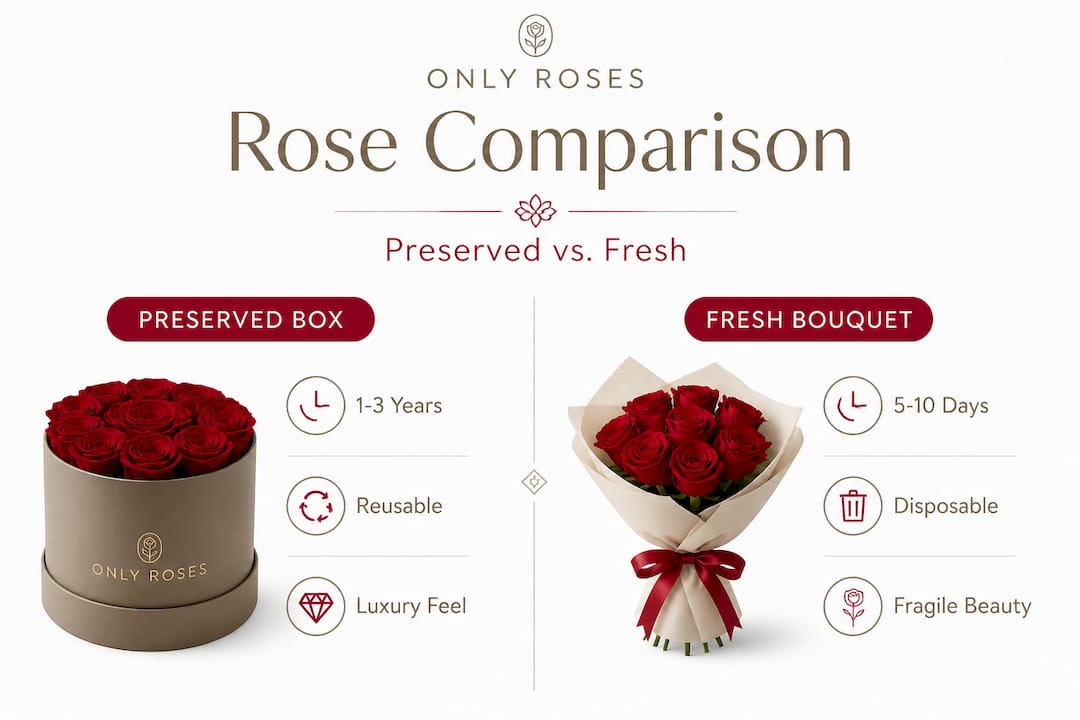
A rose keepsake box is an arrangement of preserved roses presented in a considered, often reusable box — the vessel as deliberate as the blooms inside it. The roses are real, preserved so their natural moisture is replaced with a stabilising solution that locks in colour, softness and form for one to three years, up to five in ideal conditions. The box itself, in the pieces worth buying, is structured and finished with care: rigid construction, a clean lining, gold detailing.
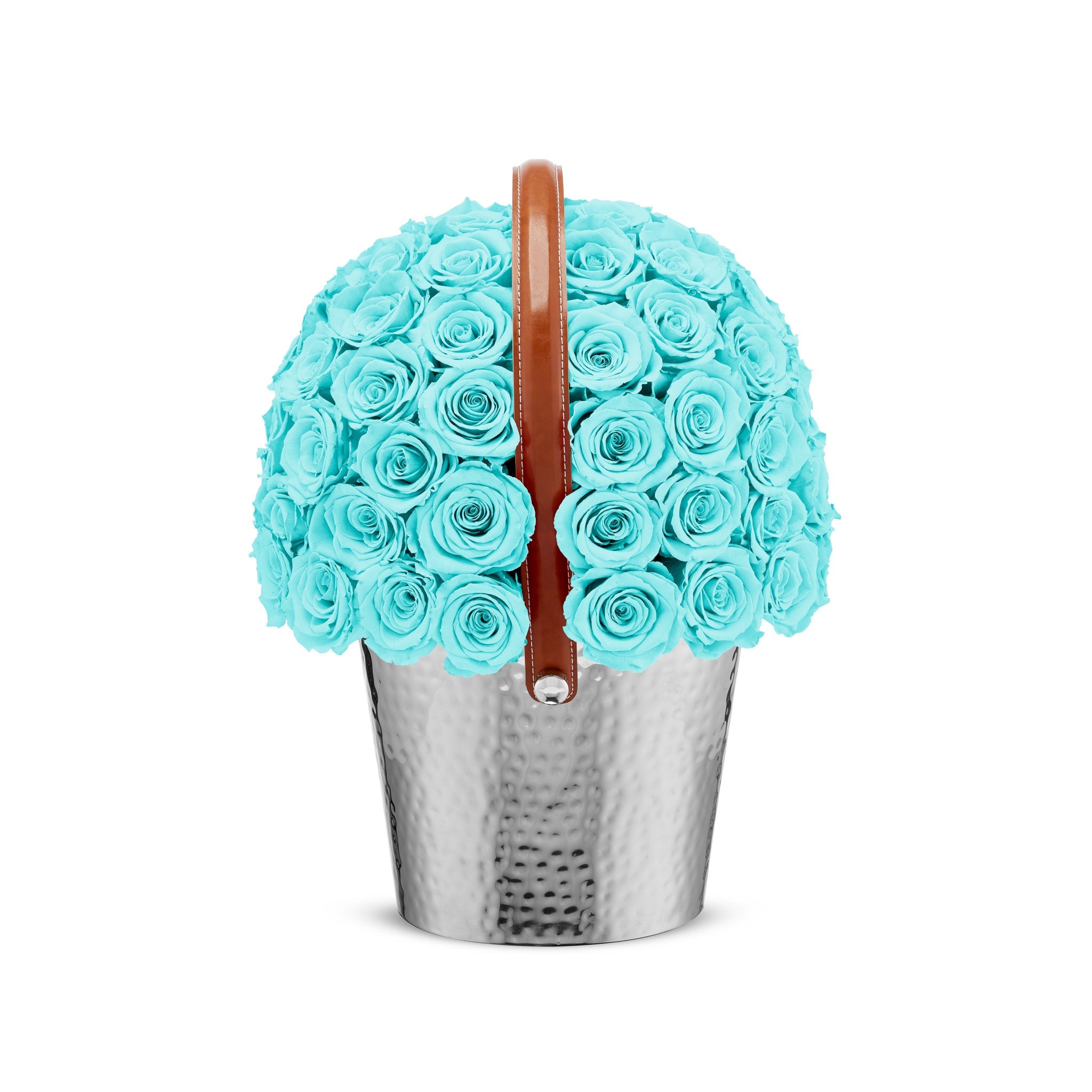
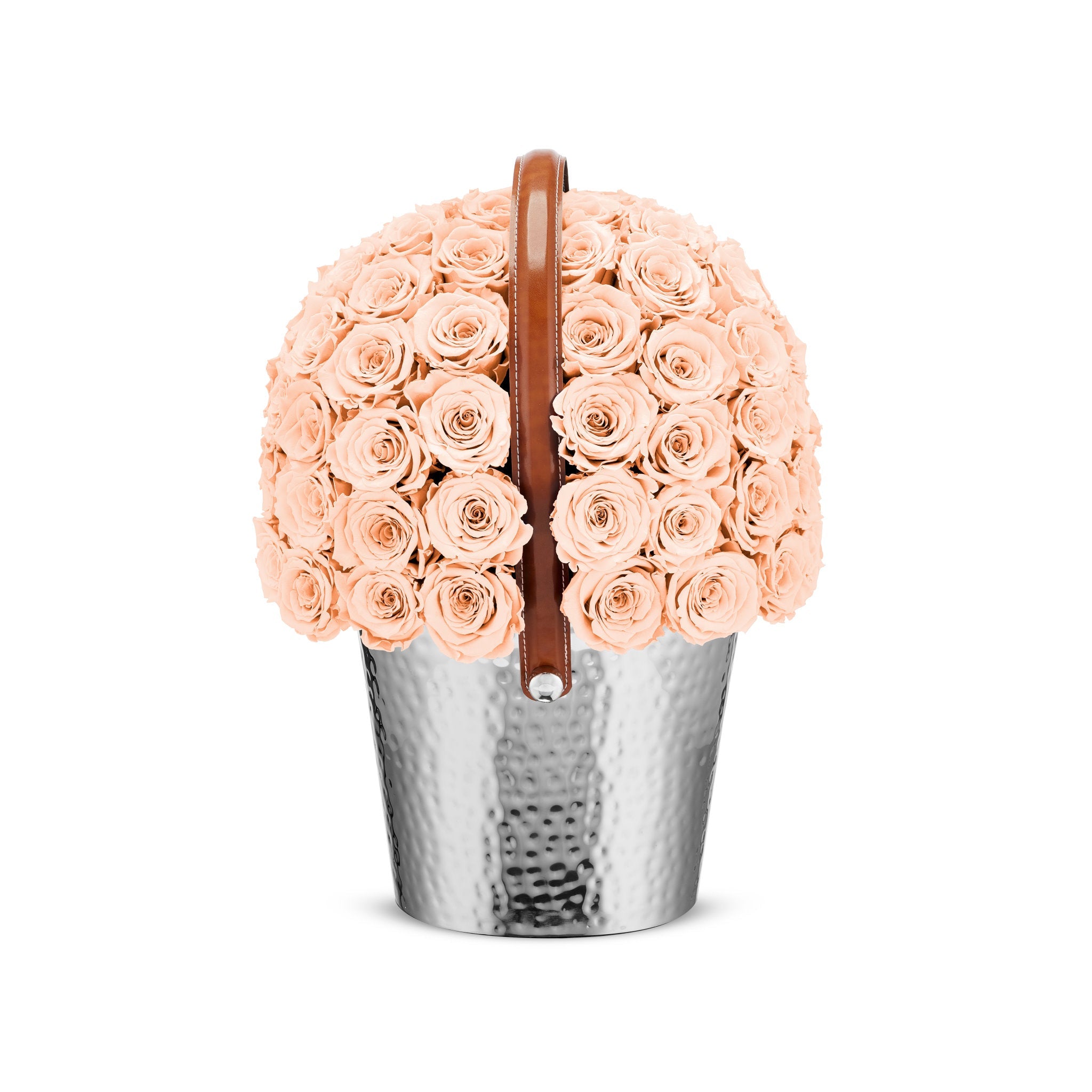
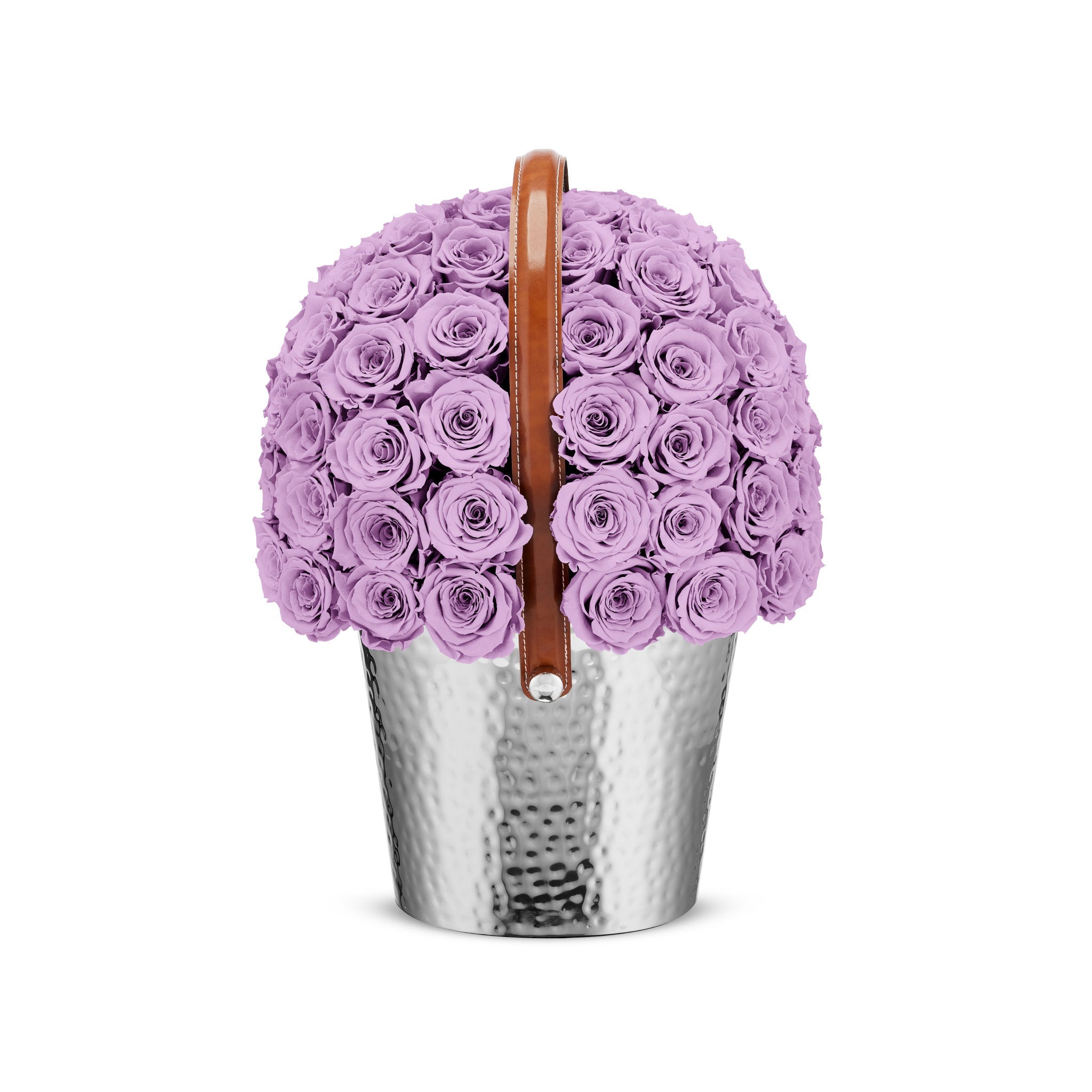
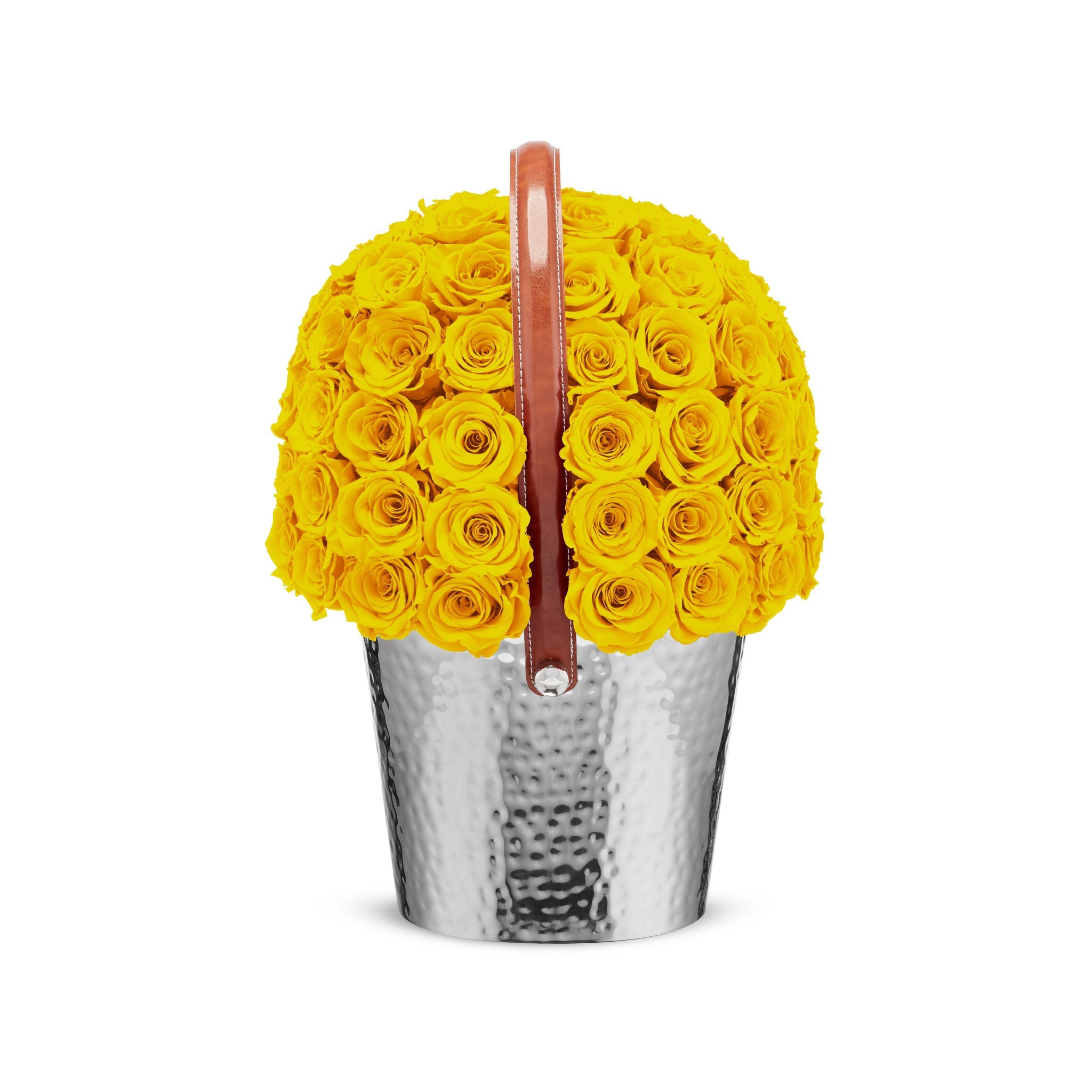
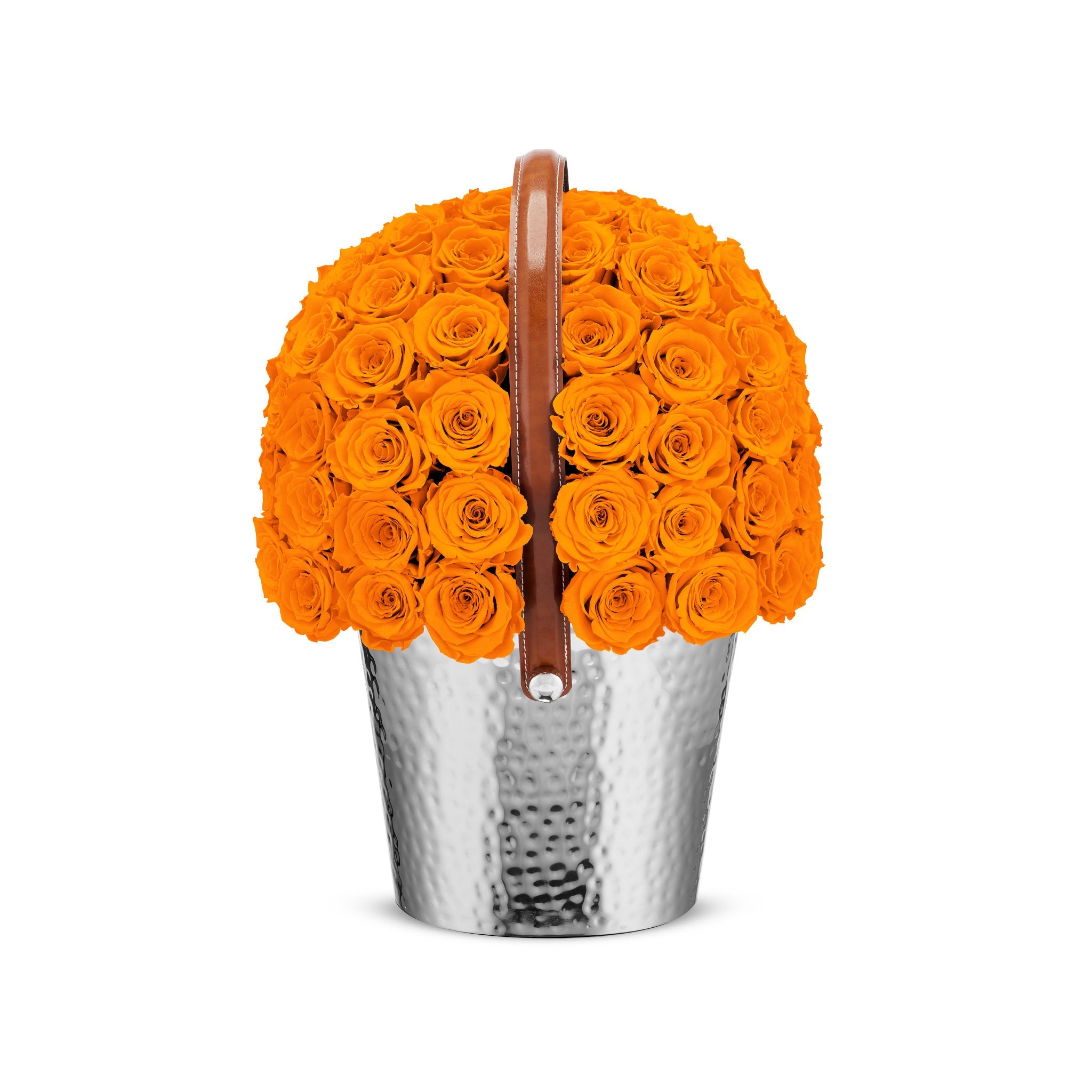
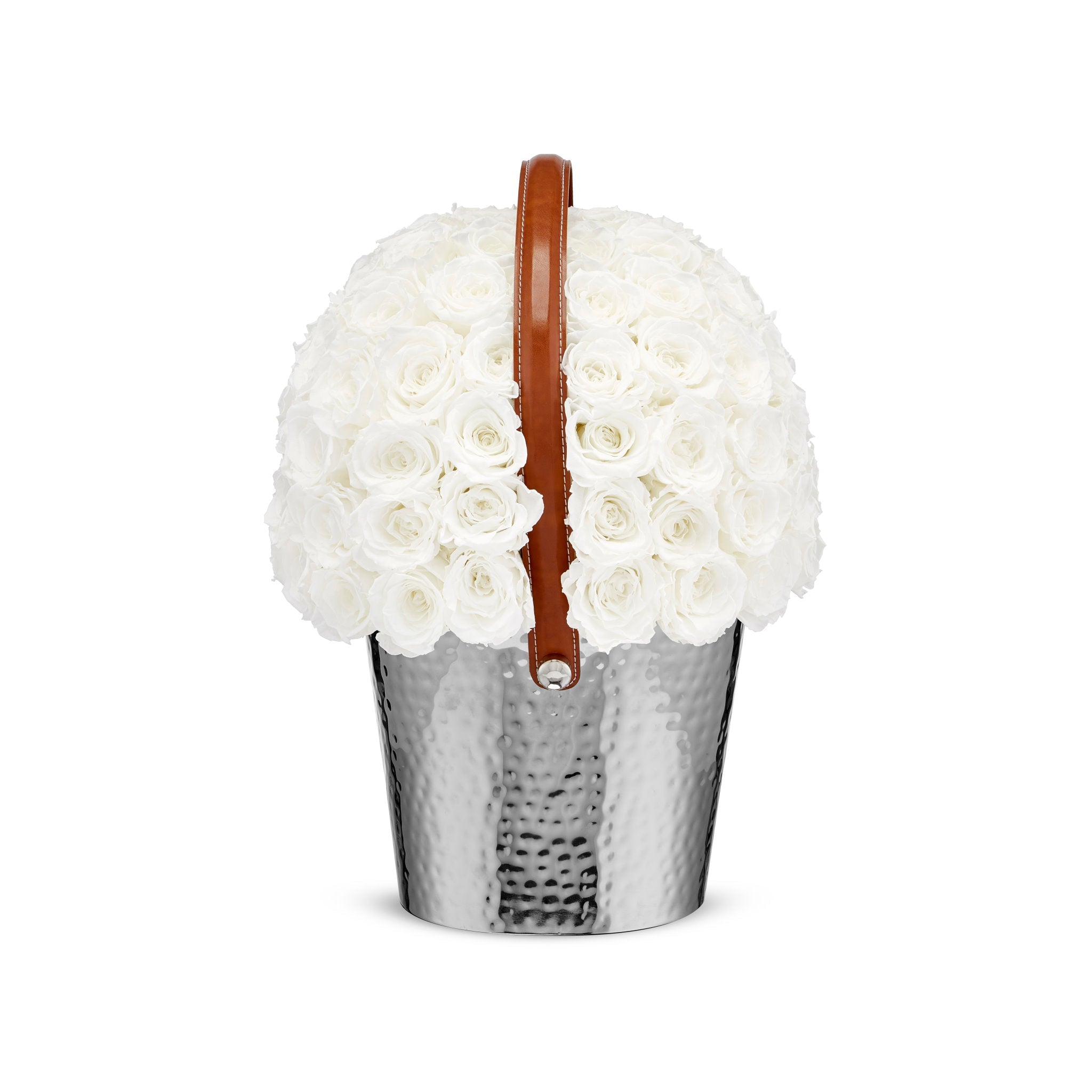
What sets it apart from an ordinary gift is its dual life. It is a gift in the moment and a decorative object long after — it doesn't go in the bin at the end of the week; it stays, and becomes part of the room. Our guide to gift rose boxes covers the format in full, and the lantern and dome pieces — the Infinite Rose Lantern Dome and Lantern Jewel — take the idea furthest, displaying preserved roses as sculpture under glass.
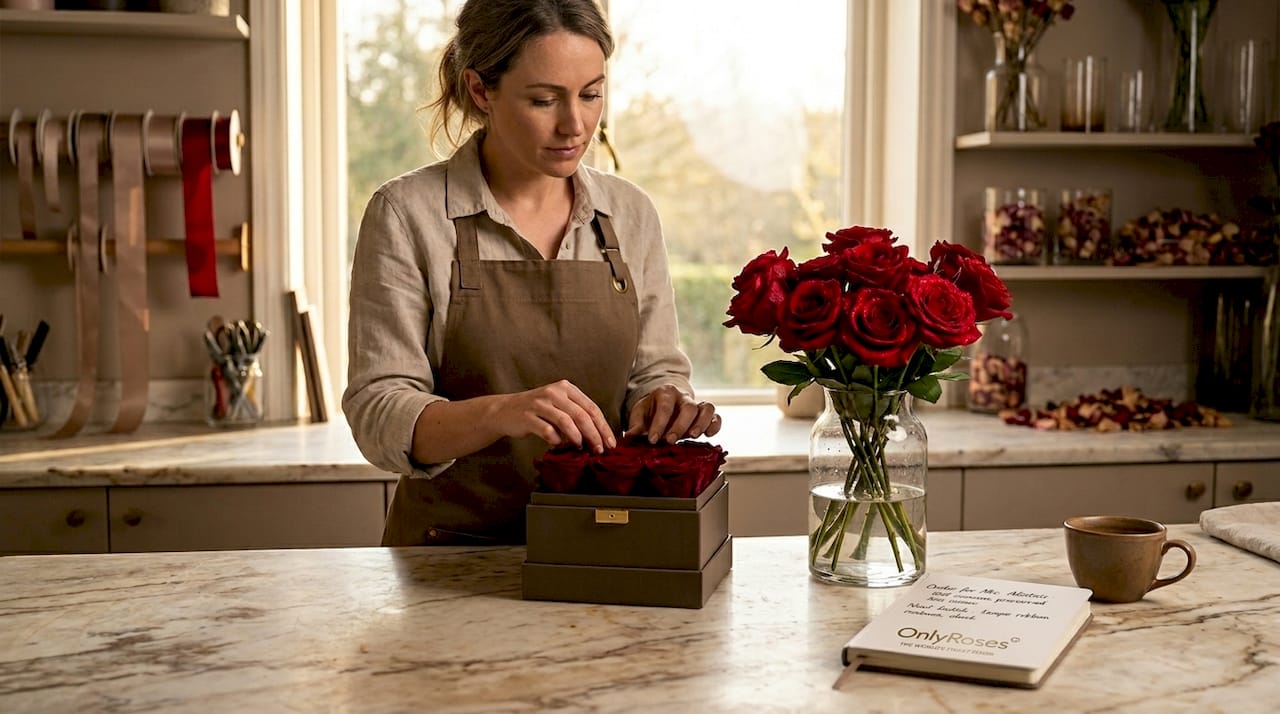
Why a keepsake suits the occasions that matter
The occasions you remember for life — a milestone anniversary, a significant birthday, an engagement — call for something more considered than a gift that won't survive the week. A keepsake box earns those moments on several counts:
- Permanence that matches the weight of the occasion — a physical artefact of the day, not a memory of it.
- Presence in the room — a lacquered box of deep red or blush roses is a refined accent no ordinary gift replicates.
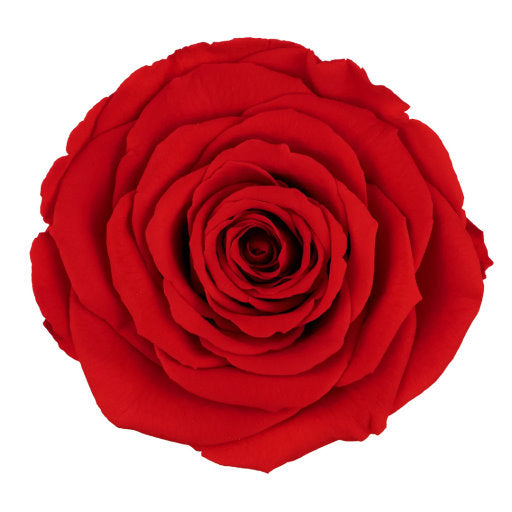
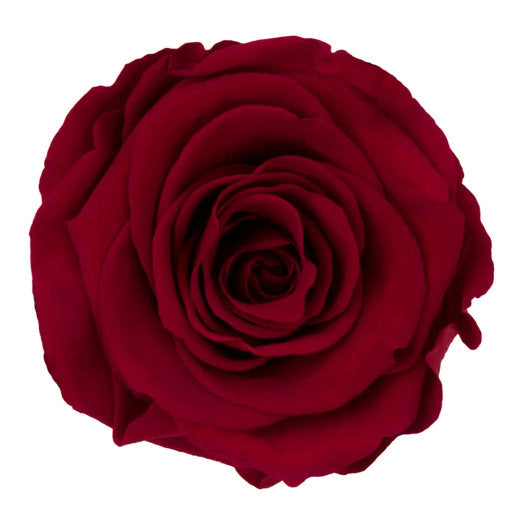
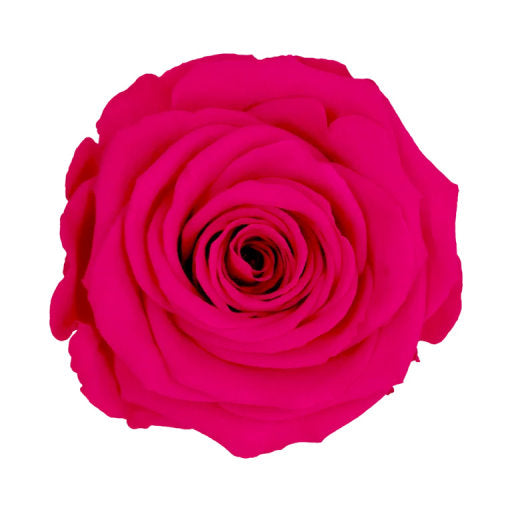
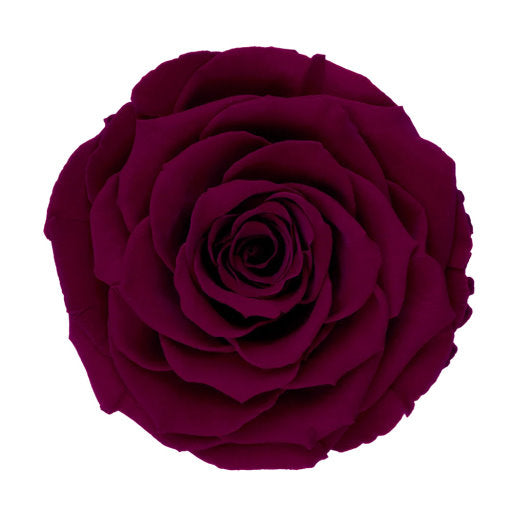
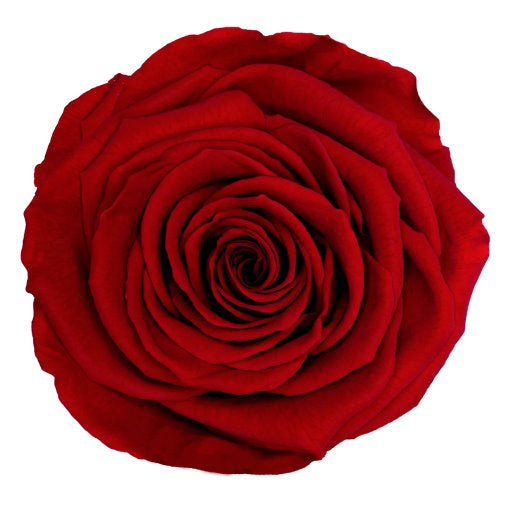
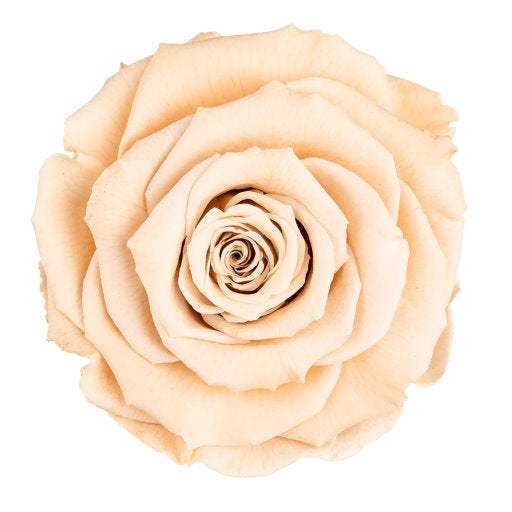
- Colour as message — burgundy for deep admiration, blush for tenderness, white for new beginnings; our rose colour guide decodes each.
- Cross-occasion versatility — the same format works for romance, celebration and considered interiors alike.
For a gift someone will live with, choosing a colour that suits their home as much as the occasion is what gets it displayed rather than stored.
Preserved versus fresh: why the keepsake endures
| Feature | Preserved keepsake box | Fresh rose bouquet |
|---|---|---|
| Lifespan | 1–3 years (up to 5 ideal) | Up to two weeks |
| Maintenance | None — no water | Water changes, trimming |
| Colour over time | Stable | Fades within days |
| Display | Permanent décor piece | Temporary arrangement |
| As a memory | Endures as an object | The gesture is brief |
A preserved arrangement given for an anniversary is still on the shelf when the next one comes around — a quiet continuity fresh flowers can't offer. Our guide to preserved vs fresh roses weighs both honestly, and how long preserved roses last sets realistic expectations.
How to tell a genuine keepsake box from a merely expensive one
Not every box at a premium price delivers genuine quality. Here is how to separate the exceptional from the ordinary:
| What to check | Sign of quality | Red flag |
|---|---|---|
| The roses | Soft petals, vibrant natural colour | Brittle texture, unnatural sheen |
| The box | Rigid construction, clean lining, fine detailing | Flimsy card, plastic fittings |
| Craftsmanship | Tight, hand-finished placement | Loose, uneven arrangement |
| Proportion | Roses fill the box with abundance | Blooms rattle in too-large a space |
| Provenance | Named origin — ideally high-altitude Ecuador | No sourcing information offered |
The single most reliable signal is provenance. Ask where the roses were grown: high-altitude Ecuadorian roses are widely regarded as the world's finest for their larger blooms, denser petals and richer colour, and a brand that sources them will tell you so without hesitation. Understanding what preserved roses are and how the process works clarifies why one box outlasts another by years.
Beyond beauty: why a keepsake lands
Gifting culture has drifted toward convenience — vouchers, subscriptions, interchangeable objects acknowledged and forgotten within days. A keepsake box works against that entirely. Its quiet refusal to be forgotten is precisely why it resonates with people who give thoughtfully. The most meaningful gifts today are defined less by price than by personal connection: a box in a colour chosen for the recipient, sitting in a room it was chosen to suit, says I saw you, and I chose this for you in a way no off-the-shelf luxury can.
Discover your keepsake at OnlyRoses
Every OnlyRoses keepsake brings together Ecuadorian roses of exceptional quality, signature packaging in black or white with gold detailing, and a preserved collection built to endure. Explore the Infinite Roses® collection, the sculptural Lantern Dome and Lantern Jewel, or browse all our luxury rose boxes. For something made to order, our bespoke service builds to your colour and occasion, delivered across London.
Frequently asked questions
How long does a rose keepsake box last?
A high-quality preserved keepsake box lasts one to three years — up to five in ideal conditions — kept away from direct sunlight and moisture. The preservation method and rose quality are the greatest factors in its longevity.
Can I personalise a rose keepsake box?
Yes — through our bespoke service you can choose the colour palette, vessel and presentation, made to order in our Knightsbridge boutique. A personalised keepsake reads as genuinely irreplaceable.
Are rose keepsake boxes suitable for home décor?
They're made for it. Their lasting form and considered design make them statement pieces for refined interiors, with no upkeep — unlike fresh flowers, they integrate as permanent decorative objects.
How do I keep a keepsake box looking its best?
Keep it dry and out of direct sunlight, and lift dust gently with a soft brush. Never add water or mist it — moisture is the main threat to preserved blooms.