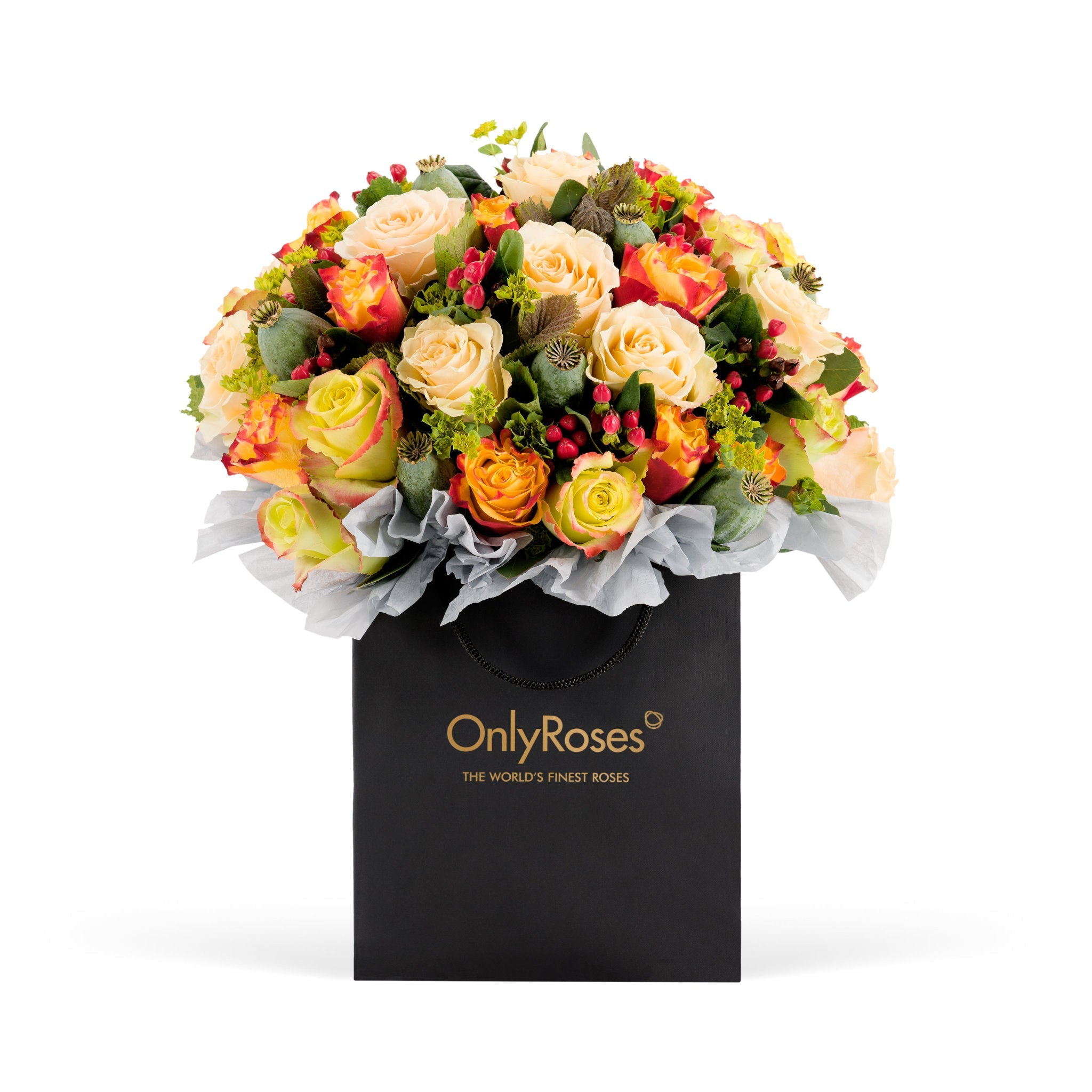

Most people assume roses speak one language: love. Red on Valentine's Day, a dozen stems to the door, message understood. But widen the lens and roses reveal a whole spectrum of feeling expressed through colour — and choosing the shade deliberately is what turns a beautiful gift into a precise one. This guide covers what each rose colour means, how to match colour to occasion, how those meanings shift across cultures, and why, in the end, sincerity matters more than any rulebook.
Why colour is the message, not the decoration
The Victorians were rigorous about this. In the 19th century, floriography — the language of flowers — worked almost as a code, each bloom and shade carrying a precise sentiment, because etiquette forbade saying such things aloud. Those strict rules have softened, but the Western associations they fixed remain remarkably consistent, which makes them the most practical framework to work from today.
The reason it still matters is simple: colour shapes how the gift feels on arrival. Defaulting to red every time says “flowers.” Choosing a shade with intent says “I thought about you.” That shift — from transaction to gesture — is the whole point.
What each rose colour means
| Colour | Core meaning | Ideal occasions |
|---|---|---|
| Red | Passionate love, deep respect | Anniversaries, Valentine's Day, romantic gestures |
| Pink | Admiration, gratitude, grace | Birthdays, thank-yous, new relationships |
| White | Purity, new beginnings, reverence | Weddings, sympathy, milestones |
| Yellow | Friendship, joy, positivity | Congratulations, friendship, get well |
| Orange | Enthusiasm, energy, desire | New beginnings, celebration |
| Purple / lavender | Enchantment, admiration, wonder | First gifts, creative milestones |
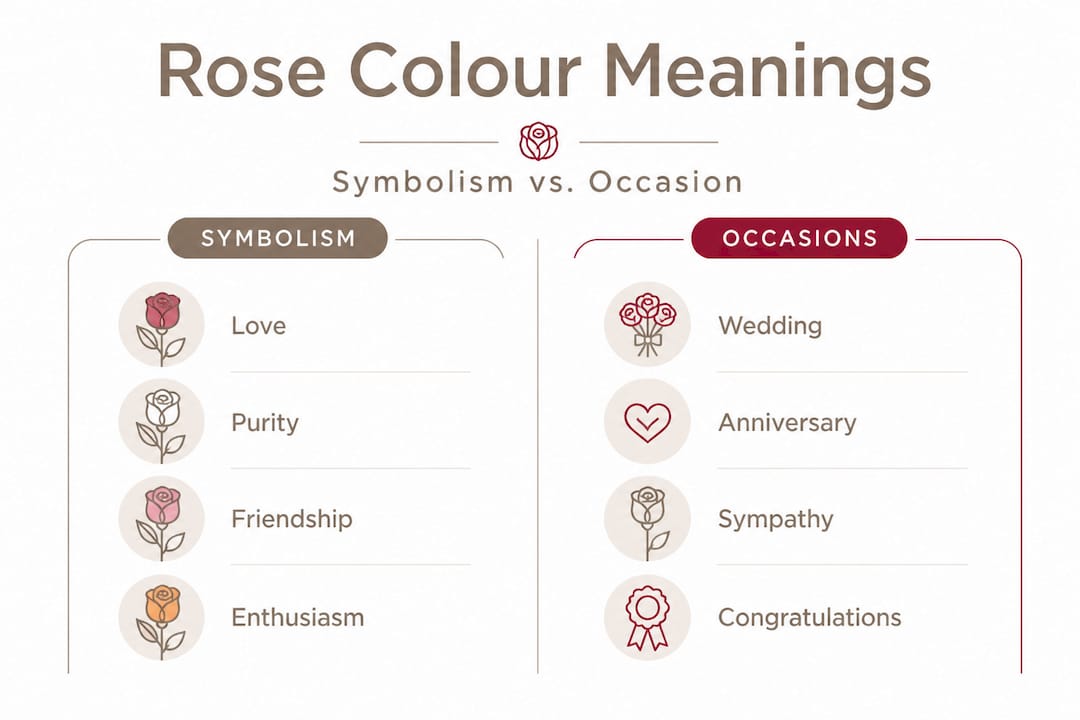
A few nuances worth knowing: white and red together signify unity, ideal for weddings; lavender and purple are rarer and carry an air of exclusivity that suits premium gifting; and orange bridges friendship and romance, perfect when feelings are warm but the relationship is still finding its footing. Every shade we grow can be browsed in roses by colour, and our full rose colour meaning guide goes deeper on each.
Choosing colour by occasion
Knowing each colour's meaning is half of it; matching it to the moment is the rest.
| Occasion | Recommended colours | Why it works |
|---|---|---|
| Wedding | White, blush pink, cream | Purity, new beginnings, elegance |
| Anniversary | Red, deep pink, mixed | Enduring love, passion, gratitude |
| Apology | White, soft pink | Sincerity, humility, respect |
| Congratulations | Yellow, orange, bright pink | Joy, energy, admiration |
| Sympathy | White, pale pink, lavender | Reverence, gentleness, remembrance |
| Milestone birthday | Purple, deep pink, mixed | Wonder, admiration, celebration |
White roses anchor weddings for good reason — their clean, open blooms reinforce the sense of clarity and new beginnings, and that same purity makes them right for sympathy, where quiet dignity matters most. The way white roses suit weddings is rooted in generations of tradition. For professional gifting, colour does real work too: yellow conveys warmth without romantic implication, white communicates respect, and orange carries congratulatory energy.
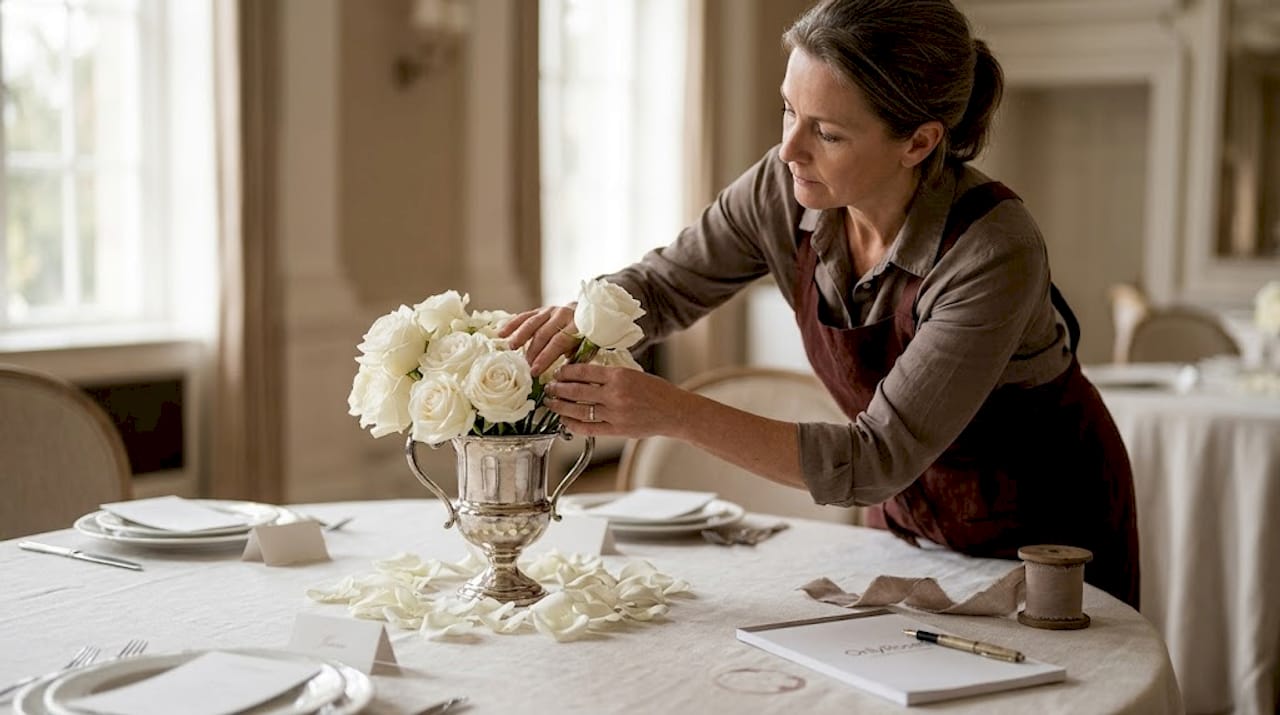
Pro tip: combining colours layers the message. Red and white together signify unity and enduring love — popular for anniversaries and weddings; orange with yellow speaks of joyful, warm celebration.
Do meanings change? Culture and context
Yes — and it is worth knowing before you gift across backgrounds, as many of our clients do. Yellow, which means friendship in Western traditions, has historically carried associations of jealousy or parting in parts of Europe and South America. In Eastern Europe, give odd numbers — even-numbered bouquets are for mourning. In the Middle East, roses speak of hospitality and honour as much as romance, and quantity carries its own weight. Western meanings are the most consistent for gifting, but the recipient's own frame of reference should always come first.
The growing trend in luxury gifting now places as much weight on personal relevance as on tradition: someone who loves a particular shade of coral will connect with it regardless of what floriography assigns. When you're unsure, a short handwritten note explaining your colour choice removes any ambiguity — and deepens the gesture.
The honest truth: there's no 'perfect' colour
We spend a lot of time in this trade talking about symbolism as though there's a definitive right answer. There isn't, and there never was a governing authority certifying it. The real question is not “which colour is technically correct” but “which colour feels truest to what you want to say.” When someone receives roses chosen with genuine care, they don't reach for a symbolism guide — they feel the intention behind it. Use tradition as a guide, not a rulebook. Get the colour right for them, and let the roses do the rest.
Choose your colour at OnlyRoses
Whether you're drawn to pristine white for a wedding, vibrant orange for a celebration, or a layered mix for a milestone, every bloom is grown at high altitude in Ecuador and finished by hand in our Knightsbridge boutique. Browse by shade in roses by colour, send a single stem from Classic Rose Stems, or read the deeper rose colour meaning guide. For the symbolism behind the tradition, our guide to rose symbolism and meaning tells the fuller story. We deliver across London.
Frequently asked questions
What does each rose colour symbolise?
Red signals passionate love, pink admiration and gratitude, white purity and reverence, yellow friendship and joy, orange enthusiasm, and purple enchantment. Context and culture can shift these, so consider the recipient as well as the convention.
Can you mix rose colours in one arrangement?
Yes — combining colours creates layered, more personal messages. Red and white signify unity in love; yellow and orange make a joyful celebration.
Do rose colour meanings differ by country?
They do. Western meanings are most consistent for gifting, but yellow and red carry different associations in parts of Europe, South America and Asia, and even-numbered bouquets signify mourning in much of Eastern Europe. Context always matters.
Which rose colour is best for sympathy?
White roses are the most appropriate — their associations with reverence, gentleness and quiet remembrance make them a deeply respectful choice. Pale pink and lavender work beautifully alongside them.