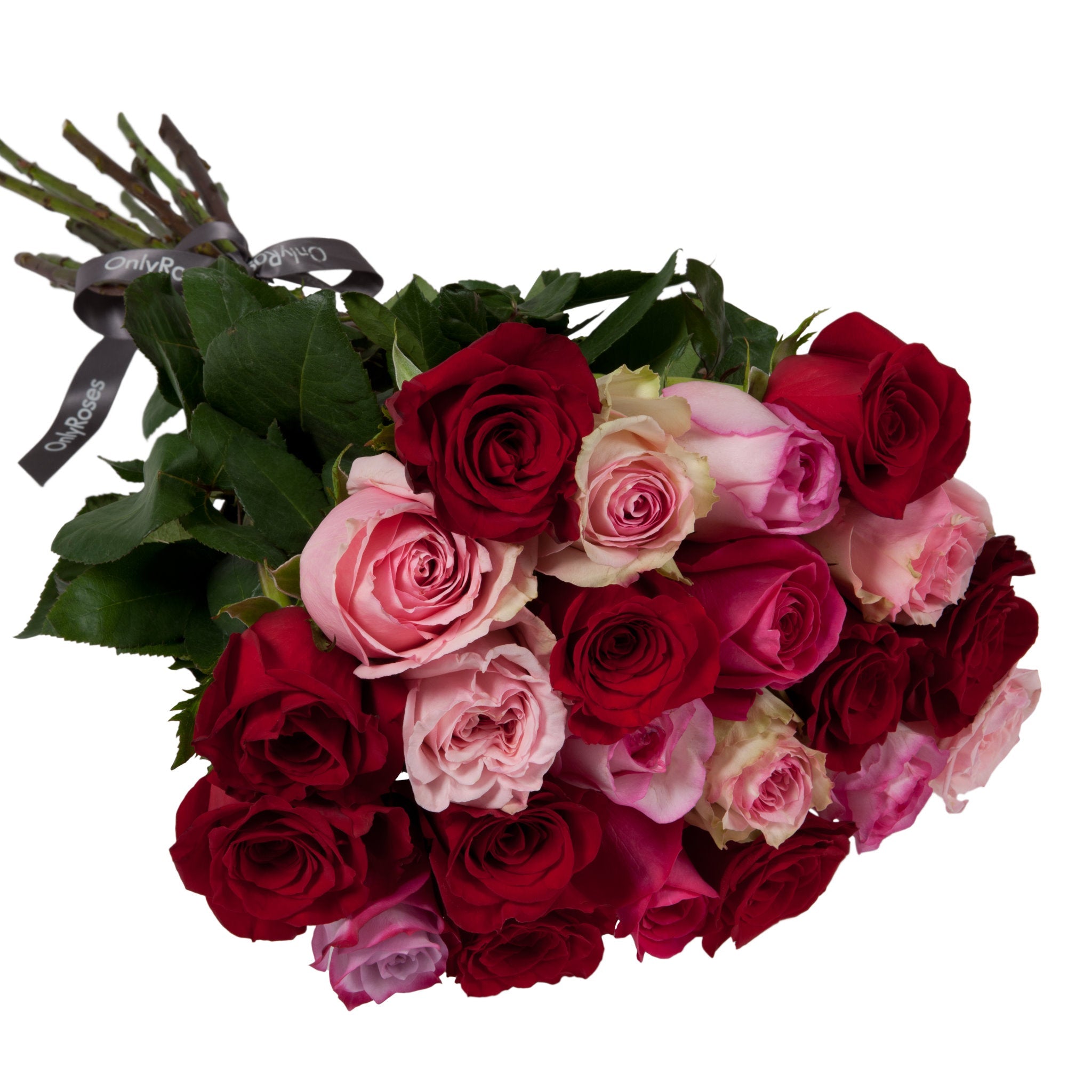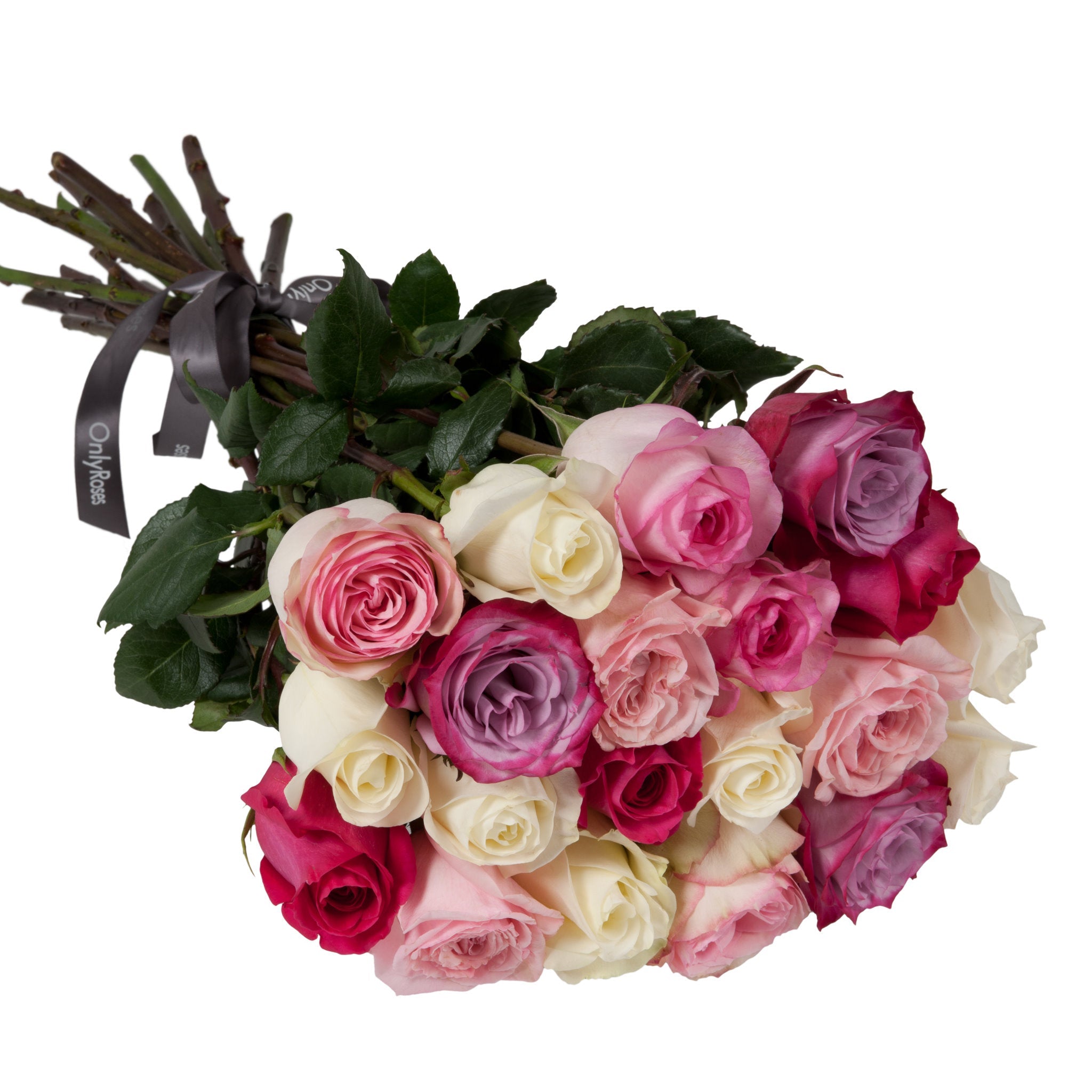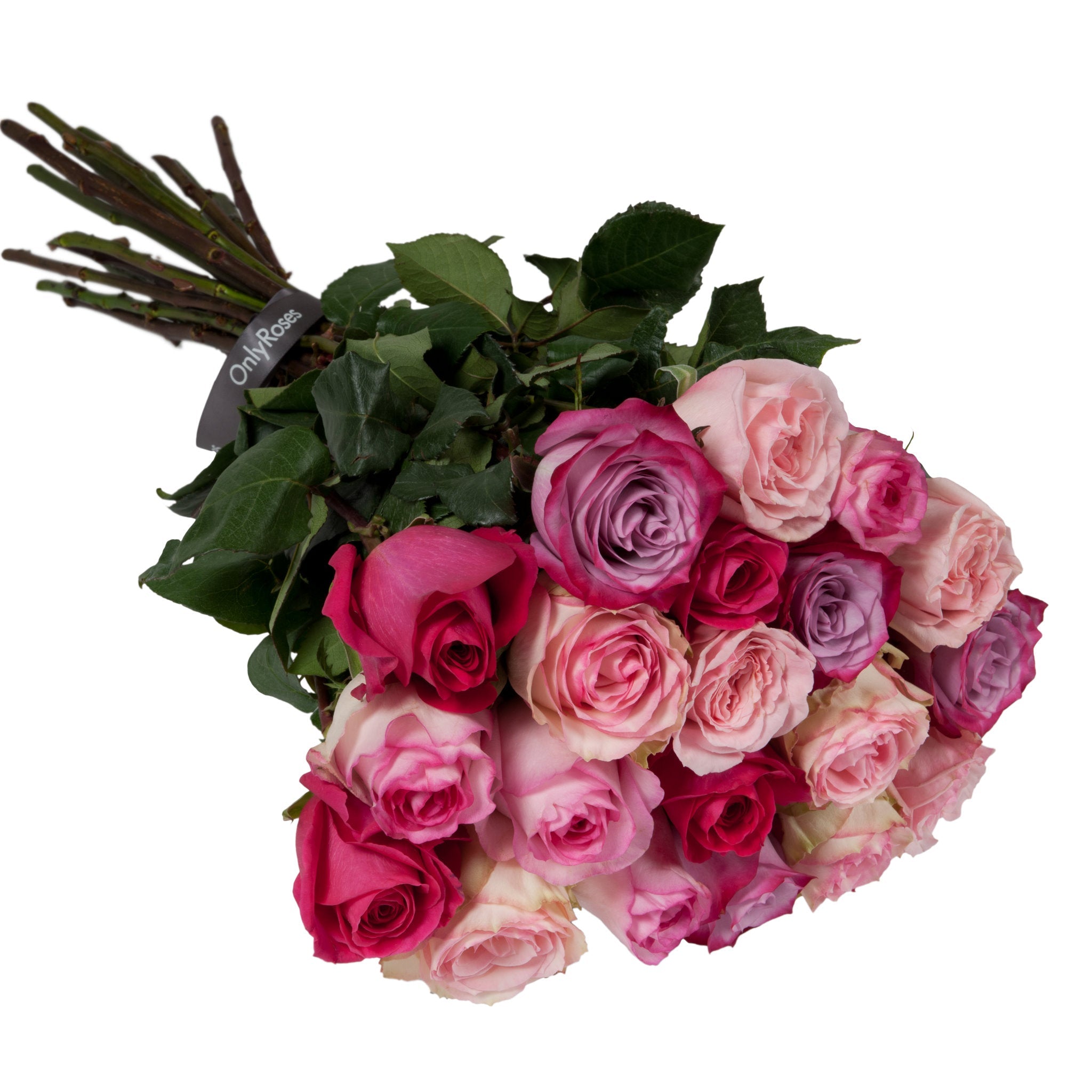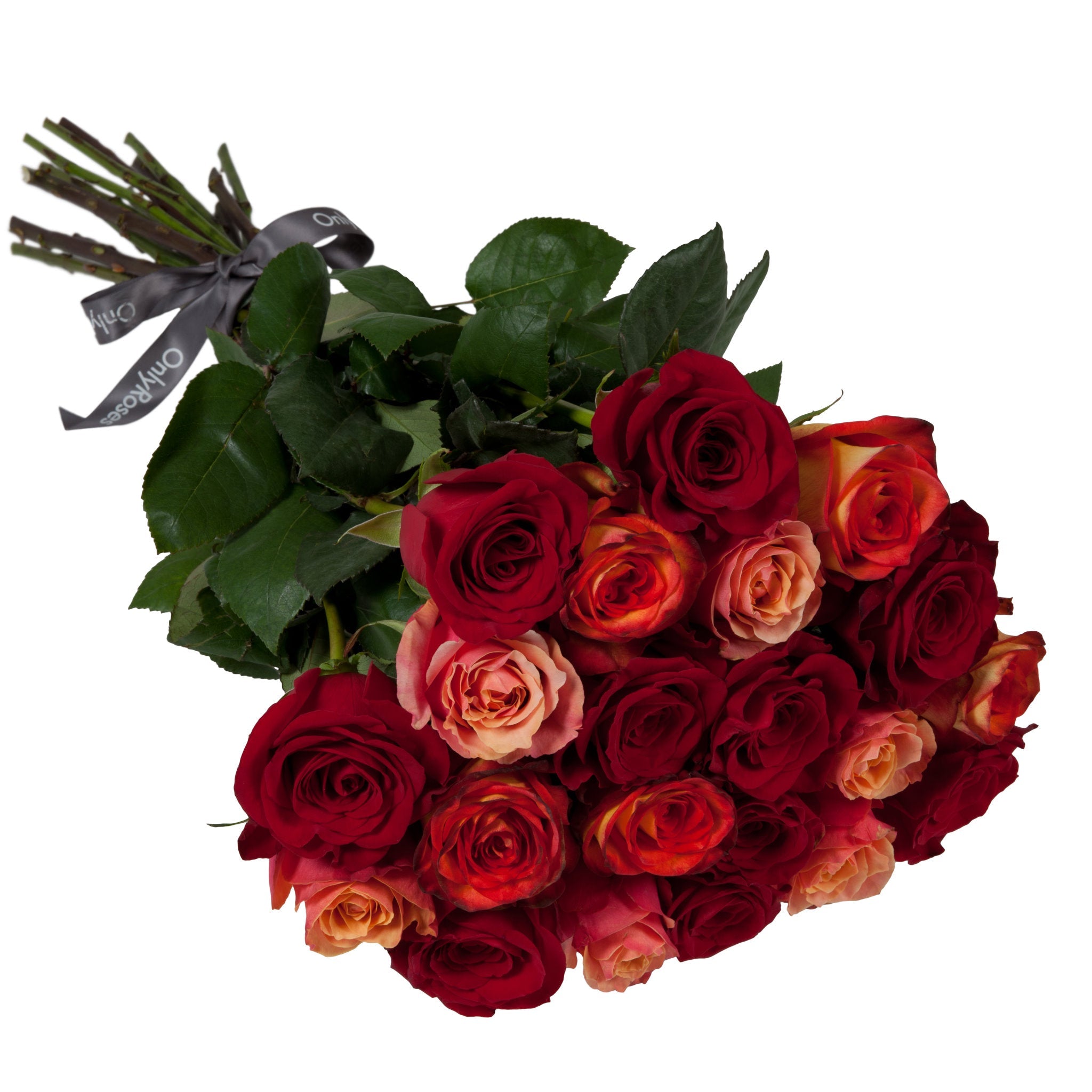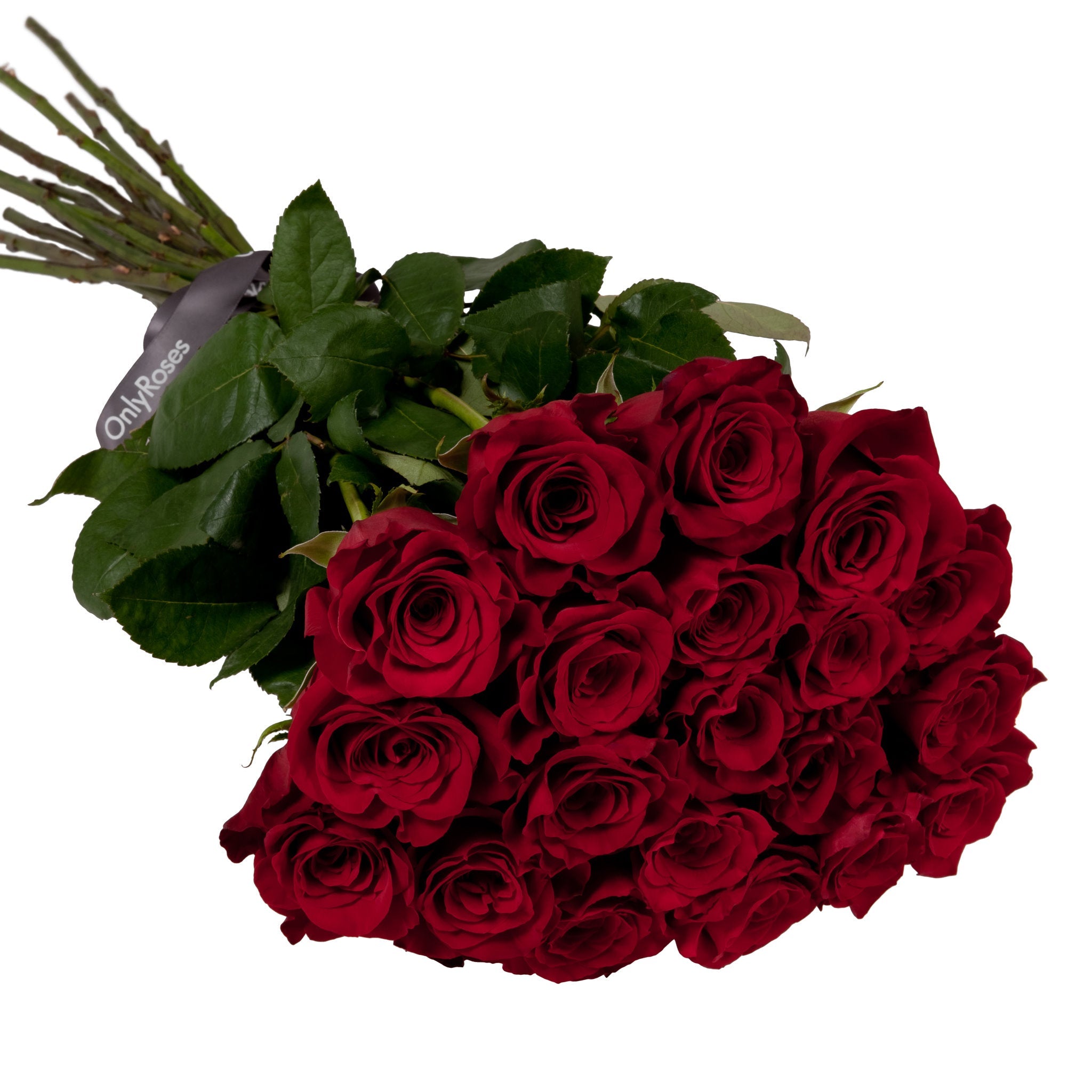

It is easy to assume that luxury roses come at a quiet cost to the planet — grown far away, flown in, admired briefly, gone. The picture is more nuanced than that, and the choices a thoughtful buyer makes genuinely matter. This guide covers what sustainability actually means in luxury floristry, the role of responsible sourcing, why preserved roses are often the more sustainable gift, and the reforestation work we fund in the Ecuadorian highlands where our roses are grown.
What sustainability really means with roses
Sustainability in cut flowers comes down to three things: how responsibly the roses are grown, how far and how often they travel, and how long they last once they arrive. No rose is impact-free — any honest brand will tell you that — but the gap between a thoughtless purchase and a considered one is real, and it sits largely in those three levers.
Growing conditions matter most at the source. Roses grown in their natural climate, in good soil with sunlight rather than artificial heat and light, carry a far lighter growing footprint than those forced in heated greenhouses. A Cranfield University life-cycle assessment of the UK market found that roses flown from Kenya carried roughly six times lower global warming potential than roses grown in Dutch heated greenhouses, even after accounting for air freight and its altitude effect (Williams, 2007). This is one of the quieter advantages of high-altitude Ecuadorian roses: the equatorial sun and cool mountain nights do the work that energy-hungry glasshouses do elsewhere.

Why preserved roses are often the more sustainable gift
This is where luxury and sustainability align rather than compete. A fresh bouquet, however beautiful, is a fleeting pleasure — which for anyone gifting regularly or across distances means repeated orders and repeated journeys. A preserved arrangement is shipped once, is guaranteed for one year and lasts much longer.
Our Infinite Roses® are real roses, preserved so they hold their colour and softness without water, refrigeration or repeat purchase. They are guaranteed for one year and last much longer — original arrangements from 2010 remain on display in our Knightsbridge boutique today. Over the life of a single preserved arrangement, the cumulative footprint of one shipment compares favourably with regular fresh deliveries to the same recipient. For a gift where longevity matters more than fragrance, preserved roses are both the more lasting and the more responsible choice. Our guides to what preserved roses are and preserved vs fresh roses set out the difference in full.
None of which is to dismiss fresh roses — they remain the right choice for the occasions where scent and the drama of an opening bloom are the point. It is simply to say that the two serve different purposes, and preserved roses deserve their place in any sustainability-minded gifting decision.
Our reforestation work in Ecuador
We are candid about this: shipping roses from Ecuador to London has a footprint, and we make no claim to be carbon-neutral. What we do instead is act where our roses come from. We fund and run a reforestation programme in Chimborazo Province — the highland region of Ecuador where our roses are grown — planting native trees to give something back to that landscape. The work is carried out on the ground in Ecuador with the support of the Honorable Consejo Provincial de Chimborazo.
We want to be precise about what this is and isn't. We do not currently hold third-party certifications such as Florverde or Fairtrade, and we won't claim to. Nor do we present the trees as an offset against our emissions, because we have not measured them and it would be misleading to imply a balance we cannot evidence. What we do is real, local and ongoing: trees planted in the province our roses come from. We think that honesty matters more than a logo.
How to choose a more sustainable rose gift
- Favour roses grown in their natural climate rather than energy-intensive heated greenhouses — high-altitude Ecuadorian roses among them.
- Choose preserved for gifts meant to last — one shipment, lasting enjoyment, no repeat journeys.
- Ask about provenance. A brand committed to sourcing responsibly will tell you exactly where its roses are grown and what it does to reduce its impact.
- Choose quality over quantity. One exceptional arrangement, kept and displayed, beats several forgettable ones — the most sustainable gift is the one that isn't replaced.
Sustainable luxury, honestly done

At OnlyRoses, the finest roses and a considered approach to their impact are not in tension. Our roses are grown at high altitude in Ecuador, finished by hand in our Knightsbridge boutique, and supported by reforestation work in the region they come from. Explore preserved Infinite Roses® for a gift that lasts, read more on our sustainable luxury approach, or browse the full luxury roses guide. We deliver across London.
Frequently asked questions
Are preserved roses more sustainable than fresh ones?
For gifts meant to last, often yes — a preserved arrangement is shipped once and enjoyed long after the occasion, avoiding the repeated orders and journeys that regular fresh deliveries involve. Infinite Roses® are guaranteed for one year and last much longer. Fresh roses remain ideal where scent and immediacy matter.
Does OnlyRoses hold sustainability certifications?
We do not currently hold third-party certifications, and we don't claim to. Instead, we fund a reforestation programme in Chimborazo Province, Ecuador — the region our roses are grown in — planting native trees in the landscape that produces them.
Why are high-altitude Ecuadorian roses a more responsible choice?
They are grown in their natural climate, using equatorial sunlight and cool nights rather than the artificial heat and light that make some greenhouse-grown roses far more energy-intensive.
What's the most sustainable rose gift I can give?
The one that isn't replaced. A preserved arrangement kept and displayed long after the occasion, or a single exceptional fresh arrangement chosen with care, both beat volume bought without thought.