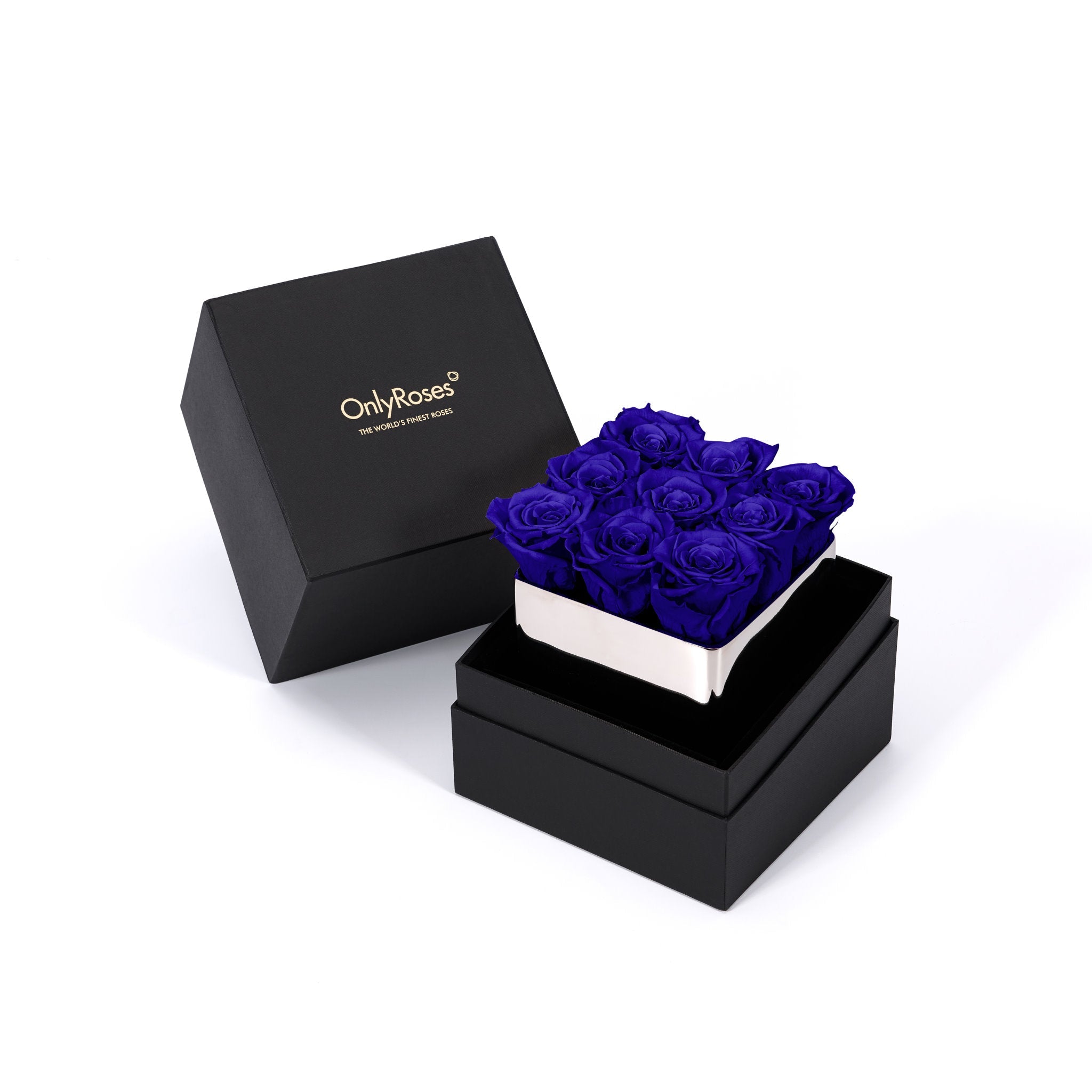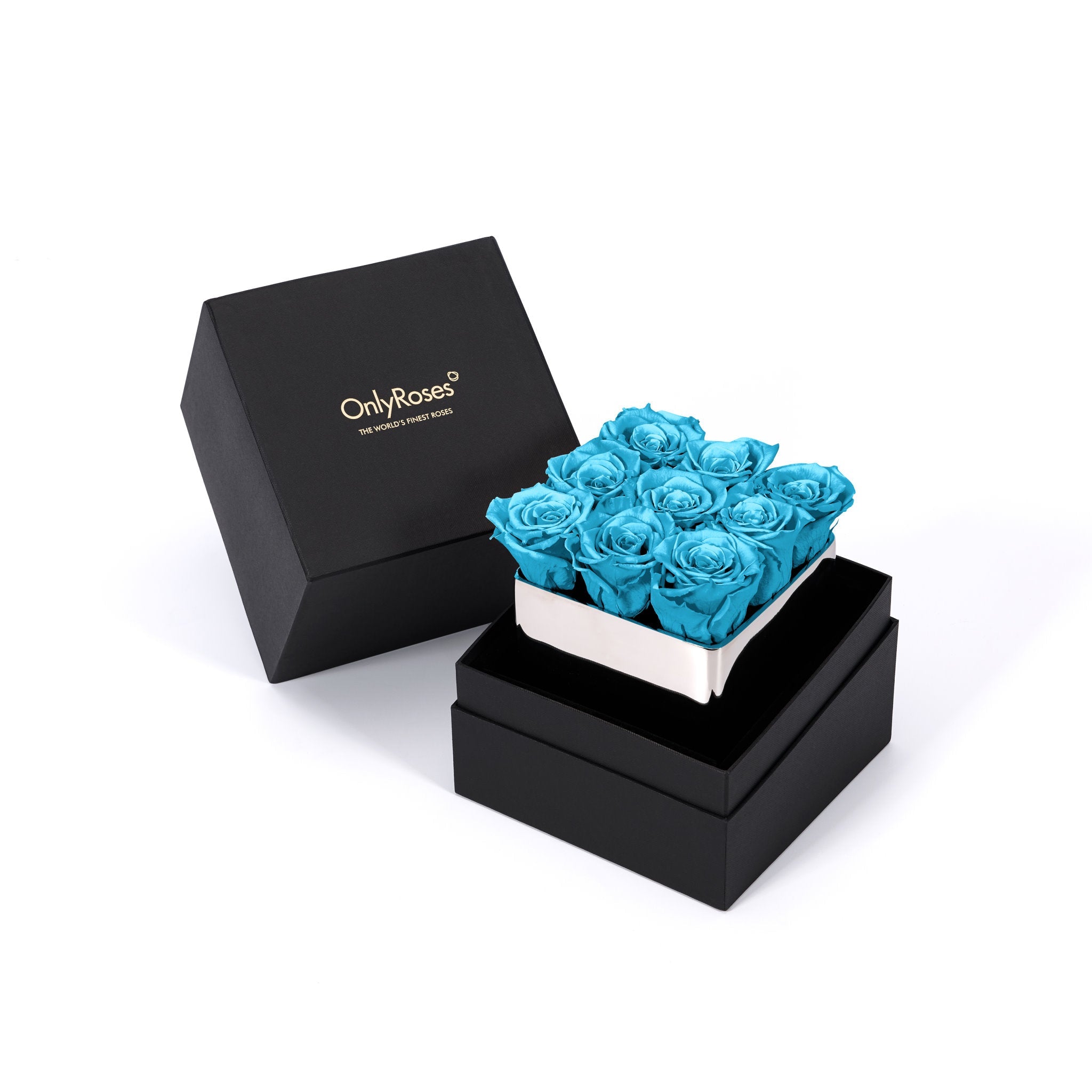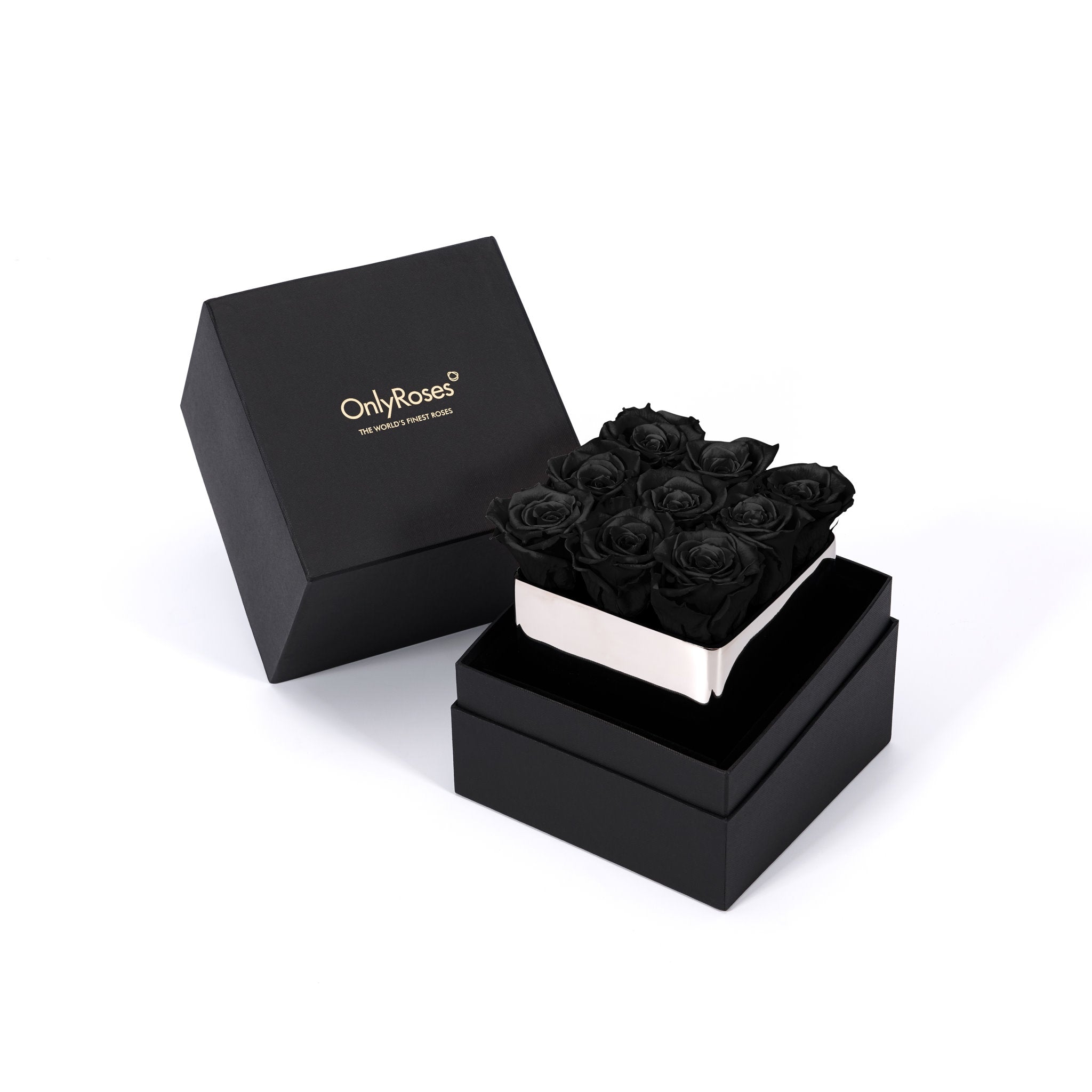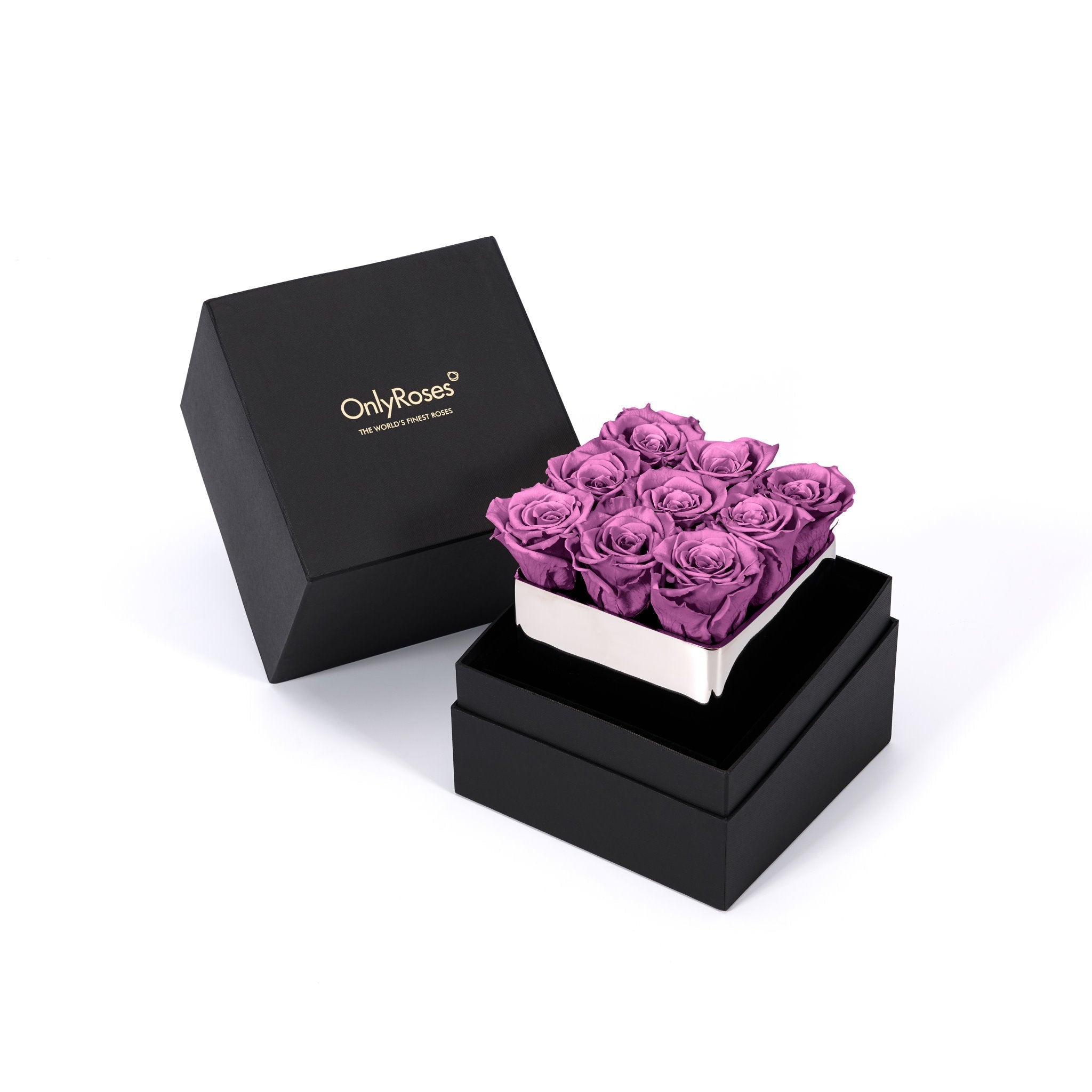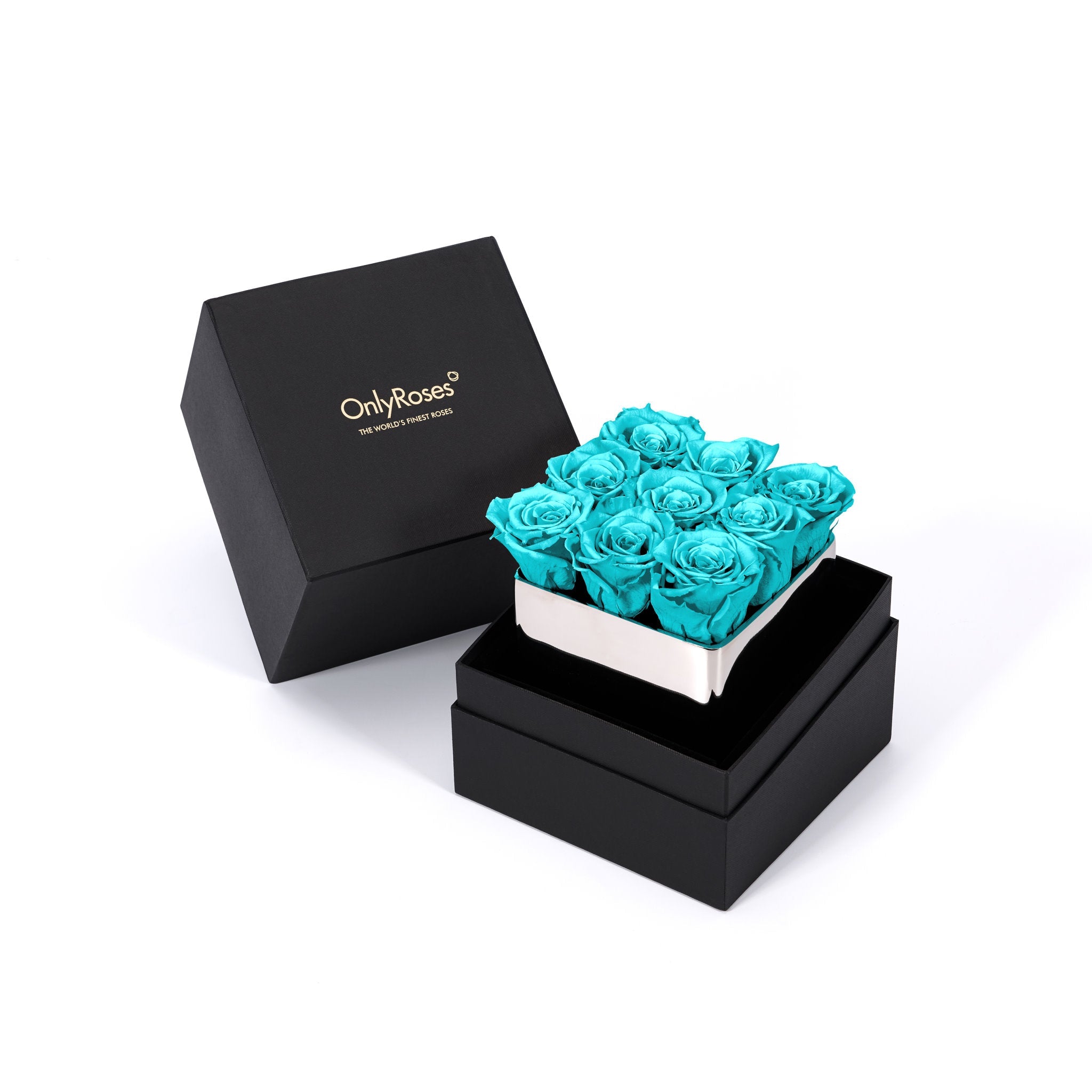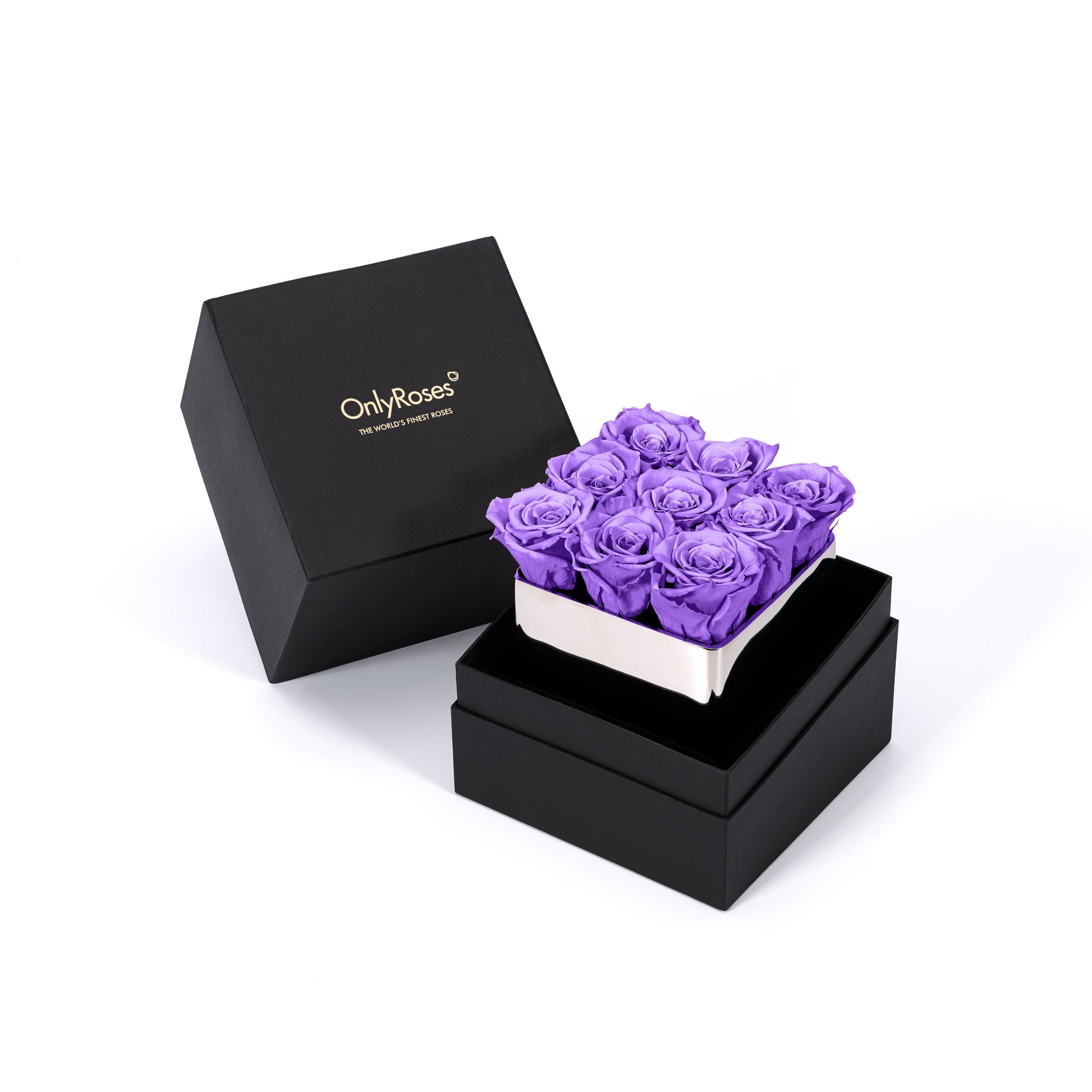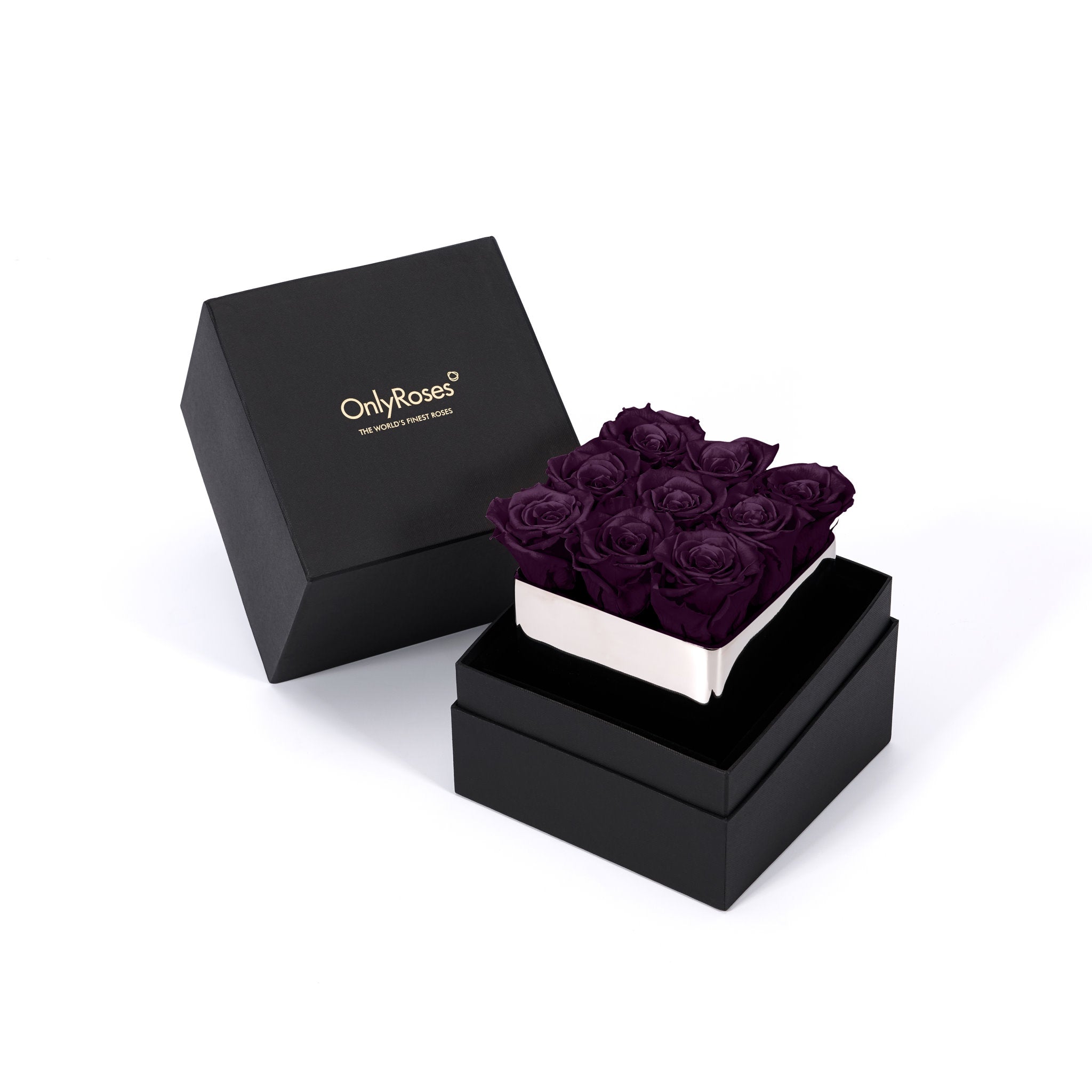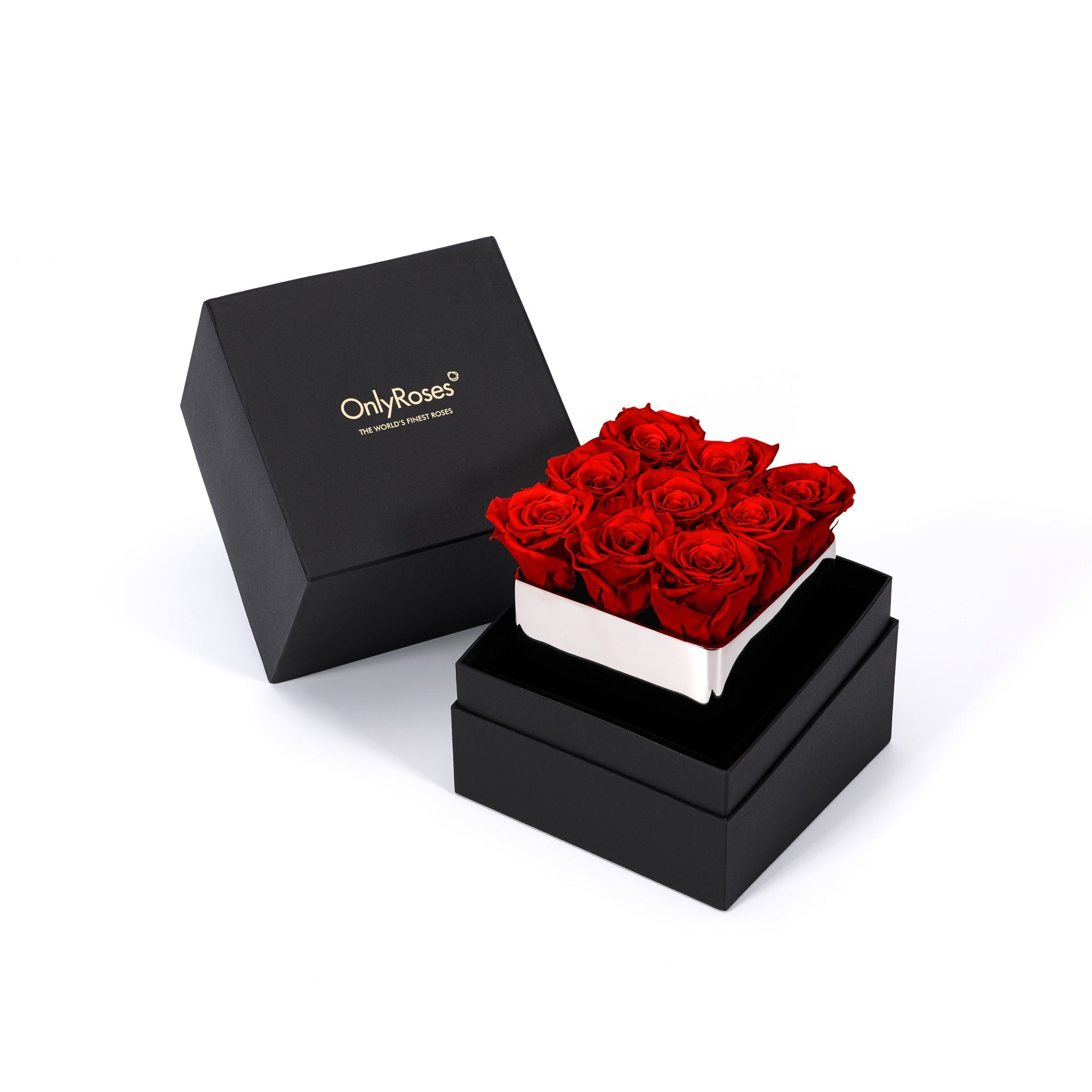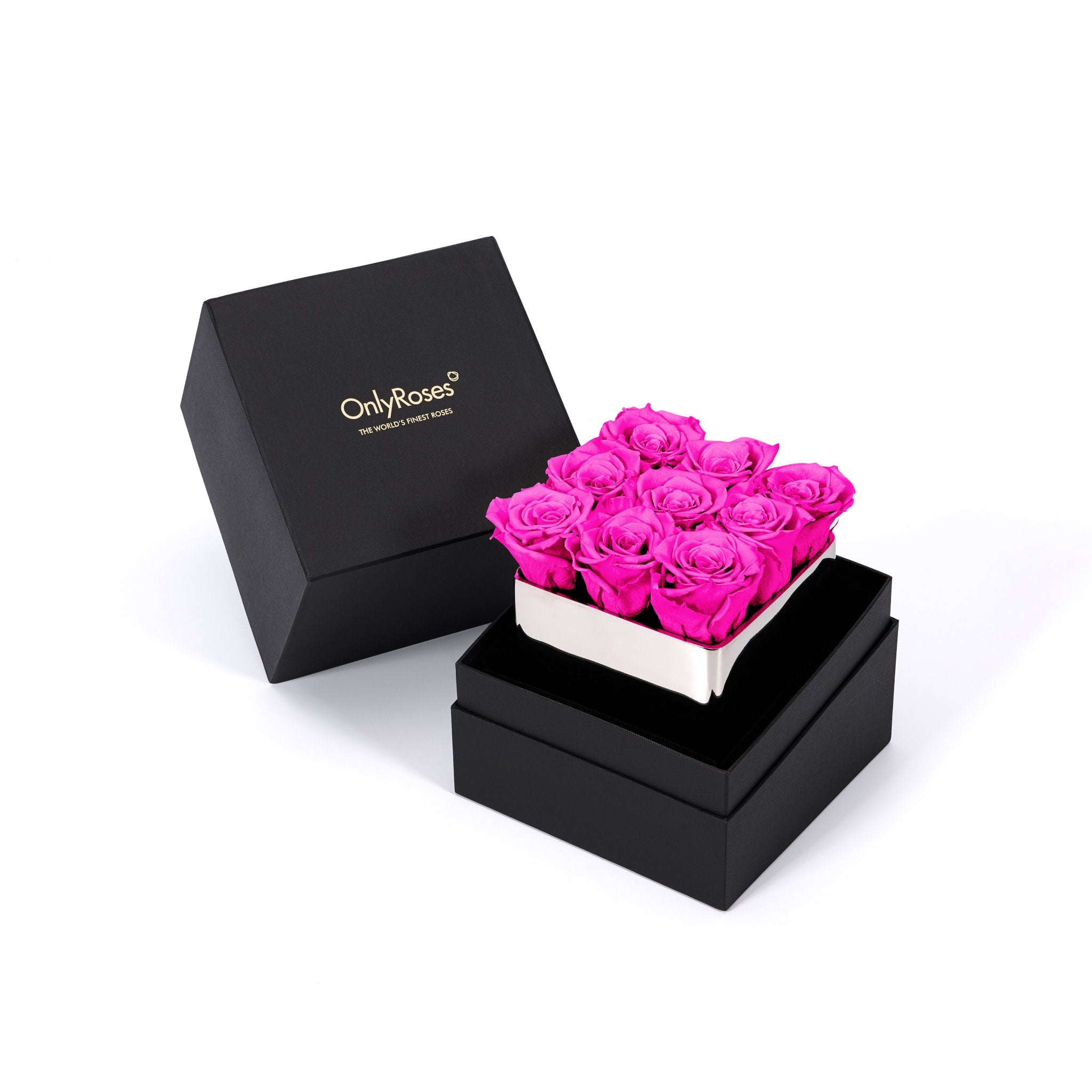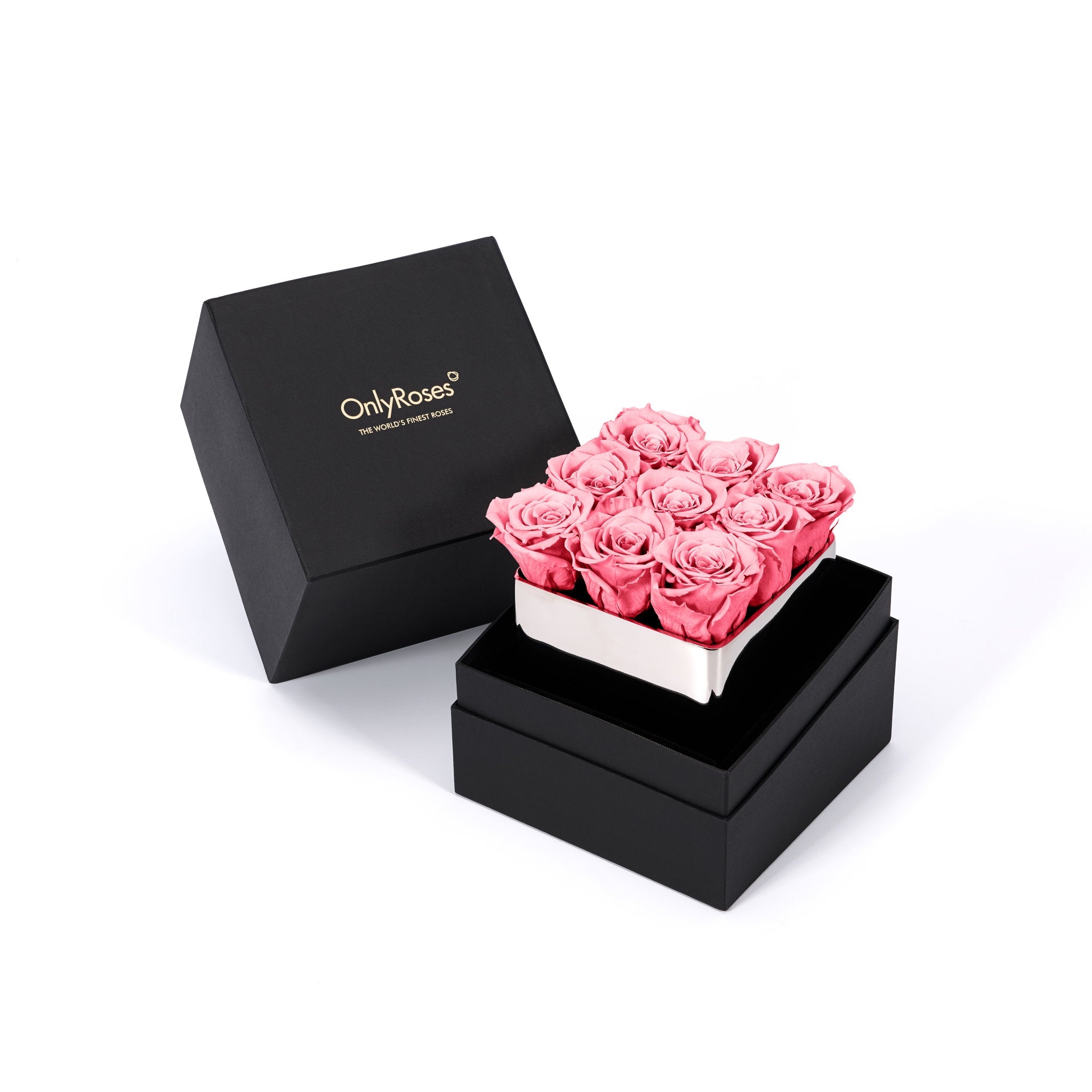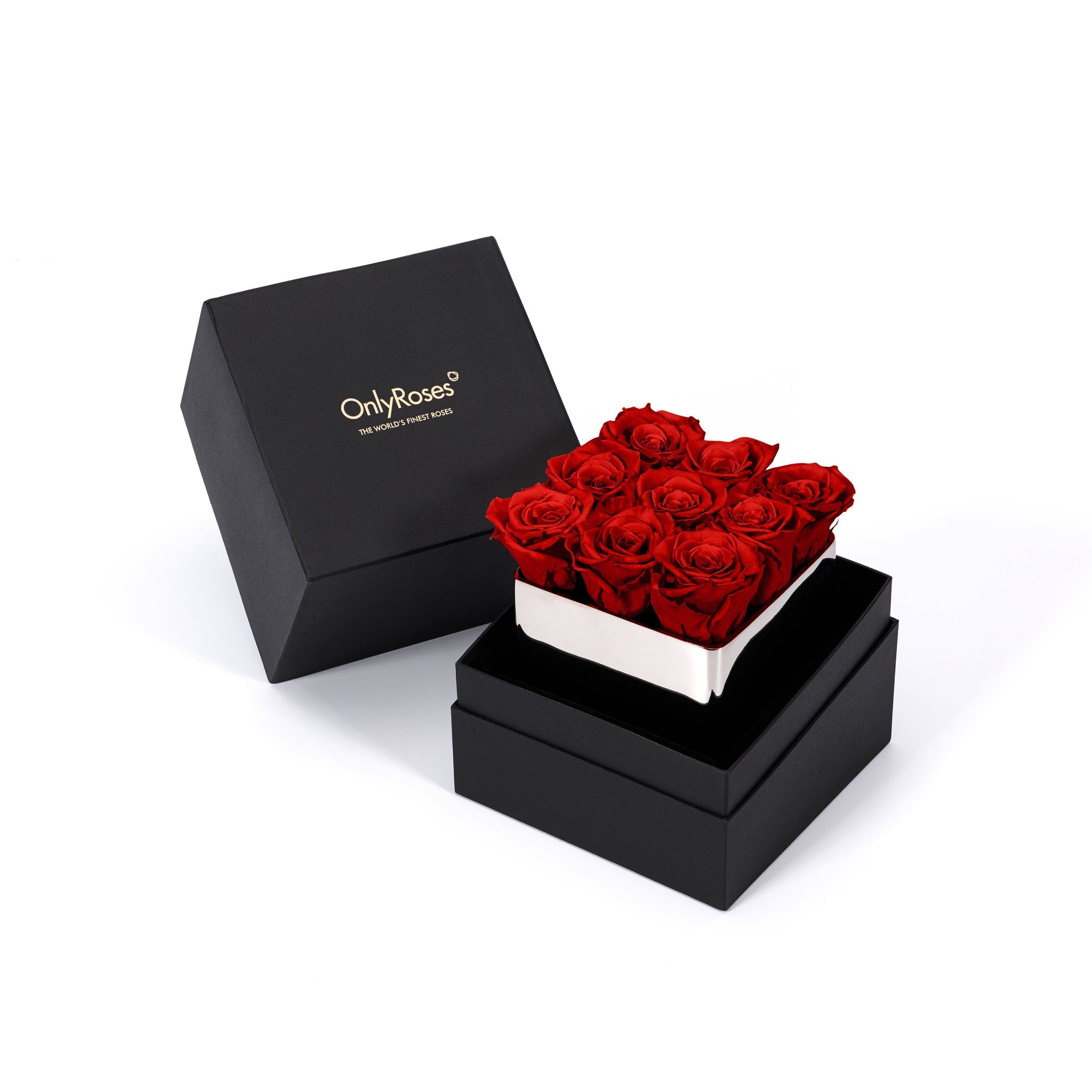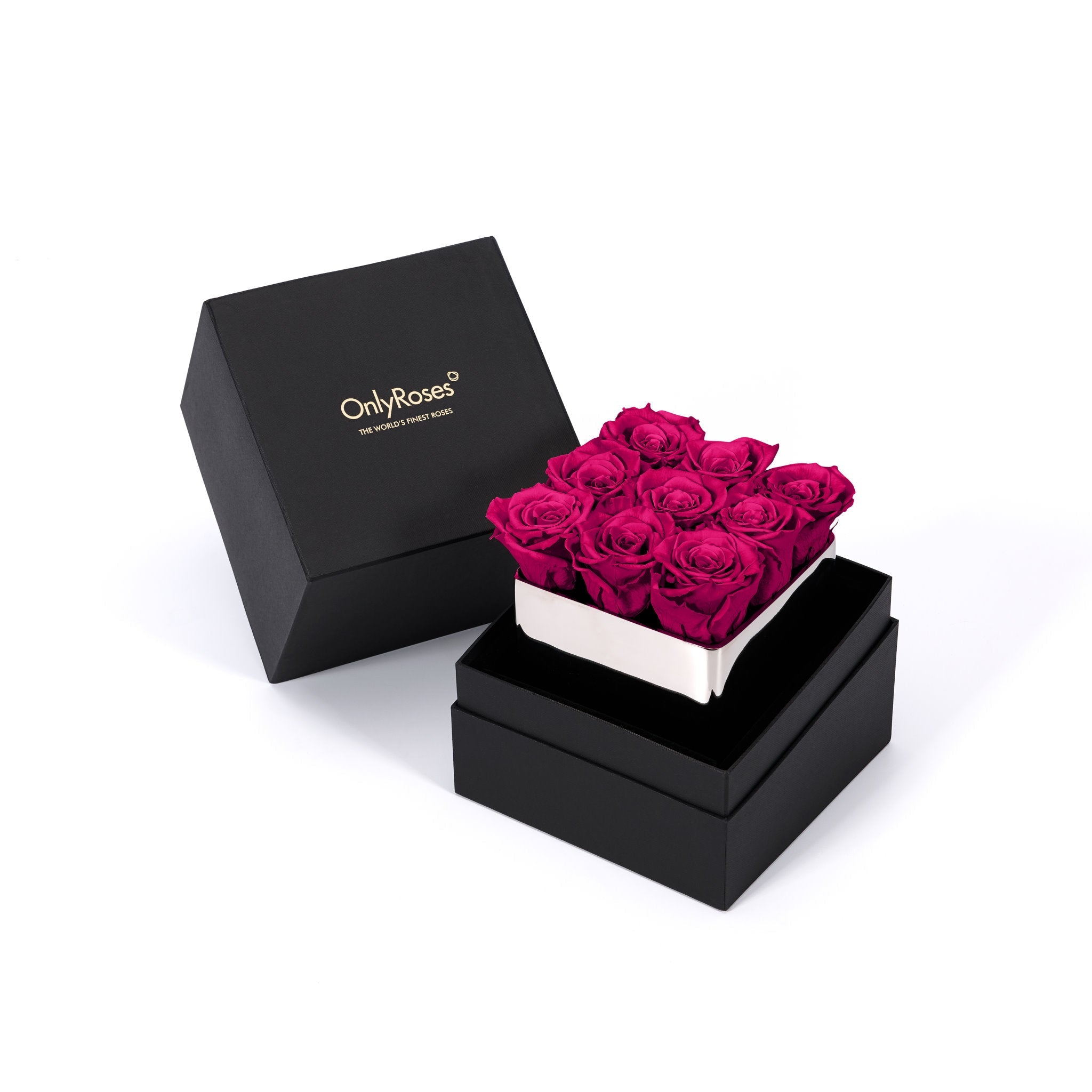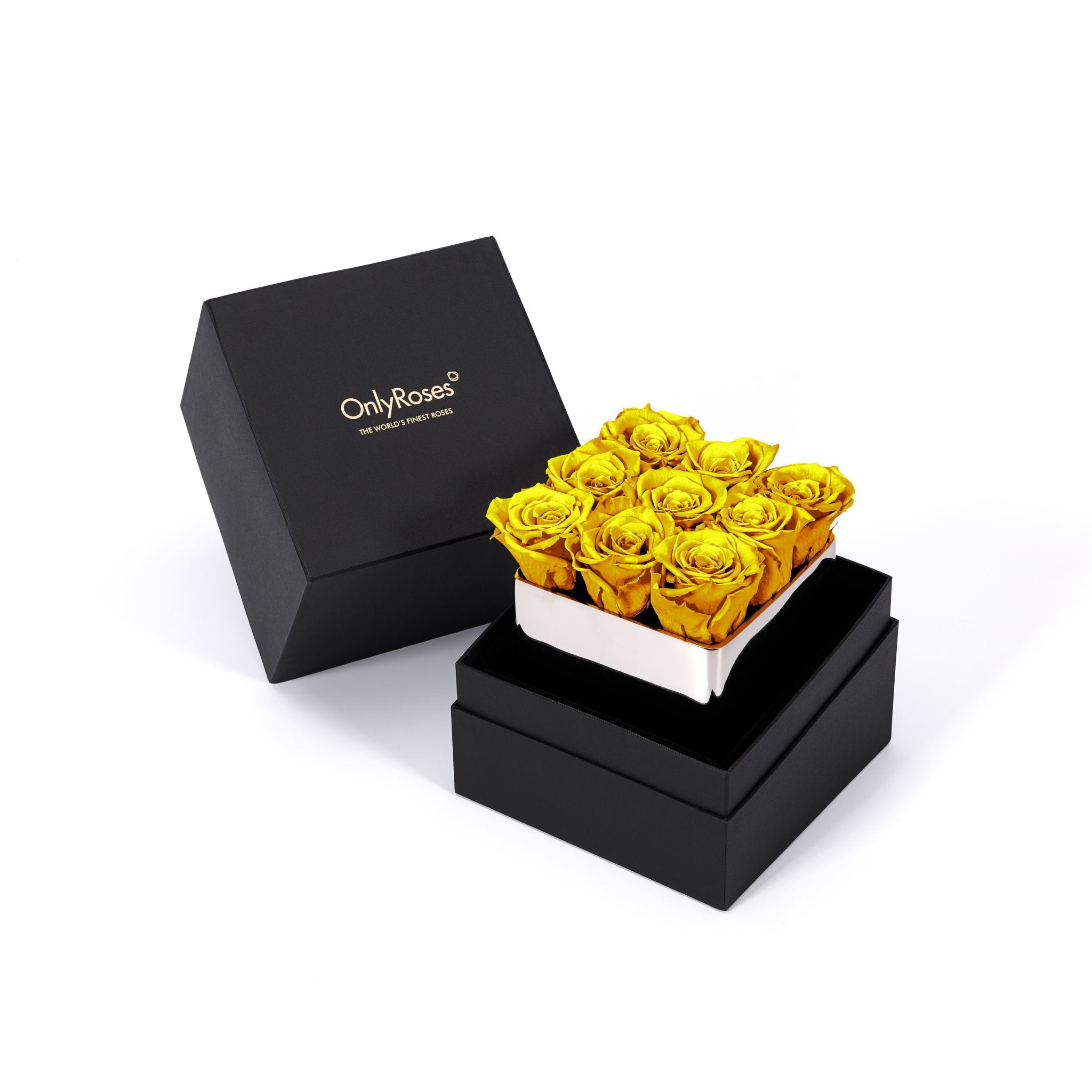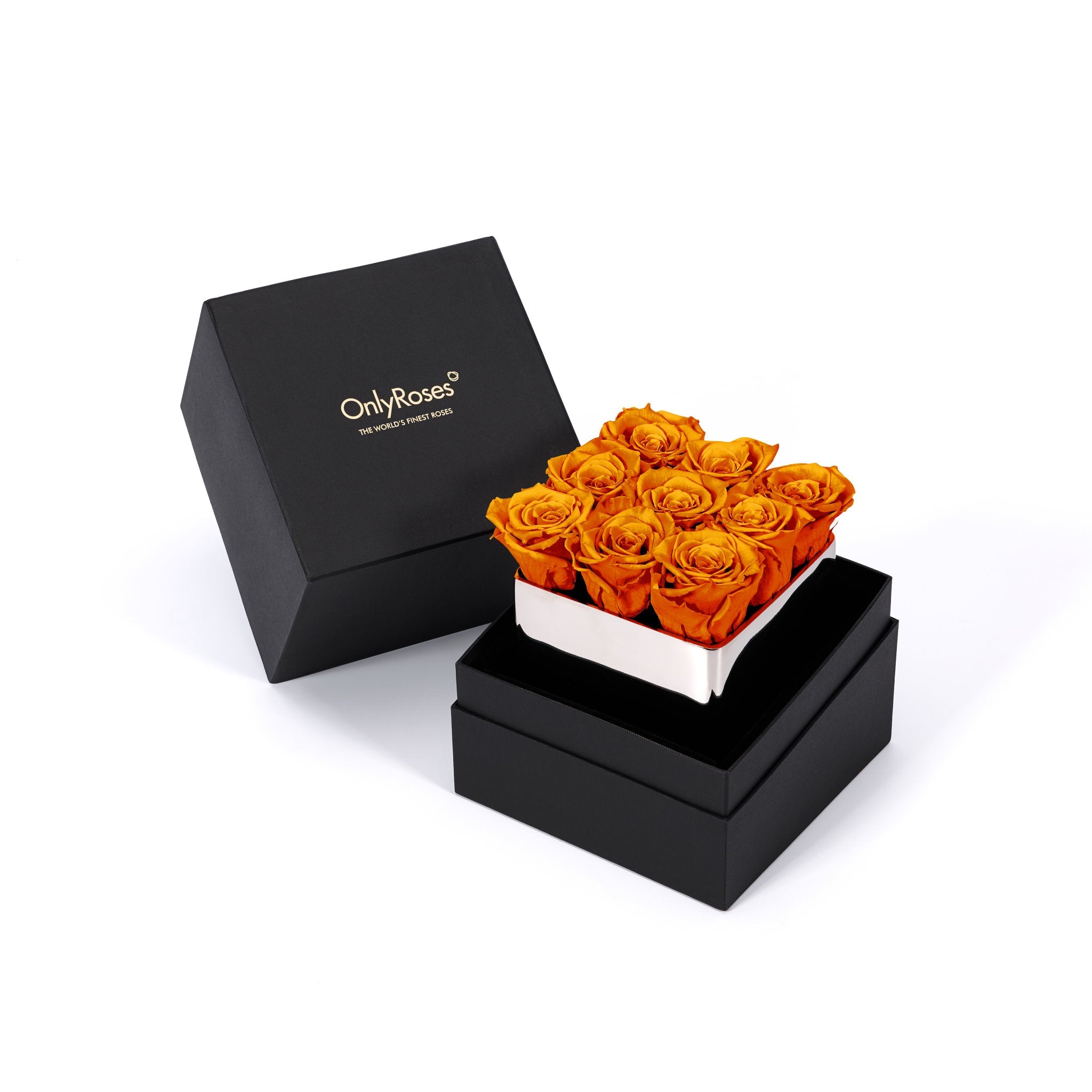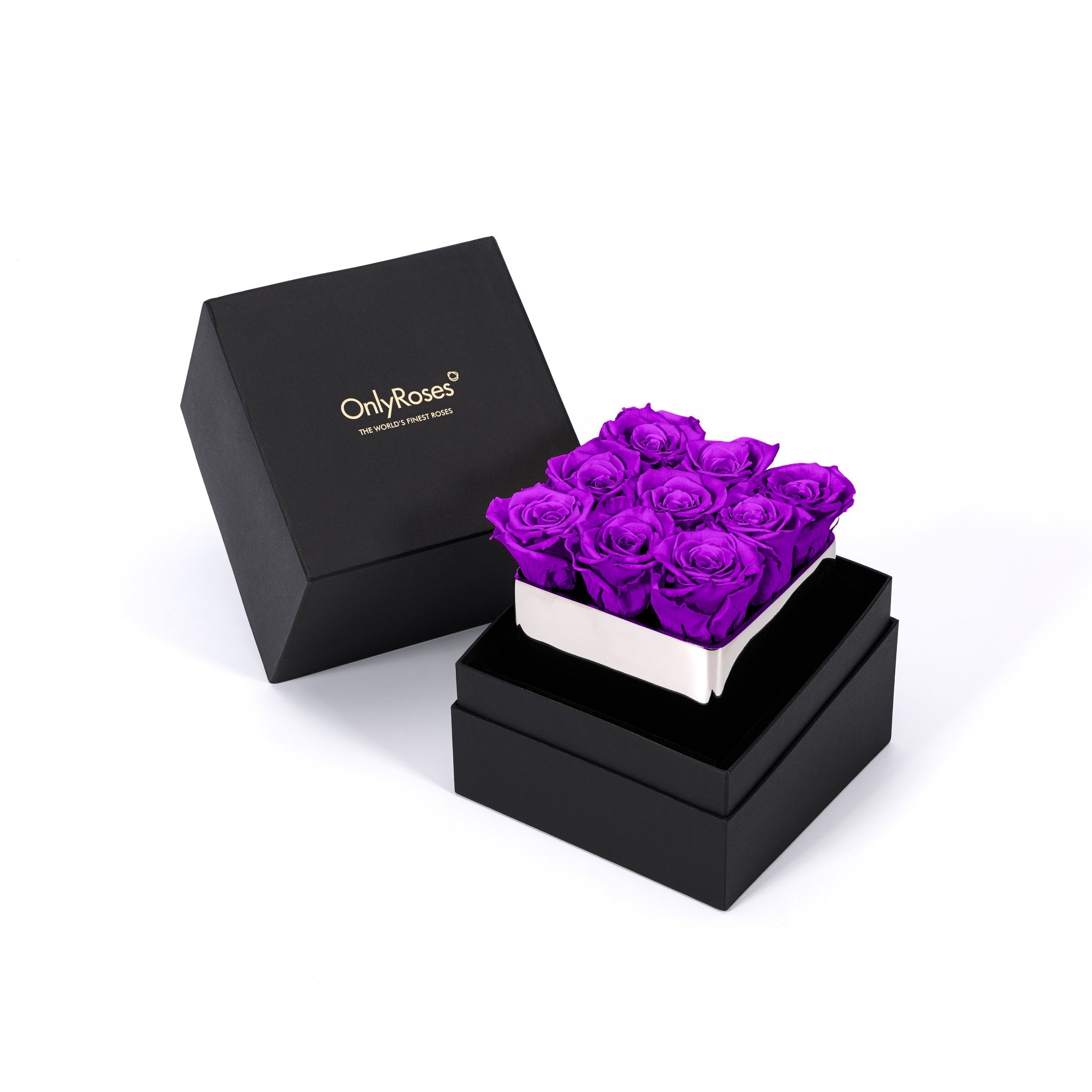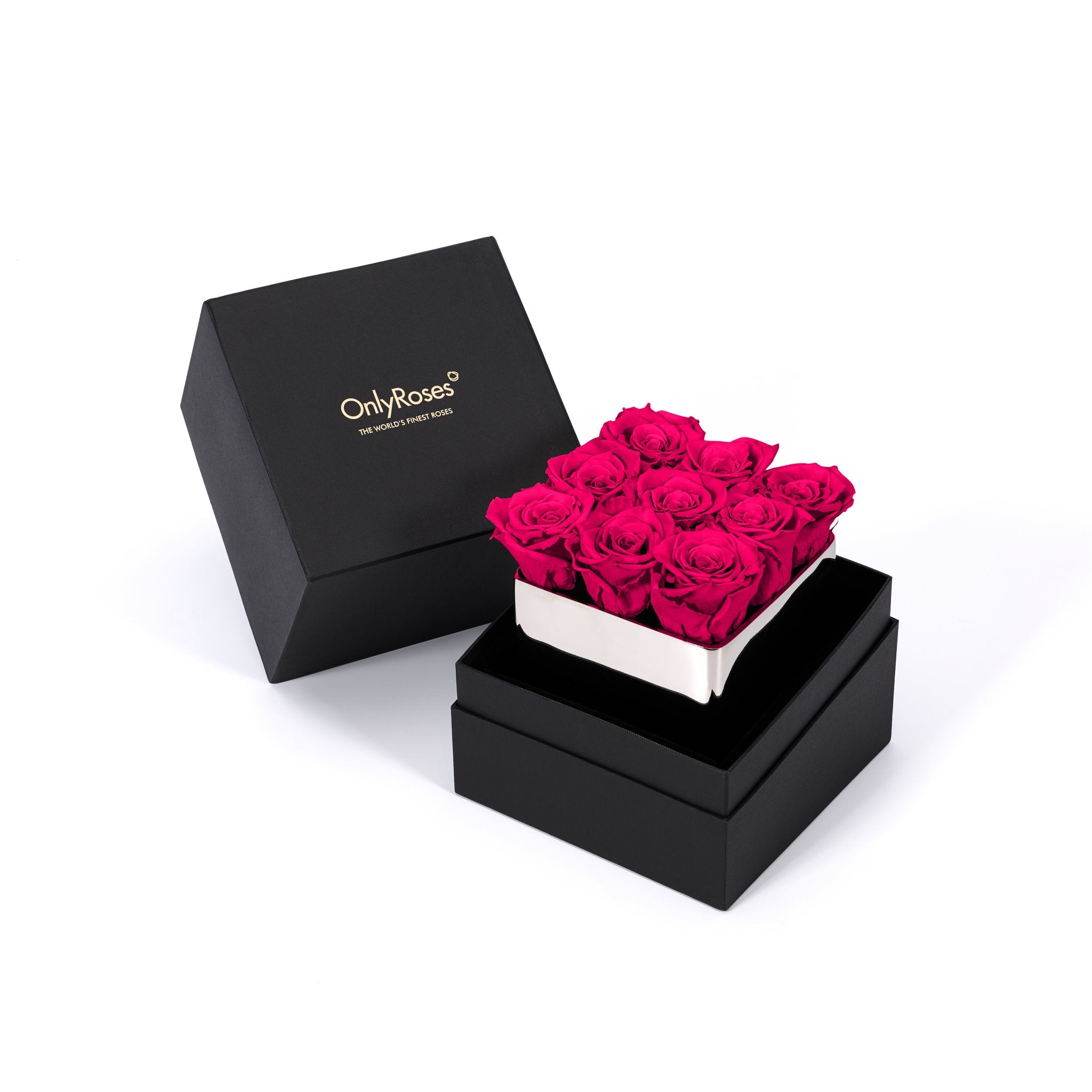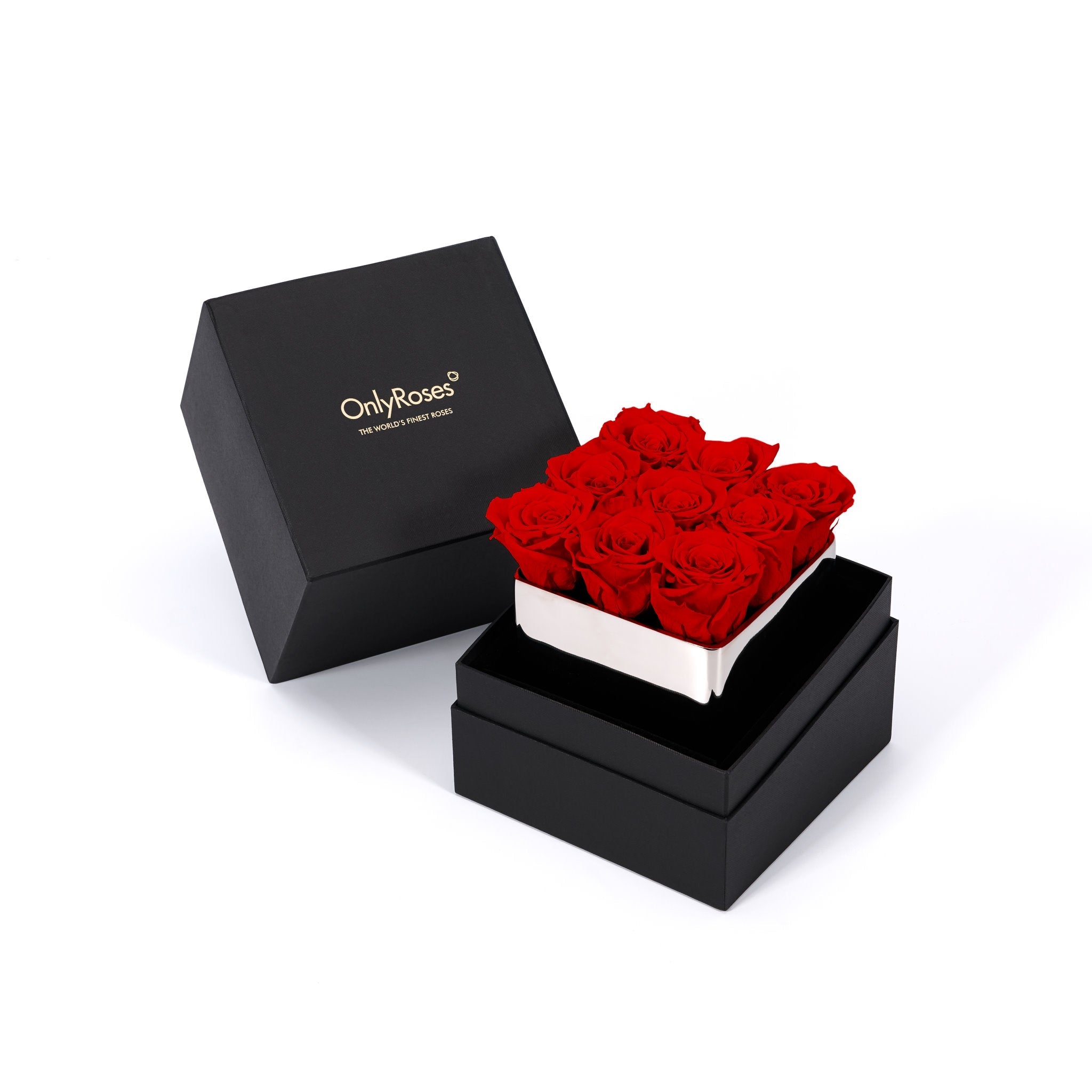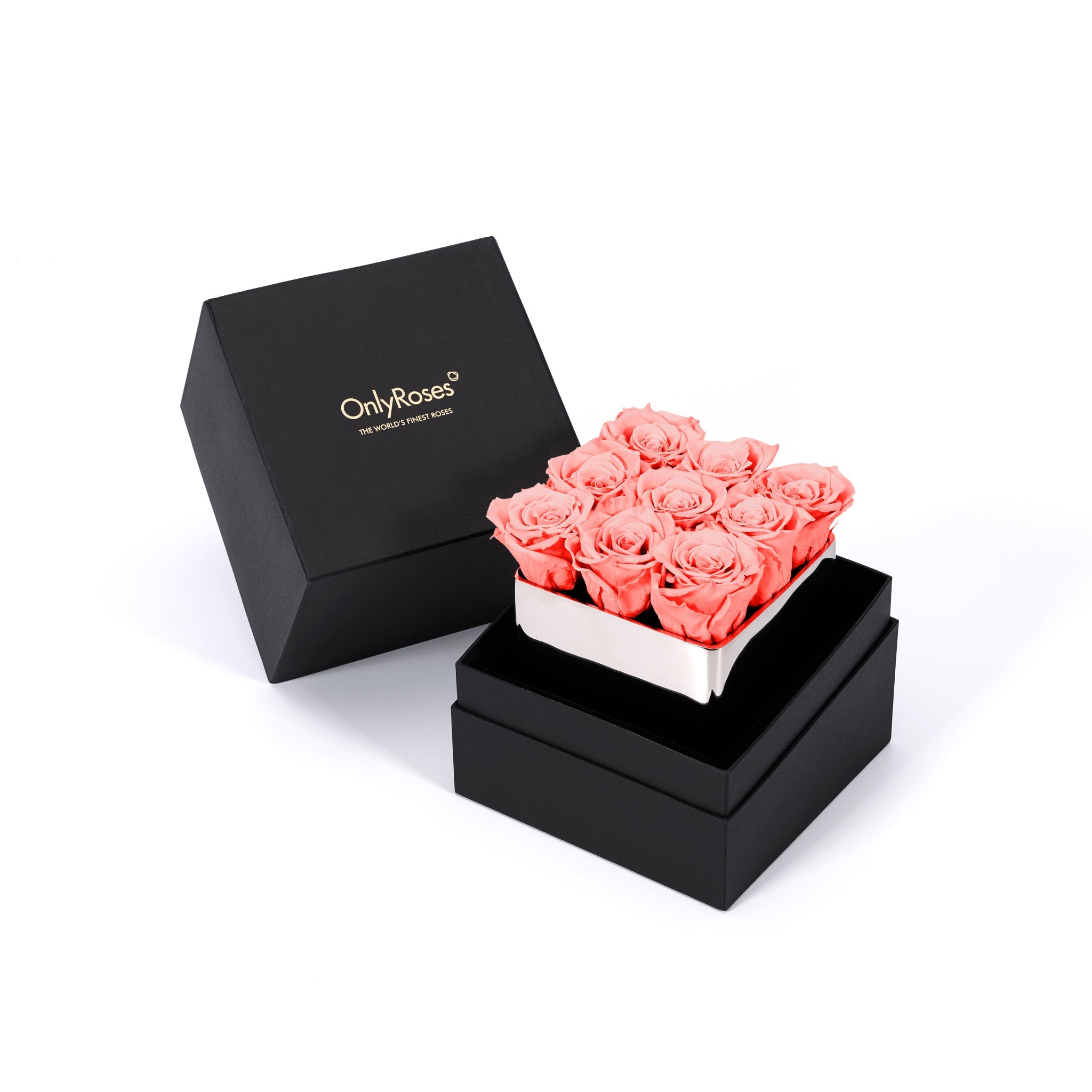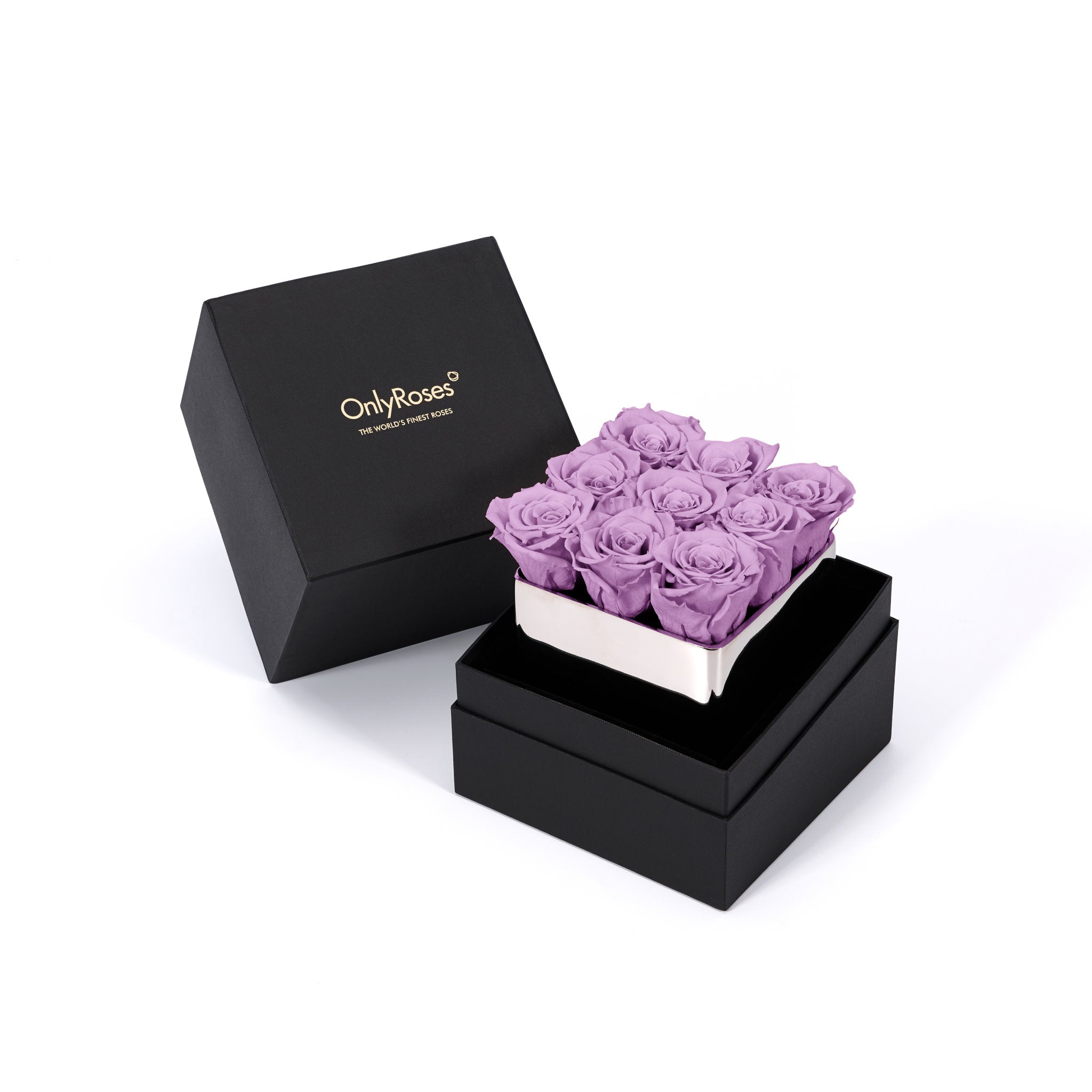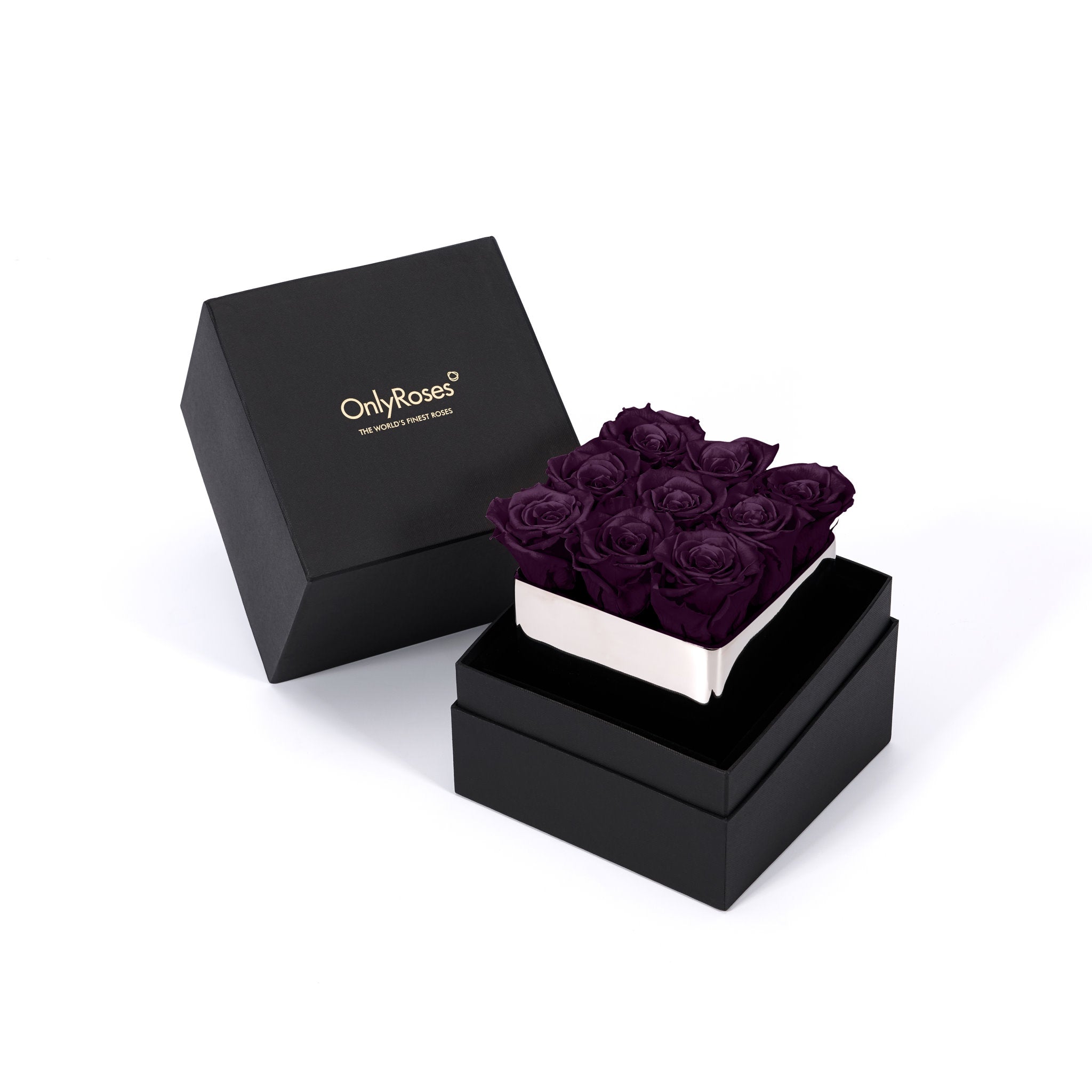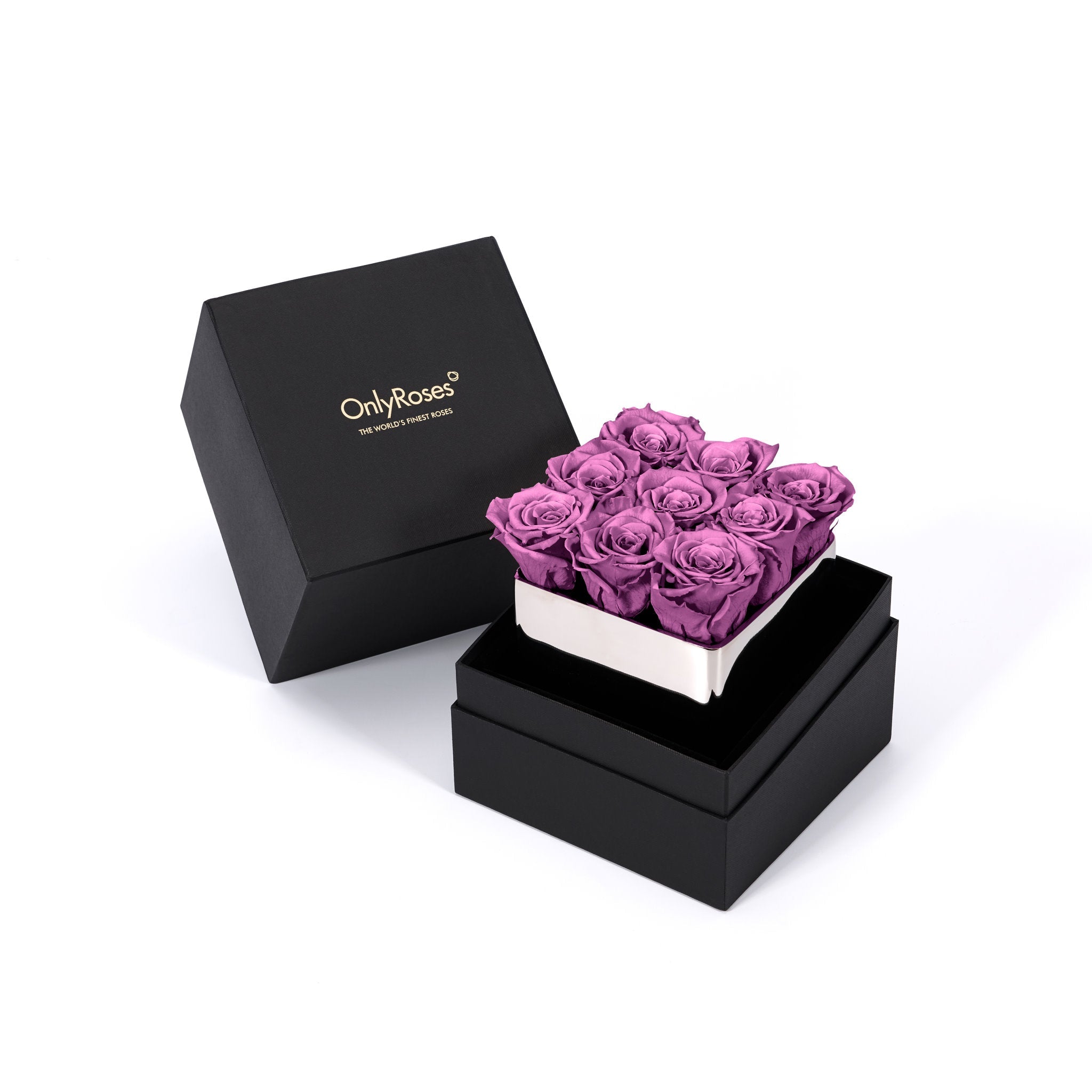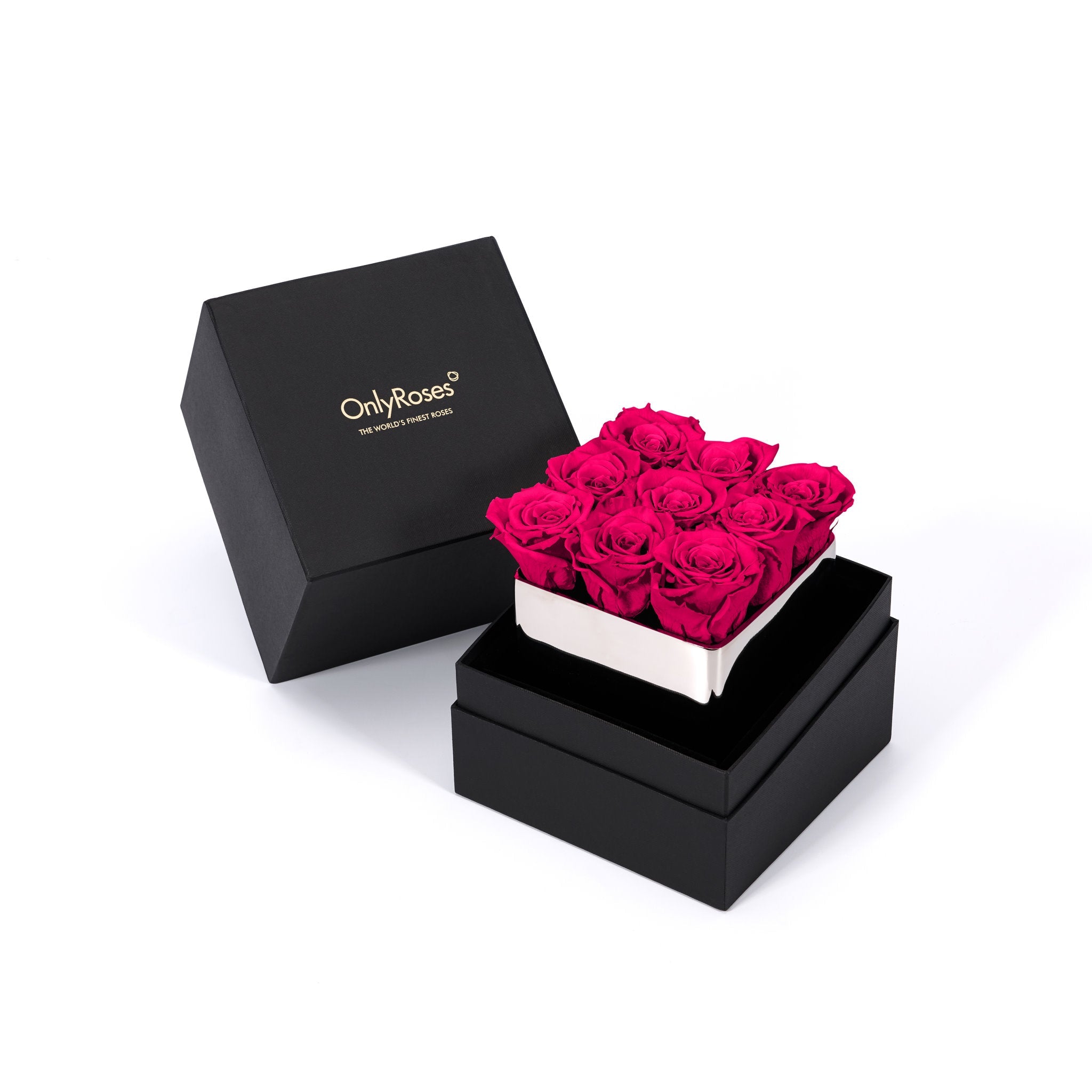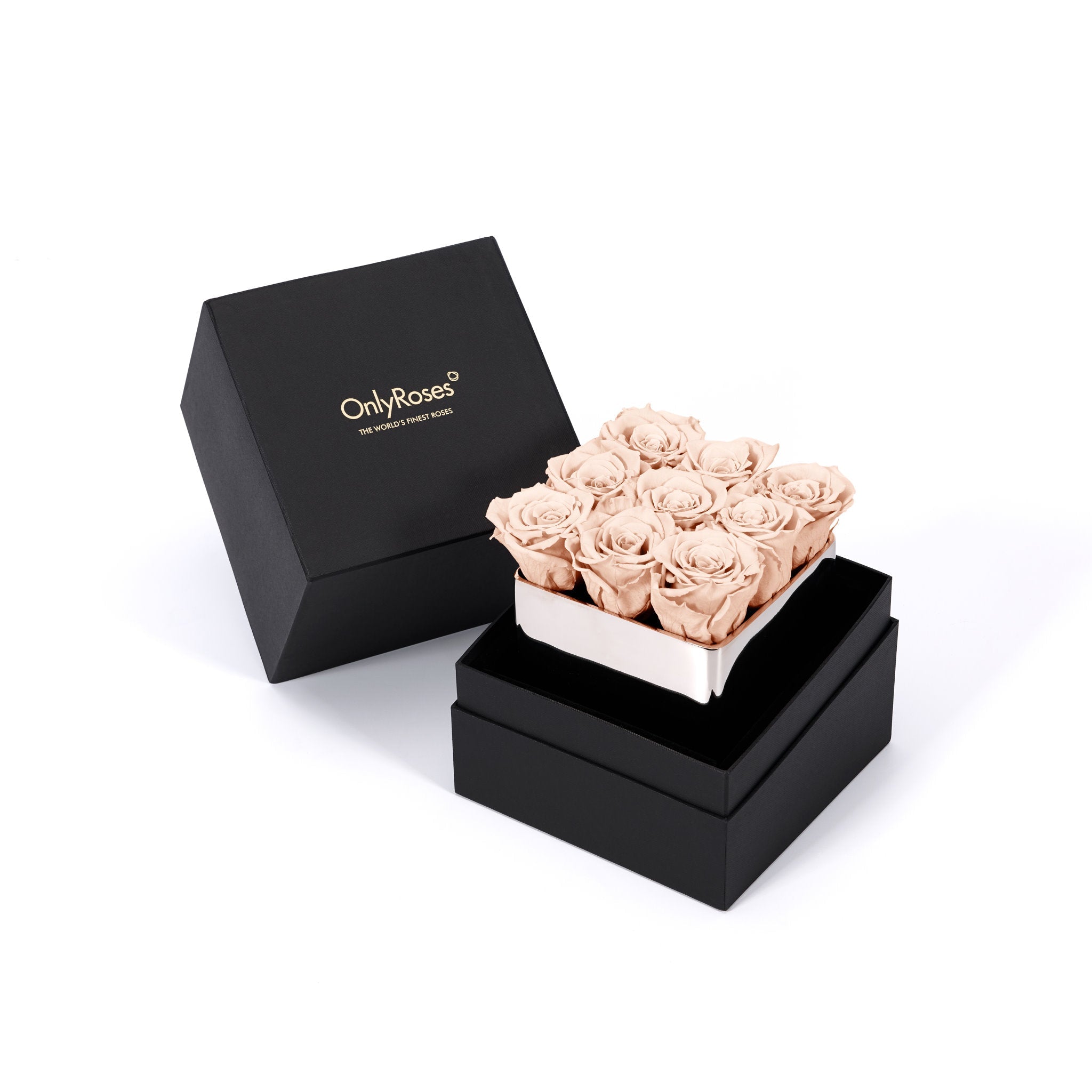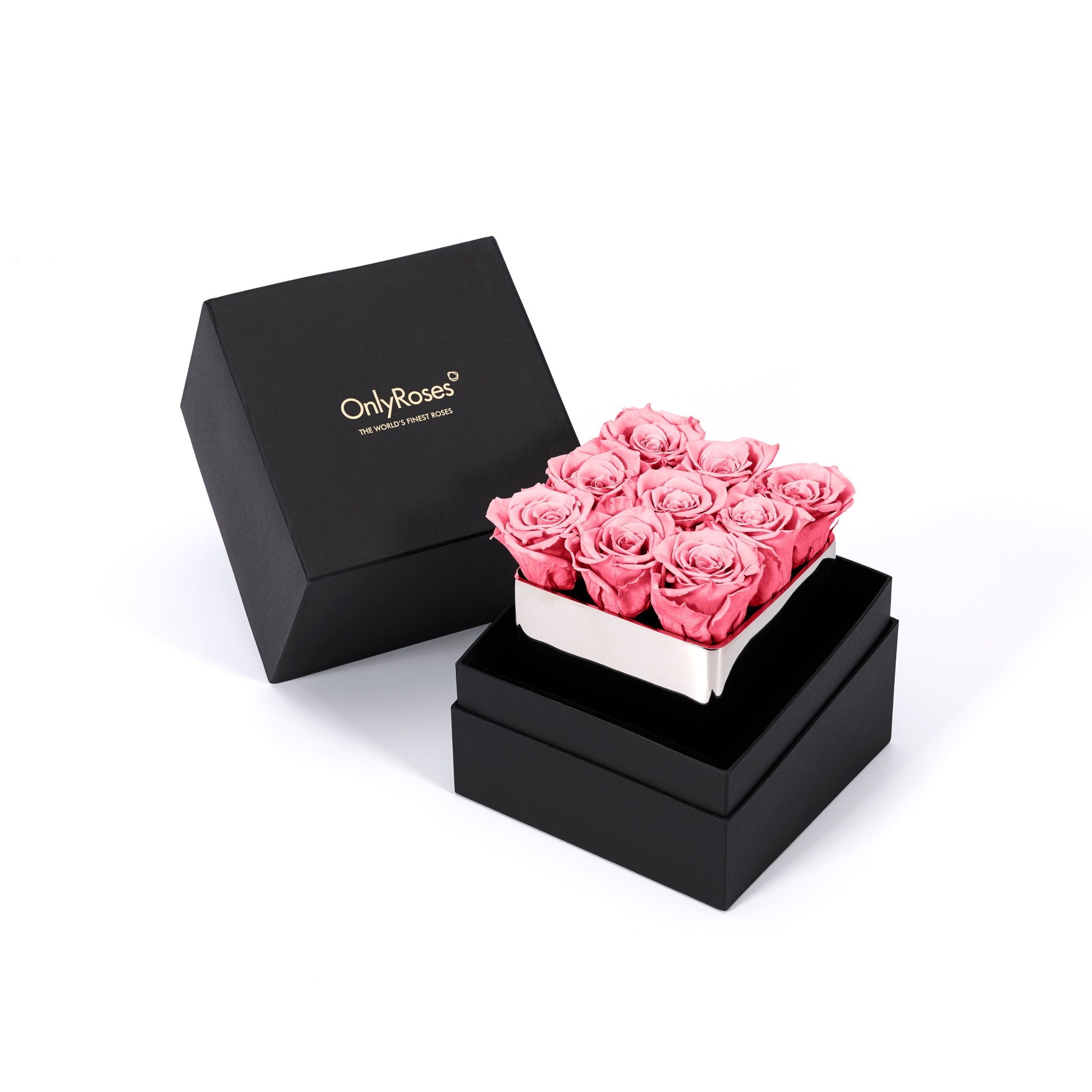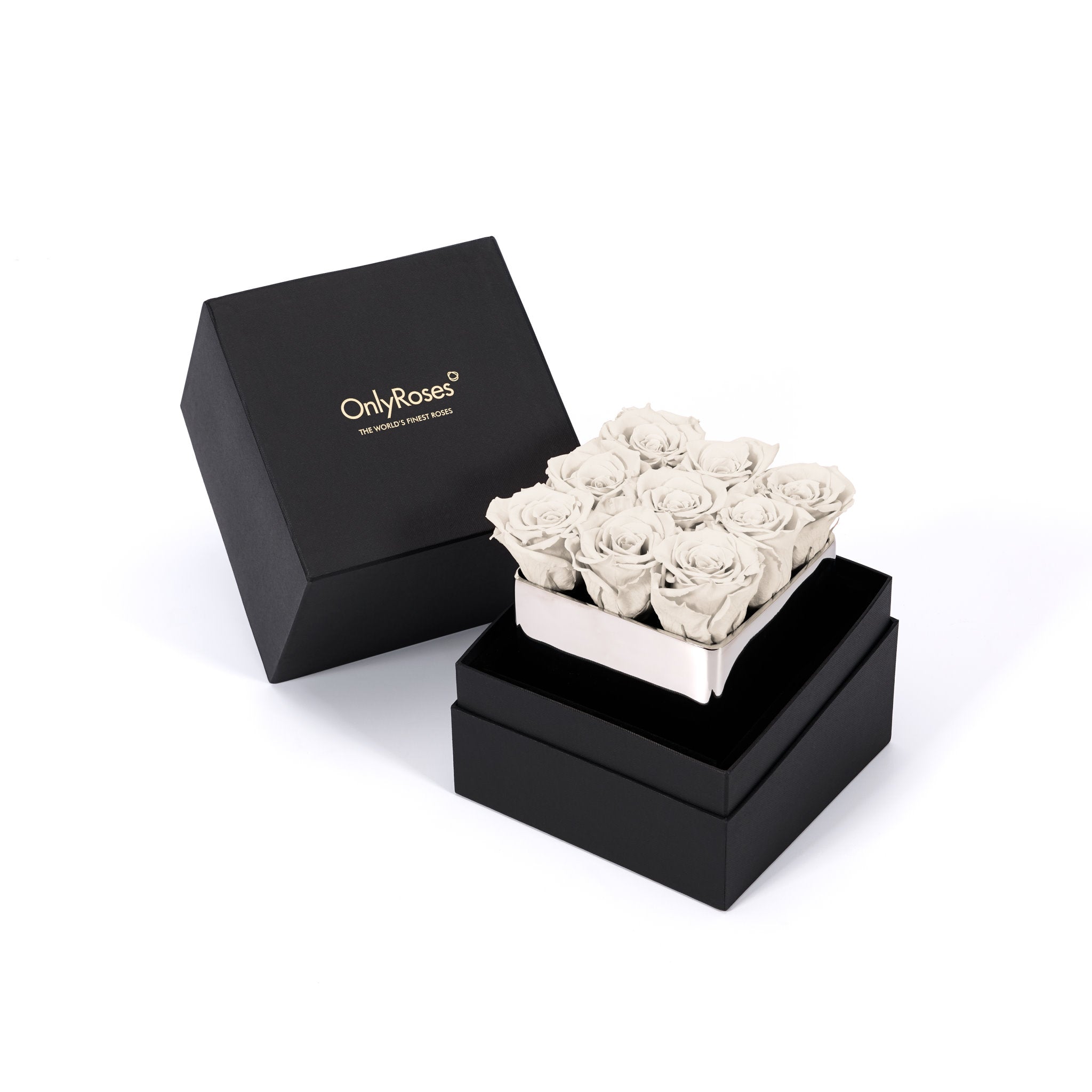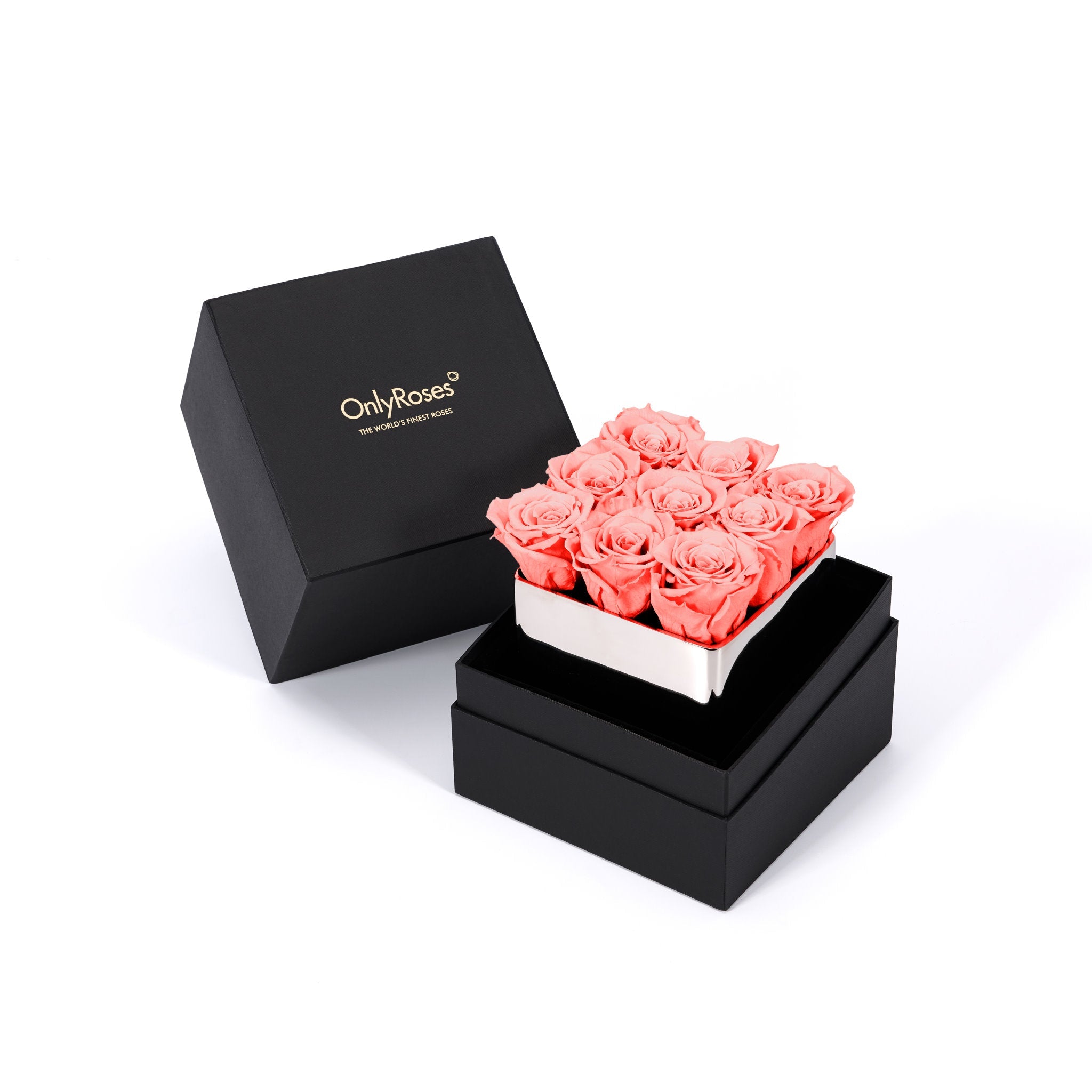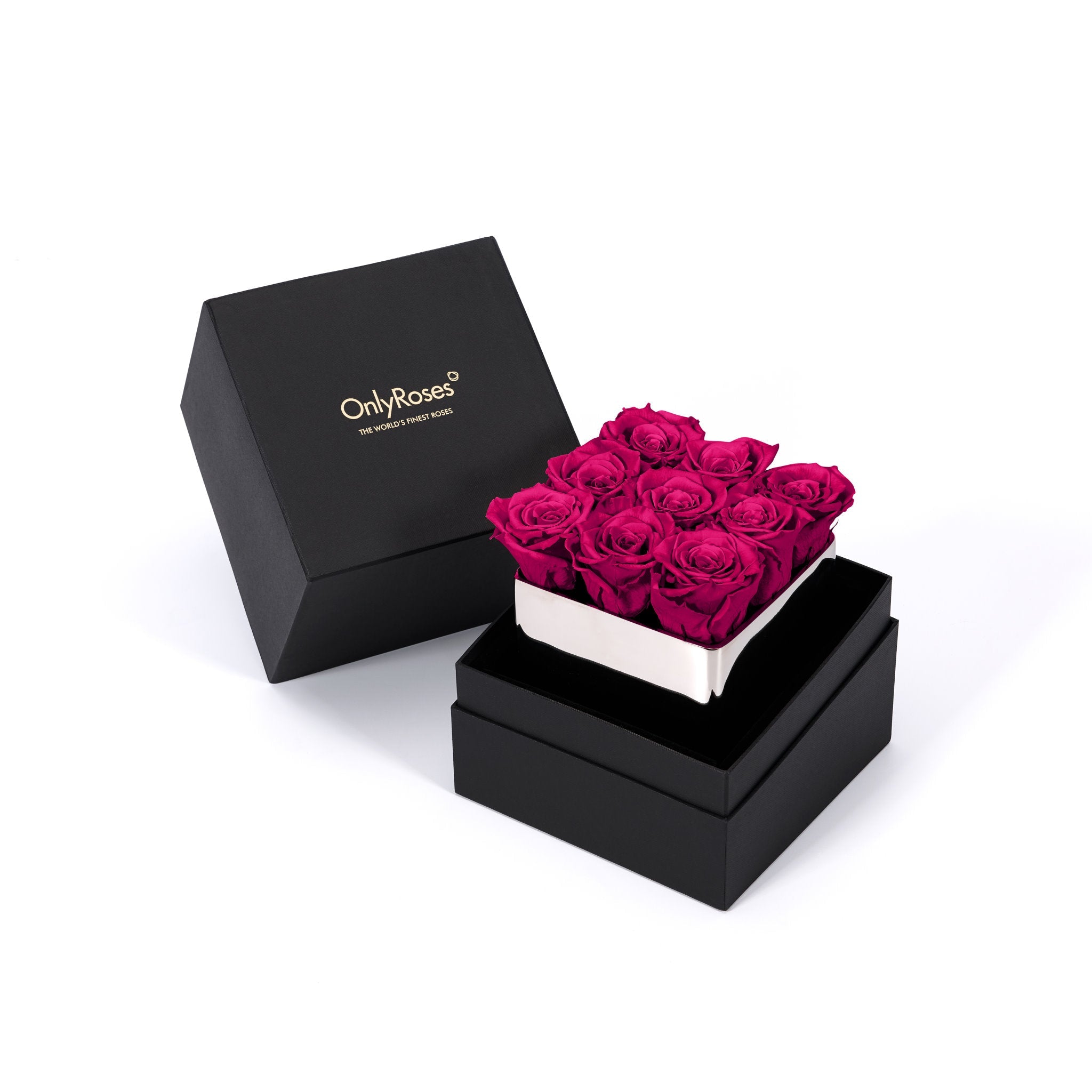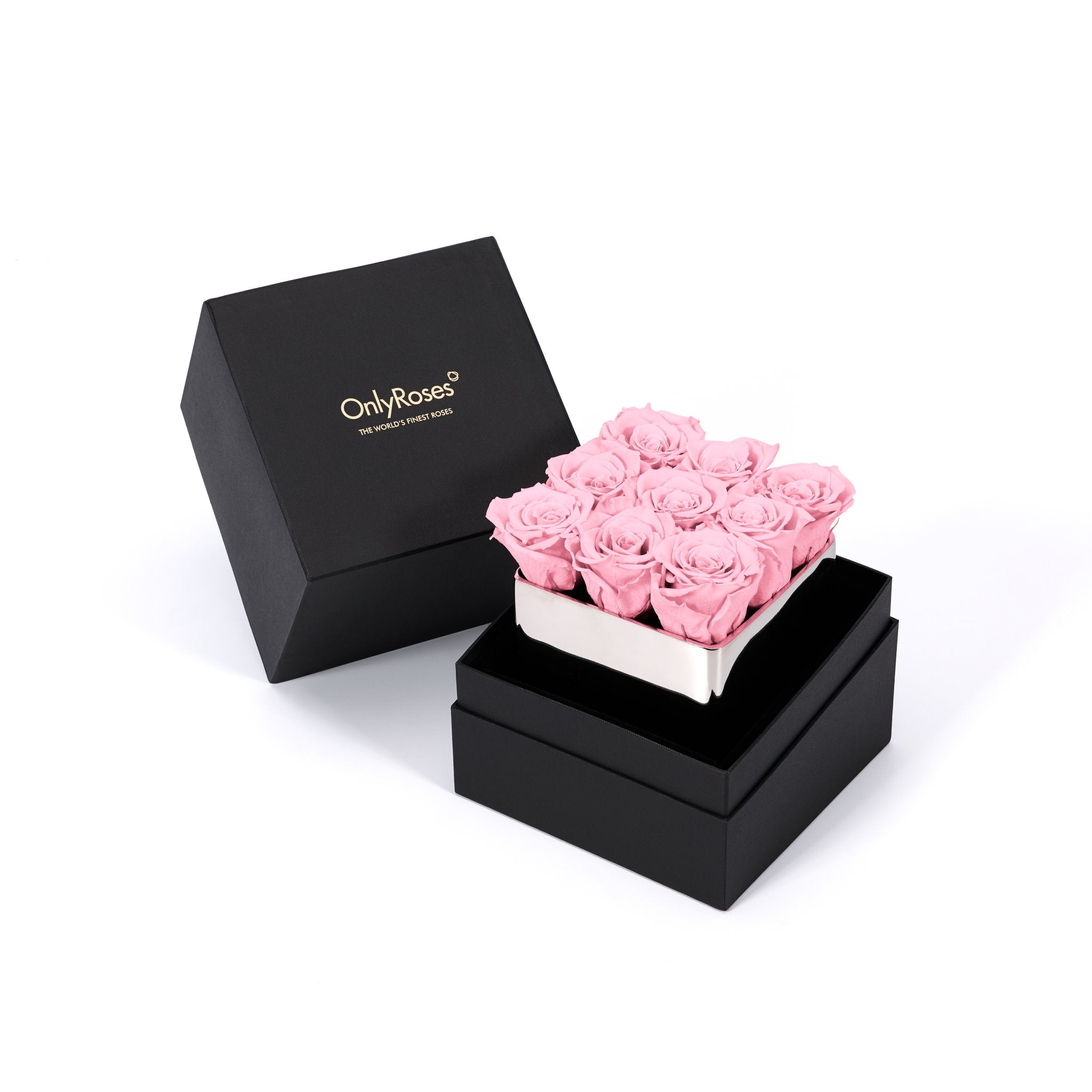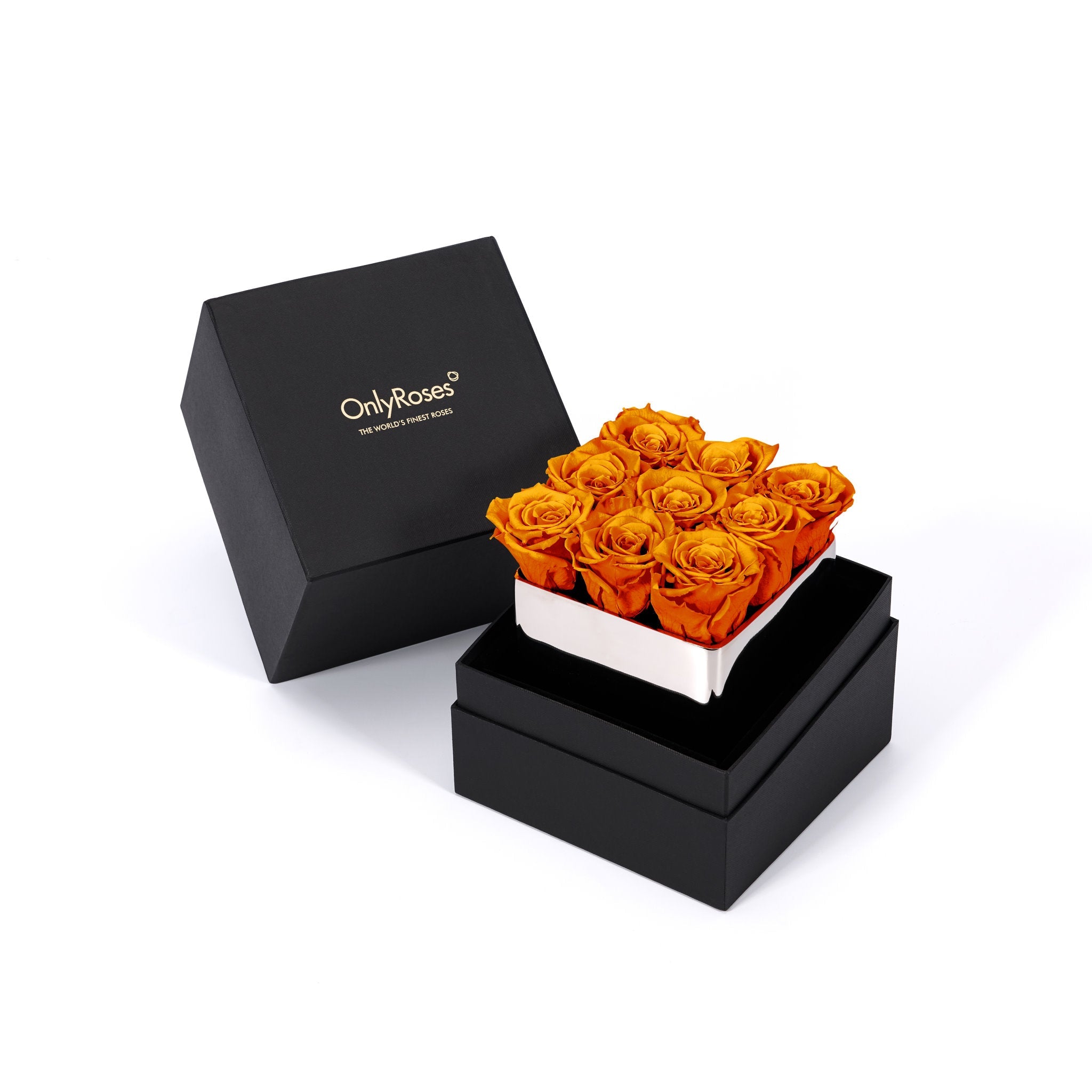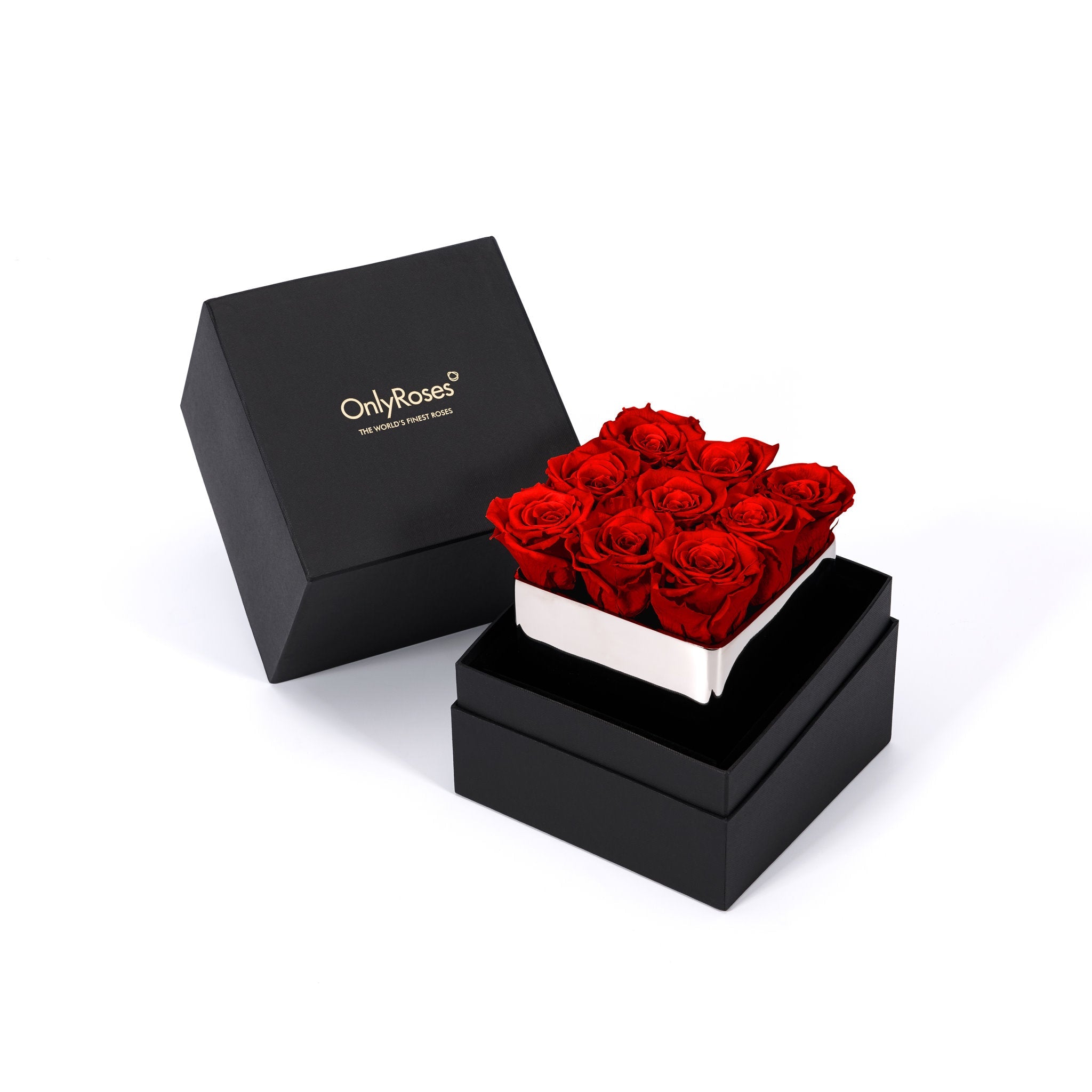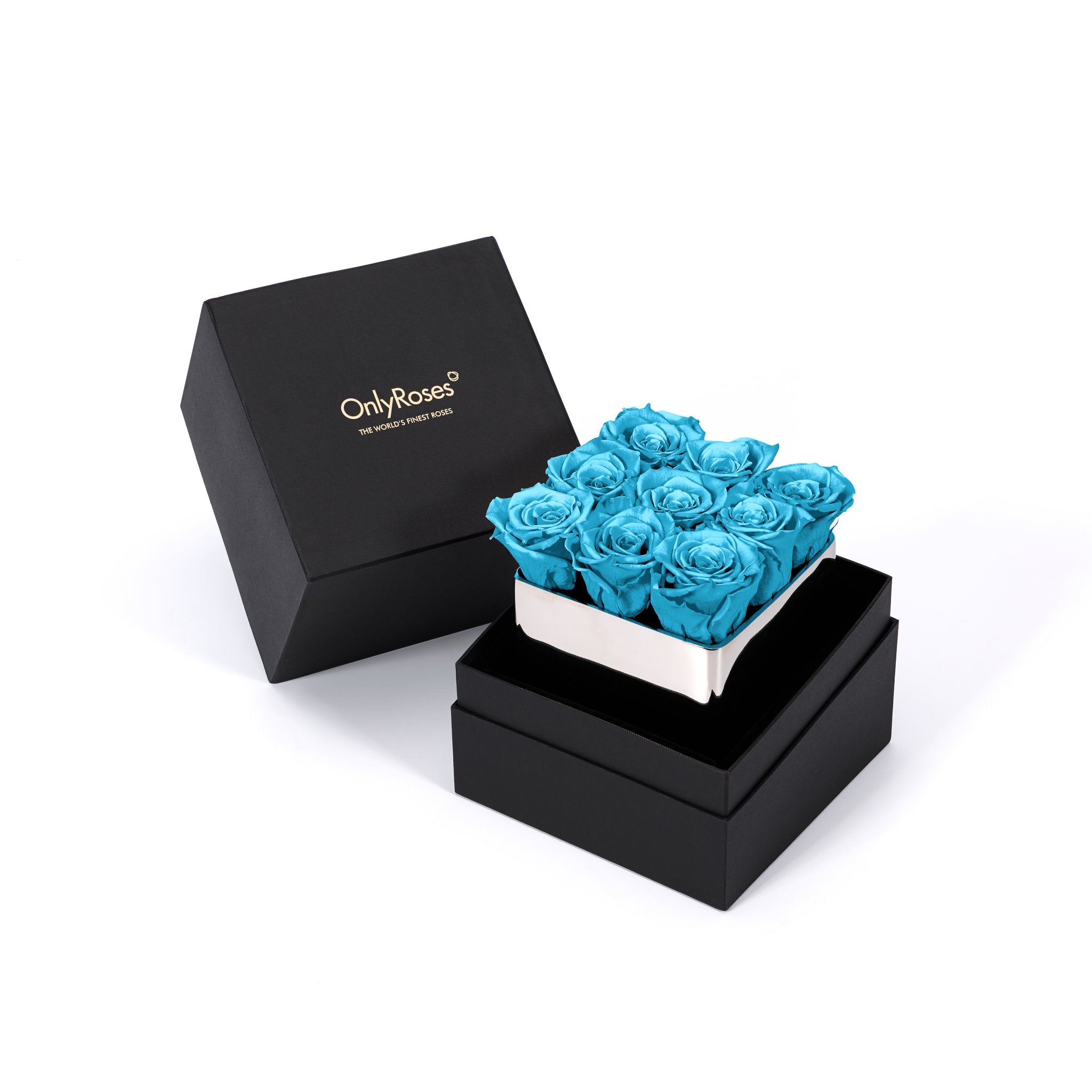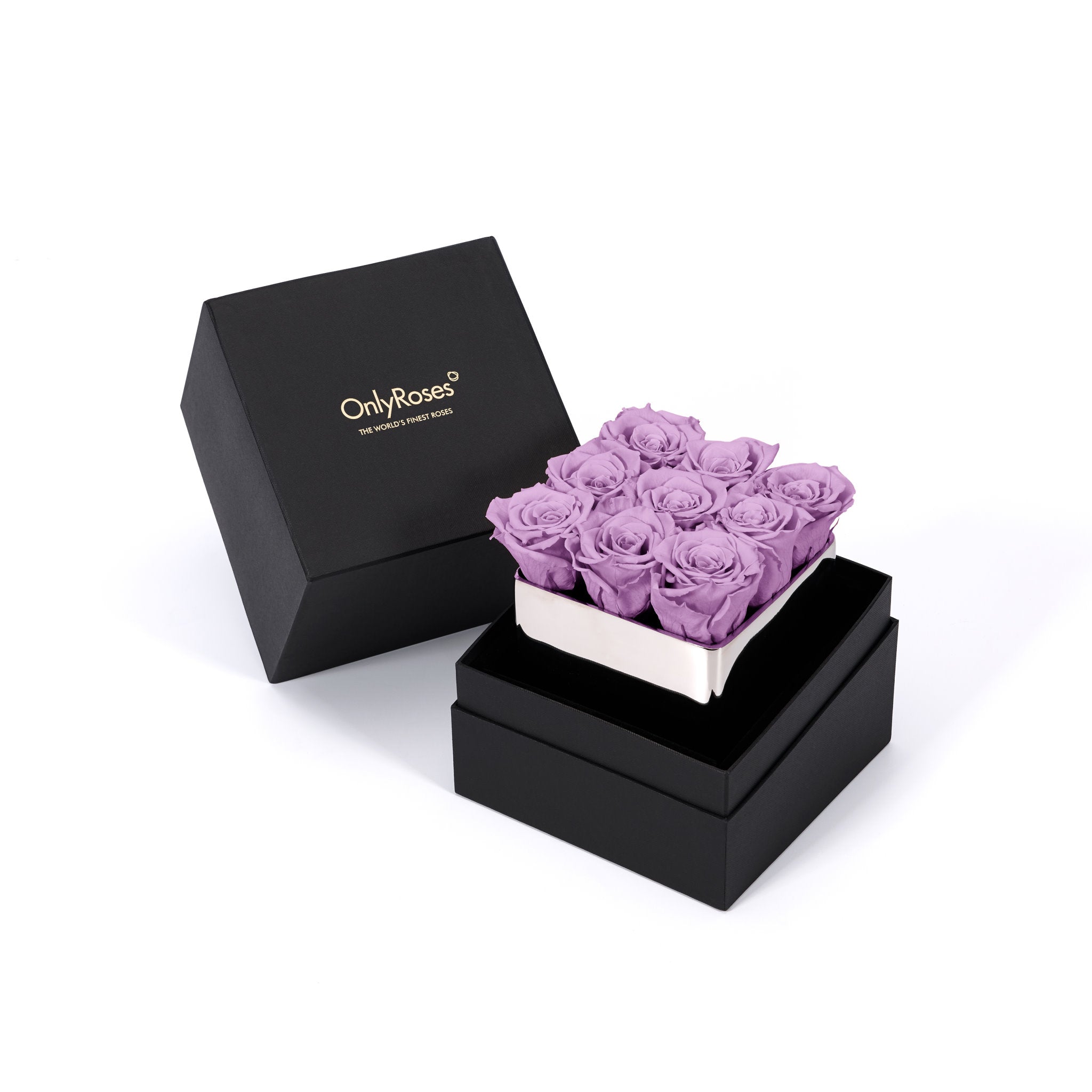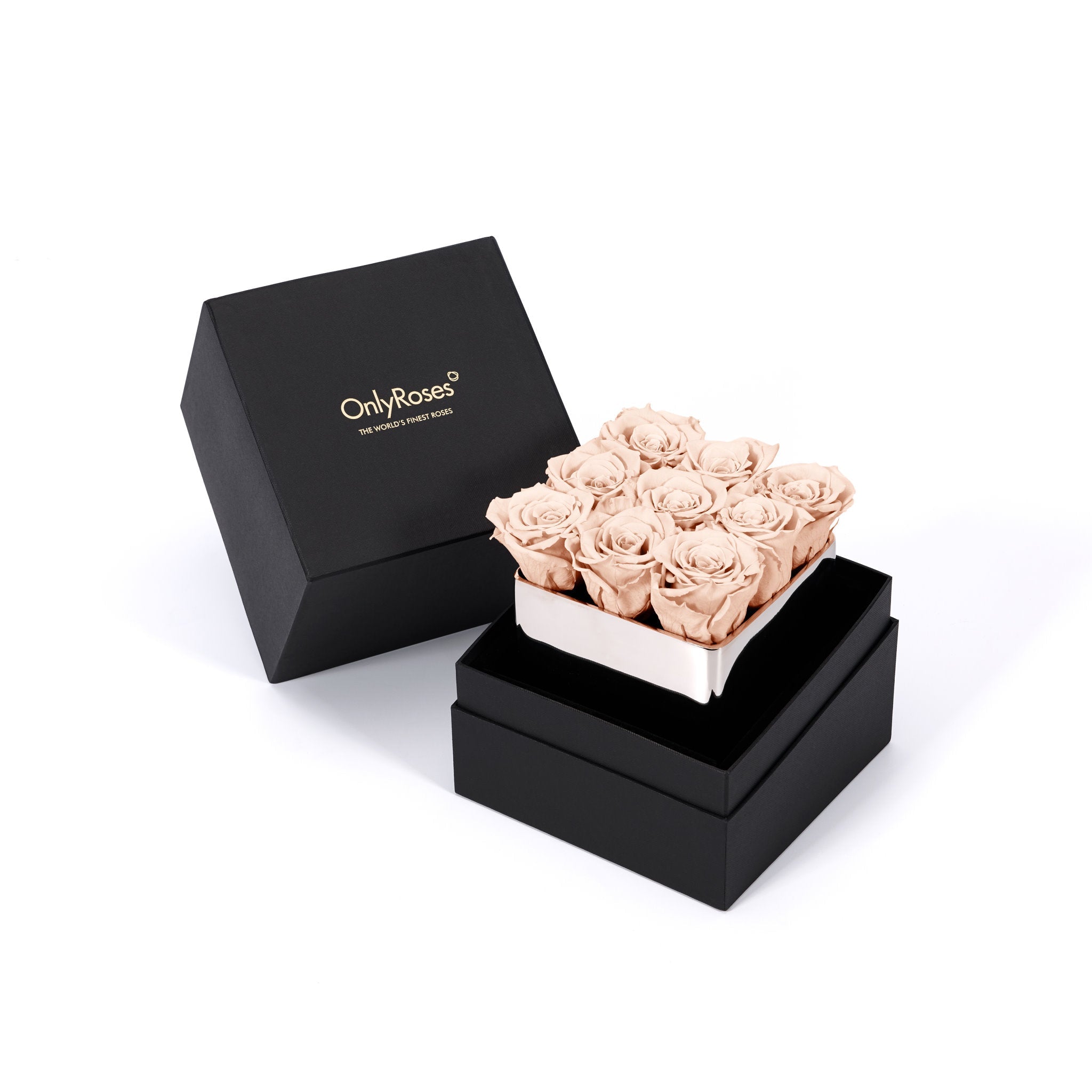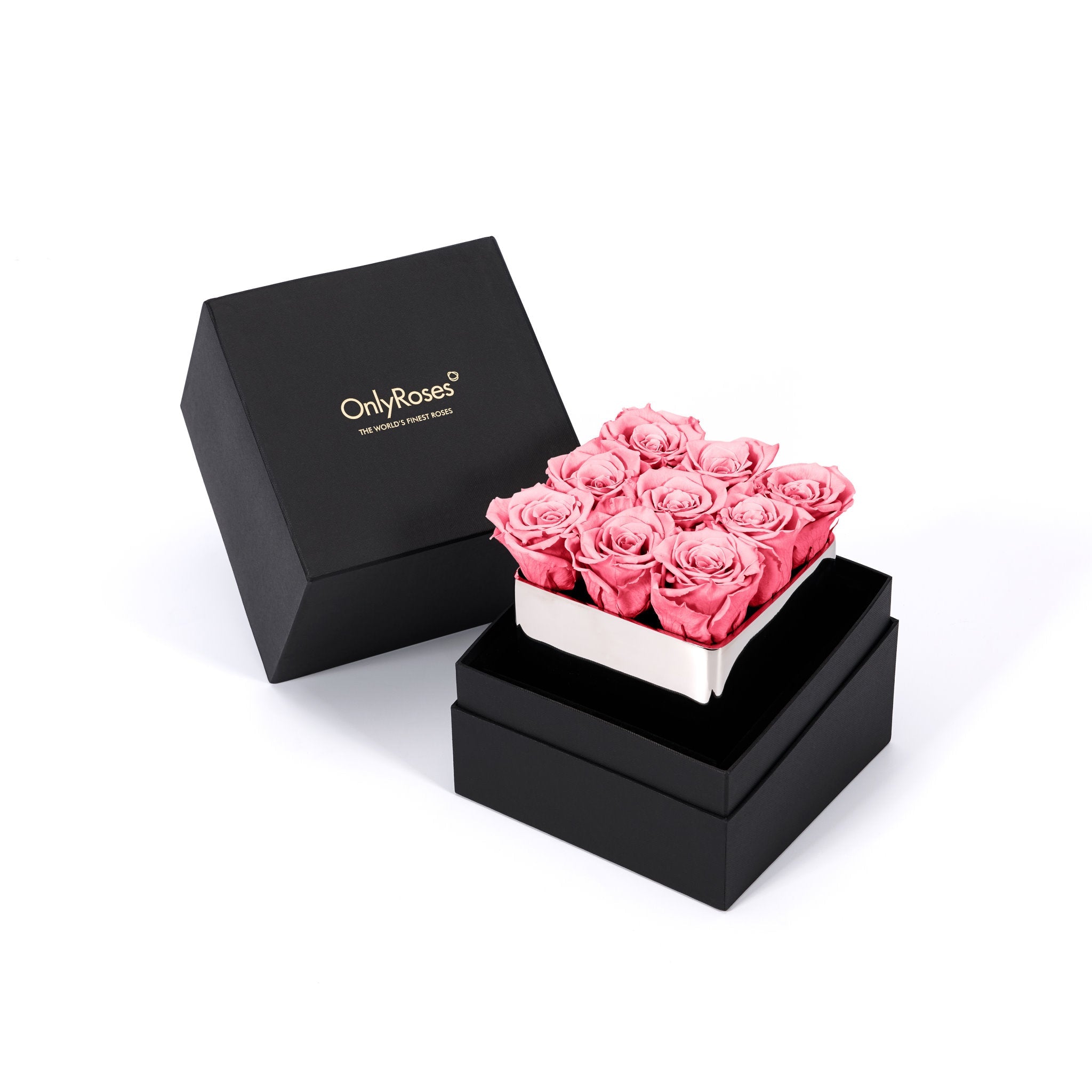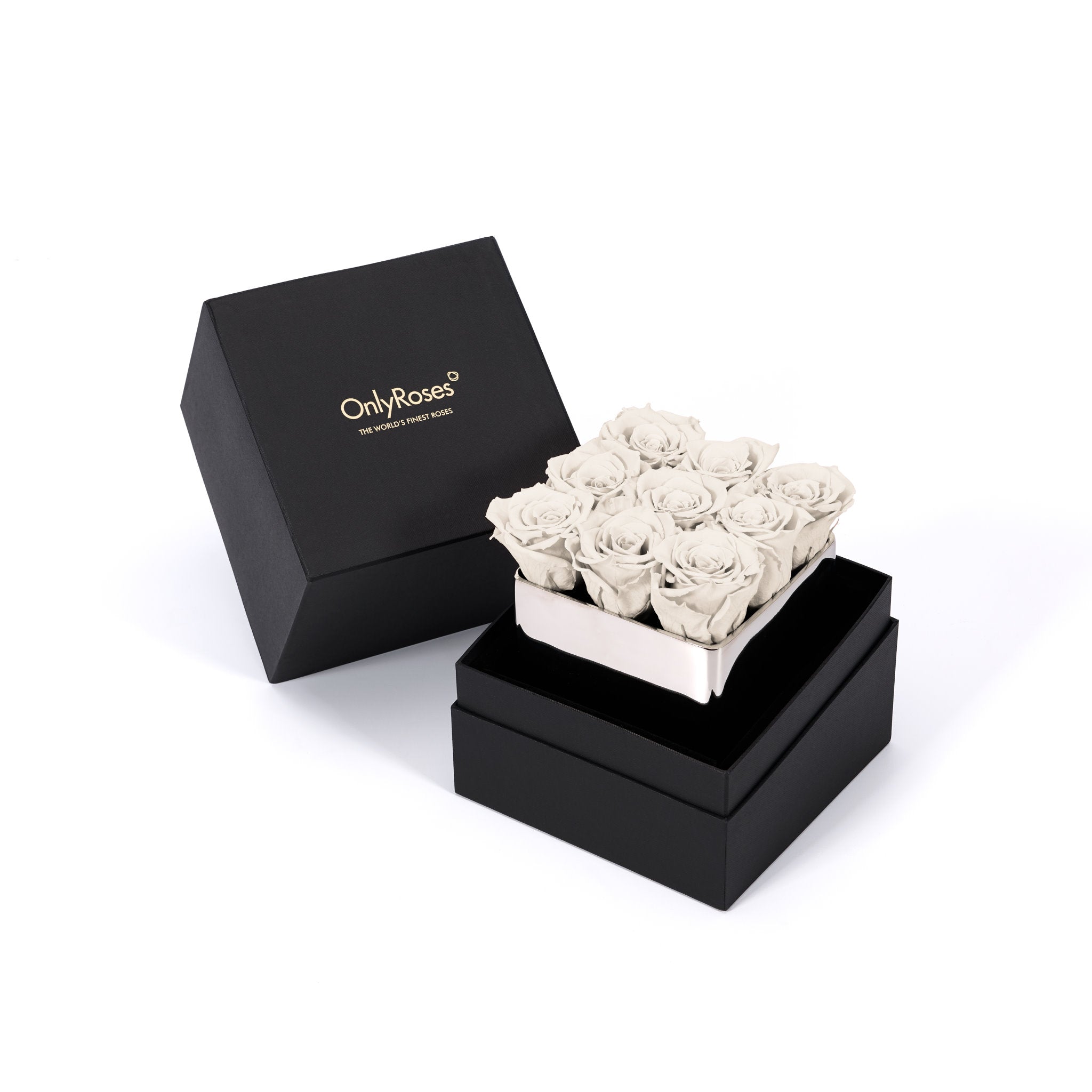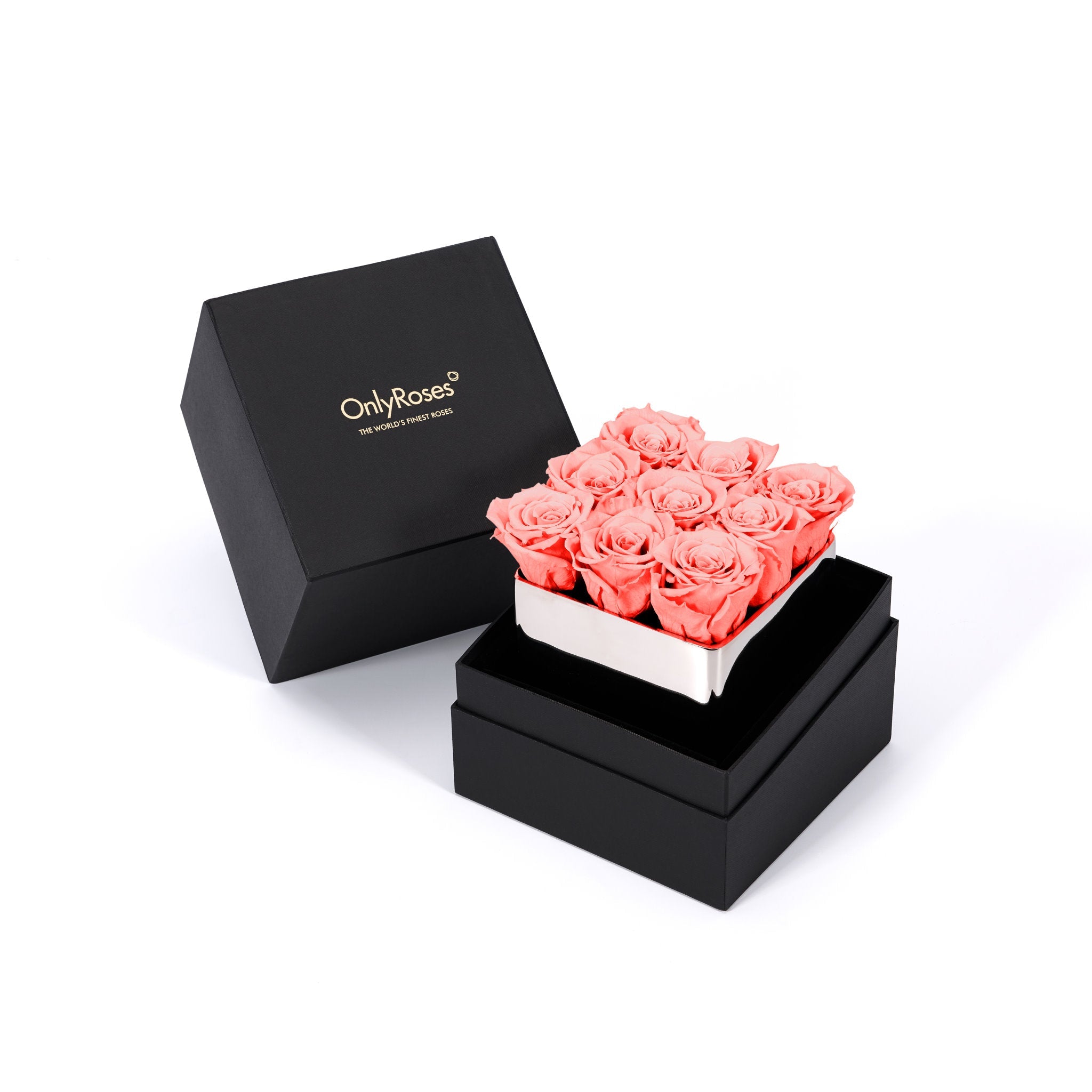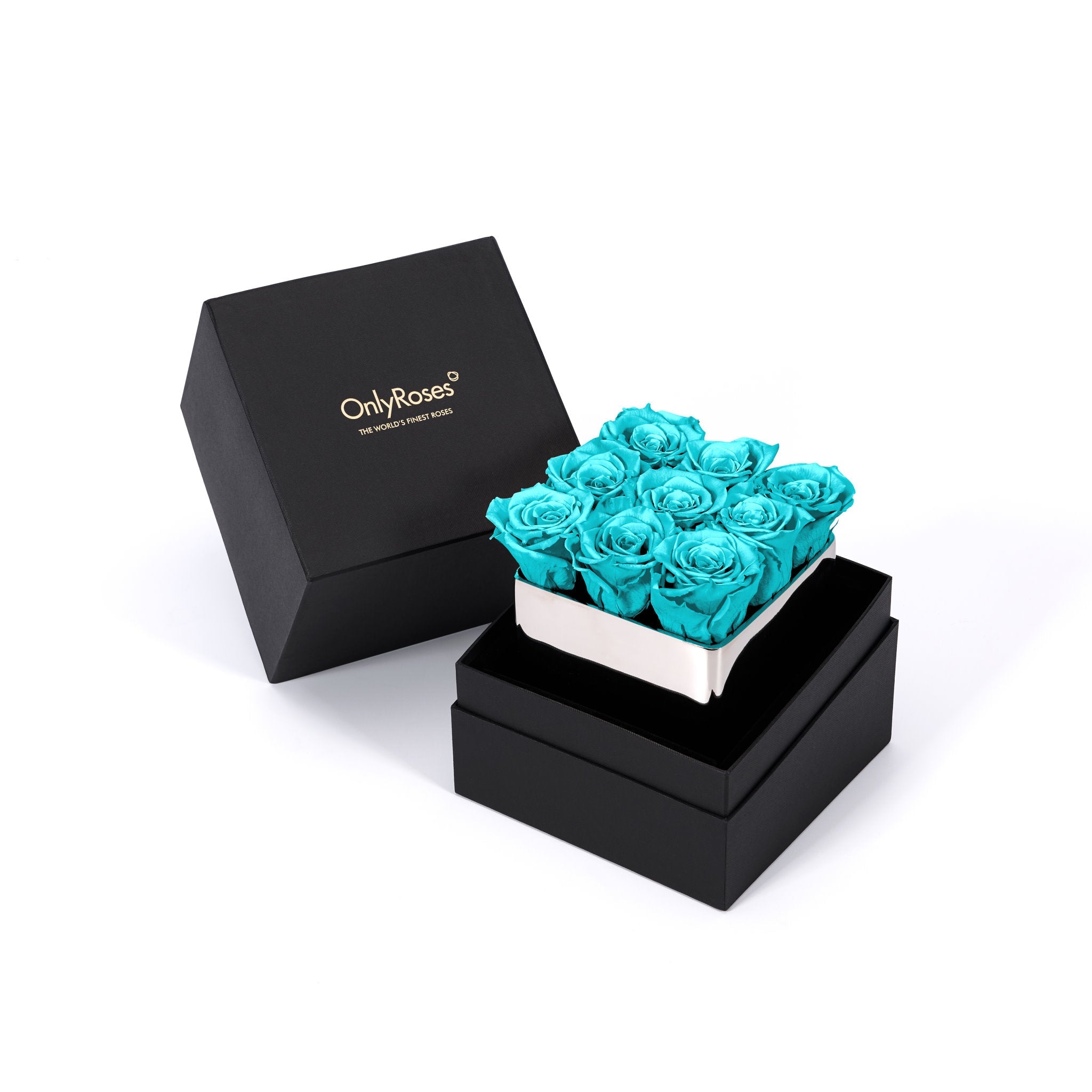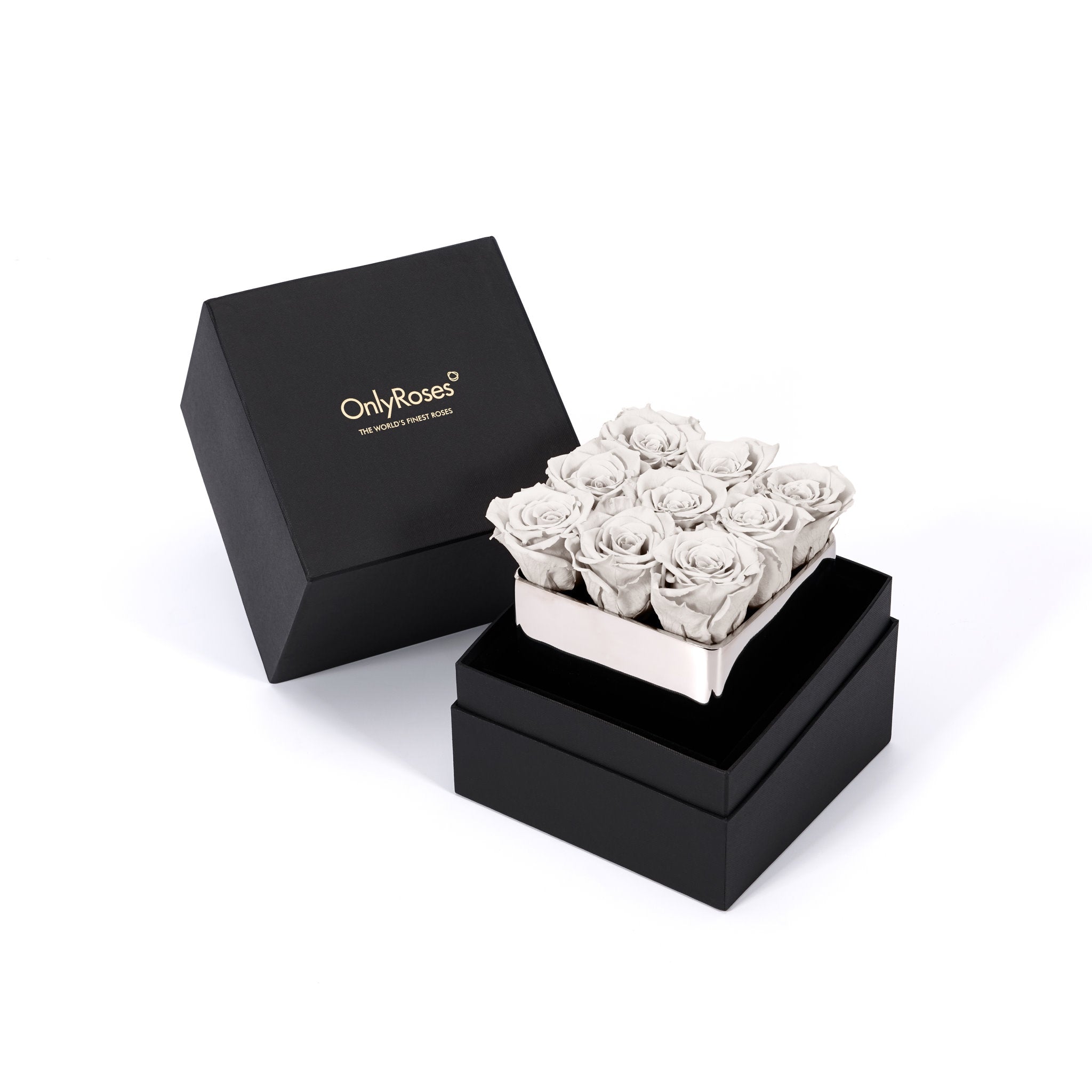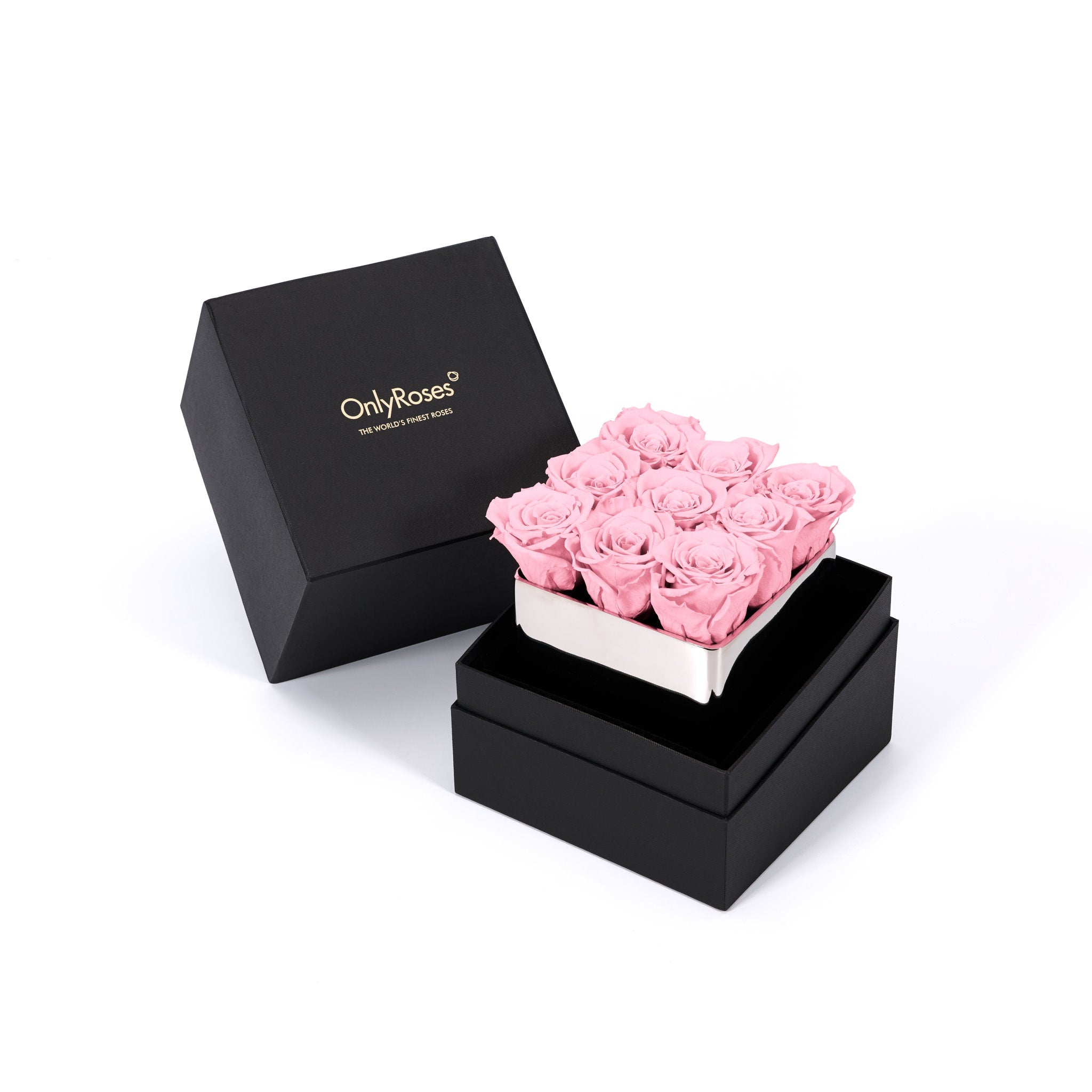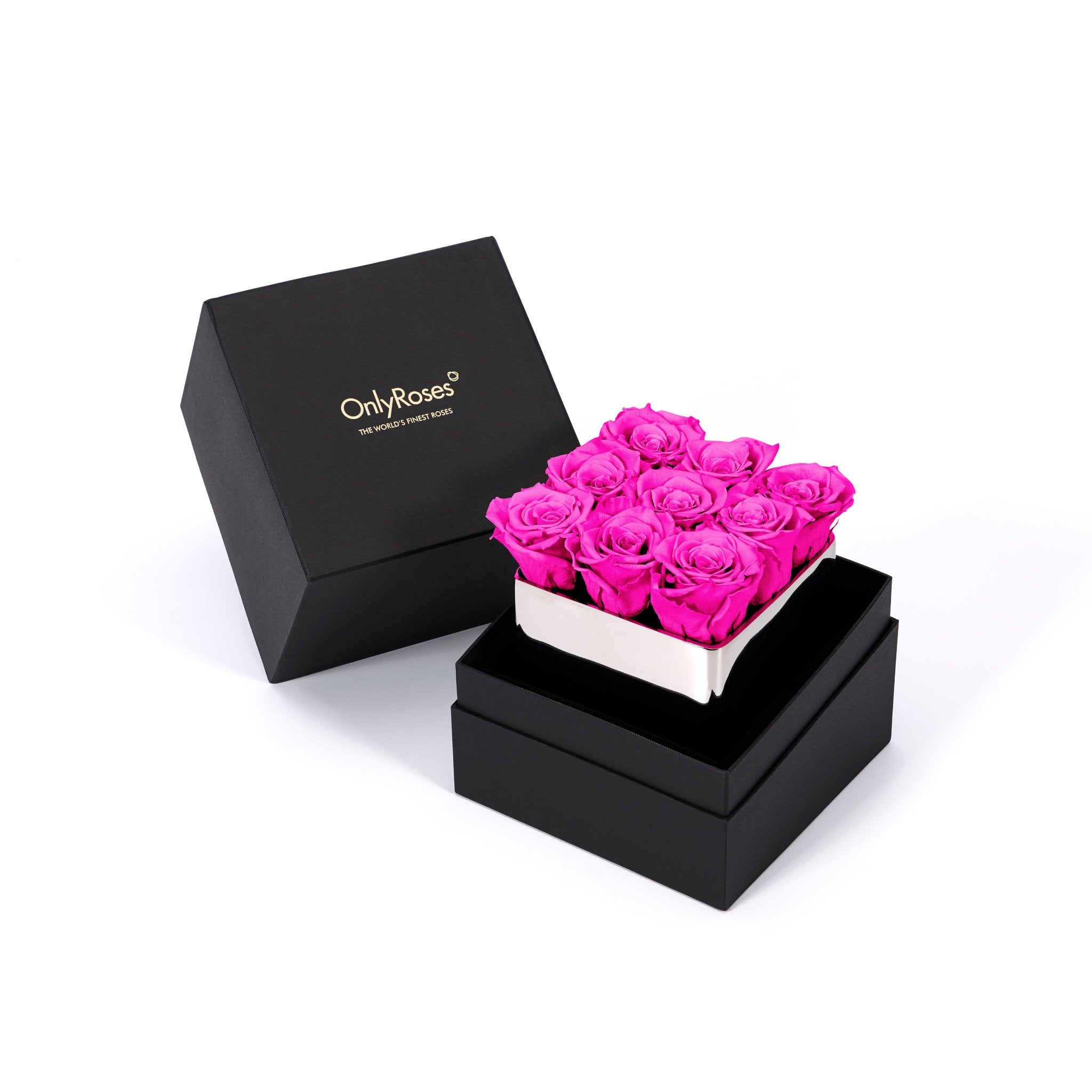

Few moments carry quite as much pressure as standing with a blank notecard in hand, a stunning box of roses on the table, and absolutely no idea what to write. The gift is perfect; the message feels impossible. Whether you are marking a birthday, celebrating an anniversary or offering sympathy, the right words turn a beautiful arrangement into something deeply personal. Here is a clear, practical approach — from gathering your thoughts to writing a note genuinely worth keeping.
Gather what you need first
Before a single word goes on paper, a little preparation makes the difference between a note that lands and one that feels rushed. Start with four questions:
- What is the occasion? A birthday calls for warmth and celebration; sympathy for gentleness and restraint. This shapes every word.
- Who is the recipient? Consider your relationship, their personality, and what they would genuinely appreciate hearing.
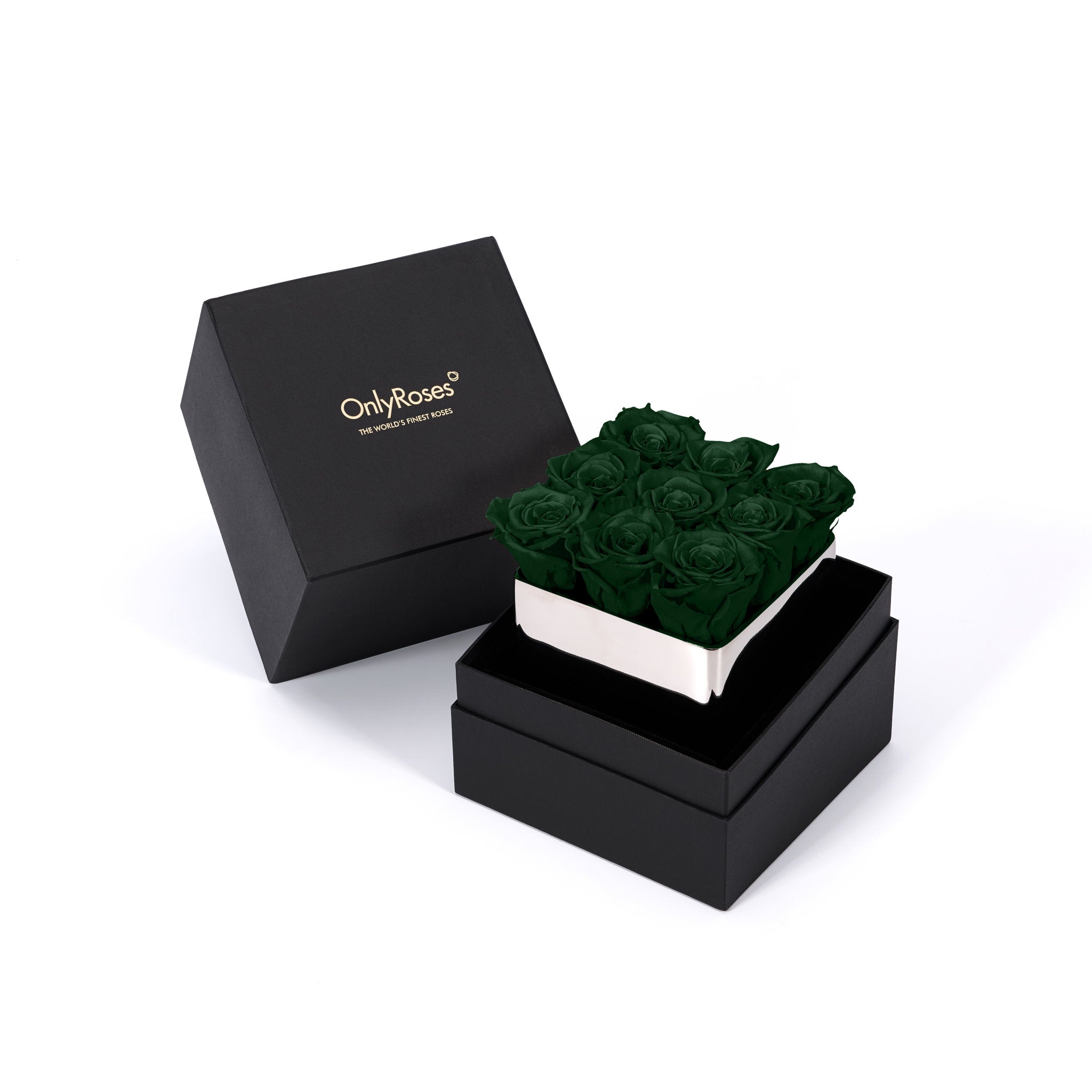
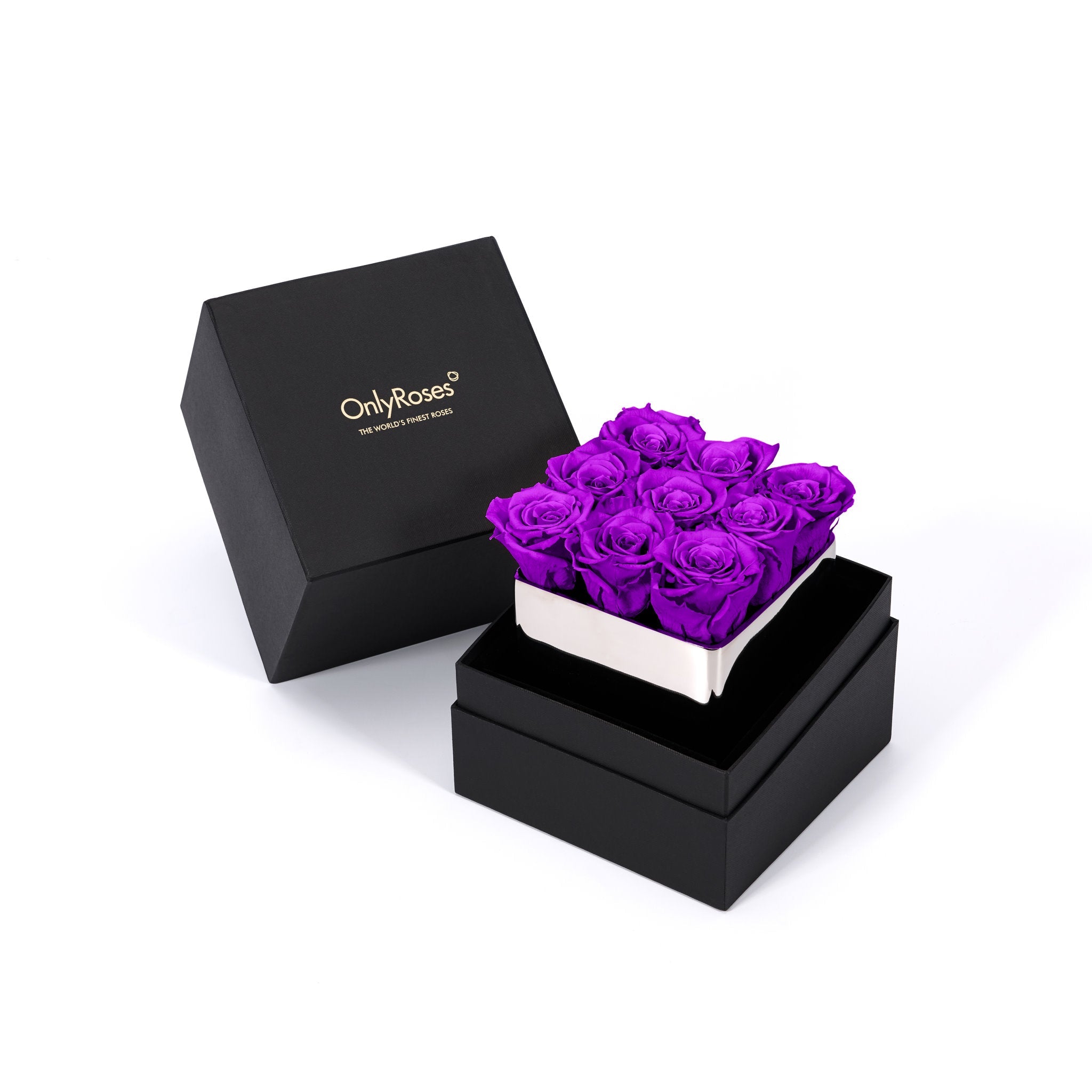
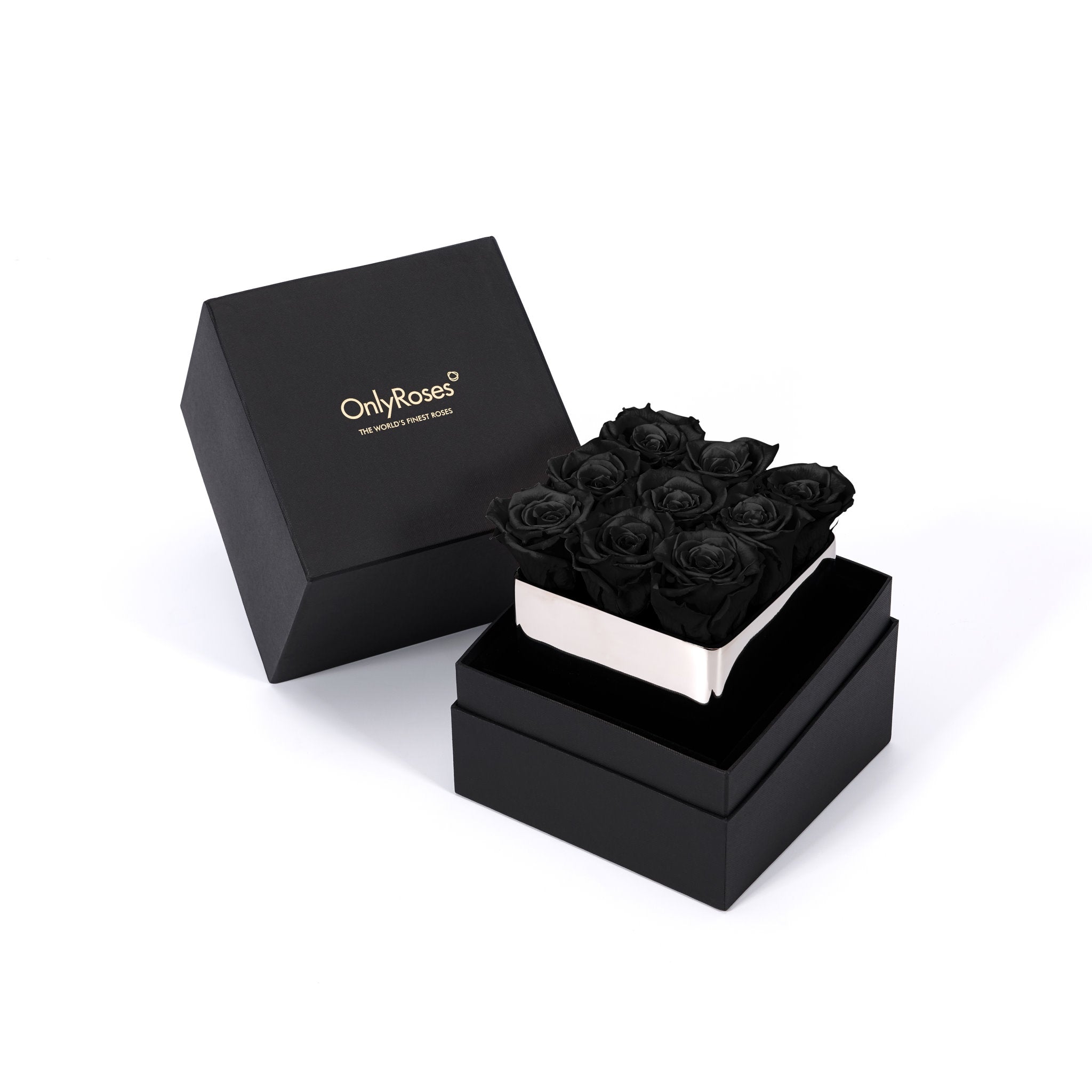
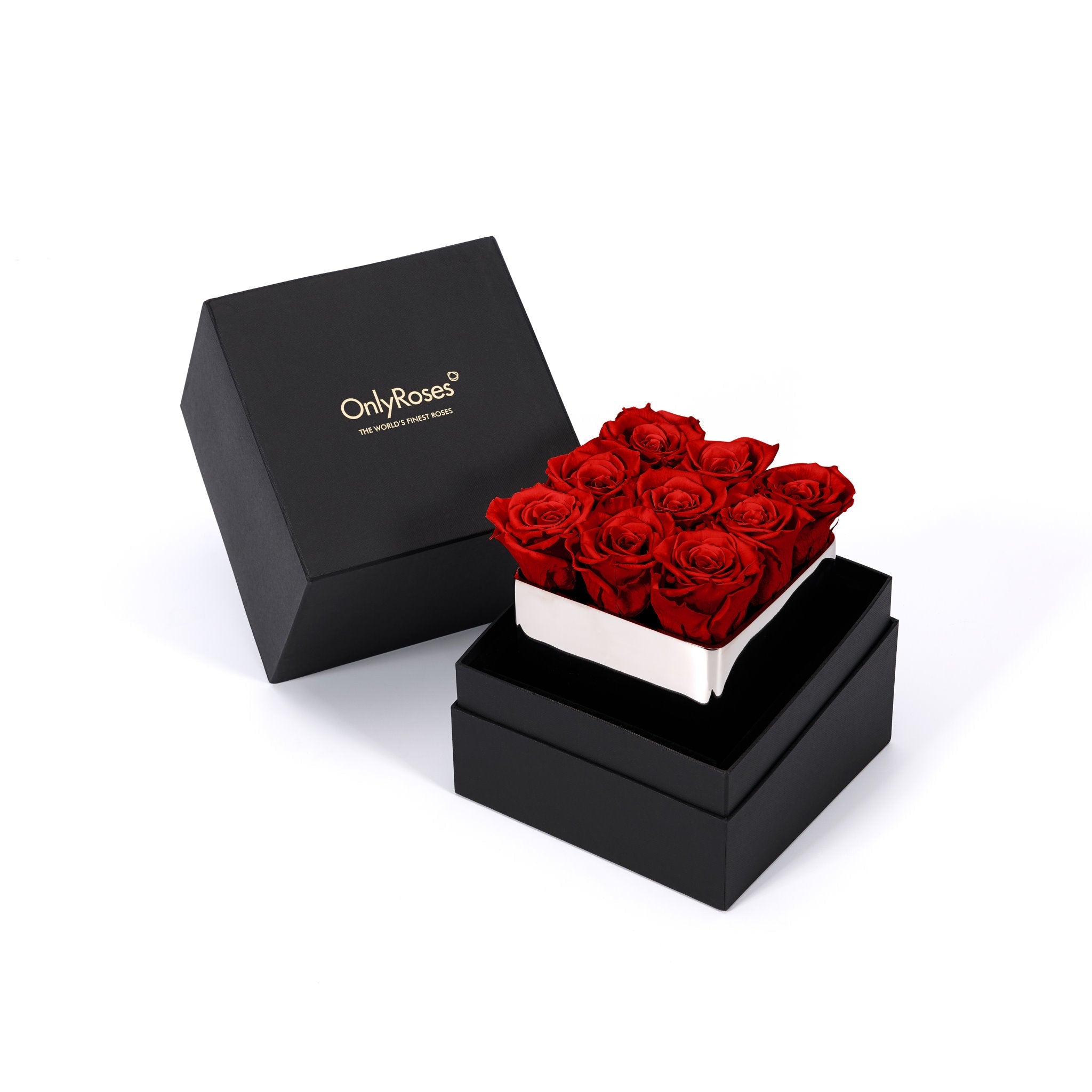
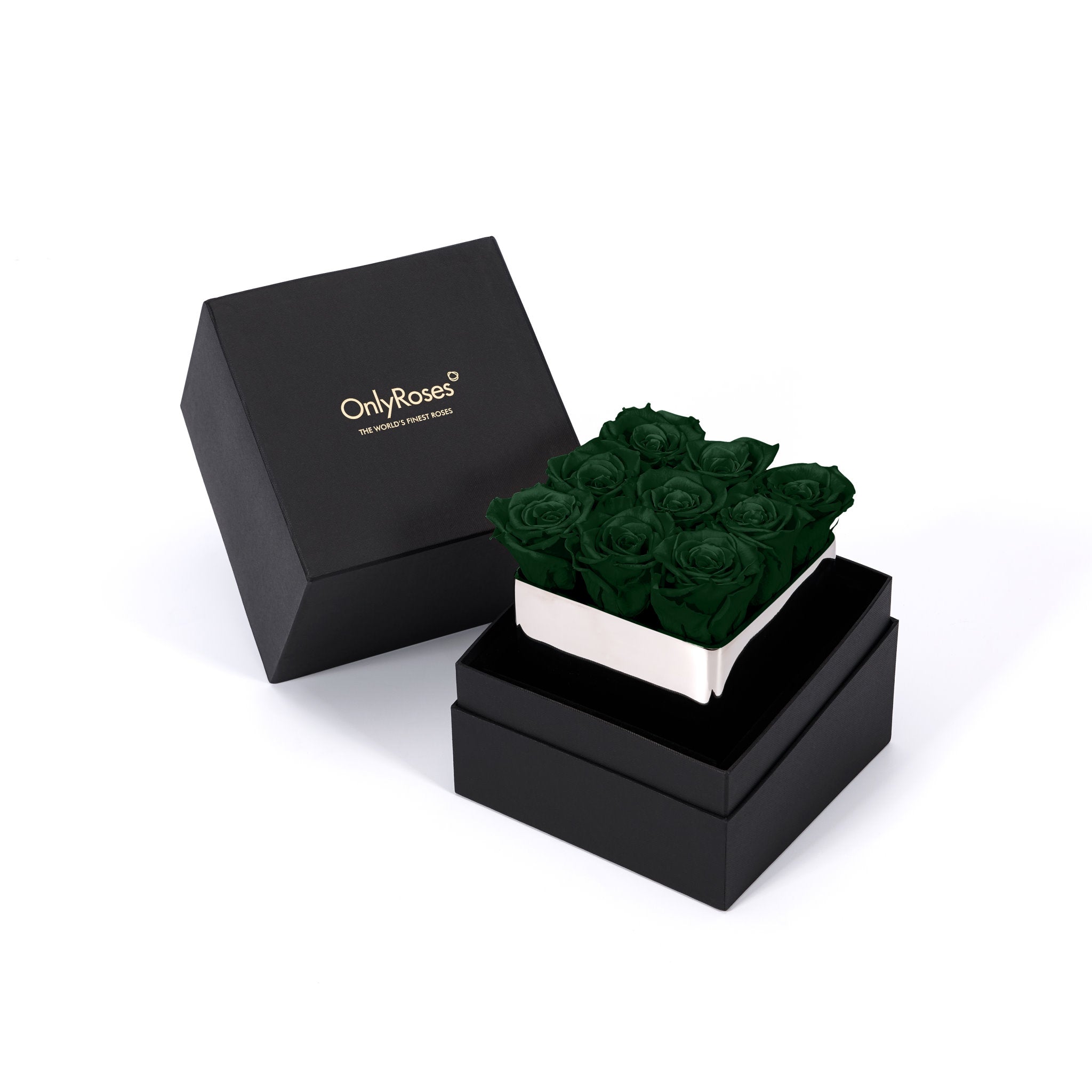
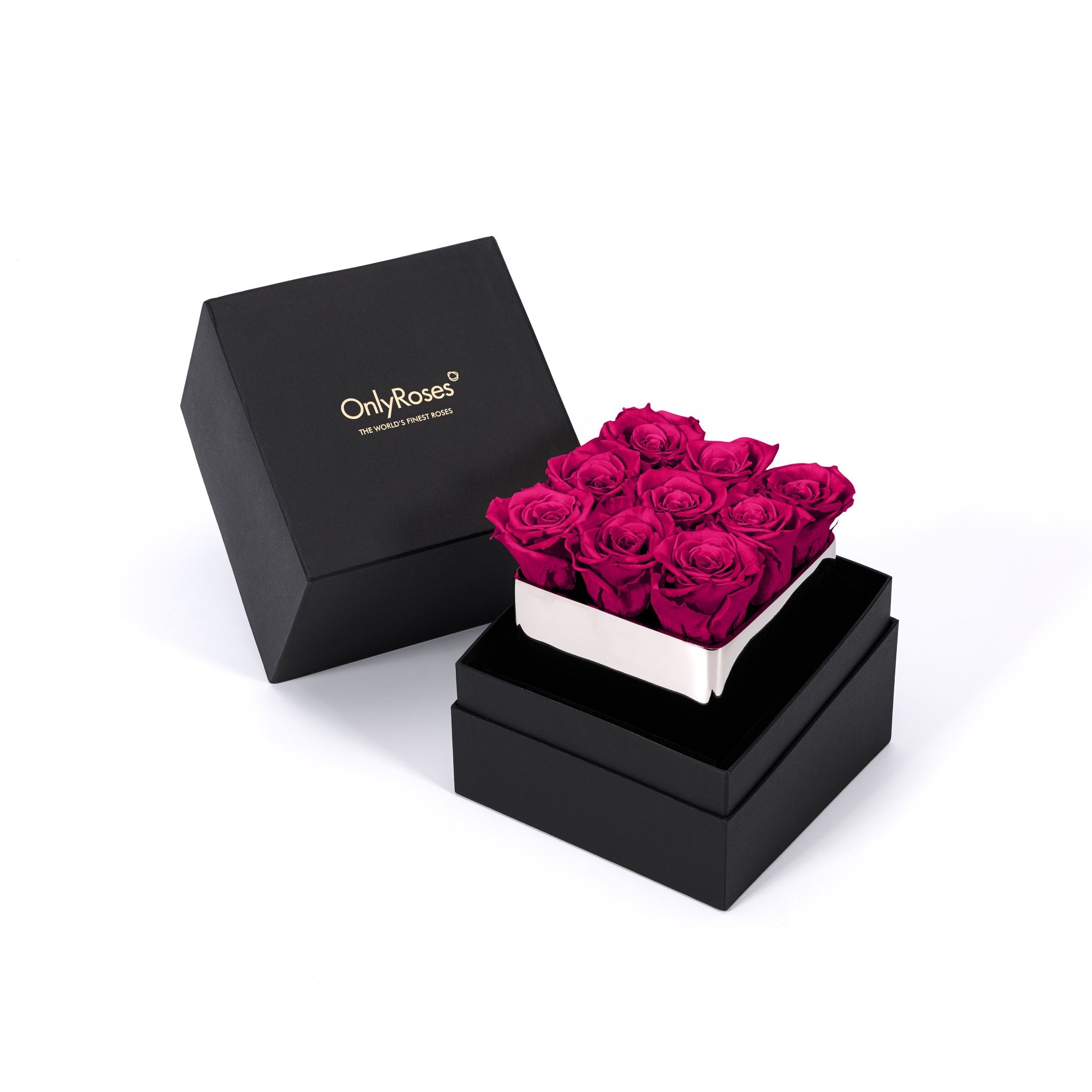
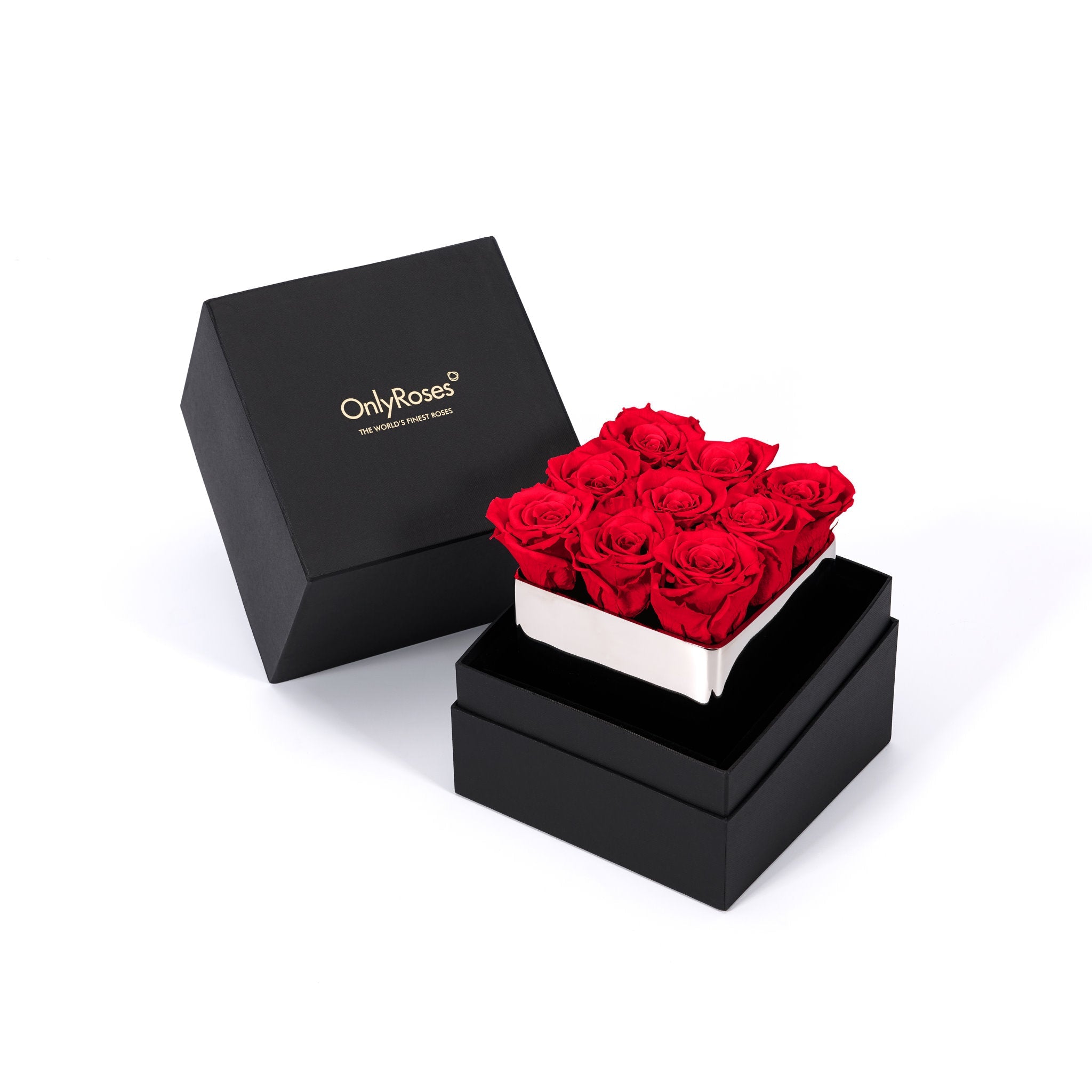
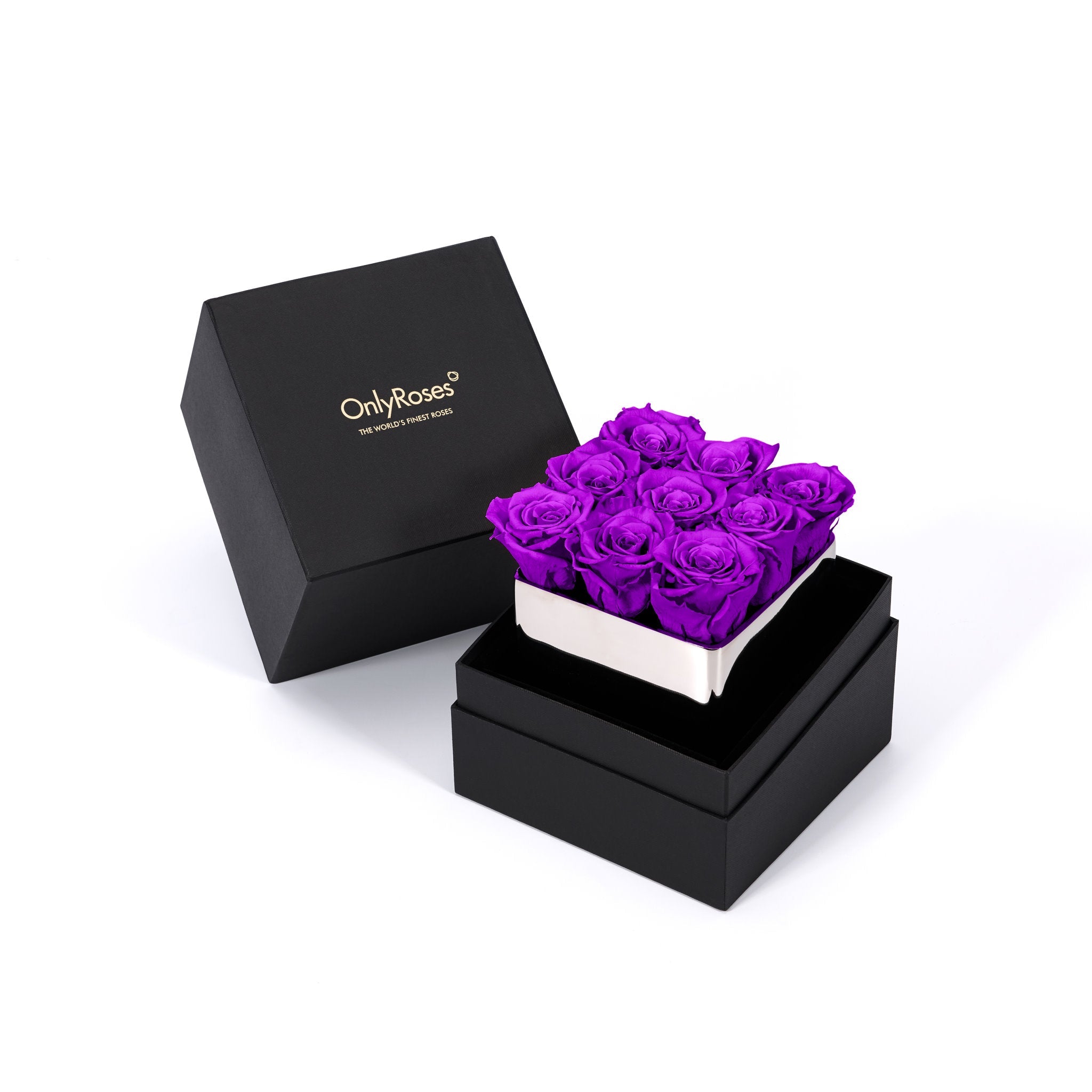
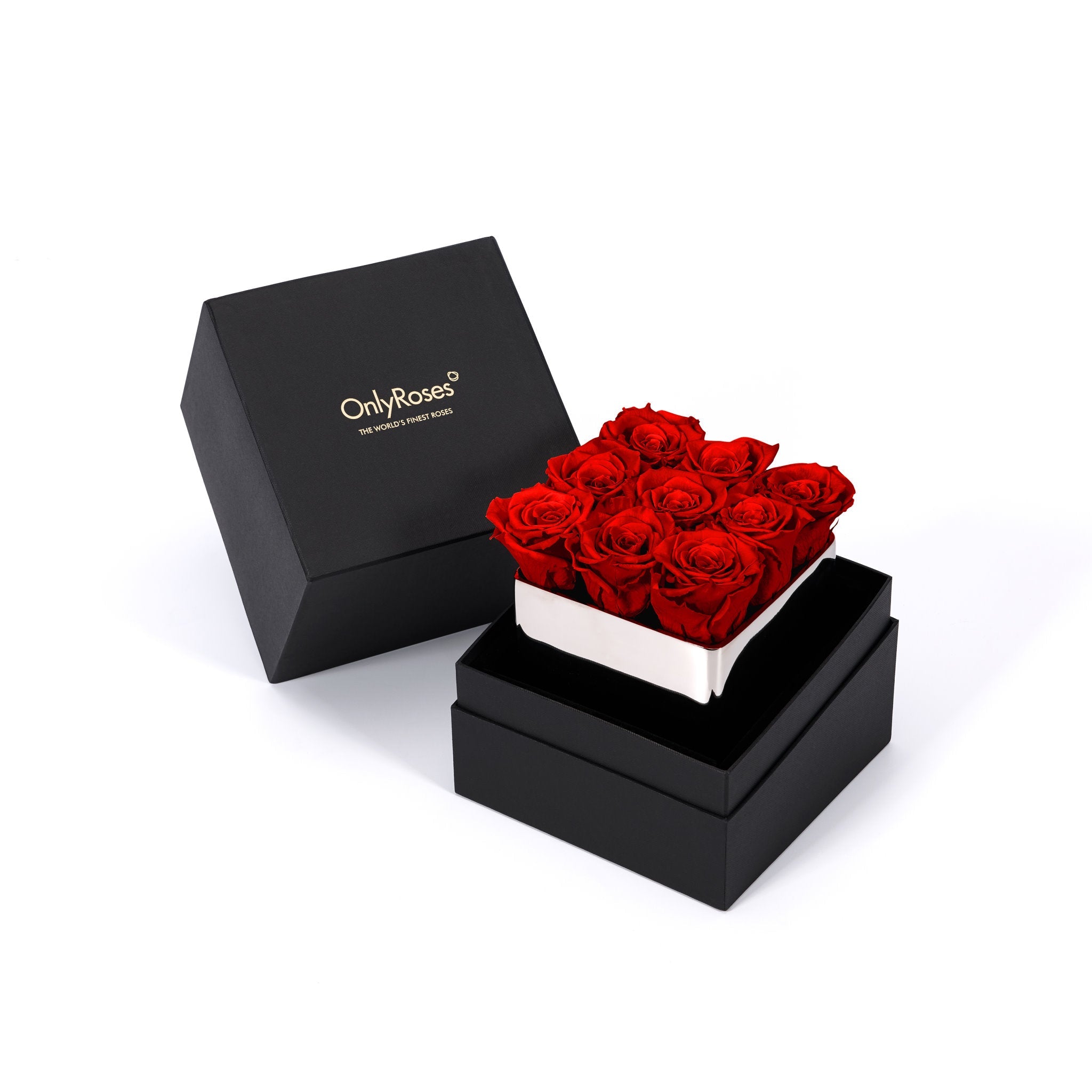
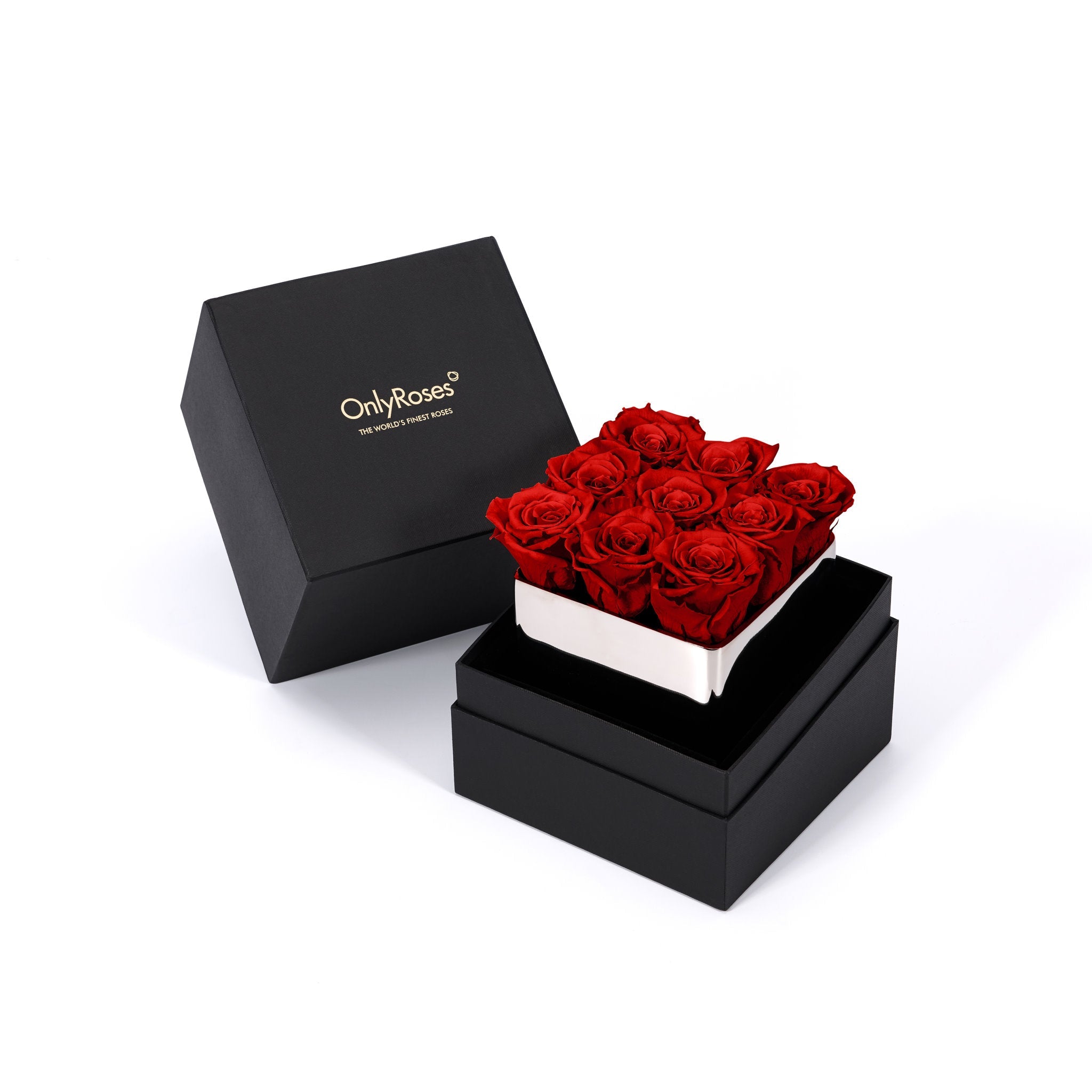
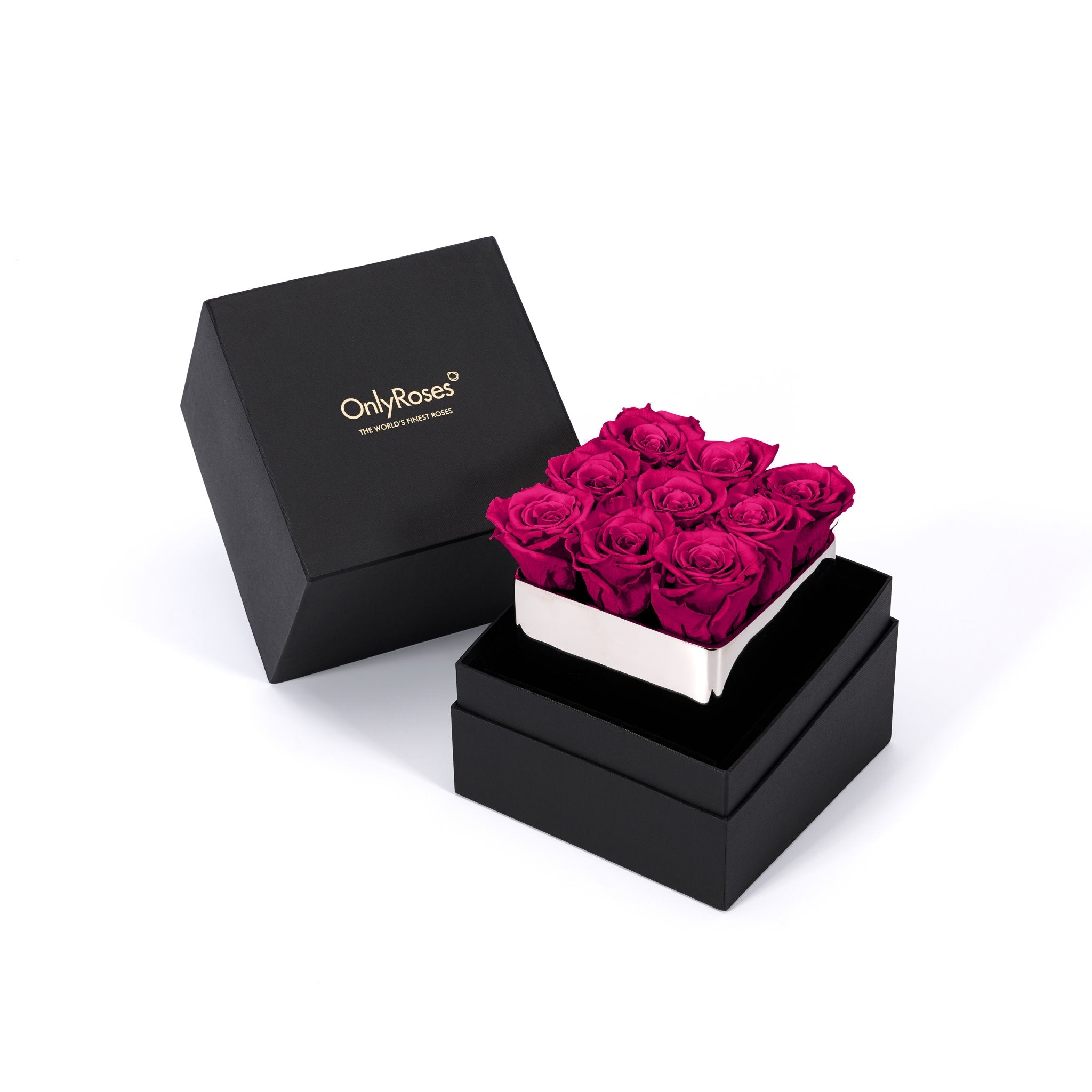
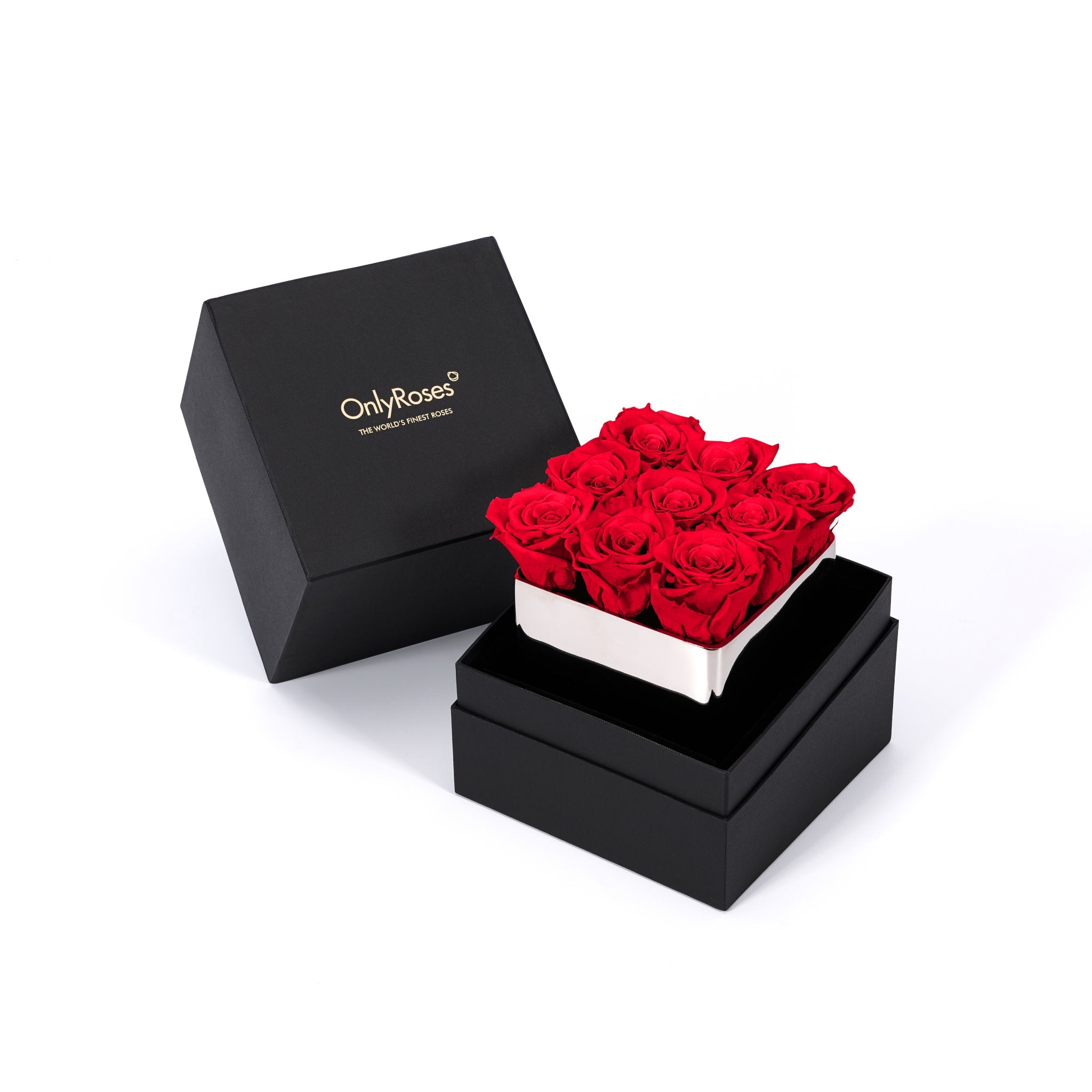
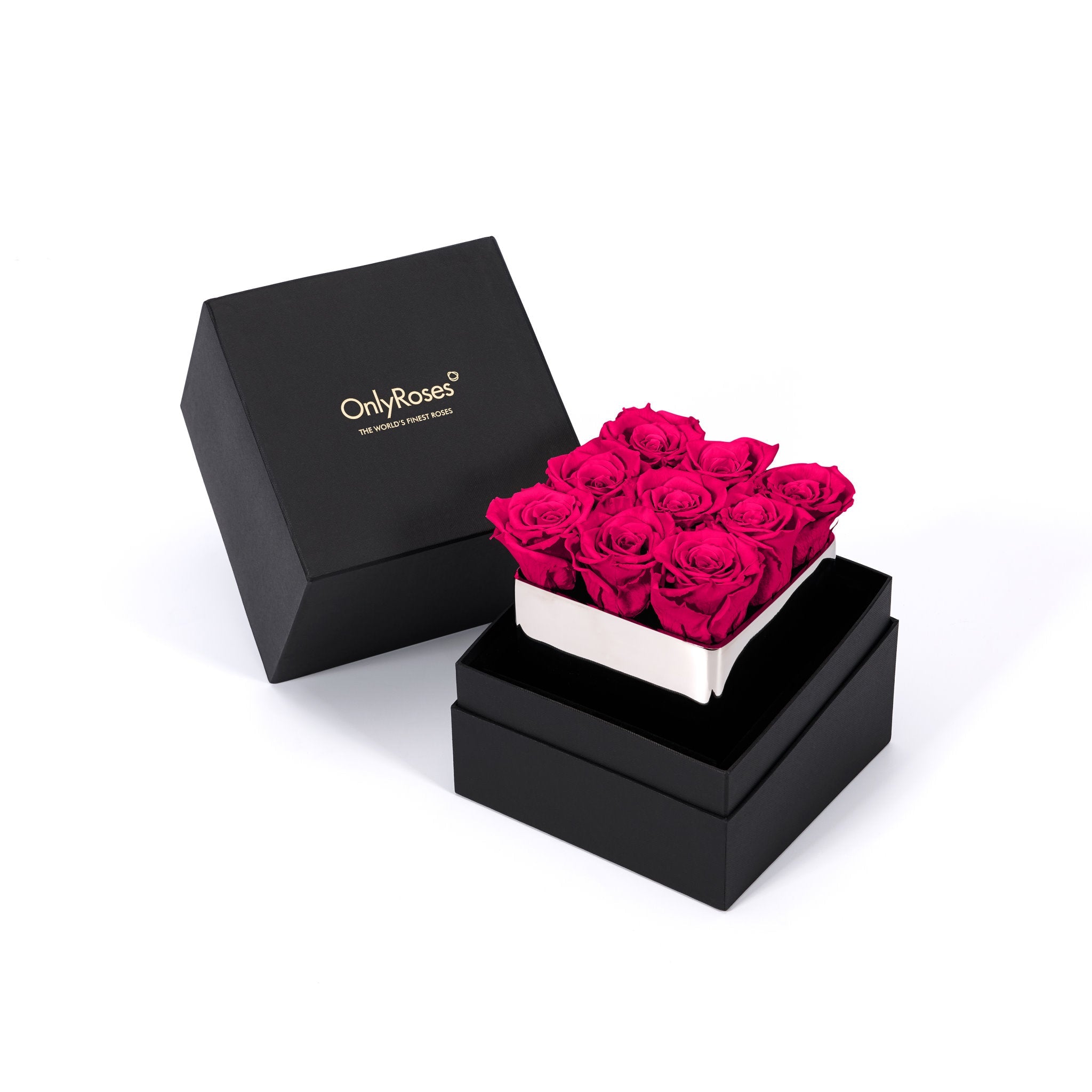
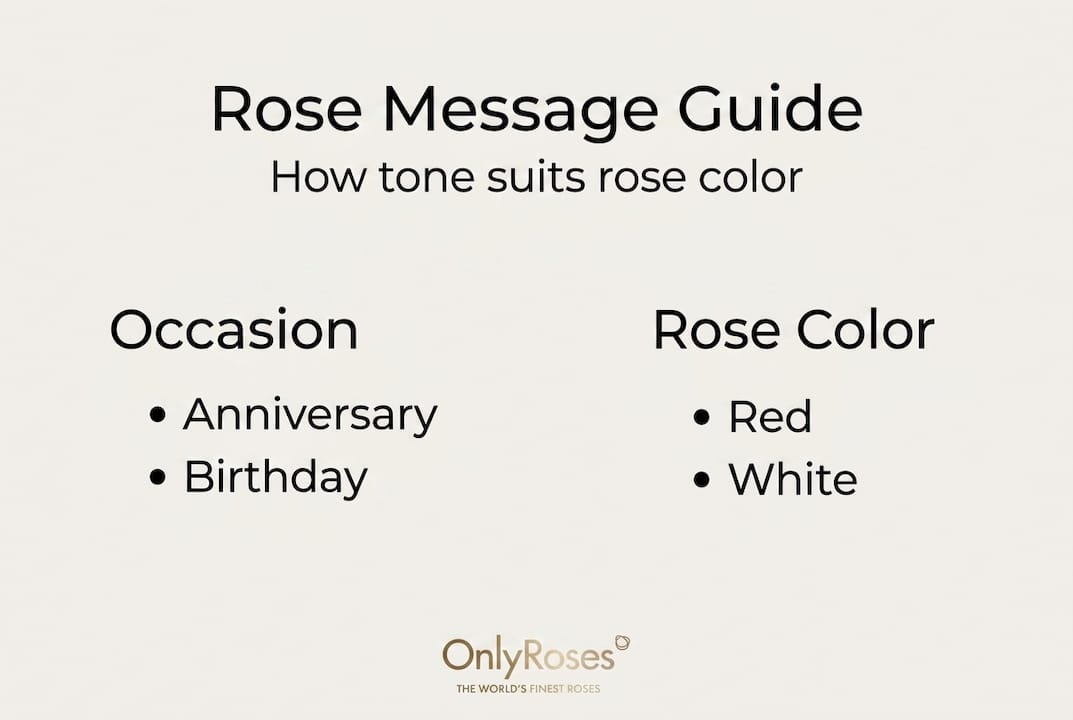
- What colour are the roses? Colour carries meaning — deep red speaks of love, soft blush of admiration, white of purity and respect. Our guide to rose colour meanings gives you richer language to draw on.
- What is your personal connection to this moment? A shared memory, a running joke or a milestone you both remember will make the message feel irreplaceable.
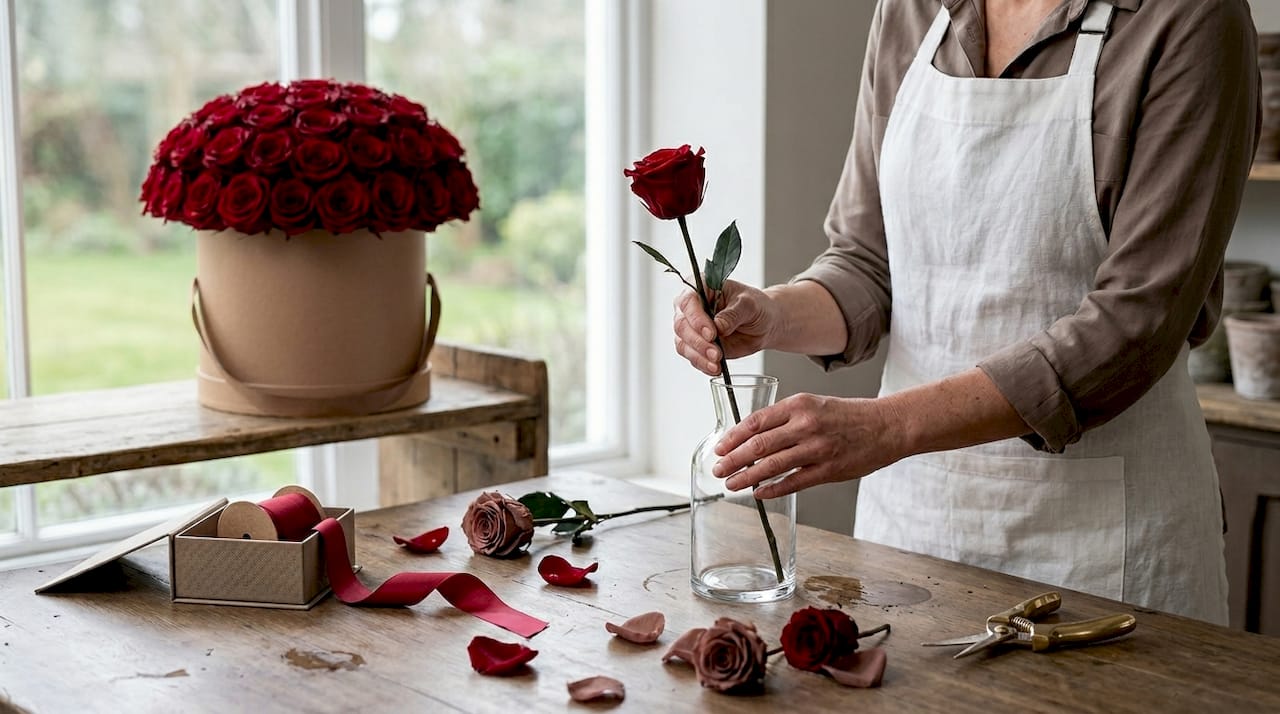
Then gather your tools: a quality notecard and a pen you enjoy writing with. If you are writing digitally, draft freely in a notes app before committing. The arrangement itself sets a tone, too — a single preserved stem suggests intimacy, while a grand box invites something bolder.
| Occasion | Rose colour | Tone to aim for |
|---|---|---|
| Anniversary | Red or deep pink | Romantic and heartfelt |
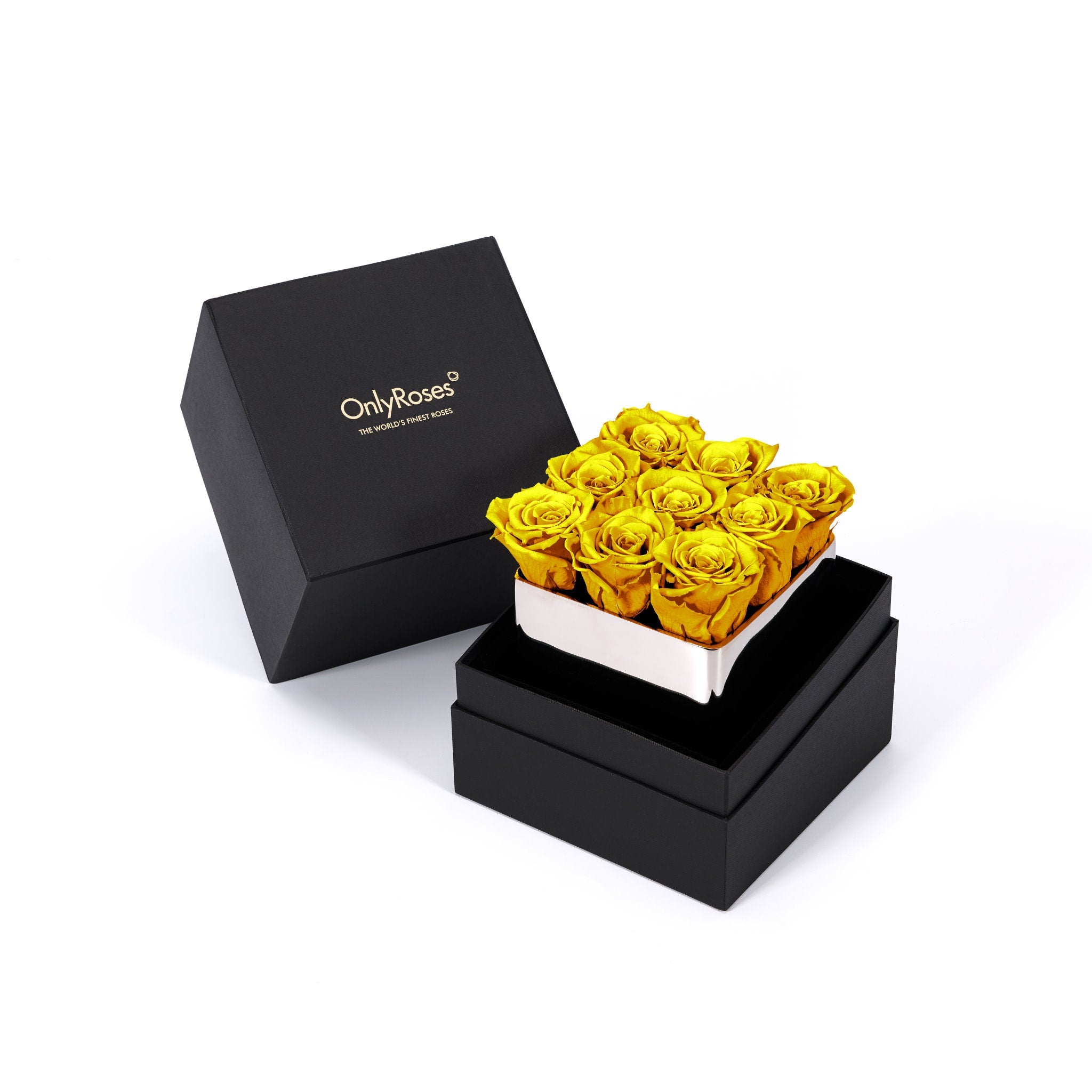
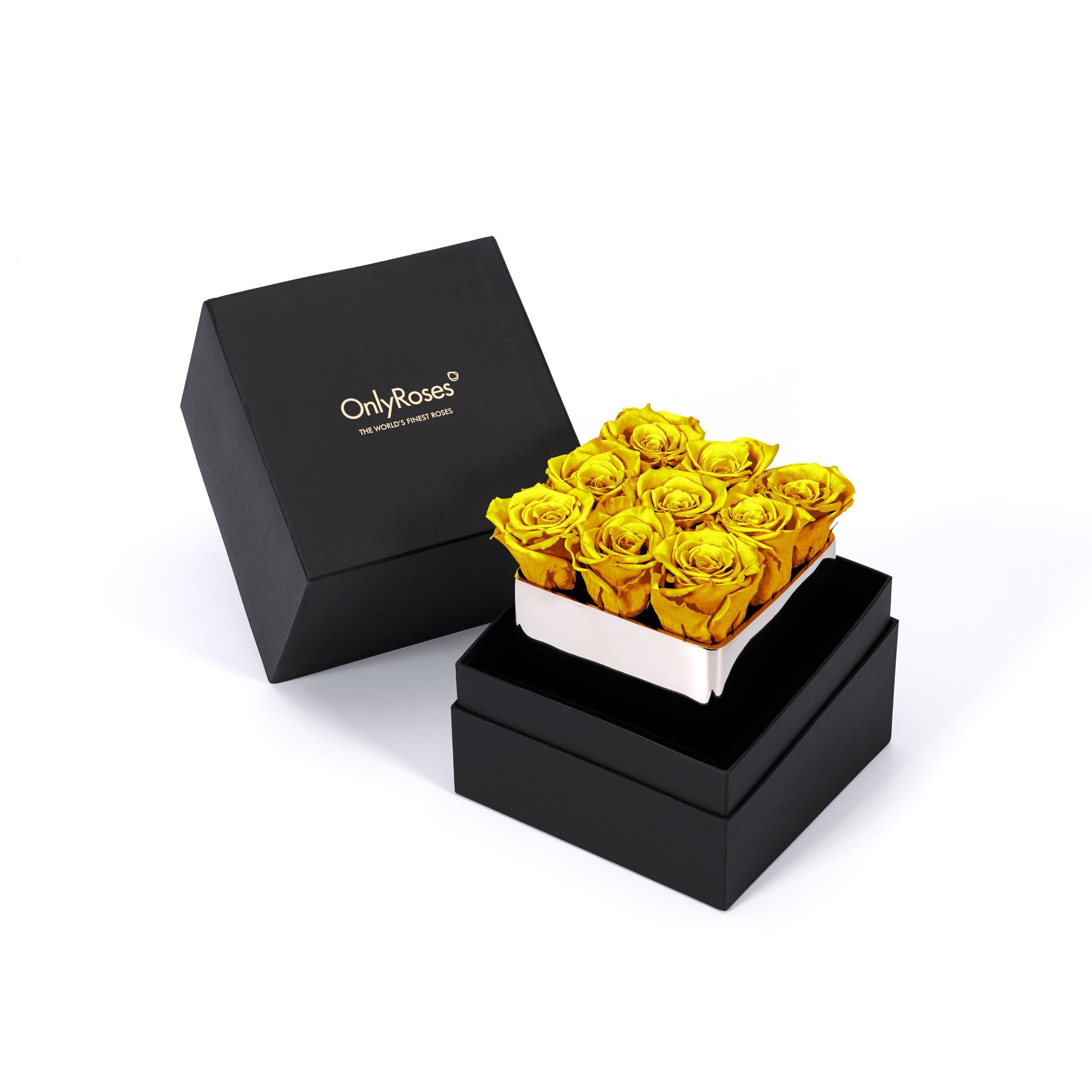
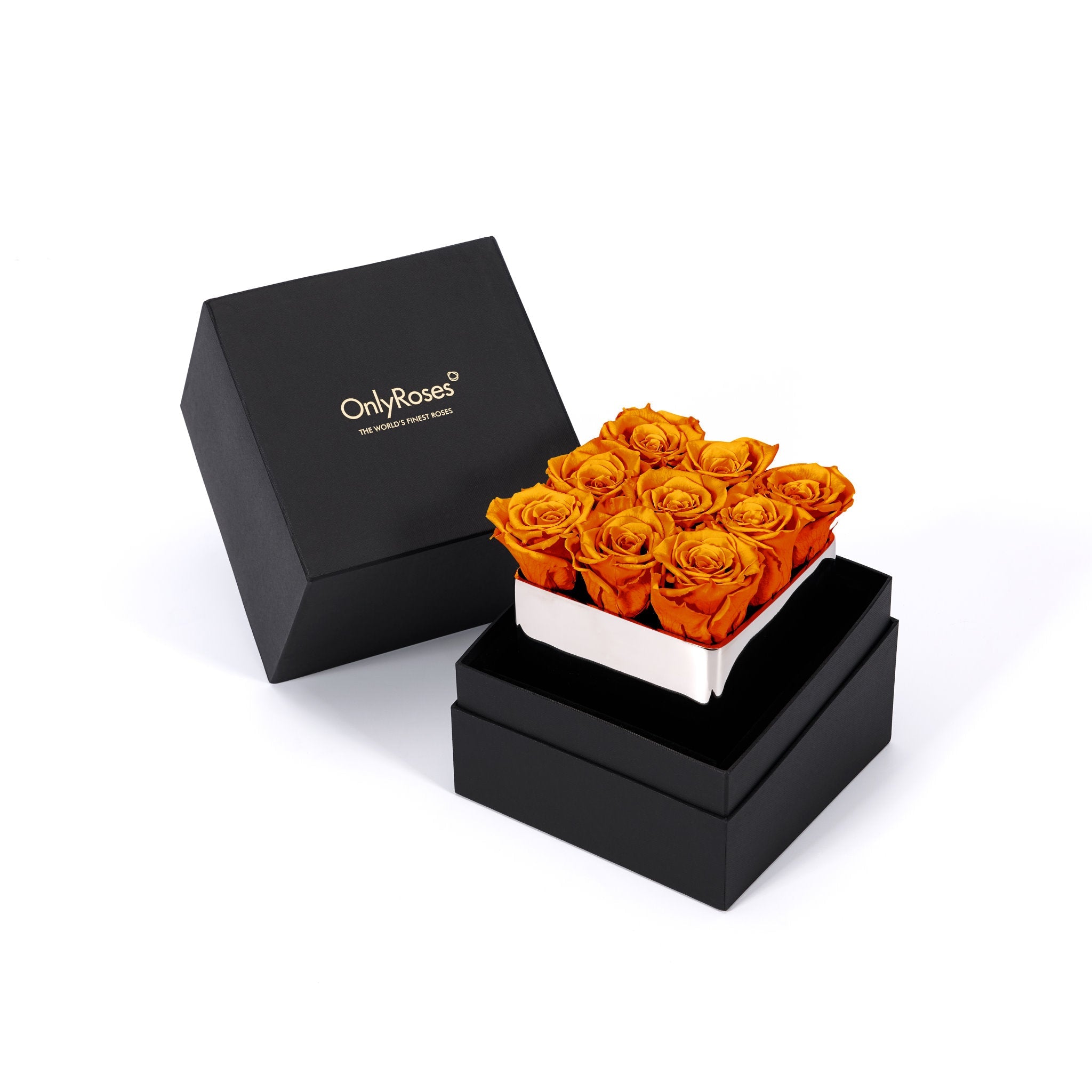
| Birthday | Yellow, coral or orange | Playful and warm |
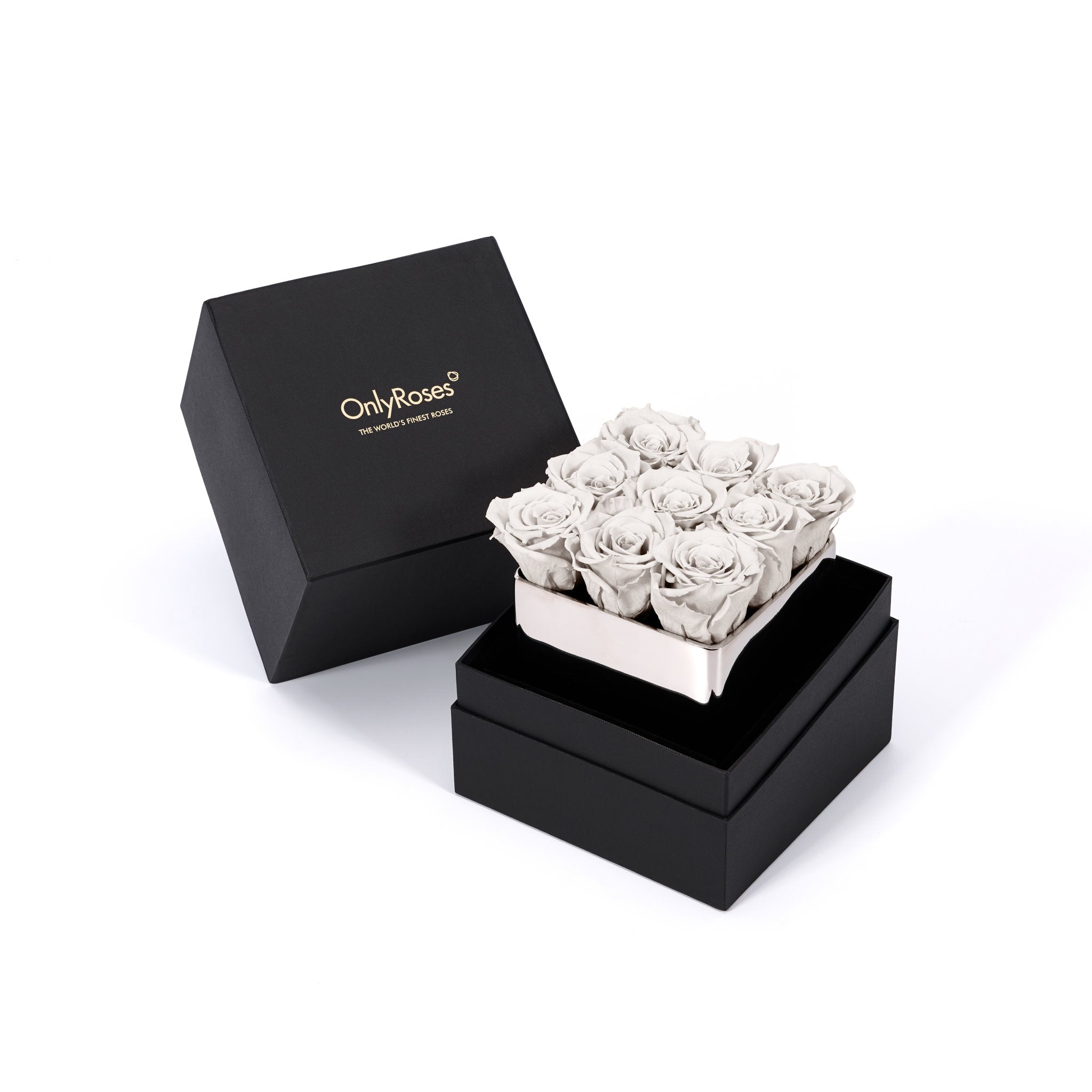
| Sympathy | White or cream | Gentle and understated |
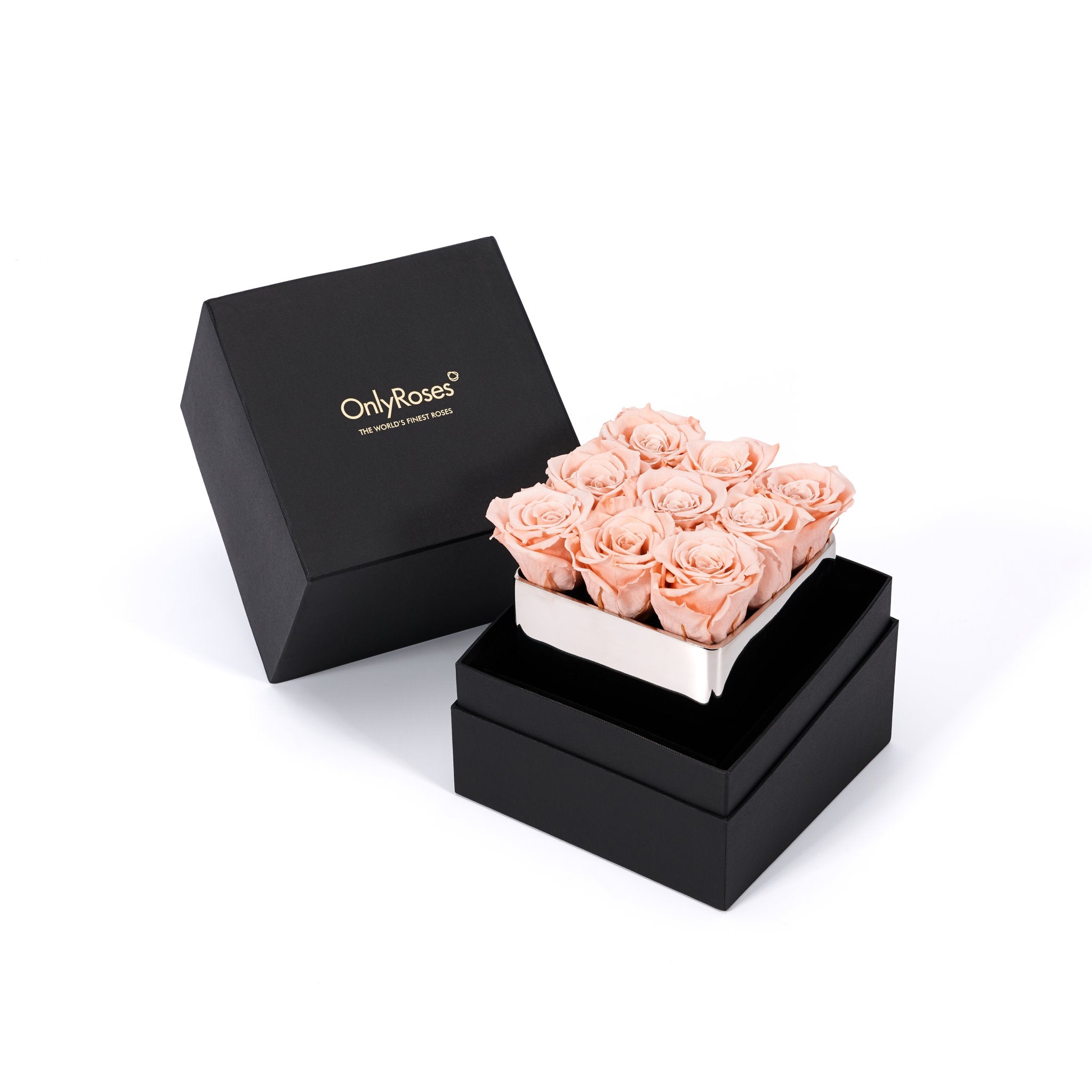
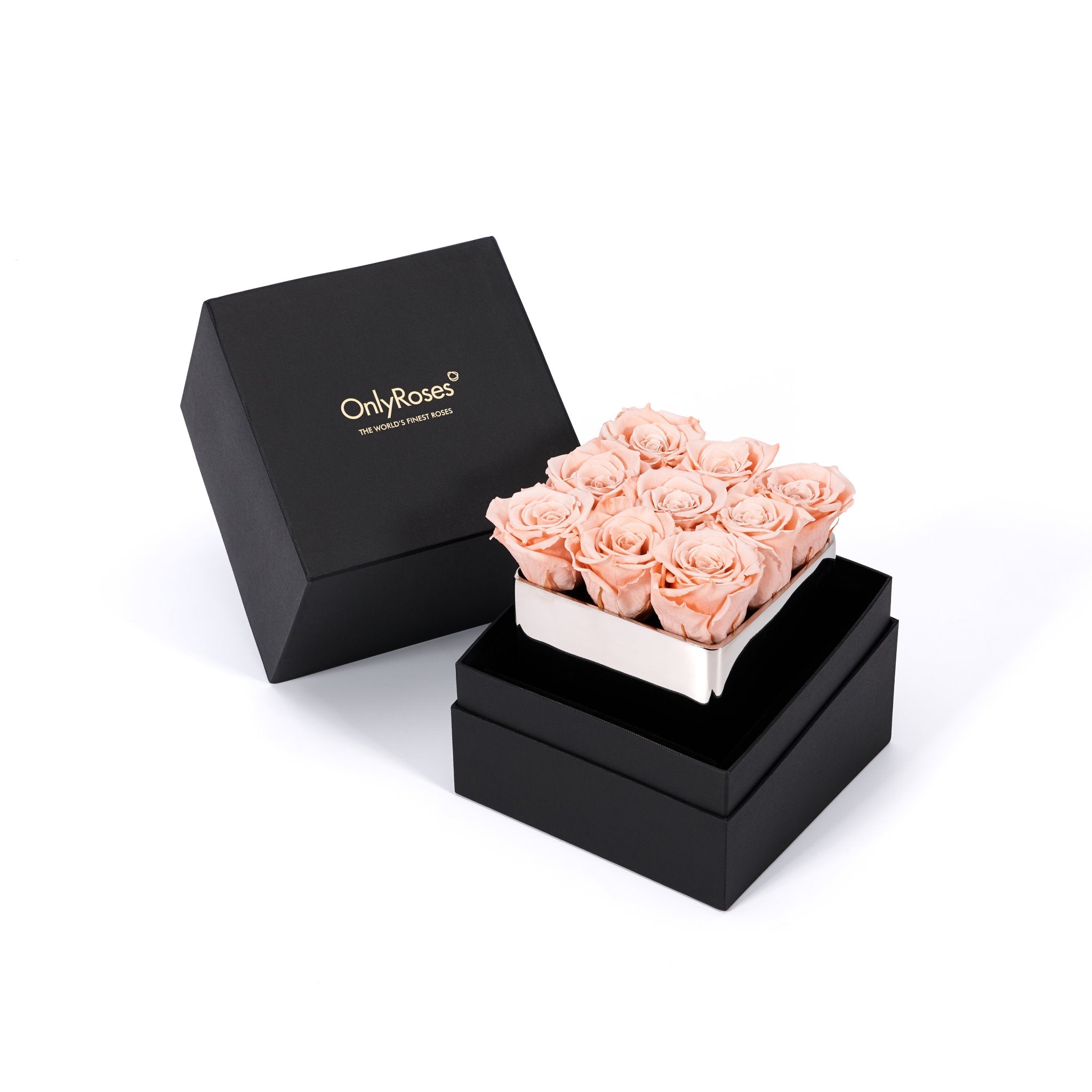
| Congratulations | Peach or champagne | Celebratory and gracious |
| Just because | Any colour you love | Spontaneous and affectionate |
A simple structure that always works
A reliable framework removes the intimidation of the blank page and lets your instincts come through. Three steps:
-
Name the occasion or reason. Ground the message in the moment. “These roses are for you on your thirtieth birthday” is simple, clear and already personal.
-
Express genuine feeling with a personal detail. This is the heart of it. Avoid vague sentiments like “you are so special” — reach for something only you could say. “Watching you navigate this past year with such grace has reminded me why I am so lucky to call you a friend” outperforms any generic phrase.
-
Close warmly and authentically. “With all my love,” “Yours always,” or “With admiration and warmth” all work beautifully when sincere. Match the close to the tone of your opening.
| Occasion | Sample message |
|---|---|
| Anniversary | “Twenty years ago today, you chose me. These roses are a small echo of everything I feel. With endless love.” |
| Birthday | “You deserve a whole garden. This is a start. Happy birthday, with so much joy.” |
| Sympathy | “Words feel inadequate right now. These roses are simply a way of saying: I am here, always.” |
| Congratulations | “You worked so hard for this. These roses are long overdue. So very proud of you.” |
The best notes avoid a performative tone and trim for brevity. Every word should earn its place — if a sentence adds neither emotion nor information, remove it.
Common mistakes — and how to add elegance
Most weak messages come from one of three sources: reaching too hard for poetry, leaning on cliché, or simply writing too much.
- Clichéd phrases: “Words cannot express,” “You mean the world to me” and “from the bottom of my heart” are so overused they register as background noise. Replace them with something specific and true.
- Excessive length: a premium arrangement is an edited gesture; your message should match that restraint. Three to five sentences is almost always enough.
- Forced sentiment: if you are not naturally given to poetry, do not write poetry. A natural, conversational note is far more moving than strained verse.
- Generic openers: “I just wanted to say” or “I hope these roses find you well” waste your most valuable line. Open with something that belongs to this person and this moment.
To refine a draft, read it once for content (does it name the occasion, include something personal, and close warmly?) and once for tone. Then read it aloud — our speaking voice is almost always more natural than our writing voice, and the exercise catches stiffness instantly. If you are pairing the note with a rose delivery, a line referencing a recent shared moment feels immediately alive; for more on how presentation and message work together, see unique rose gifts.
Tailoring the note to the occasion
Occasion shapes not just what you say but how you say it. A few registers to borrow from:
- Birthday: keep energy high and warmth central. “These roses are as bright and extraordinary as you are. Wishing you a birthday that lives up to everything you deserve.”
- Anniversary: let intimacy lead. “Every year with you adds colour I did not know was missing.”
- Sympathy: less is genuinely more. “These roses are a small way of saying I am thinking of you. There are no right words, only this.”
- Congratulations: be specific about the achievement. “You set your sights on this and refused to look away. These roses are for that resolve.”
- Just because: spontaneity is the message. “No occasion. Just roses, and you.”
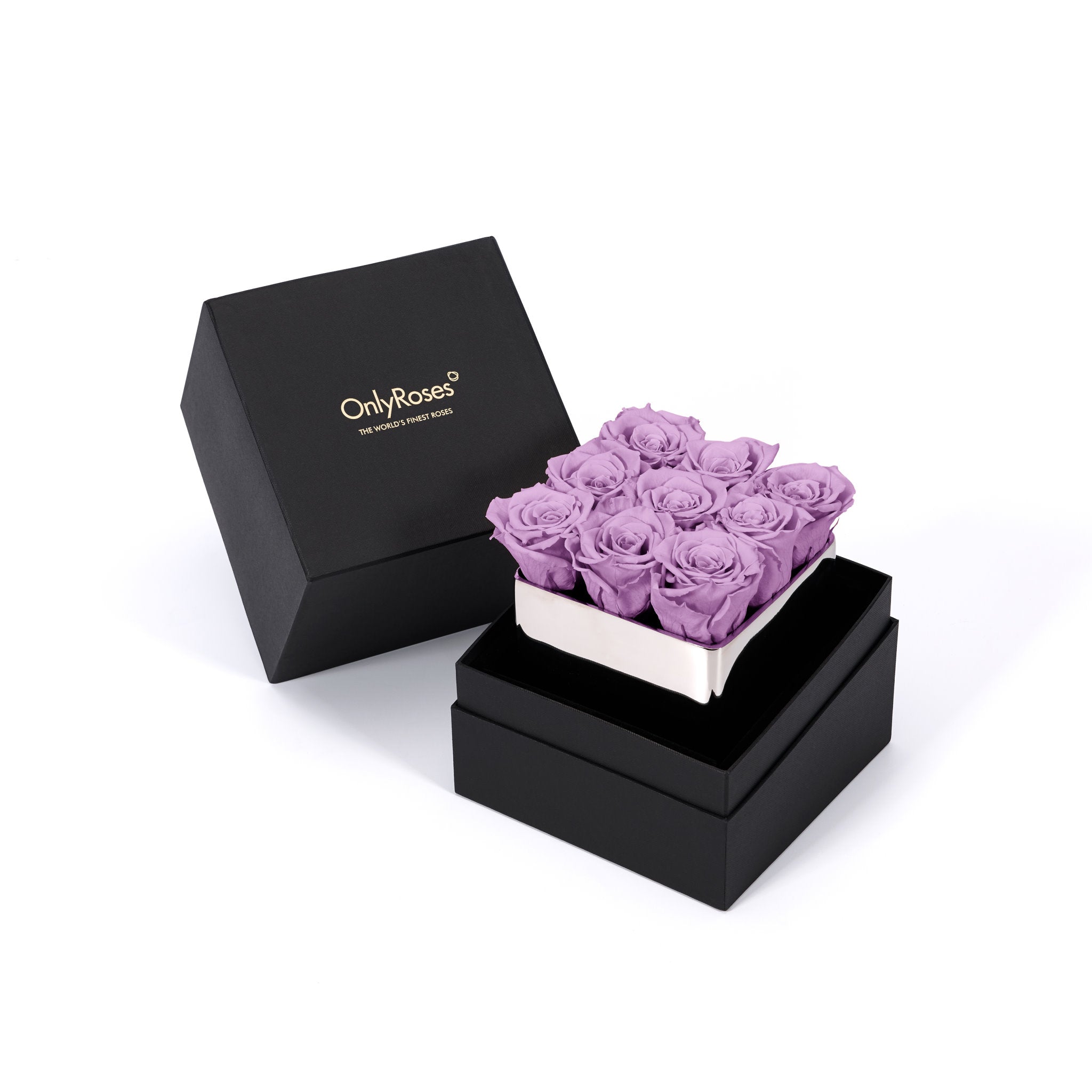
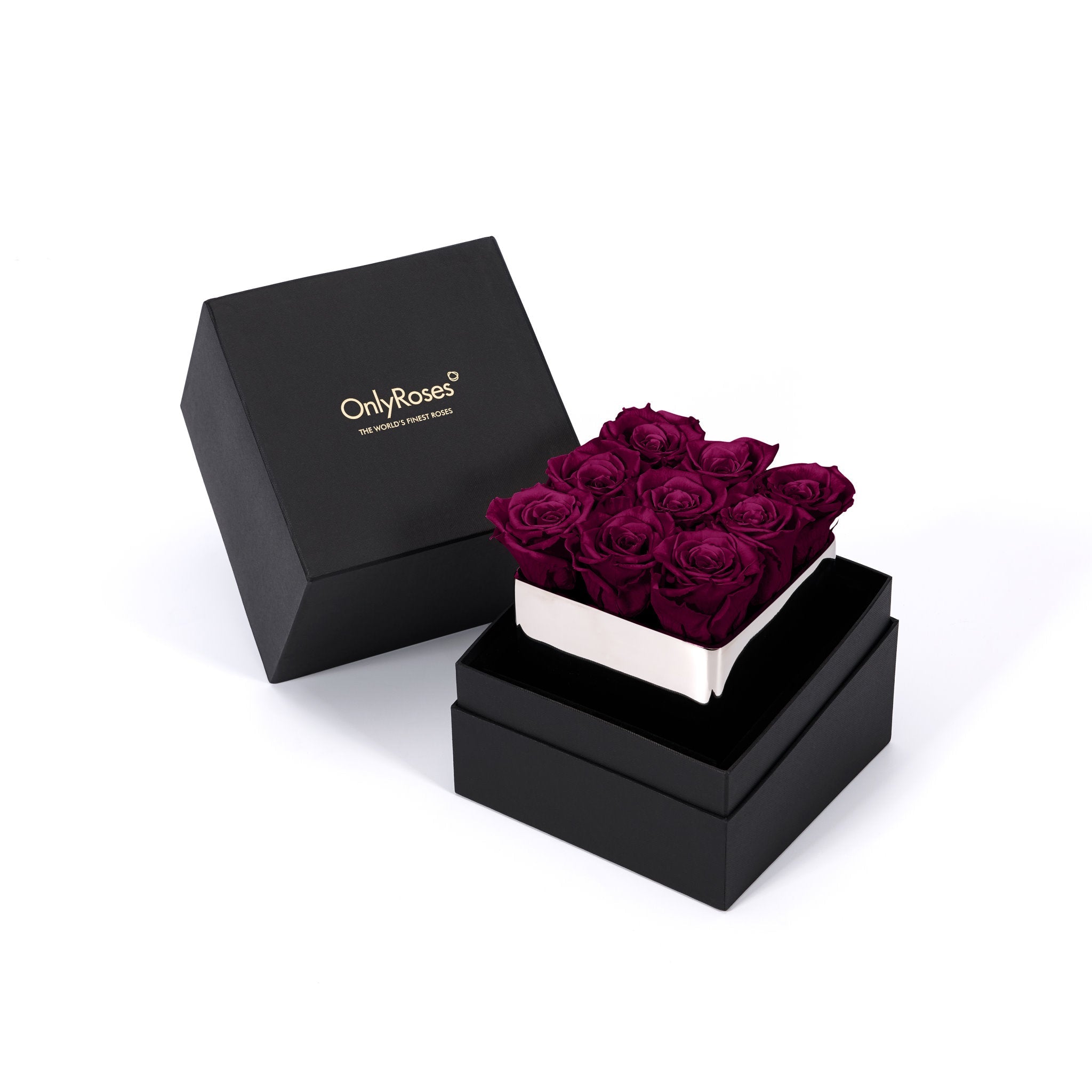
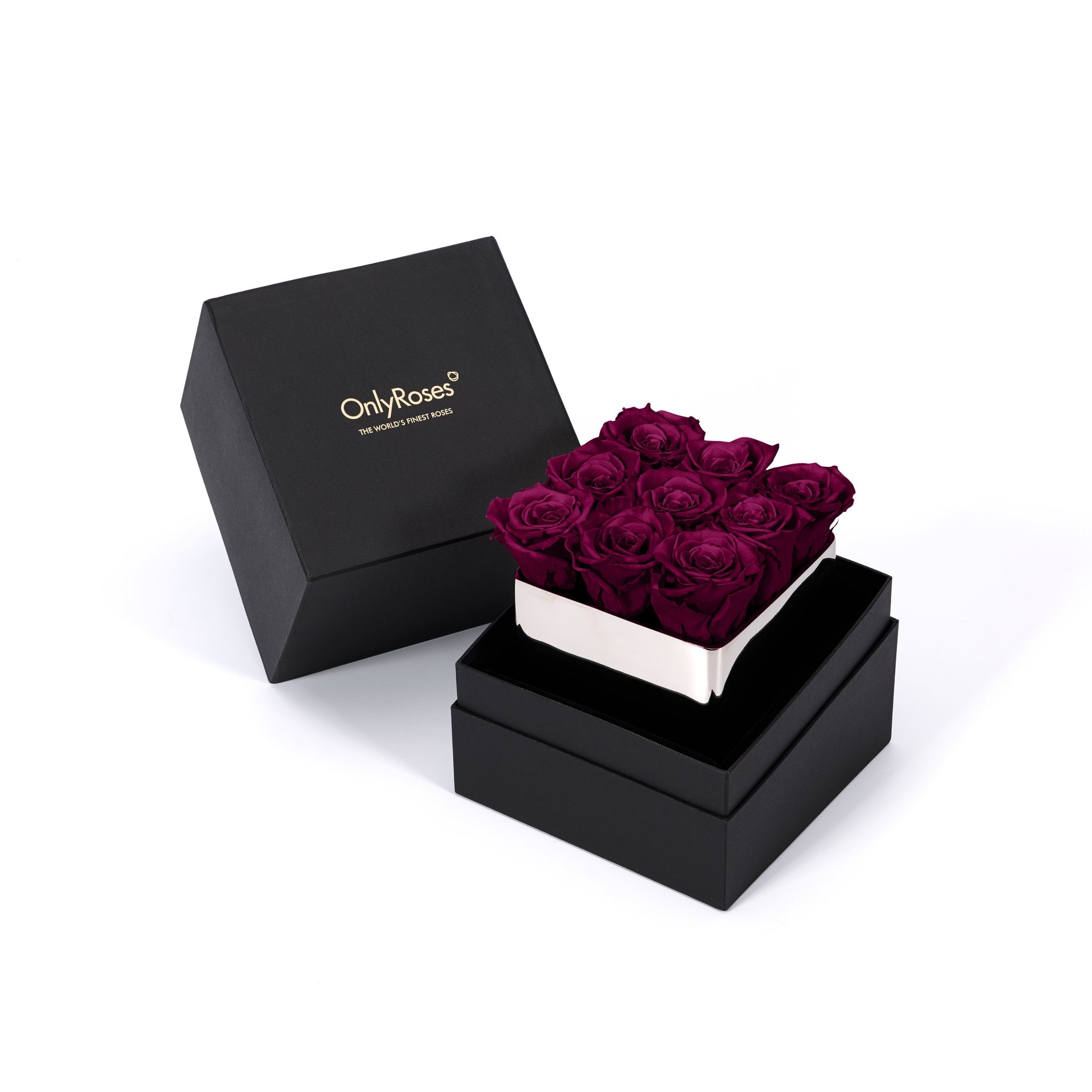
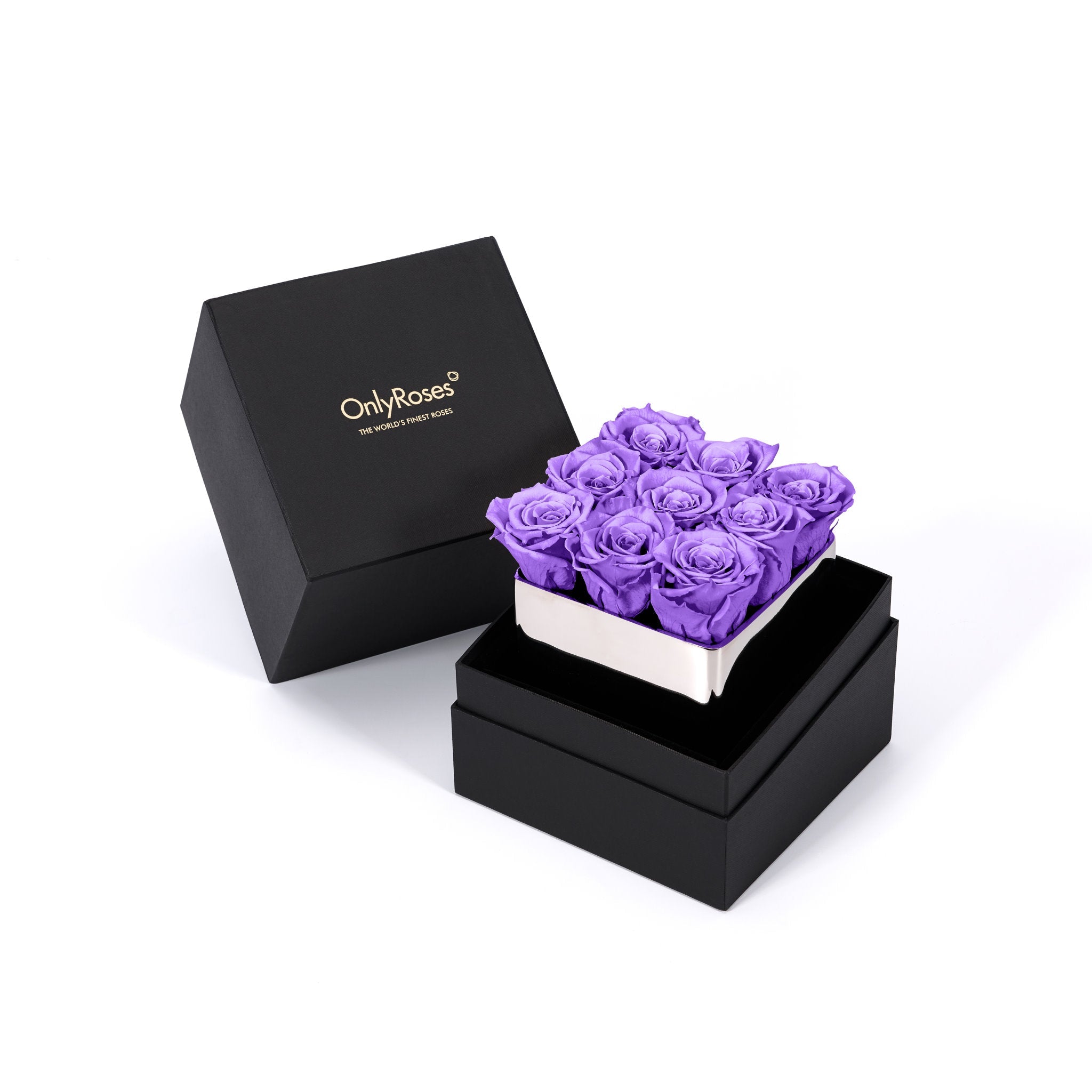
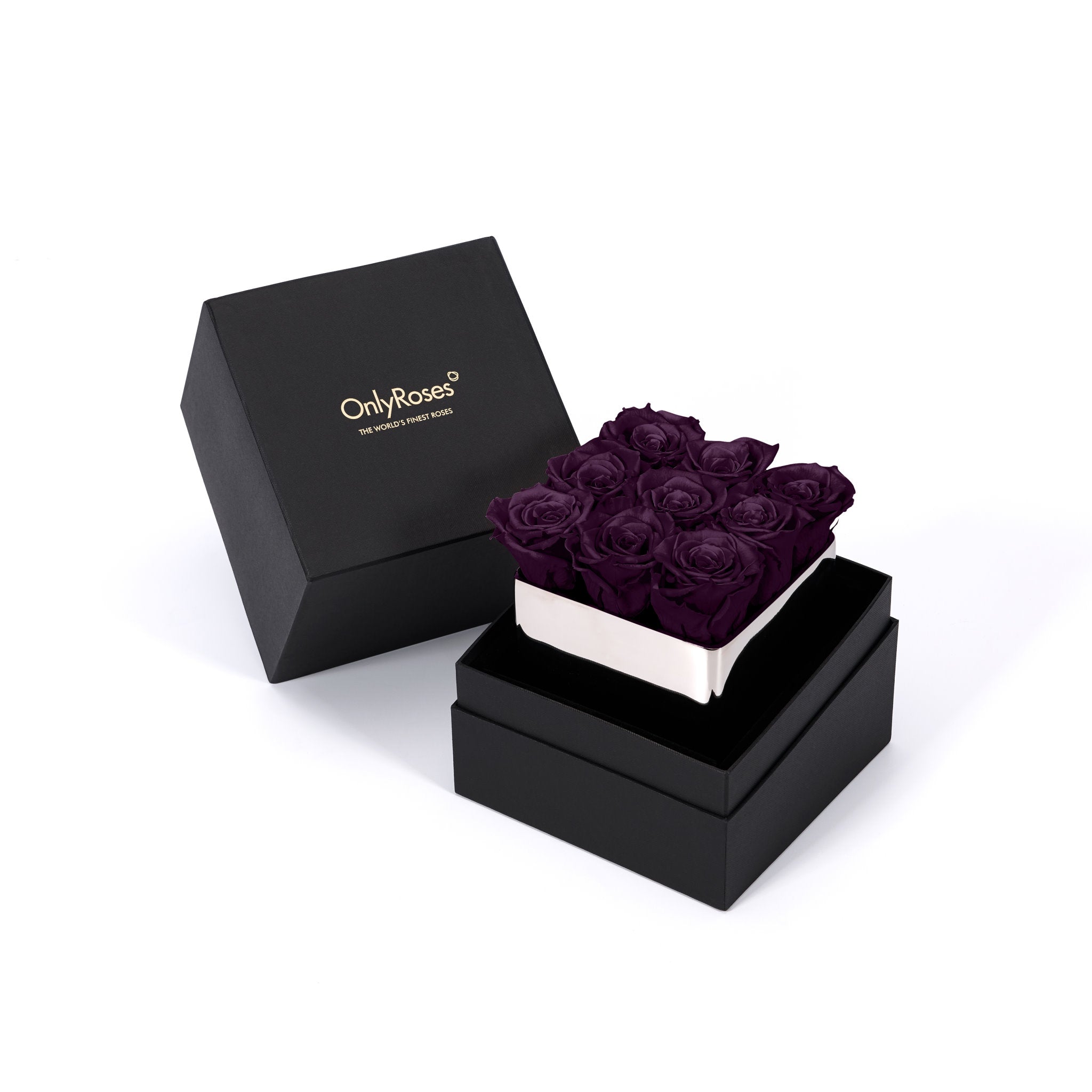
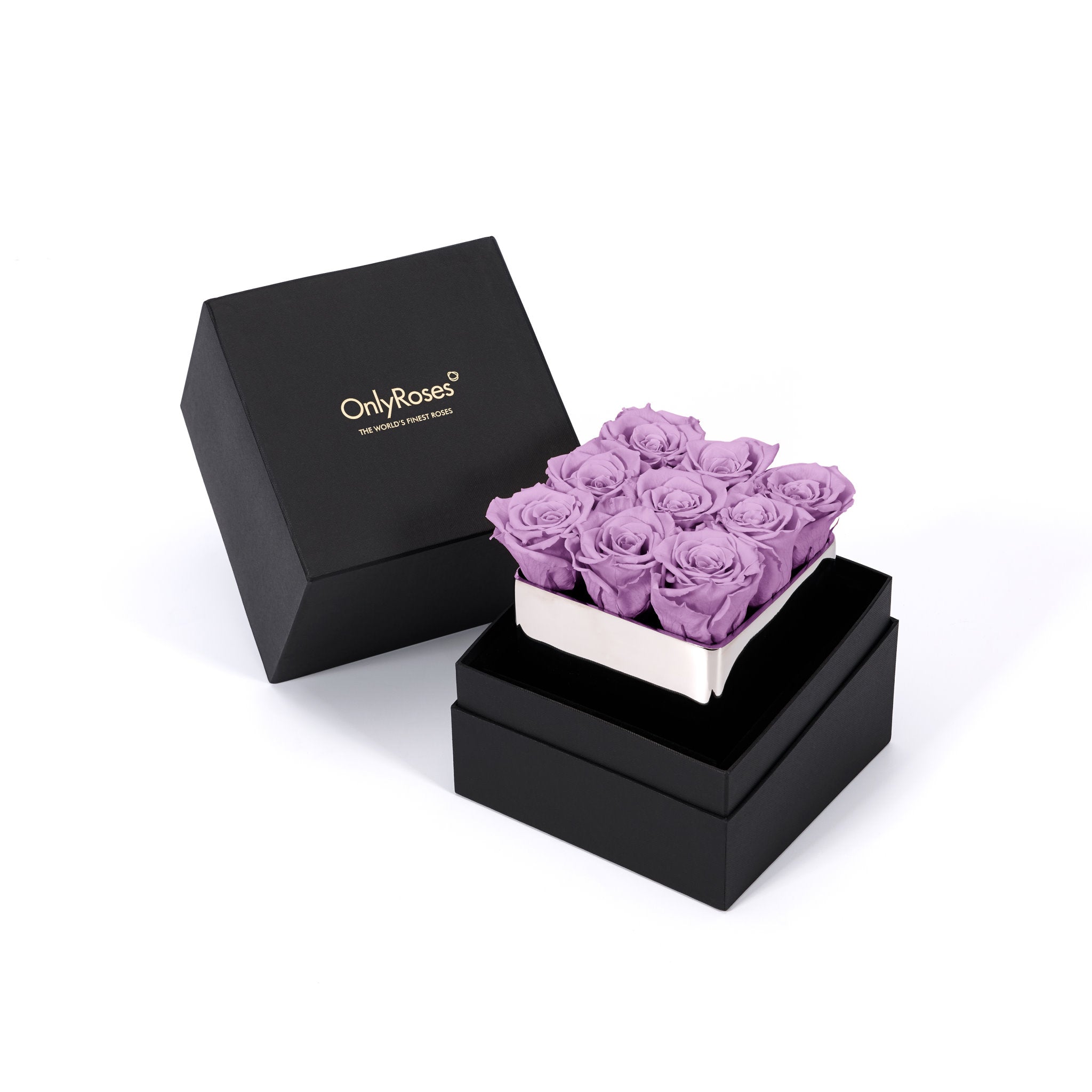
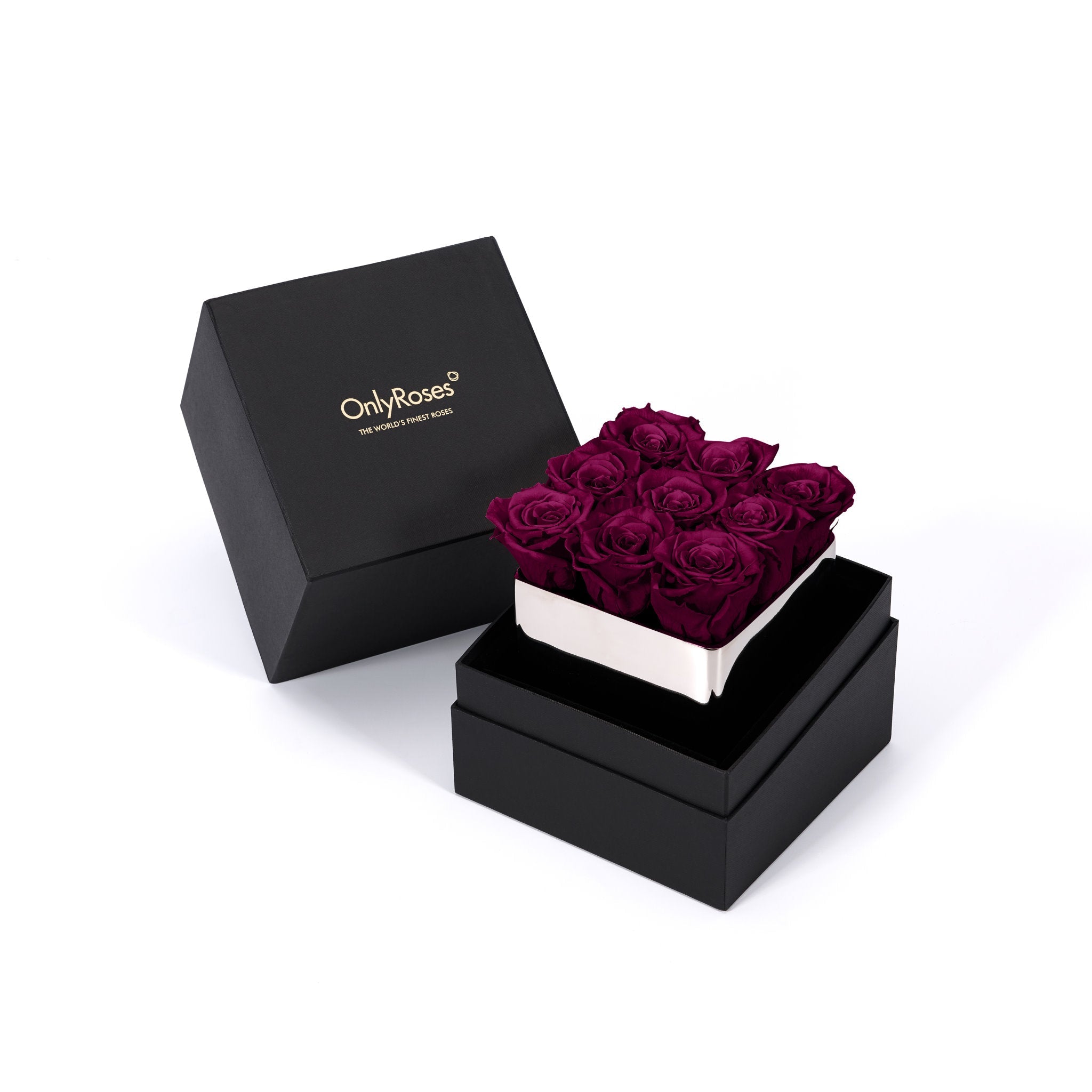
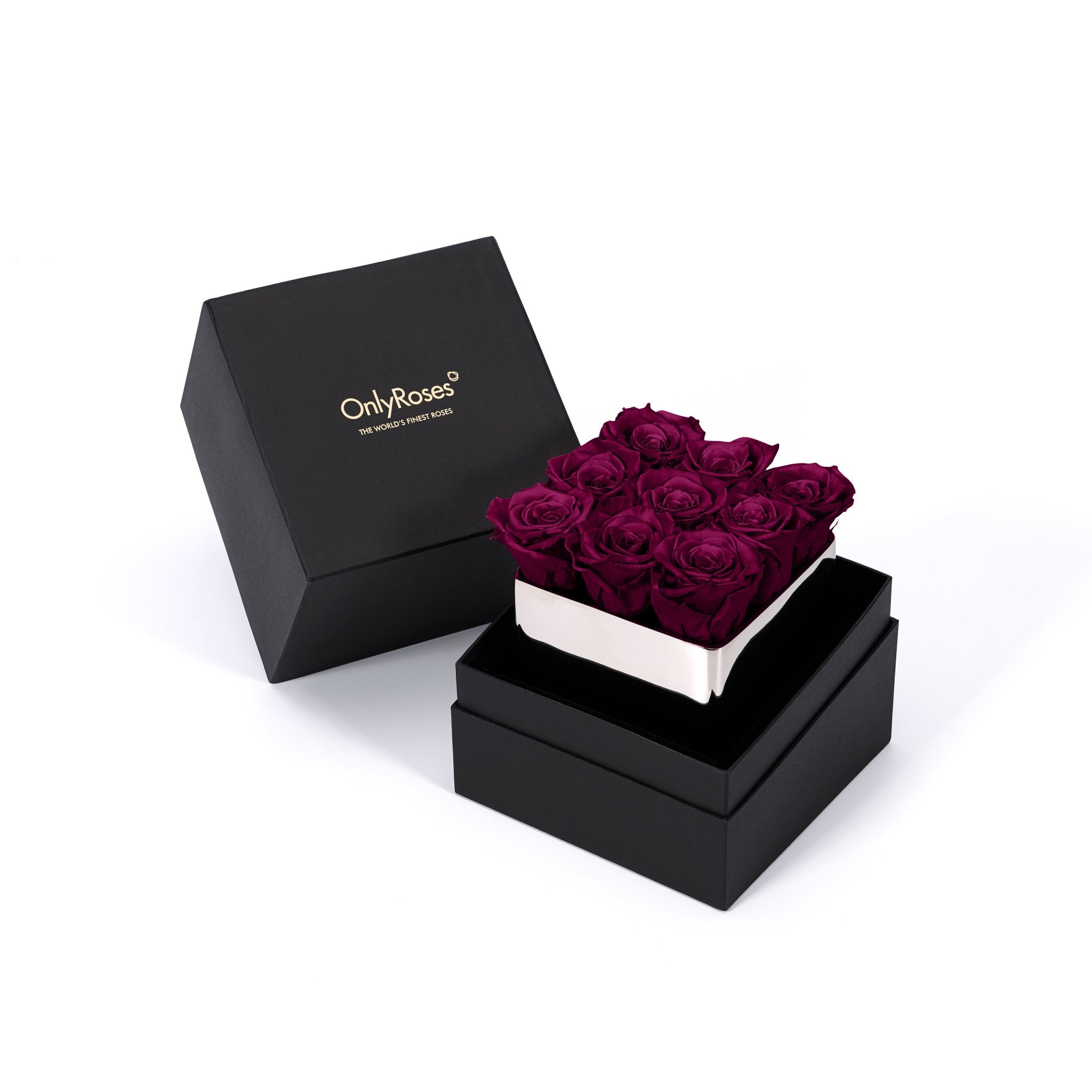
The colour informs tone, too — a rich burgundy arrangement invites deeper, more romantic language, while soft lilac or lavender suits gentler phrasing. A browse through rose types may spark language you had not considered.
Across all of them, the two elements recipients remember are the same: a named reason, and a genuine personal detail.
Why a personal note beats a perfect one
Worth saying plainly: the pursuit of a perfect message can quietly undo the warmth you are trying to express. A beautifully composed note can feel strangely cold, while an imperfect, slightly rushed one can move someone to tears. The difference is always authenticity. A handwritten “I thought of you immediately” carries more weight than a polished paragraph that could have been written for anyone. A sophisticated arrangement is already doing real emotional work; your message does not need to match its grandeur, only to match you. Give yourself permission to be simple — simple is honest, and honest is always elegant.
Pair your words with the right roses
Your words are ready; now the arrangement should match their quality.
At OnlyRoses, every arrangement is composed with the same care you have just brought to your message. From preserved Infinite Roses® that hold their beauty for one to three years — up to five in ideal conditions — to our sculptural Classic Rose Heart arrangements, the collection is built for those who understand that luxury lives in the details.
Frequently asked questions
What makes a rose gift message elegant?
An elegant message is concise, sincere and personalised to both the occasion and the recipient — avoiding generic phrases in favour of something that names the emotion and includes a genuine personal detail.
Do rose messages need to be lengthy or poetic?
No. The finest notes are brief and true to the writer’s voice. Trimming for brevity consistently produces more impact than elaborate prose.
Should my message reflect the rose colour?
Yes. Aligning your language with the colour’s meaning — passionate red, gentle white — makes the note feel thoughtful and intentional rather than incidental to the gift.
How can I check if my message sounds natural?
Read it aloud. Your ear will catch awkward phrasing and stiffness that your eye tends to overlook on the page.