

TL;DR:
- Rose varieties are categorized by their horticultural groups, which predict growth habits and blooming patterns.
- Understanding these groups helps in selecting roses suited for gardens, gifting, or arrangements.
Rose varieties are best understood through their horticultural classification groups, which determine growth habit, flowering pattern, and bloom form. The differences in rose varieties go far beyond colour. Species roses, old garden roses, Hybrid Teas, Floribundas, climbers, and ramblers each behave in distinct ways that affect how they look, how they grow, and how well they suit gifting or garden planting. Knowing these classification-based differences gives you a reliable framework for choosing the right rose every time.
1. How species and wild roses differ from cultivated varieties
Species roses, also called wild roses, are the foundation of every cultivated variety grown today. Wild roses typically have five petals, producing a simple, open flower that looks nothing like the full blooms found in florists or luxury gift boxes. Cultivated roses, by contrast, have been bred over centuries to develop double or multiple petals, resulting in the lush, layered blooms most buyers recognise.
The practical differences matter for garden use. Species roses grow vigorously with minimal intervention and suit hedging, wildlife planting, and naturalistic borders. Their simple flower form attracts pollinators far more effectively than densely petalled cultivated types.
- Species roses have five petals per bloom
- Cultivated roses have double or multiple petals through selective breeding
- Wild roses suit wildlife gardens and informal hedging
- Cultivated roses suit cutting, formal display, and gifting
Pro Tip: If you want a low-maintenance rose that supports bees and birds, a species rose like Rosa canina (the dog rose) requires almost no pruning and thrives in poor soil.
2. What sets old garden roses apart from modern roses
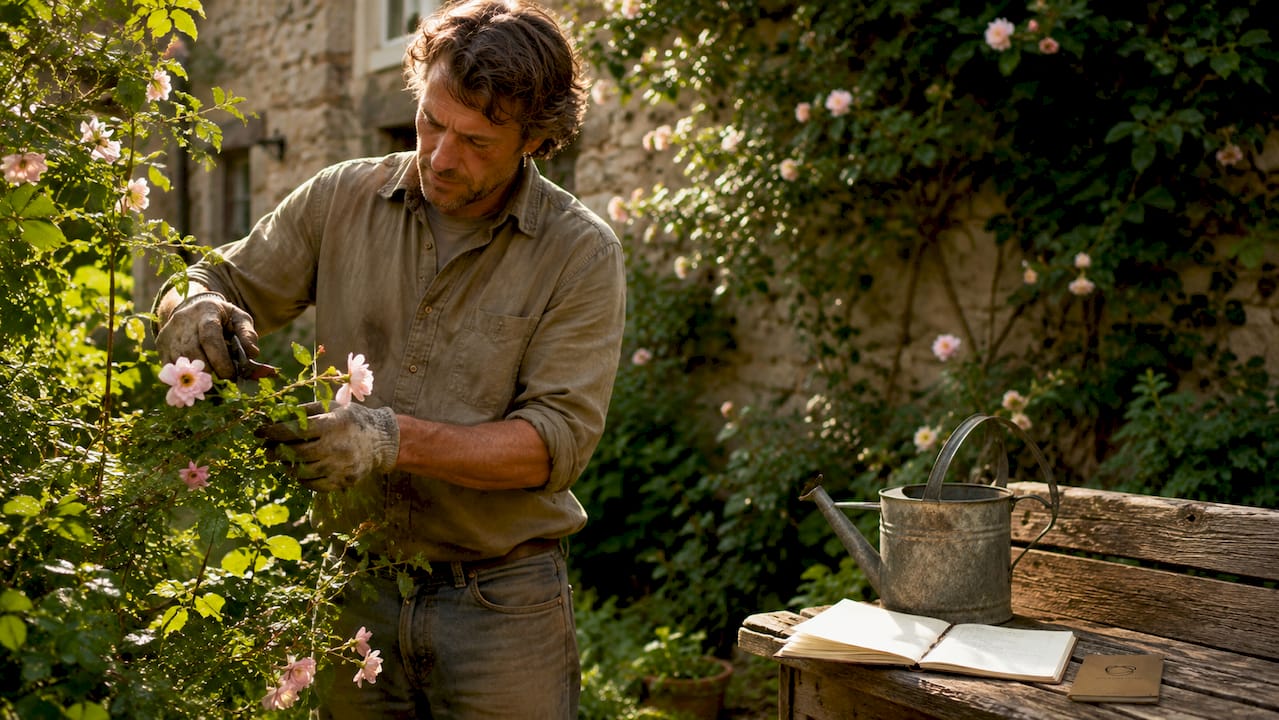
Old garden roses are defined as any variety that existed before 1867, the year the first Hybrid Tea was introduced. These roses, including Gallicas, Damasks, and Bourbons, typically bloom once per season and carry a fragrance that modern varieties rarely match. Their scent is often described as rich and complex, a quality that made them the dominant choice in perfumery for centuries.
Modern roses, bred since 1867, introduced two significant changes: larger double blooms and repeat flowering. A modern Hybrid Tea will produce flowers from late spring through to autumn, whereas a Gallica rose gives one spectacular flush in june and then rests for the year.
Key distinctions between old and modern roses:
- Flowering frequency: Old garden roses bloom once; modern roses repeat through the season
- Fragrance: Old garden types, especially Damasks, carry stronger, more complex scent
- Bloom size: Modern roses tend to have larger, more structured blooms
- Hardiness: Many old garden roses tolerate poor soil and cold better than modern hybrids
- Pruning needs: Old garden roses require lighter pruning than most modern bush types
Pro Tip: If fragrance is your priority for a garden rose, choose a Damask such as ‘Madame Hardy’ over a modern variety. The scent difference is immediately noticeable.
3. Hybrid Tea versus Floribunda roses: key differences for gifting and garden display
The distinction between Hybrid Tea and Floribunda roses is the most practically useful for buyers. Hybrid Tea roses produce upright single blooms on long stems and are the classic choice for cutting and formal bouquets. Each stem carries one large, ornate flower, which is why they appear in luxury arrangements and high-end gifting. Hybrid Teas carry 30–50 petals per bloom, giving them the full, sculptural appearance that defines premium rose gifts.
Floribundas work differently. They produce clusters of smaller flowers on each stem, blooming continuously over a longer period. This makes them far better suited to garden colour displays than to cutting, since the cluster form does not translate as elegantly into a single-stem bouquet.
| Feature | Hybrid Tea | Floribunda |
|---|---|---|
| Bloom form | Single large bloom per stem | Cluster of blooms per stem |
| Petal count | 30–50 petals | Fewer petals per individual bloom |
| Best use | Cutting, formal bouquets, gifting | Garden colour, mass planting |
| Flowering | Repeat, but fewer blooms at once | Continuous, abundant colour |
| Stem length | Long, upright | Shorter, branching |
- Hybrid Teas like ‘Peace’ and ‘Just Joey’ are the go-to choice for gifting and formal arrangements
- Floribundas suit buyers who want sustained garden colour rather than cut flowers
- Flower form aligns directly with intended use, whether cutting or display
Pro Tip: When selecting roses for a gift bouquet, always choose Hybrid Tea stems over Floribundas. The single, structured bloom photographs better and holds its shape longer in a vase.
4. Climbing and rambler roses: contrasting flowering habits and growth
Climbers and ramblers are often grouped together, but their flowering behaviour is fundamentally different. Climbers repeat-flower throughout the season, producing blooms from late spring into autumn. Ramblers flower once, usually in june, but deliver a spectacular mass display that climbers cannot match in sheer volume.
Growth habit separates them further. Climbers are more controlled, with stiffer canes that need tying to a support structure. Ramblers are vigorous spreaders that can cover a large wall, pergola, or tree in a few seasons. This makes ramblers unsuitable for small gardens but extraordinary in large, informal spaces.
- Climbers: repeat-flowering, manageable growth, suit walls and fences
- Ramblers: once-flowering in june, very vigorous, suit large structures and trees
- Choose between them based on whether you want continuous blooms or one dramatic seasonal show
- Ramblers require less regular pruning but more space to perform well
5. How to choose rose varieties based on purpose and care needs
Selecting roses by horticultural group is the most reliable method for matching a variety to your needs. Colour and name alone tell you very little about how a rose will behave in your garden or how it will look in an arrangement six months from now.
Match your choice to your purpose:
- For formal gifting: Hybrid Tea roses on long stems are the standard. Varieties like ‘Peace’ deliver the single, structured bloom that reads as luxurious and considered
- For casual arrangements: Floribundas offer abundant clusters that suit relaxed, garden-style bouquets
- For garden borders: Shrub roses and species roses require the least care and integrate naturally into mixed planting
- For seasonal drama: Ramblers provide one extraordinary flush that transforms a garden structure for several weeks
- For year-round interest: Repeat-flowering climbers or modern shrub roses maintain colour from late spring through autumn
Care needs also vary significantly by group. Species and old garden roses generally need less intervention than modern Hybrid Teas, which benefit from regular feeding, deadheading, and disease management.
Key takeaways
The most reliable way to understand rose variety differences is to group them by horticultural type, since this predicts flowering pattern, bloom form, and care needs more accurately than colour or name.
| Point | Details |
|---|---|
| Classification drives behaviour | Horticultural grouping predicts flowering time, pruning needs, and growth habit reliably. |
| Wild versus cultivated bloom form | Species roses have five petals; cultivated Hybrid Teas carry 30–50 petals per bloom. |
| Hybrid Tea suits gifting | Single blooms on long stems make Hybrid Teas the standard choice for formal bouquets. |
| Floribunda suits garden display | Clustered, continuous flowering makes Floribundas better for colour impact than cutting. |
| Climbers versus ramblers | Climbers repeat-flower all season; ramblers deliver one spectacular flush, usually in june. |
Why classification changed how I think about roses
Most buyers choose roses by colour first and name second. I did the same for years. The shift came when I started treating horticultural grouping as the first filter, not the last. Once you know whether a rose is a Hybrid Tea, a Floribunda, or a rambler, almost every other question answers itself: how long the stems will be, whether it suits a bouquet or a border, how often it will flower, and how much work it will need.
The most common misunderstanding I encounter is buyers expecting a Floribunda to behave like a Hybrid Tea in a vase. The cluster form simply does not work the same way. A single Hybrid Tea stem is a complete statement. A Floribunda stem is part of a garden picture. Both are beautiful, but they serve entirely different purposes.
The other thing worth saying plainly: fragrance is not guaranteed by variety type alone. Old garden roses, particularly Damasks, are the safest choice if scent matters to you. Many modern Hybrid Teas have had fragrance bred out in favour of disease resistance and bloom size. Read the variety description carefully before buying for scent.
— Anian
Premium roses for gifting and personal enjoyment at OnlyRoses
OnlyRoses sources exclusively from high-altitude farms in Ecuador, where growing conditions produce exceptional bloom size, stem length, and colour depth. The result is a range of roses that reflect the best of what cultivated varieties can achieve.
The Classic Rose Altura Duet showcases the structured, full-petalled bloom that defines premium Hybrid Tea-style roses, presented in OnlyRoses’ signature hat box packaging. For a gift that lasts far beyond a fresh arrangement, the Infinite Rose in Pastel Tones offers preserved roses that retain their softness and appearance for months. Both collections reflect the same principle: the right variety, presented with precision, makes all the difference.
FAQ
What are the main differences in rose varieties?
Rose varieties differ primarily by horticultural group, which determines bloom form, flowering frequency, and growth habit. The main groups are species roses, old garden roses, and modern roses including Hybrid Teas, Floribundas, climbers, and ramblers.
Which rose variety is best for a gift bouquet?
Hybrid Tea roses are the standard choice for gifting, as their single blooms on long stems suit formal arrangements. Varieties like ‘Peace’ and ‘Just Joey’ are widely recommended for cutting and presentation.
How many petals do Hybrid Tea roses have?
Hybrid Tea roses carry 30–50 petals per bloom, compared to the five petals found on wild species roses. This petal count gives them their characteristic full, layered appearance.
Do climbing roses and rambler roses flower at the same time?
No. Climbers repeat-flower throughout the season, while ramblers produce one large flush of blooms, typically in june. Choose climbers for continuous colour and ramblers for a single dramatic display.
Are old garden roses harder to grow than modern varieties?
Old garden roses are generally easier to maintain than modern Hybrid Teas. They tolerate poorer soil and colder conditions, and most require lighter pruning. Their main limitation is that they flower only once per season.

