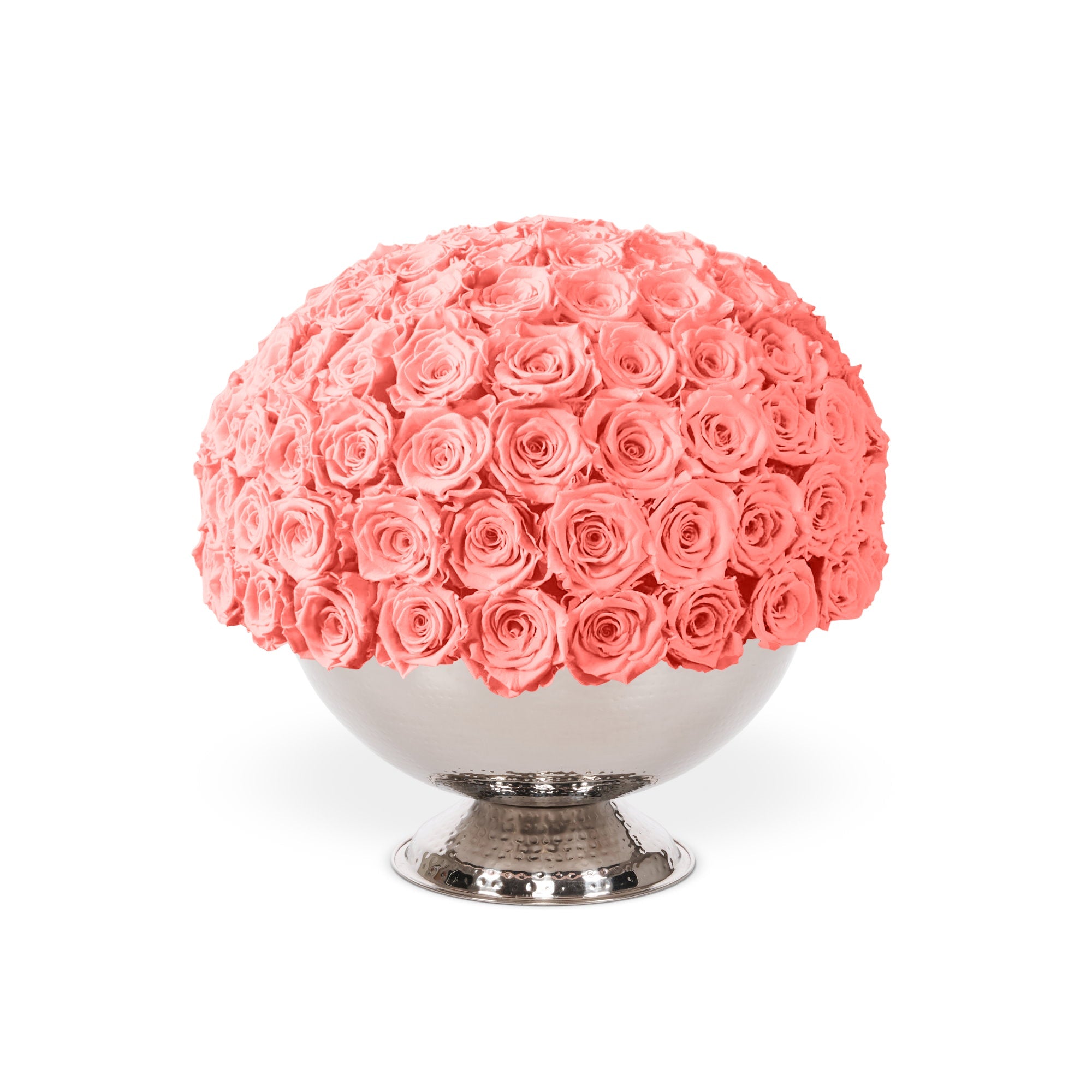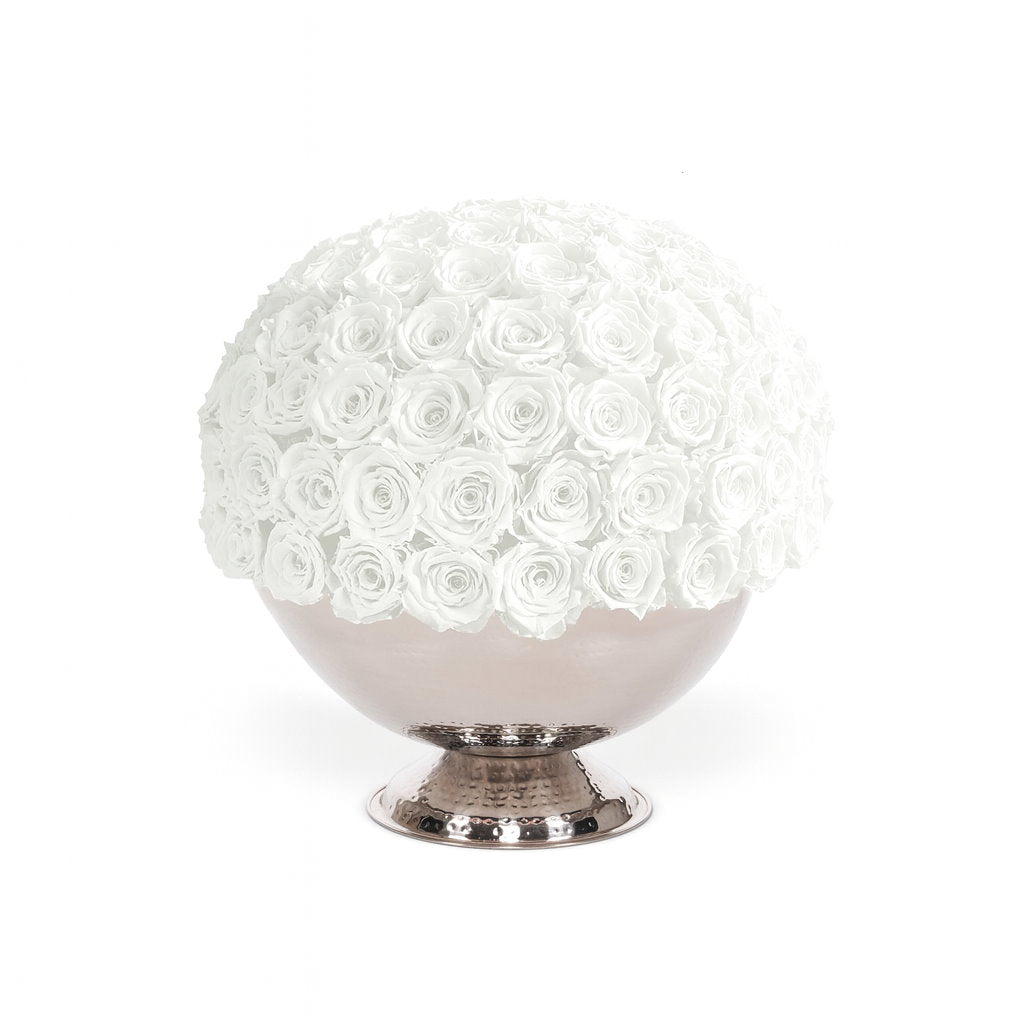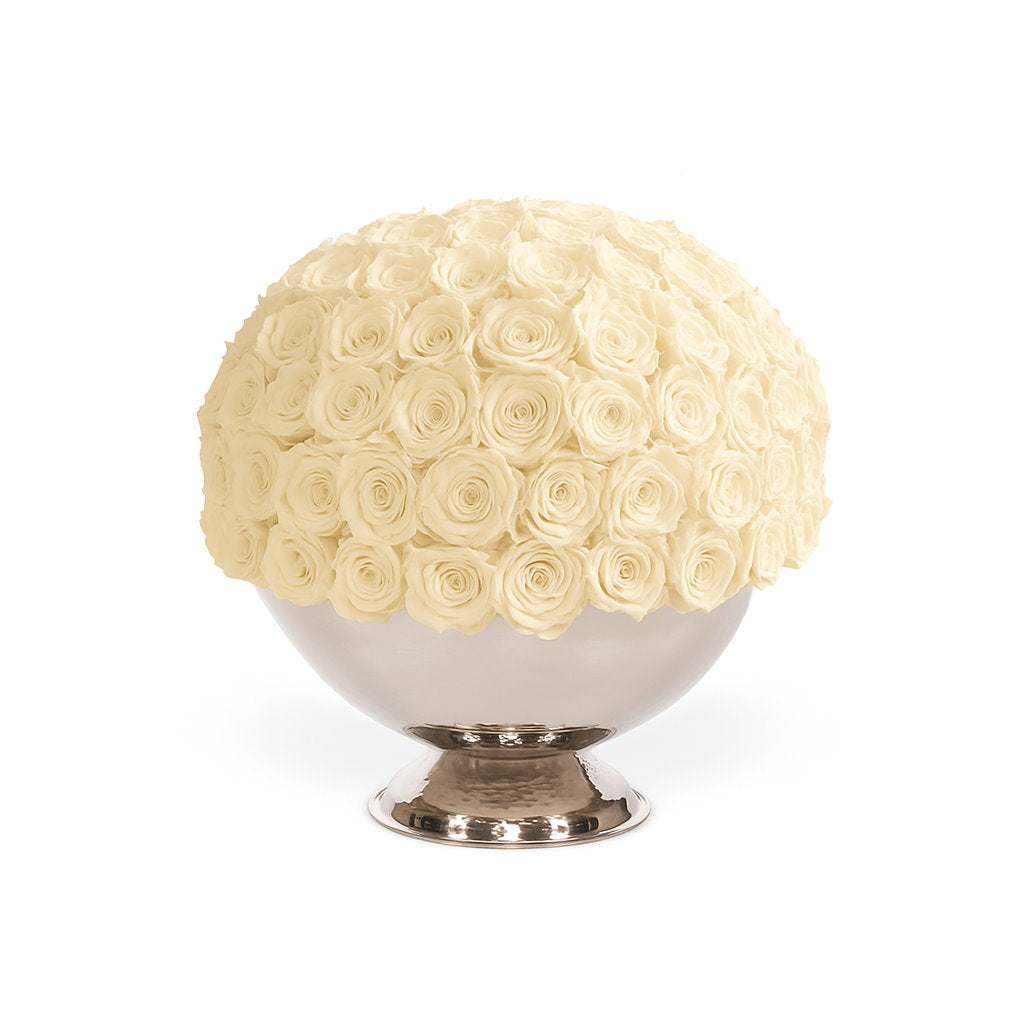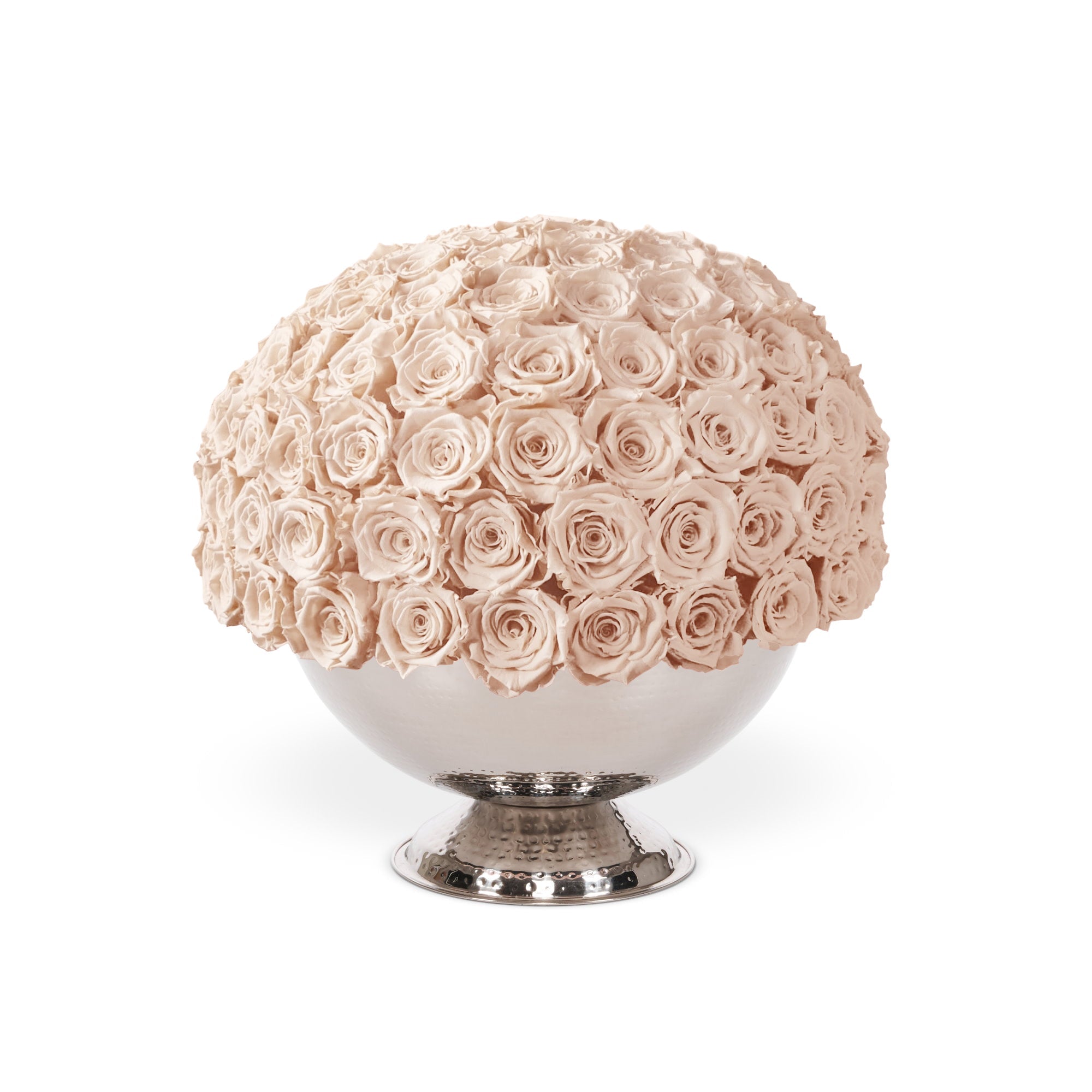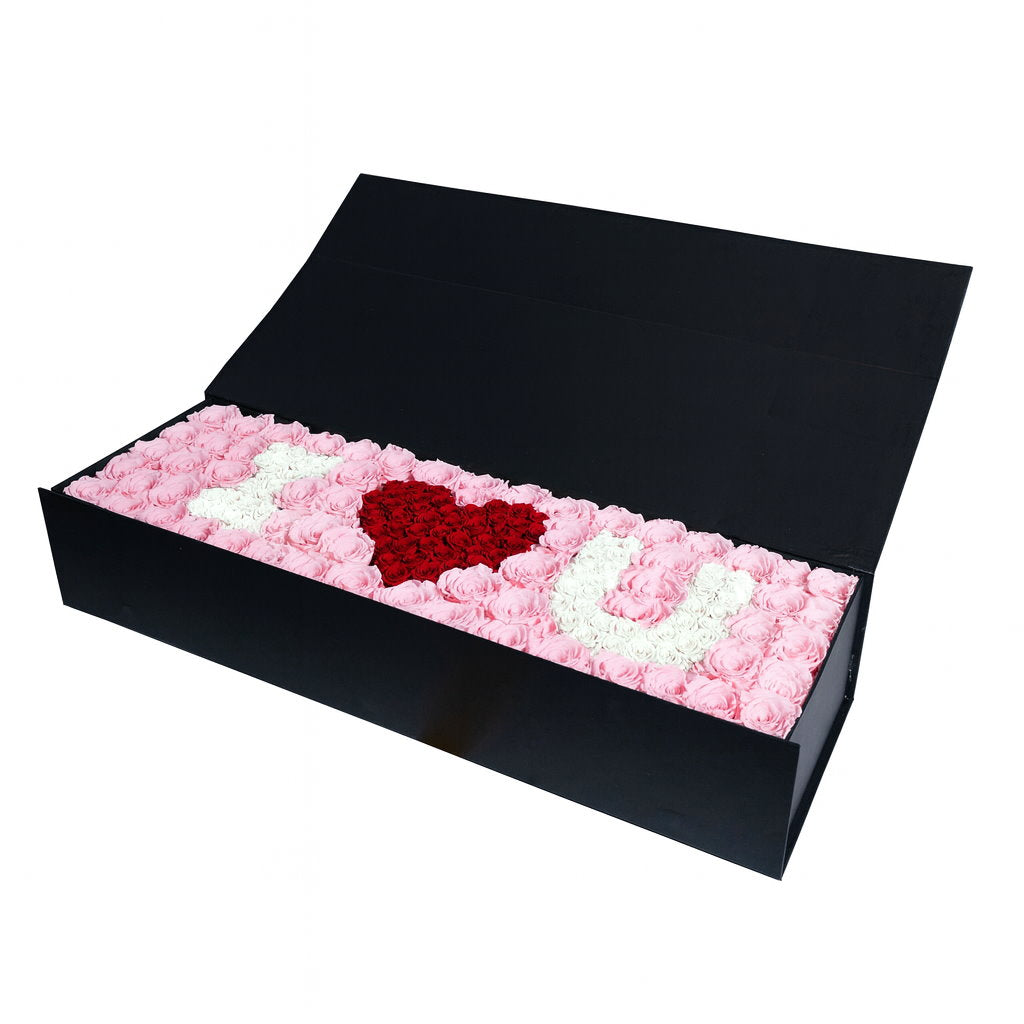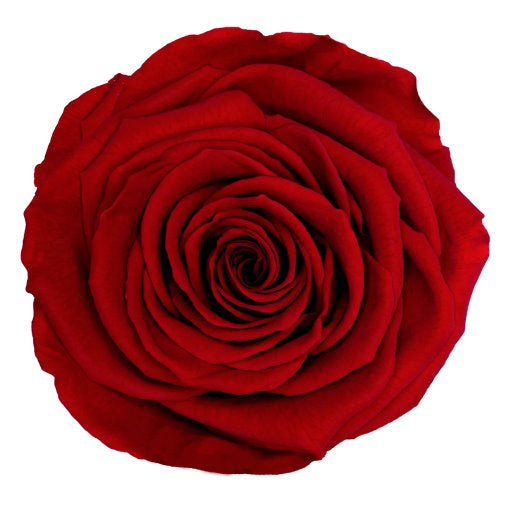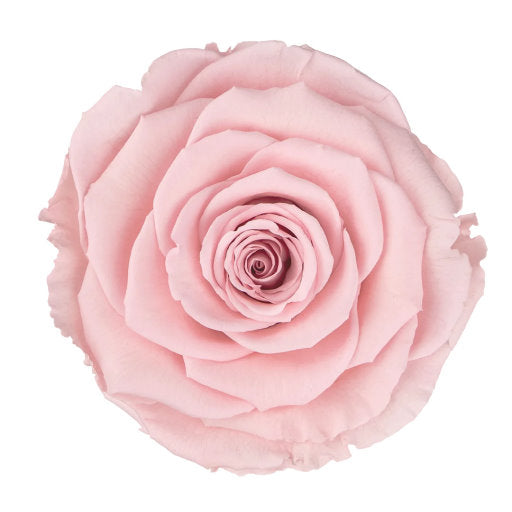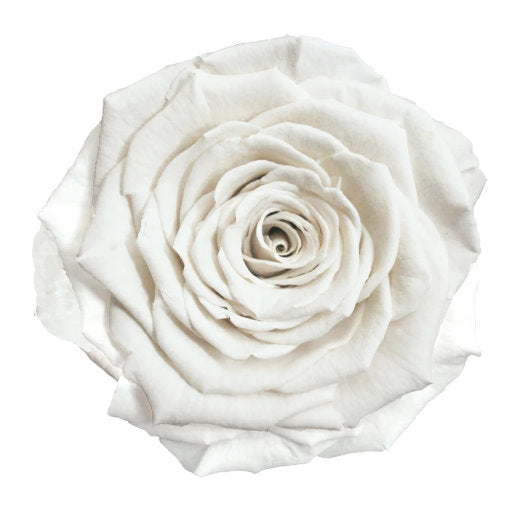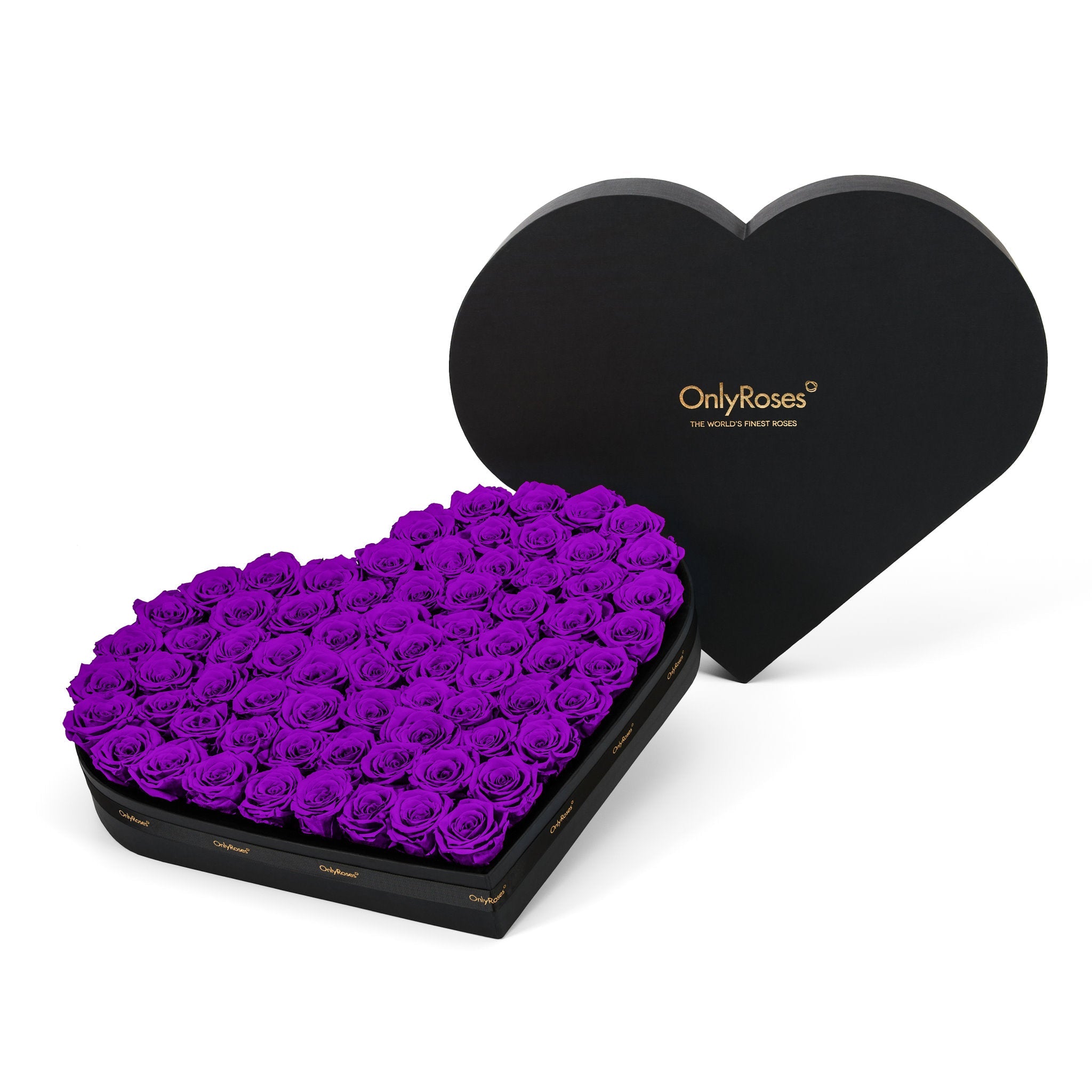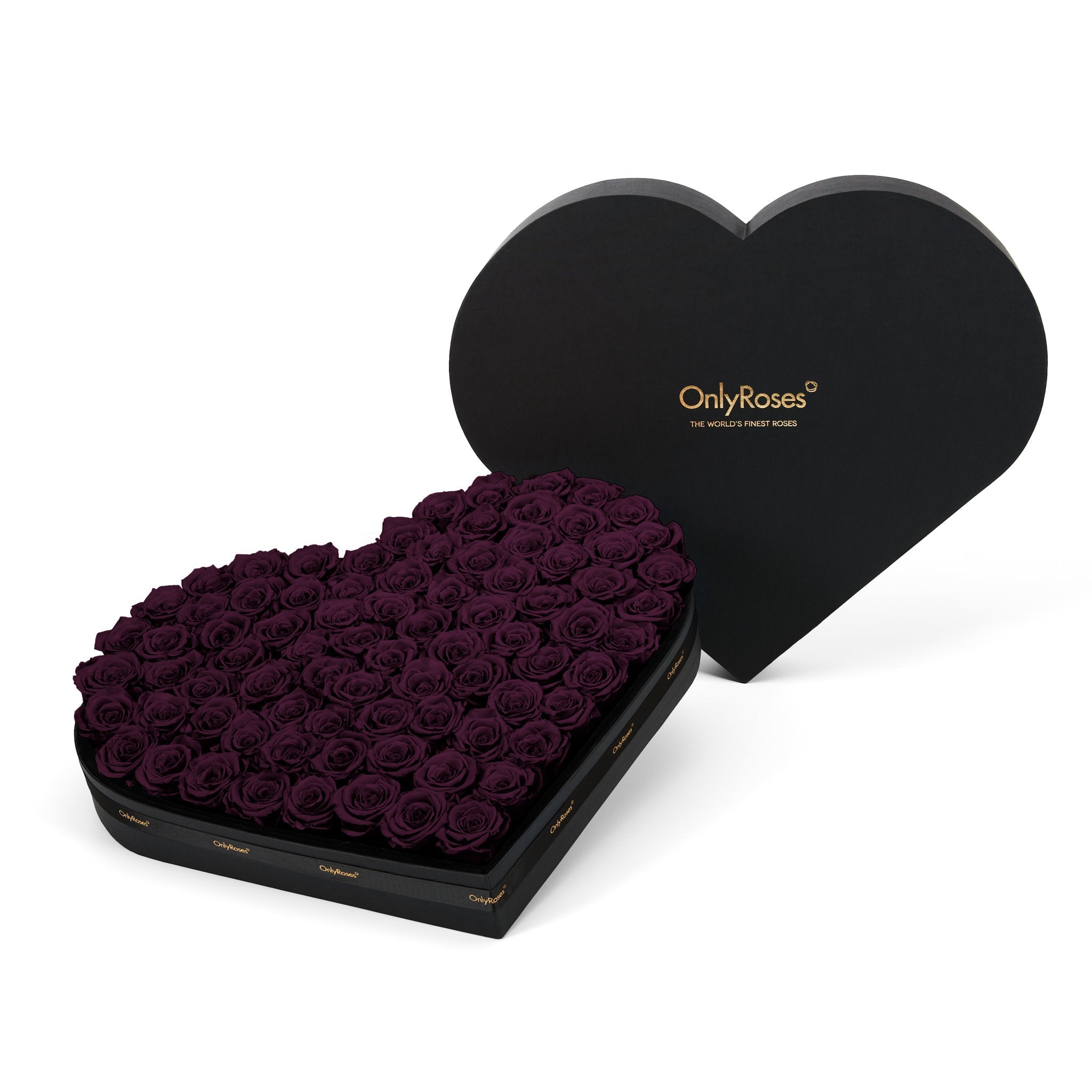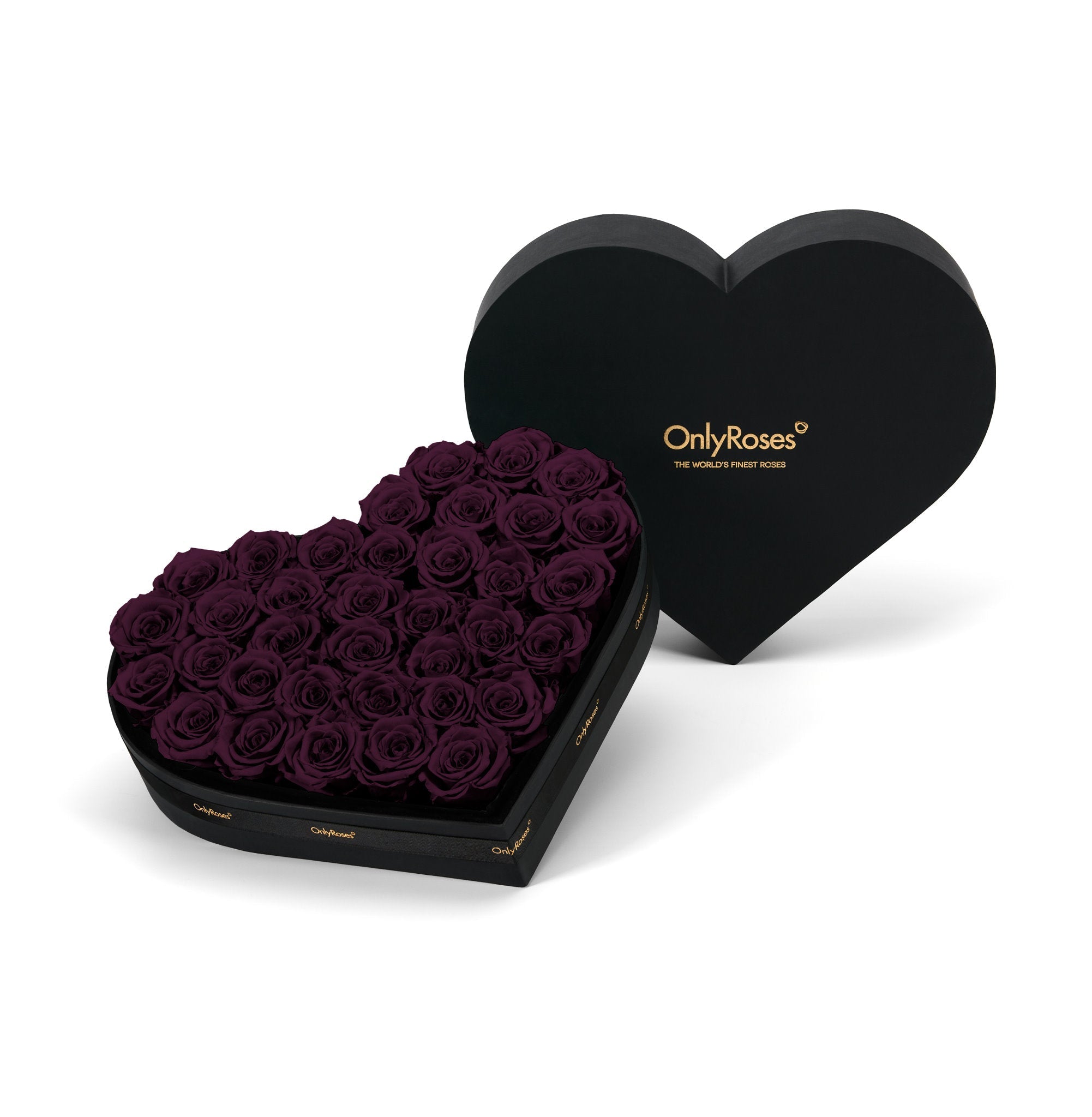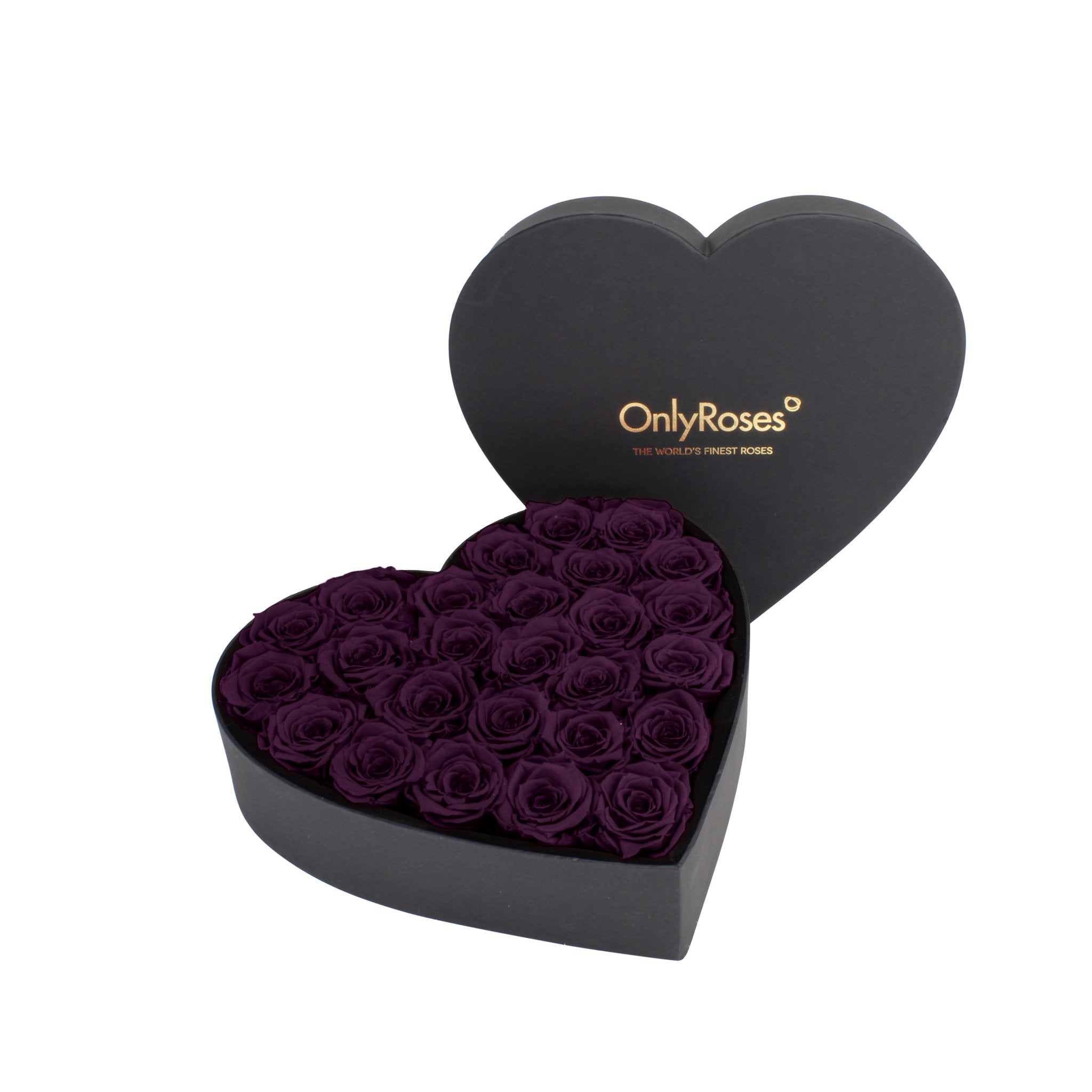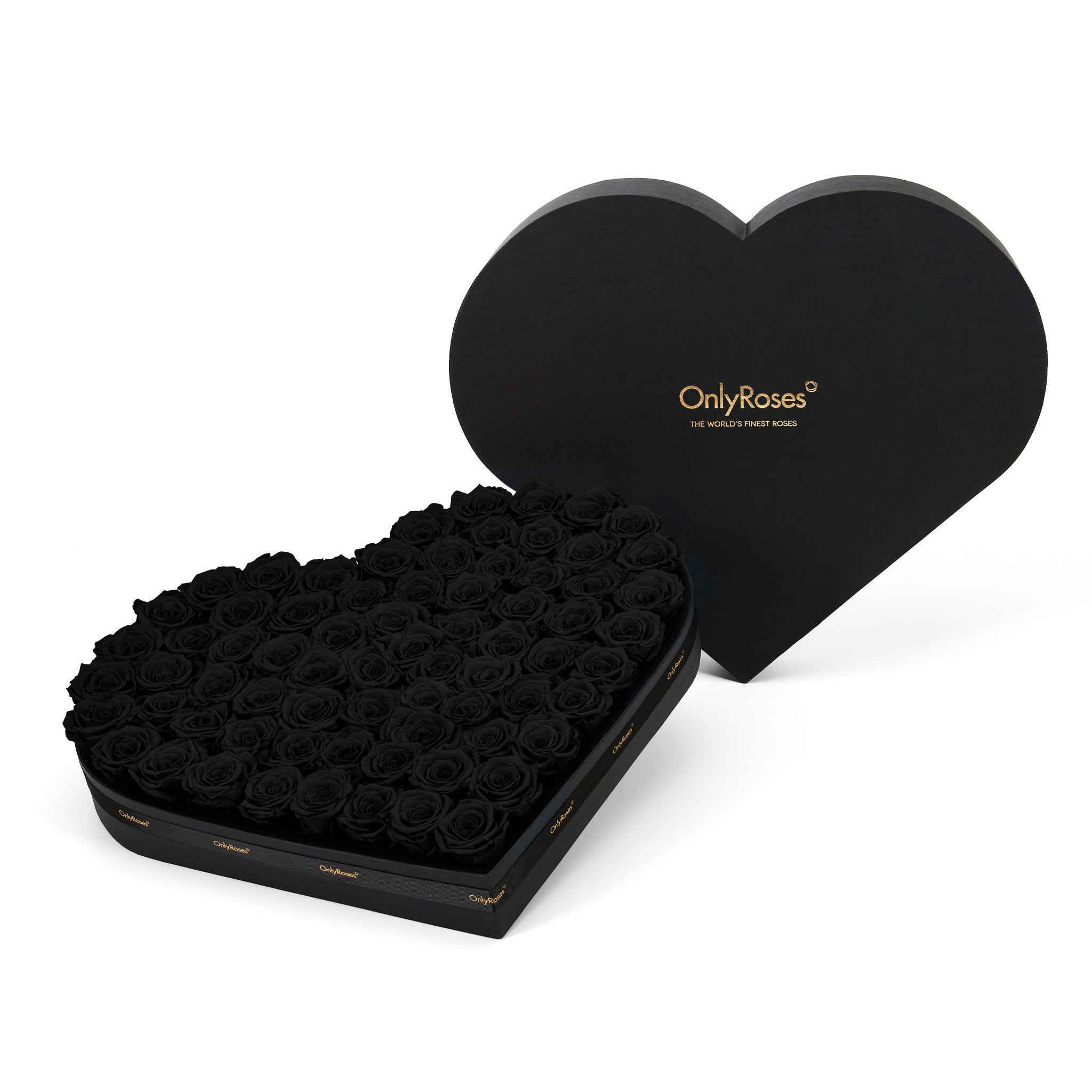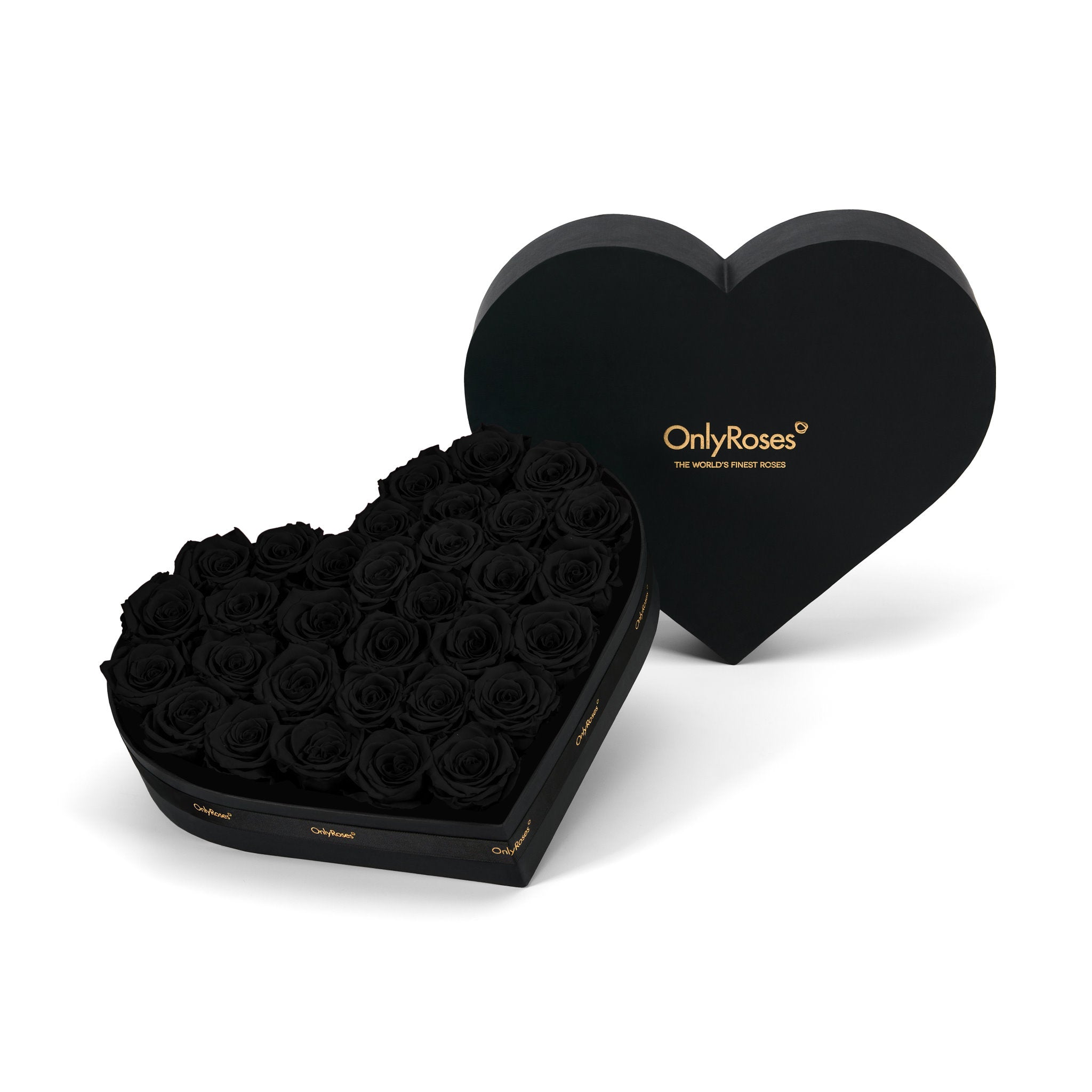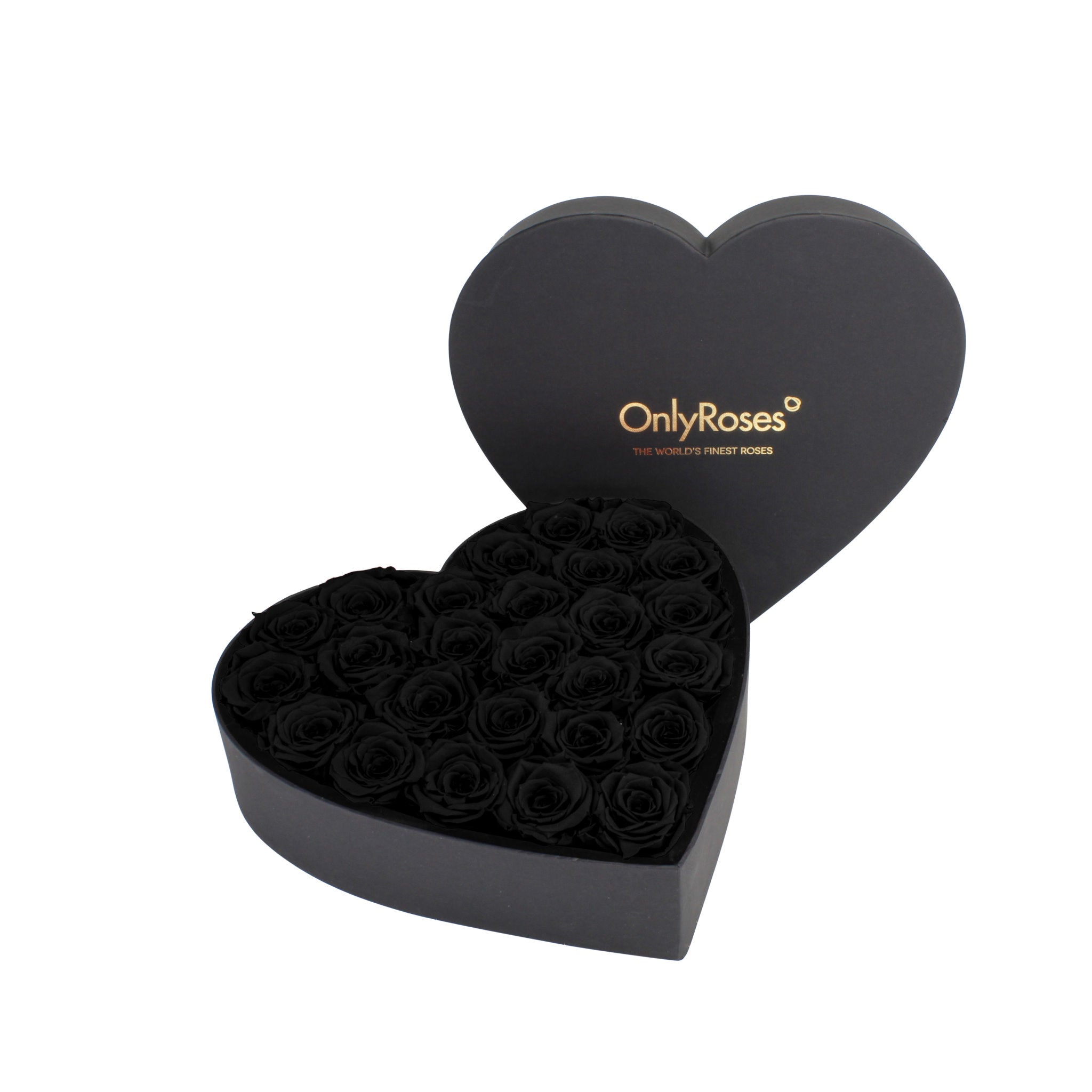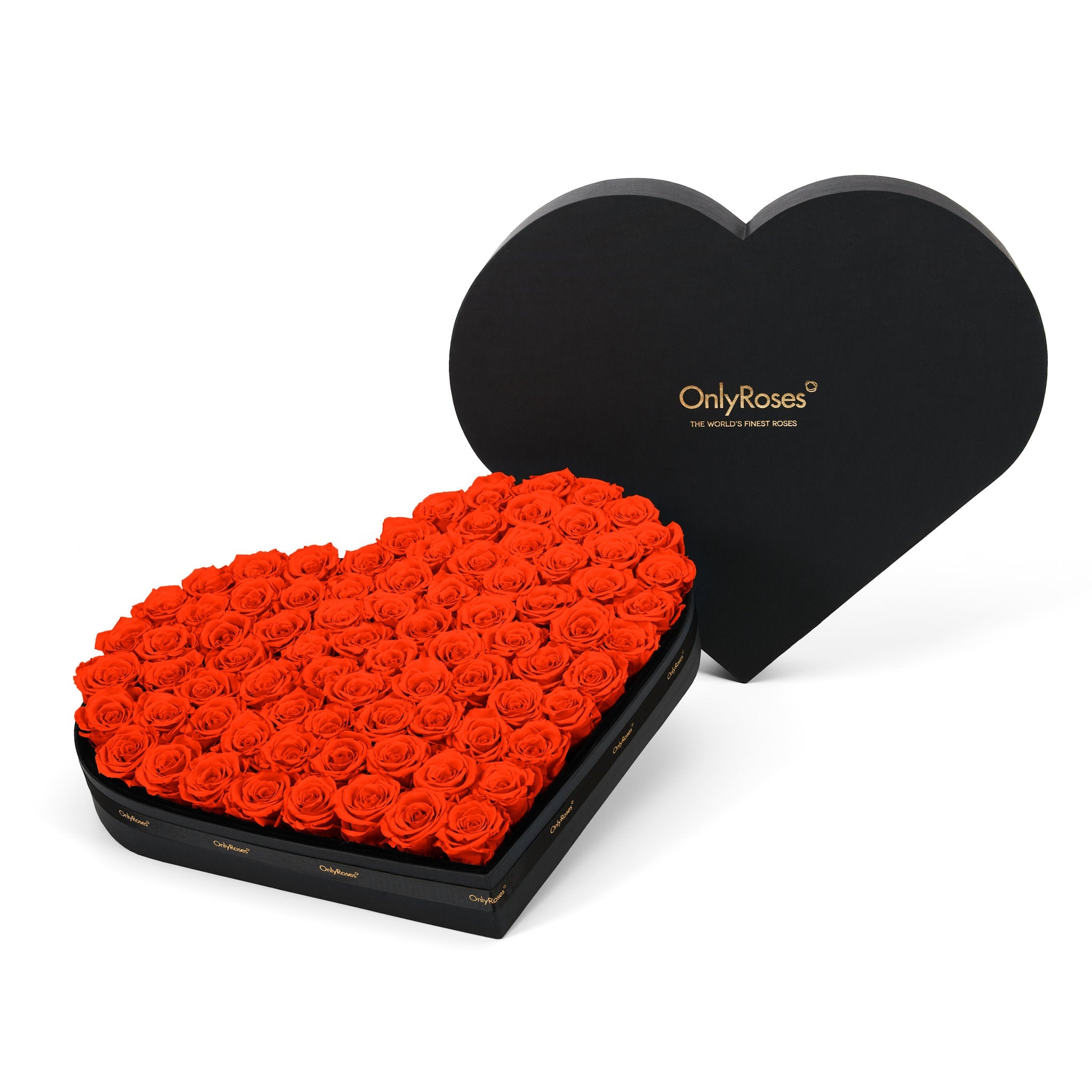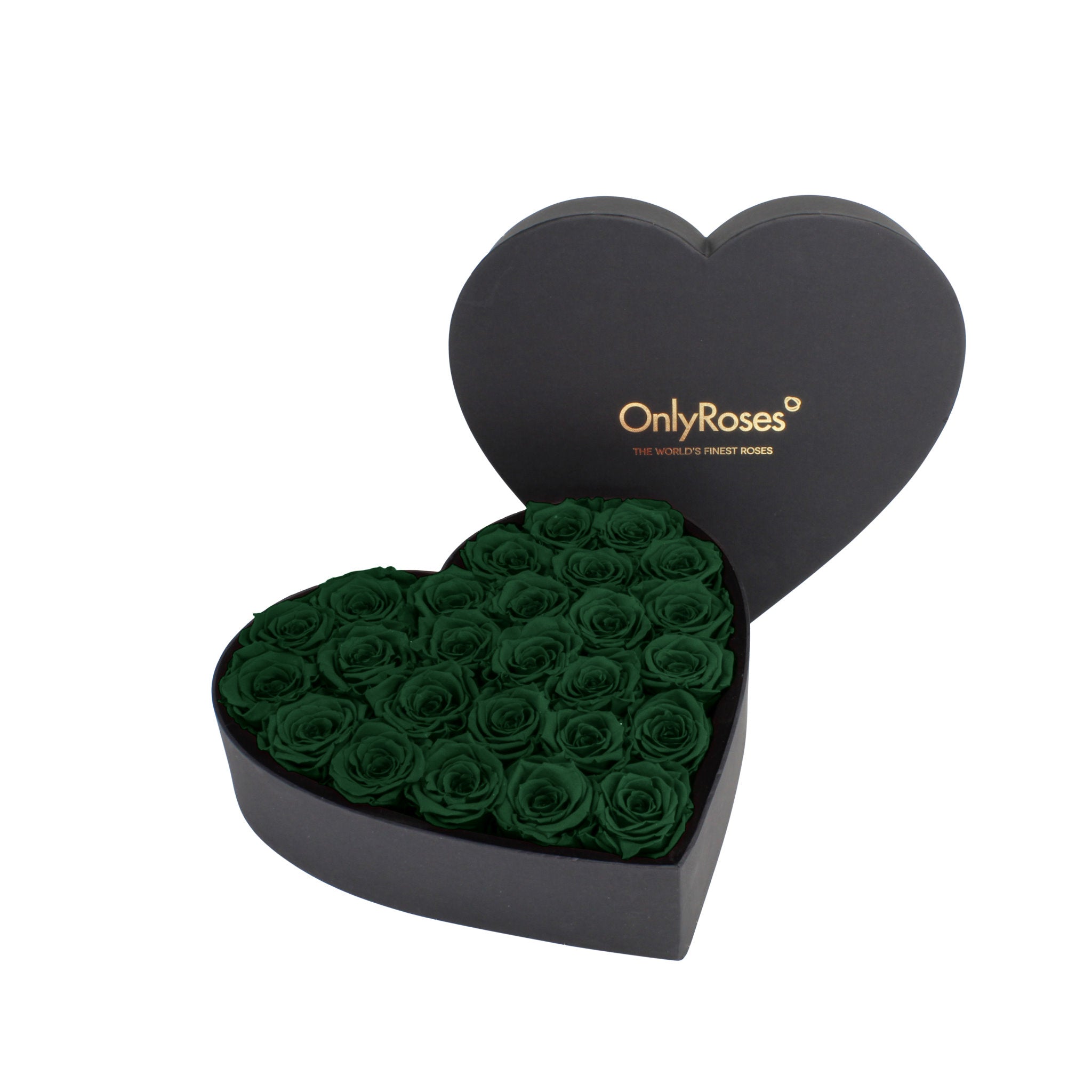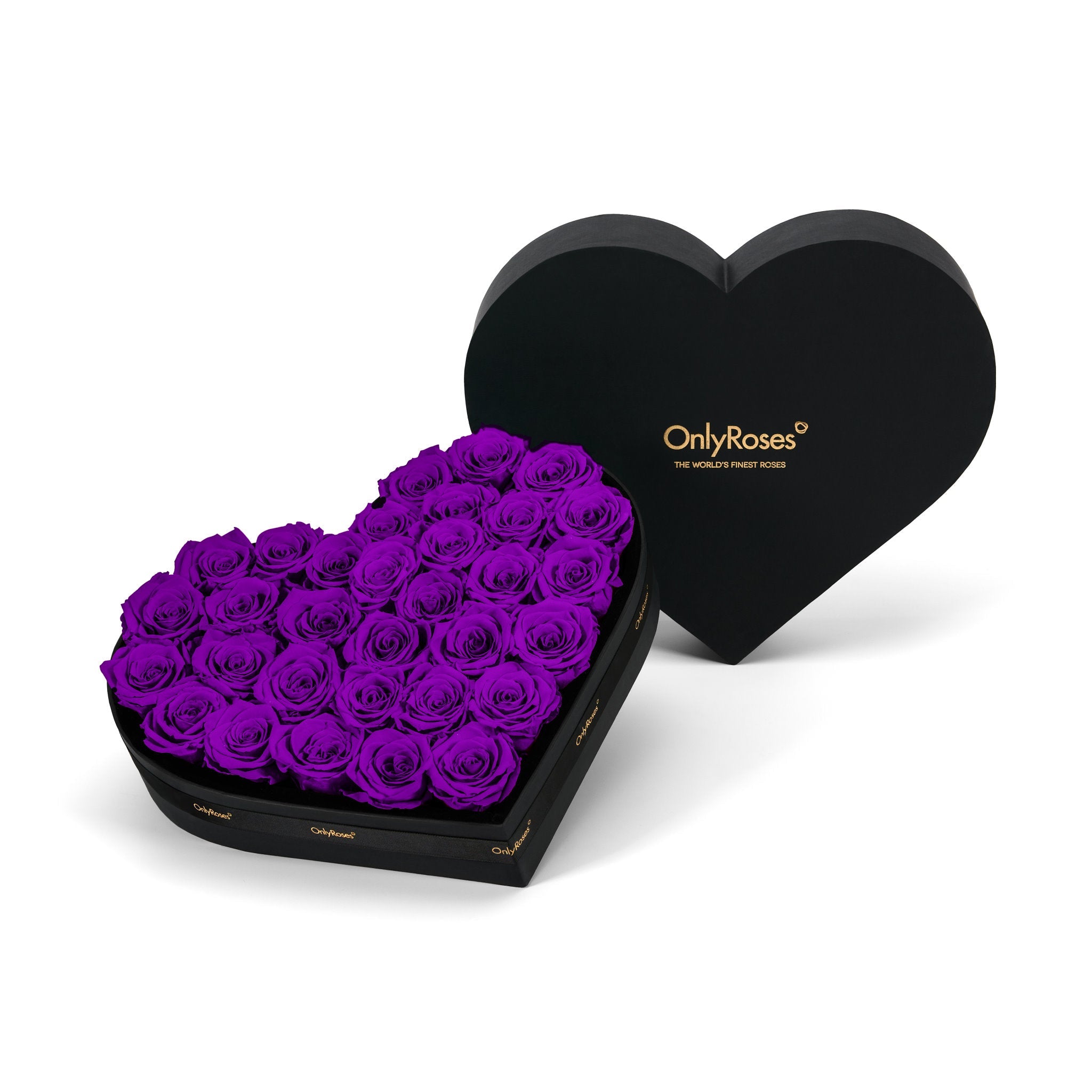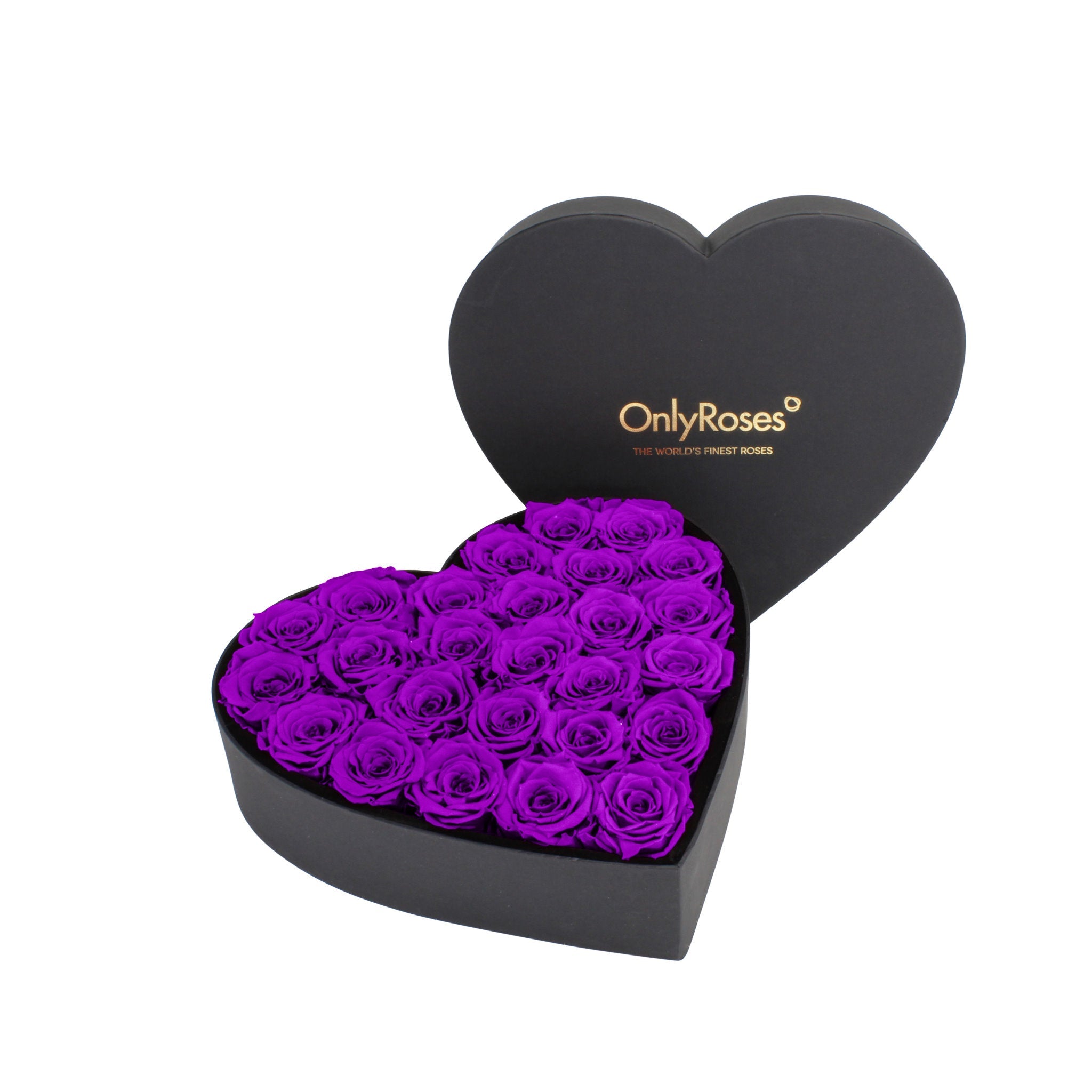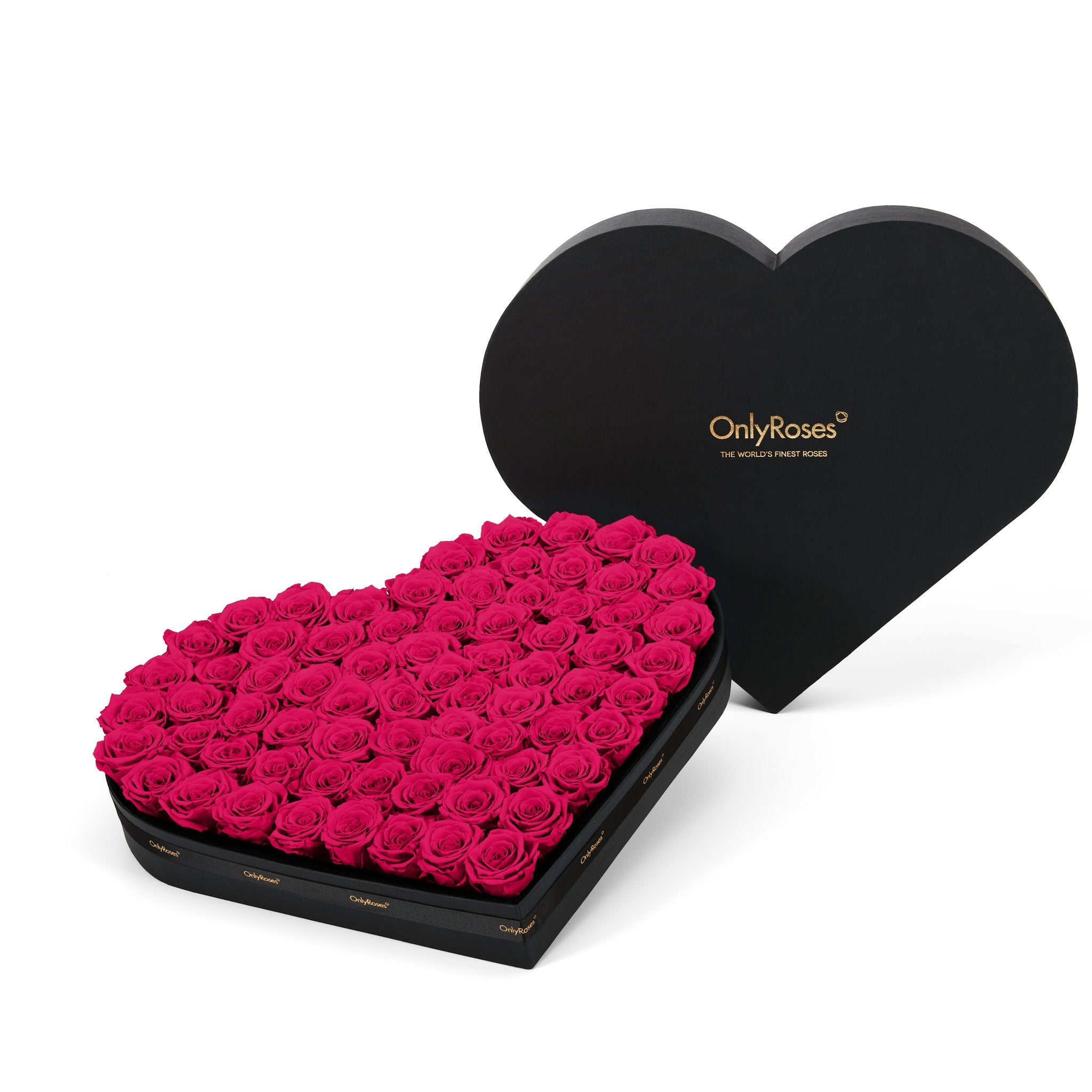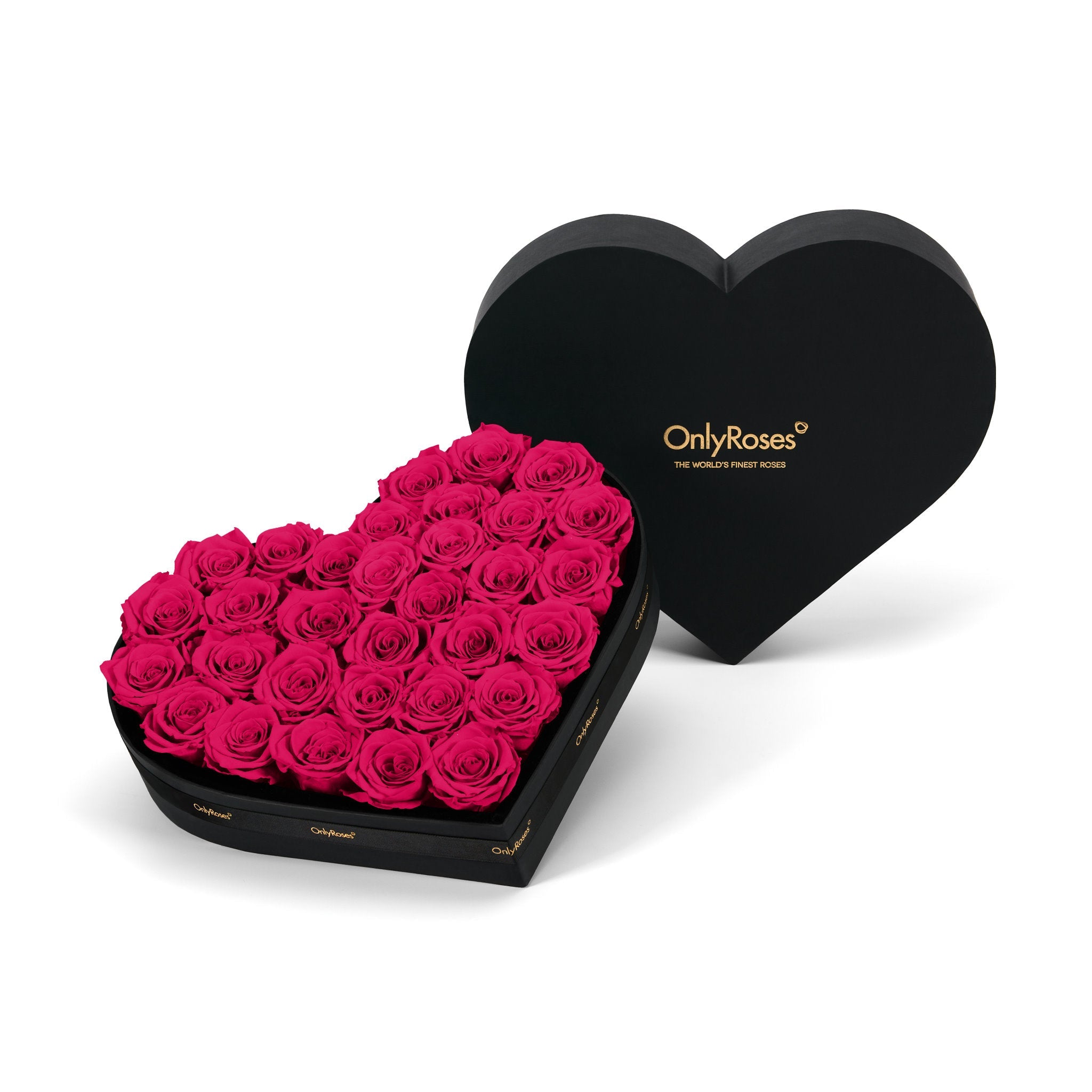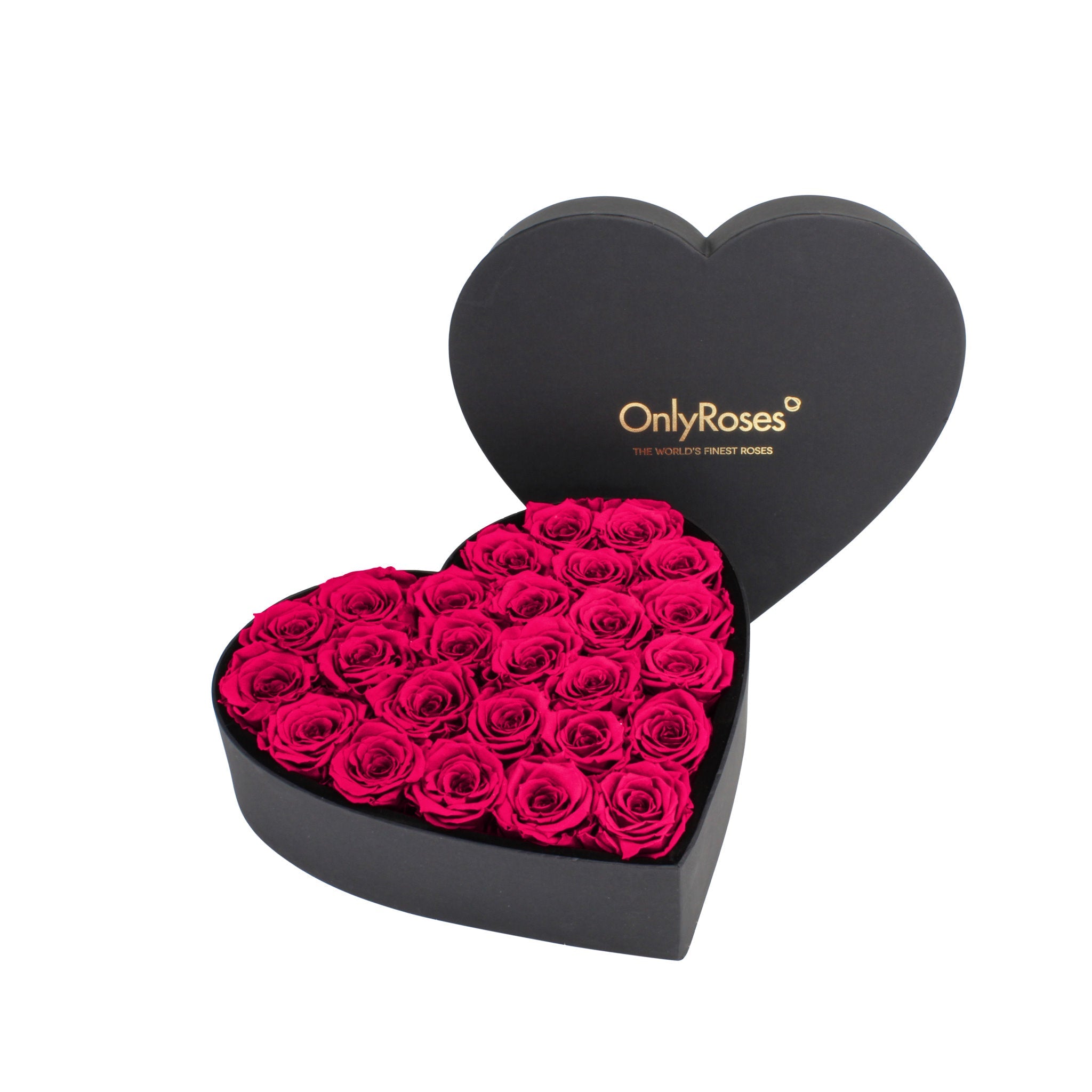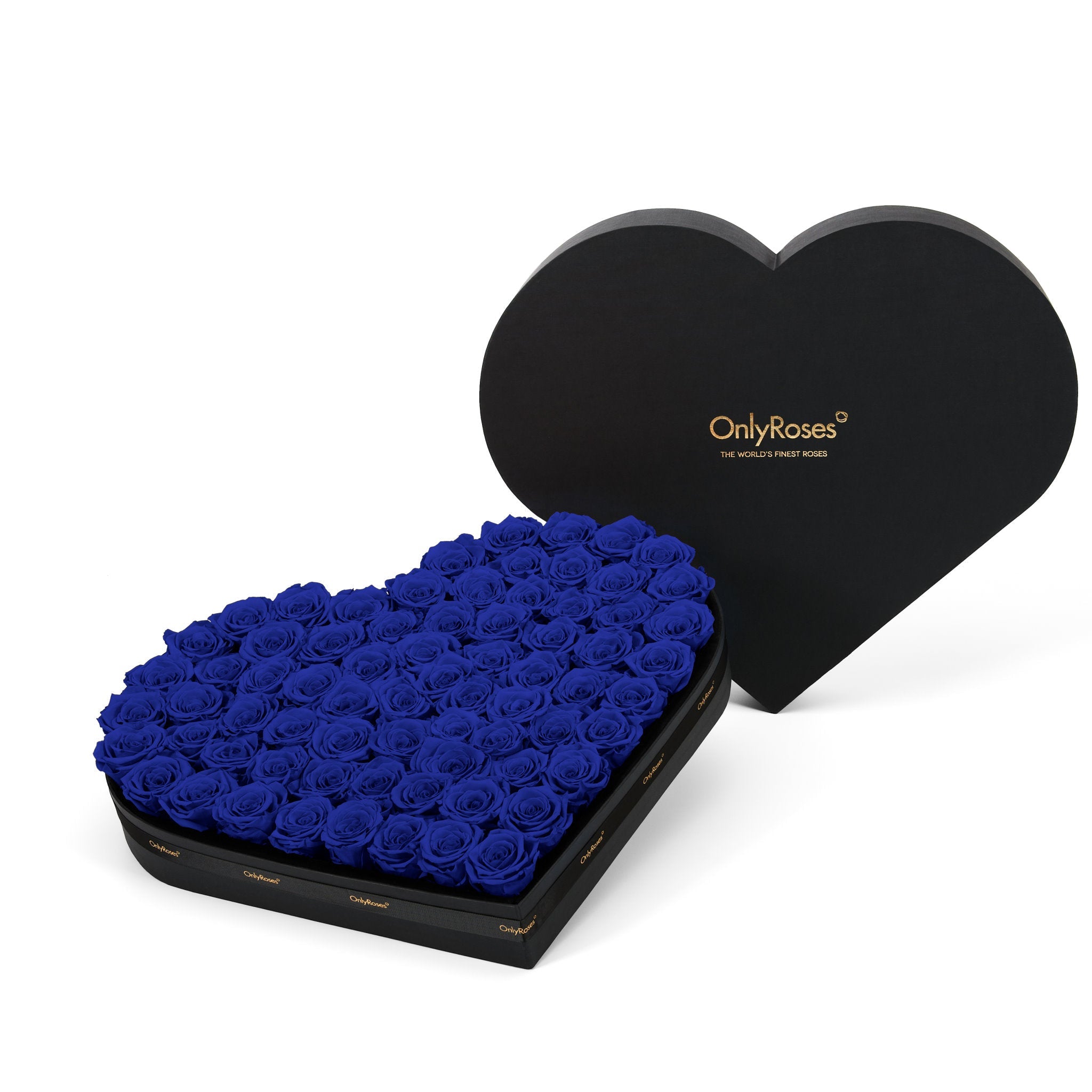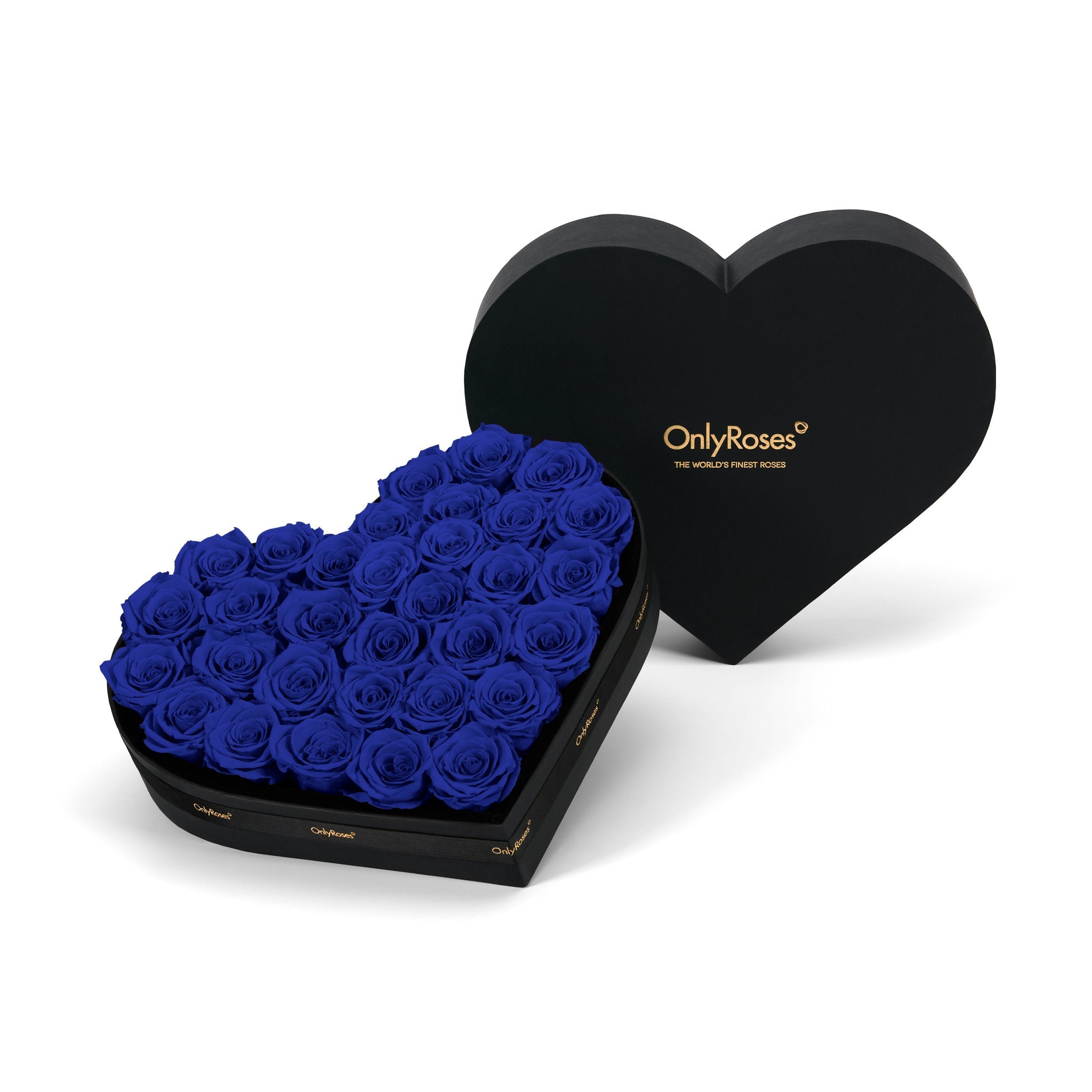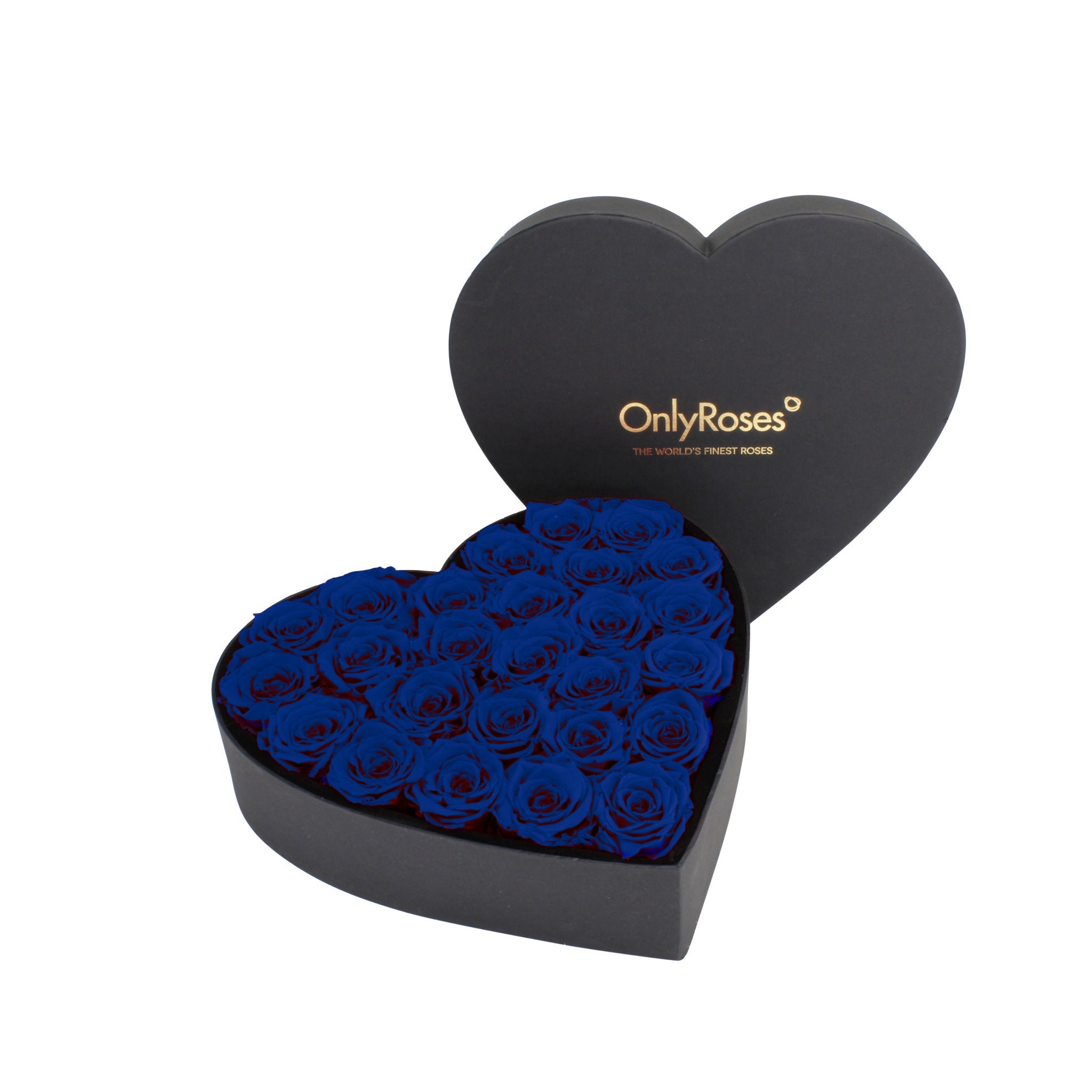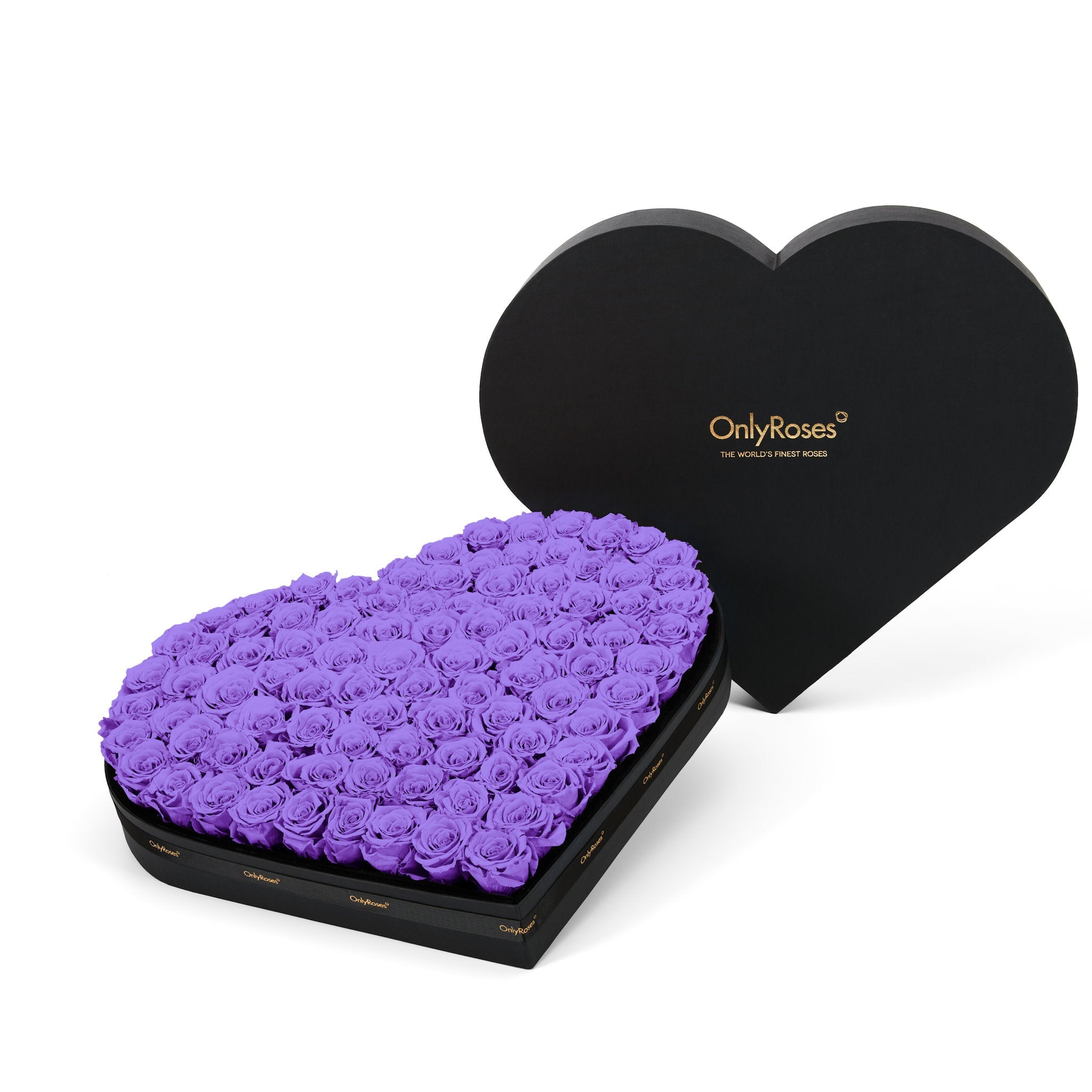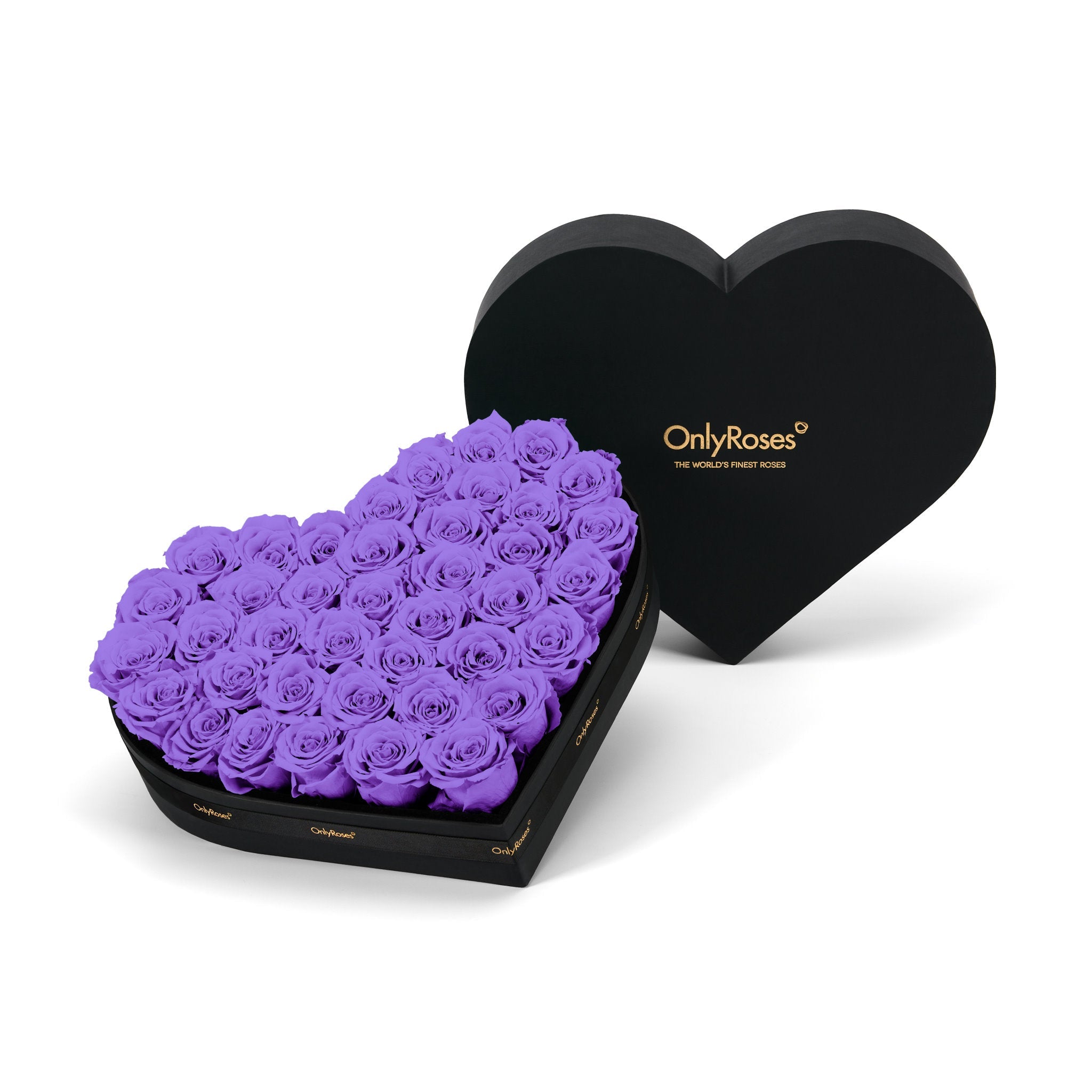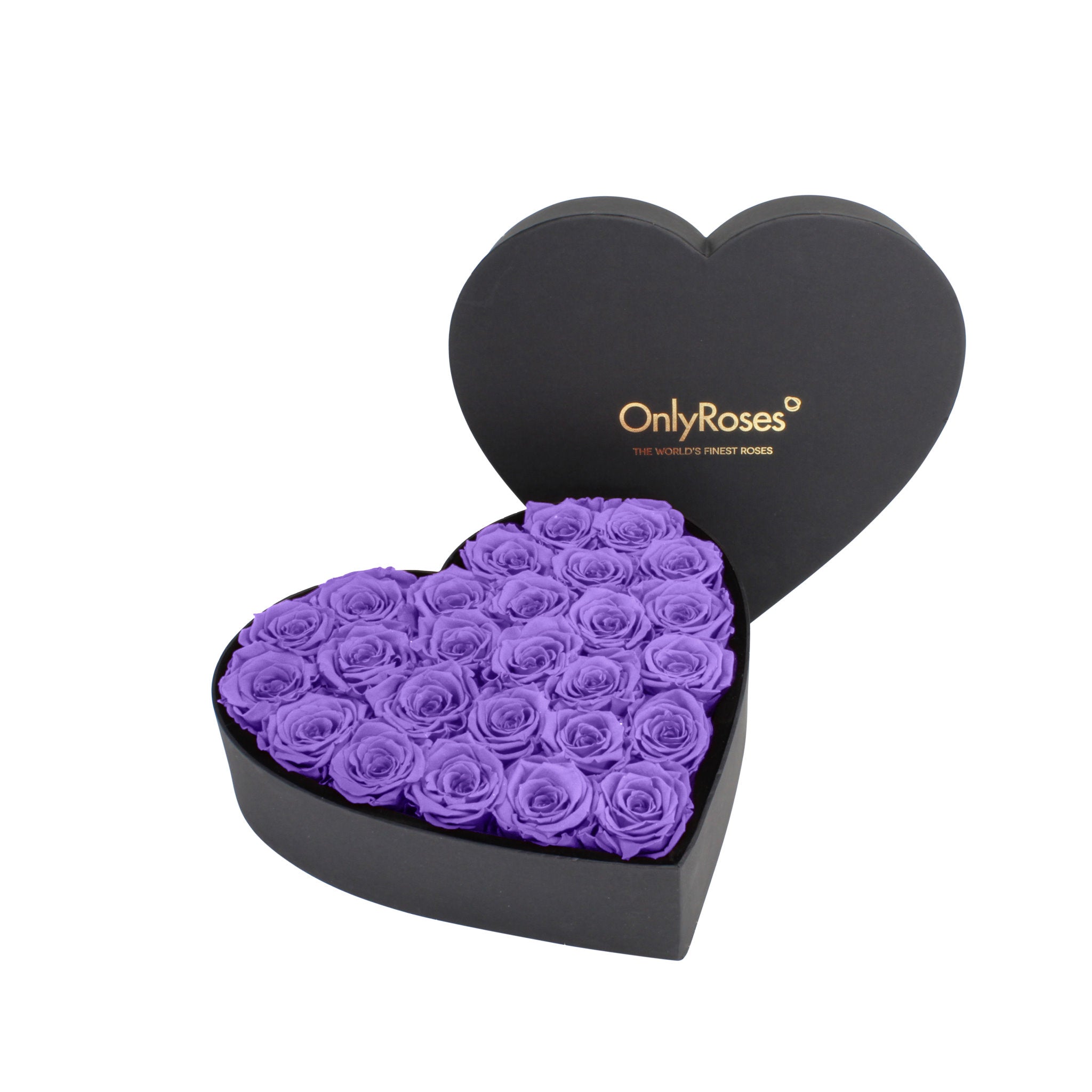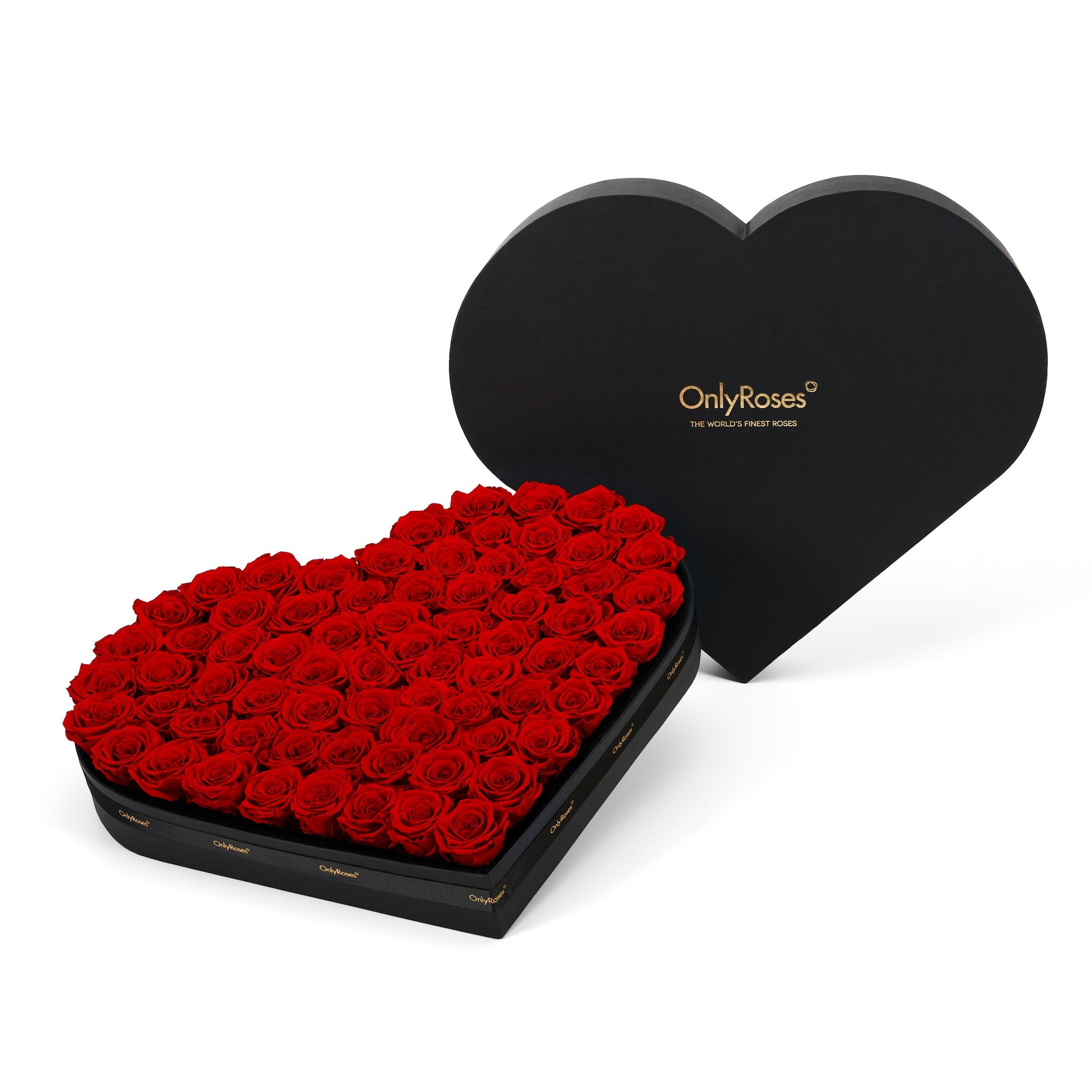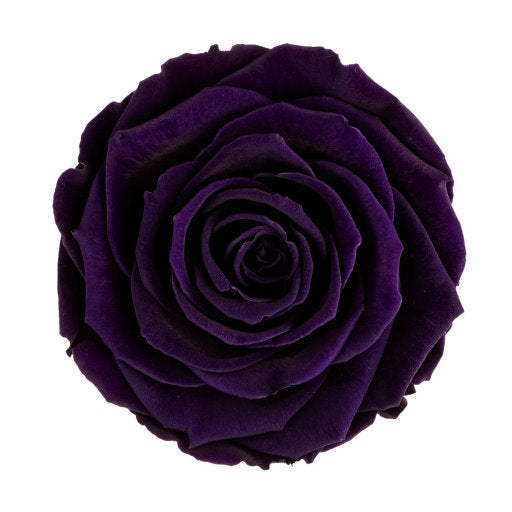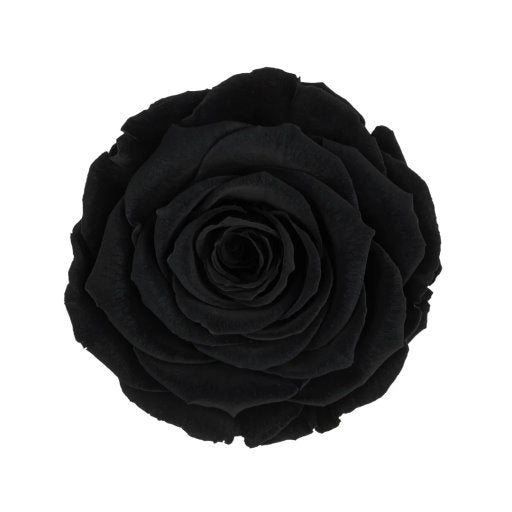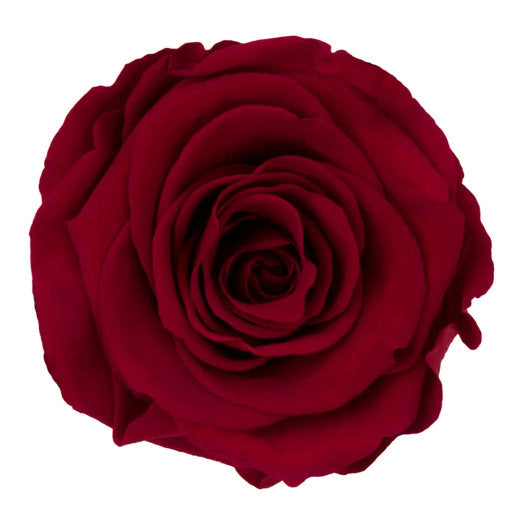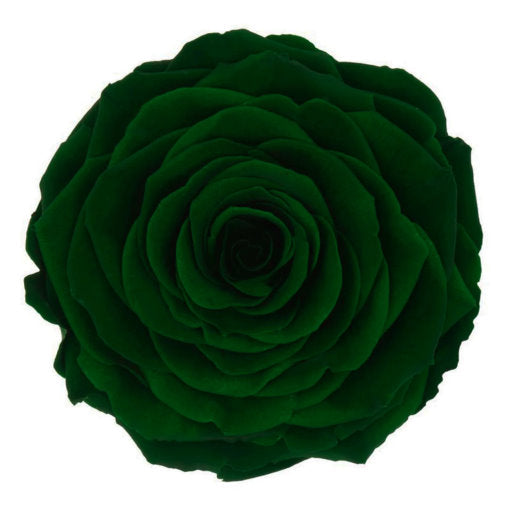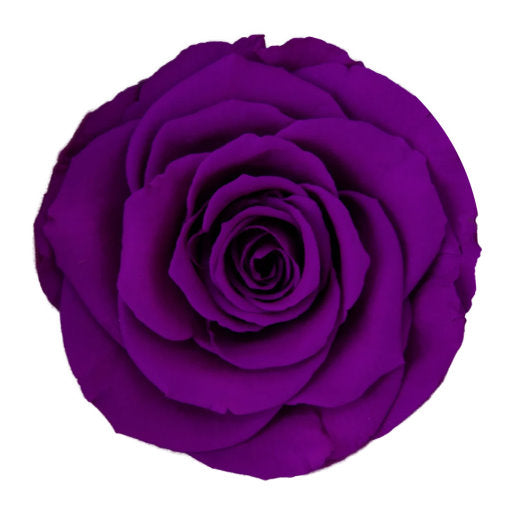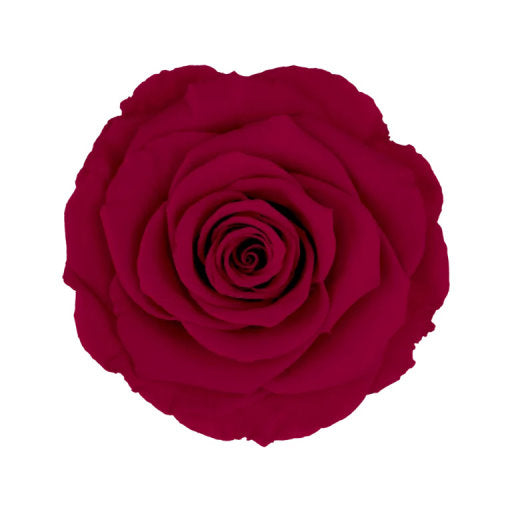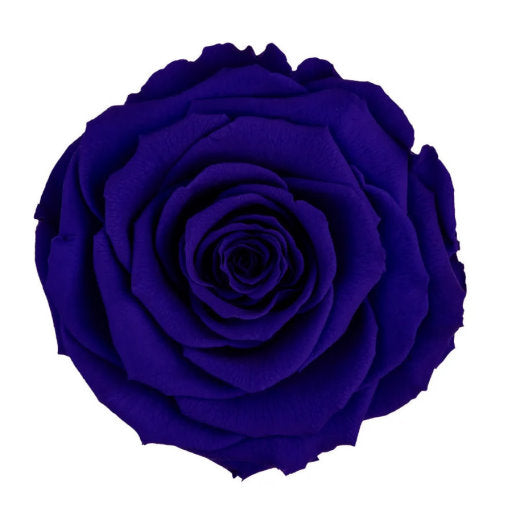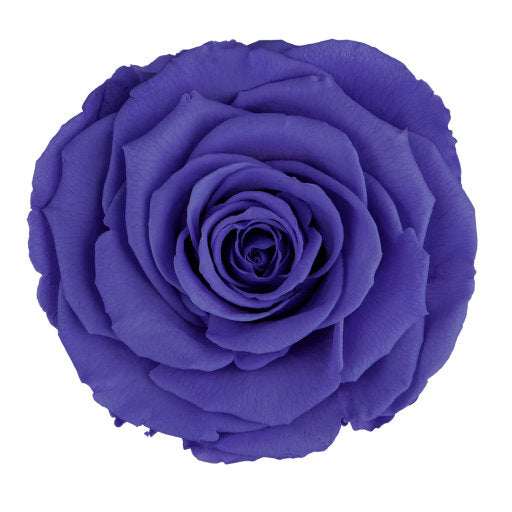

Before anyone spends seriously on preserved flowers, one question deserves an honest answer: are these just dried flowers — or worse, silk? They are neither. Preserved flowers are real blooms, harvested at their peak and treated to halt their natural ageing, retaining the softness, colour depth and structure of a living flower for years. This guide draws the line clearly between preserved, dried, fresh and artificial — because the differences decide whether a gift reads as luxury or as a craft-shop afterthought.
What preserved flowers actually are
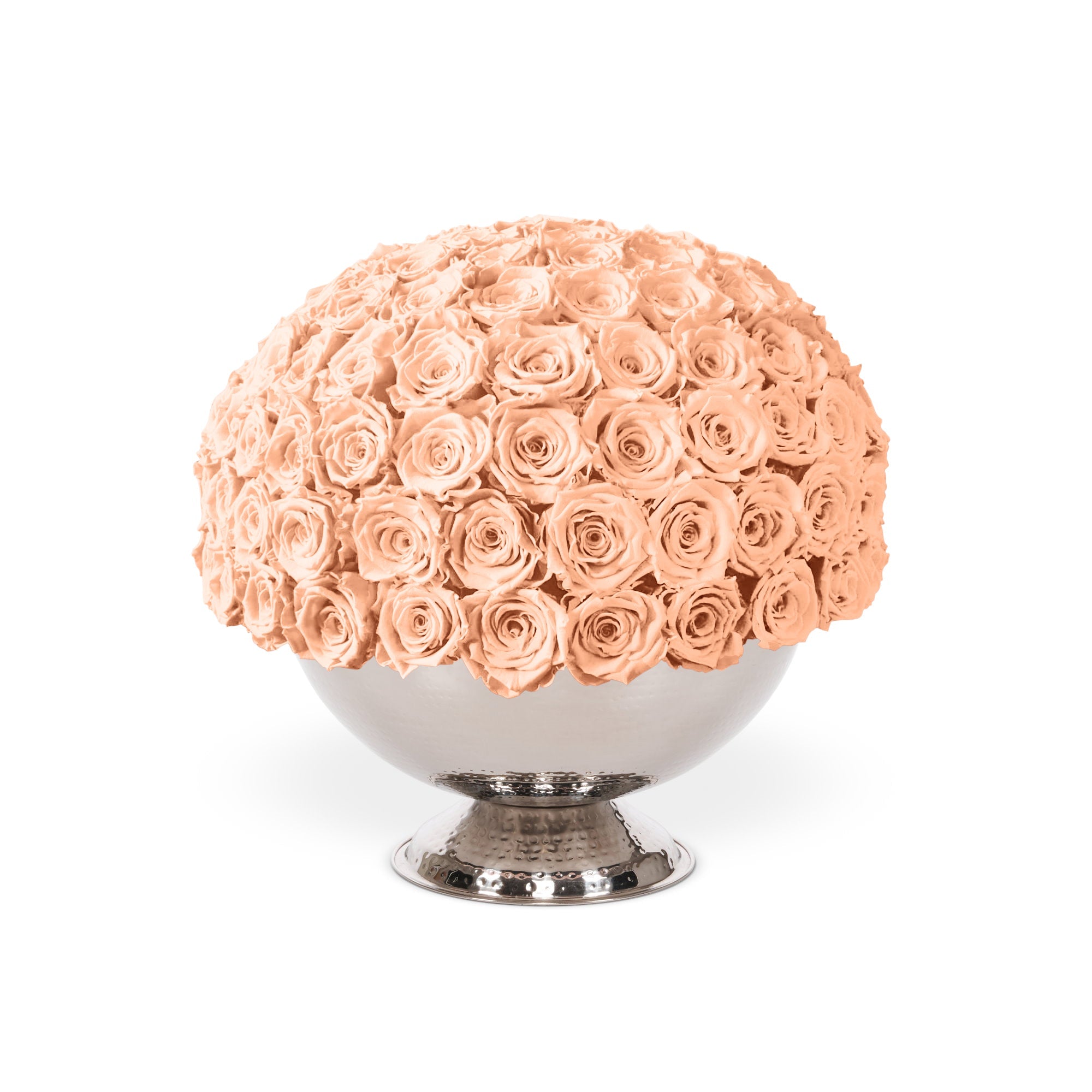
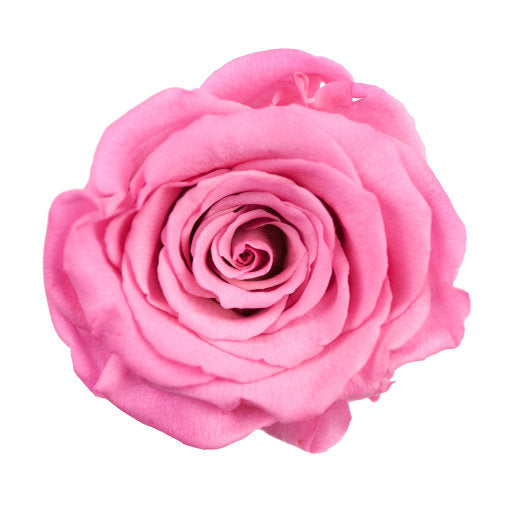
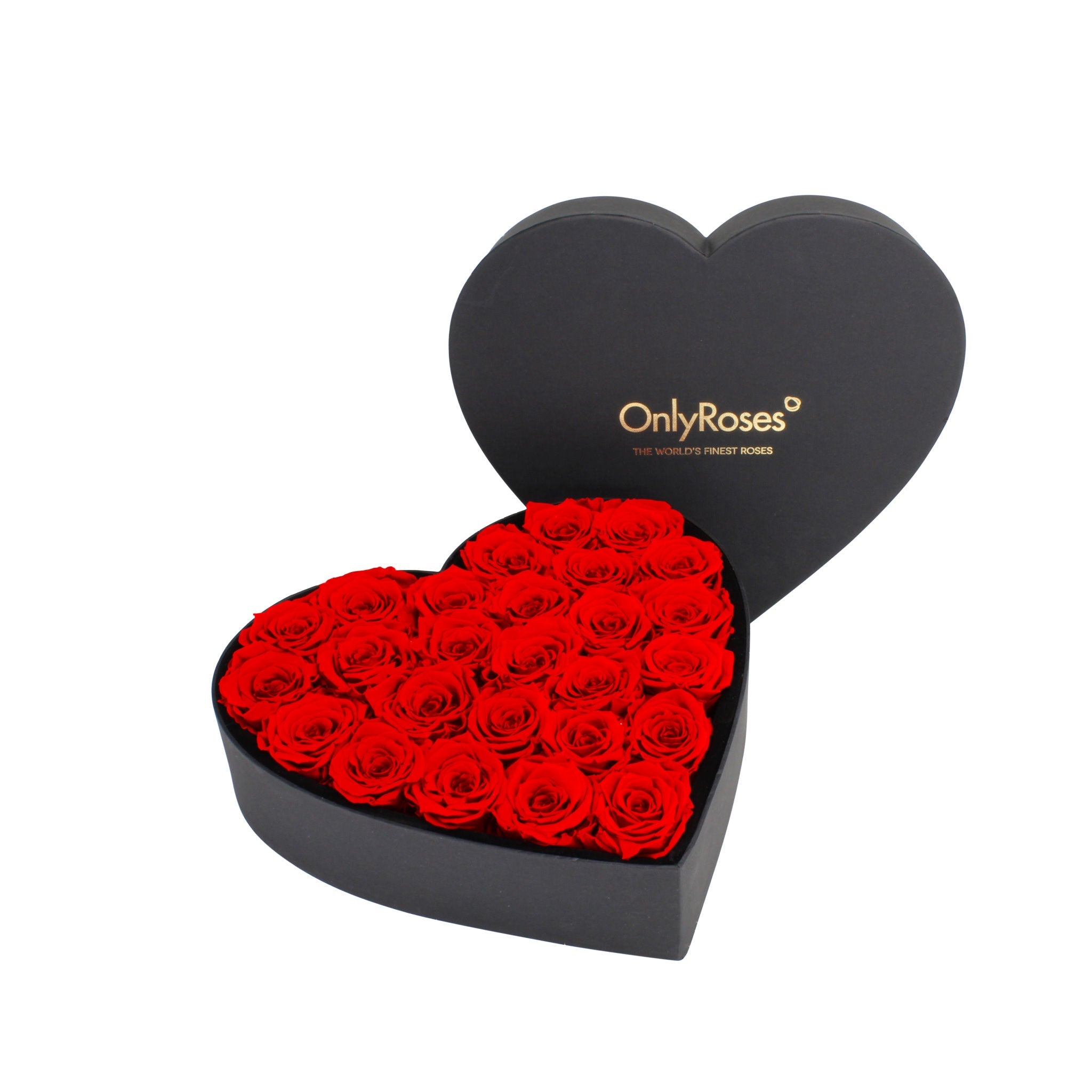
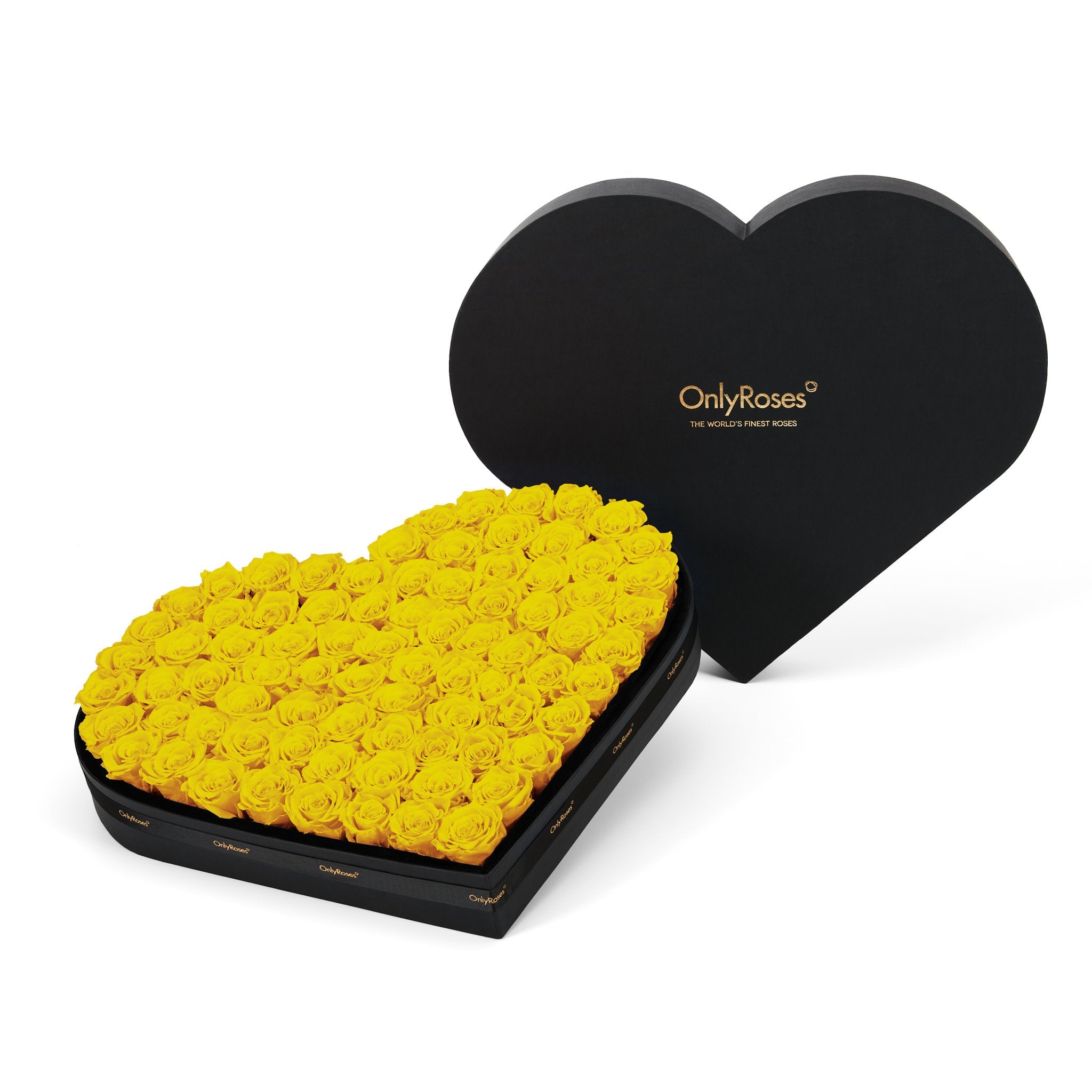
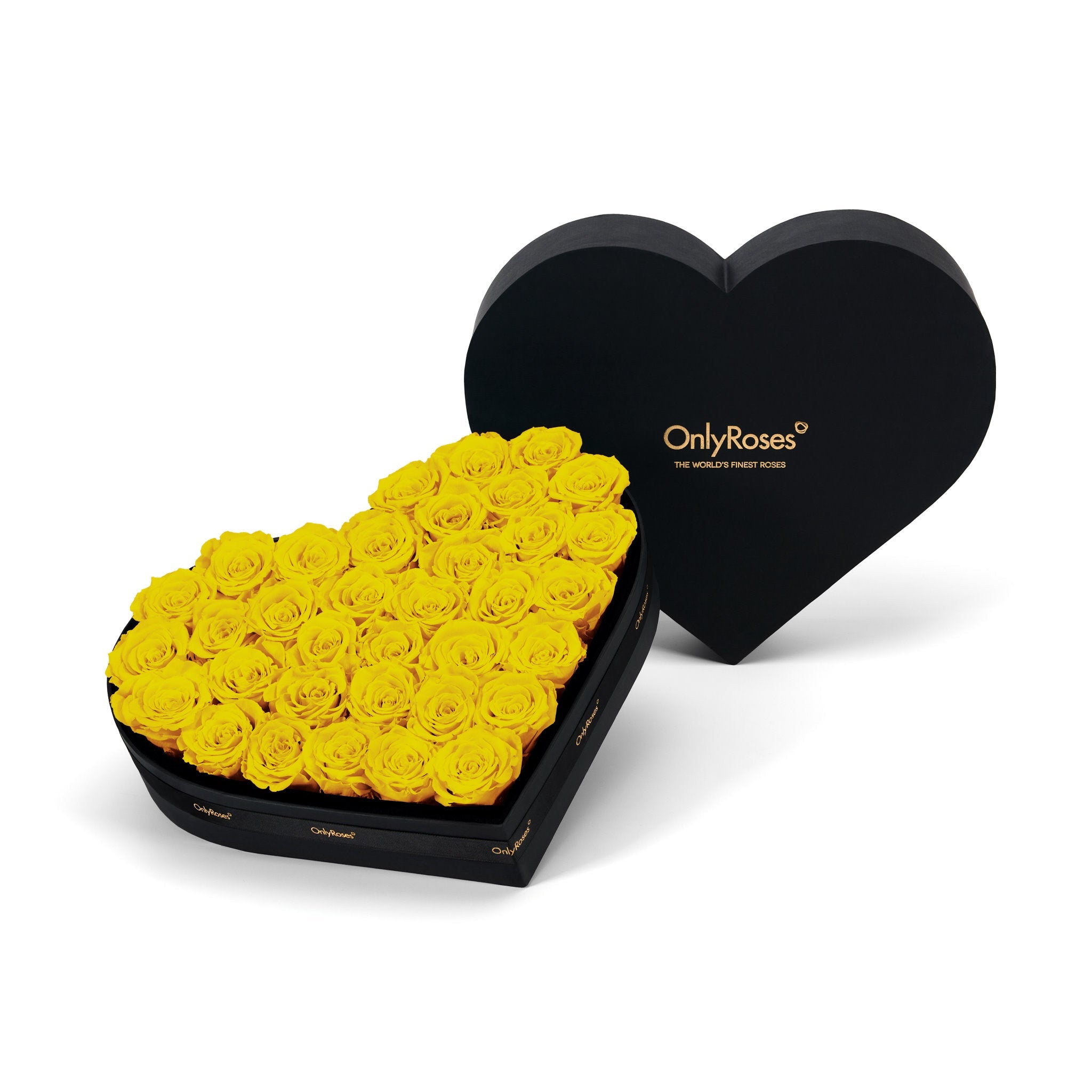
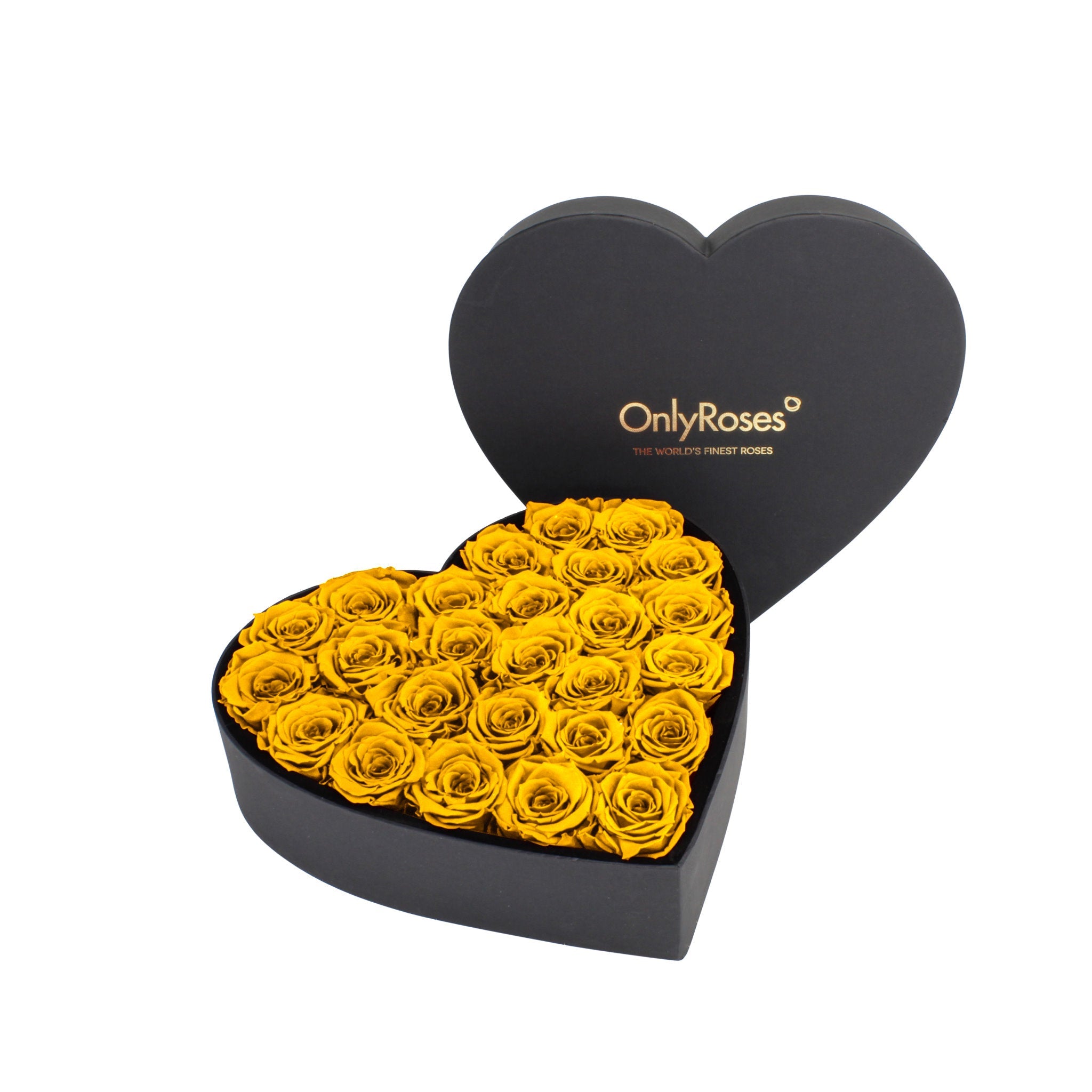
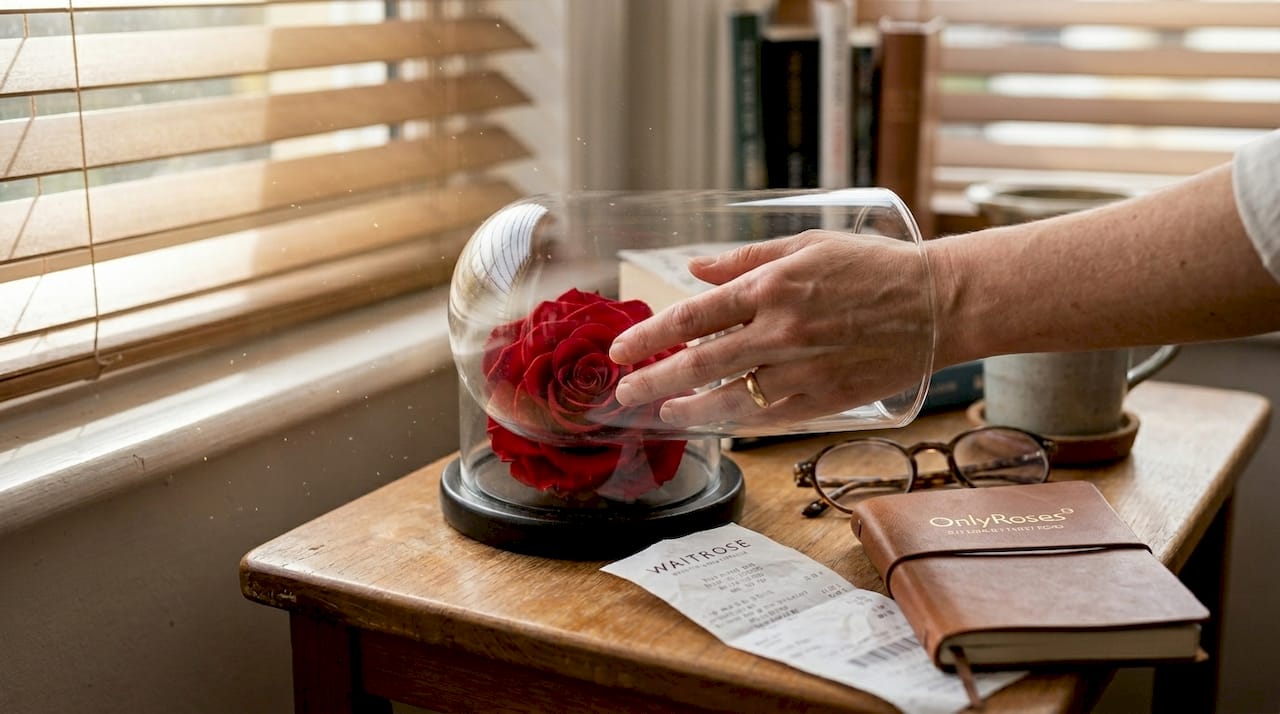
Preserved flowers are genuine blooms whose natural ageing has been arrested through a controlled process. They are not dried flowers, which lose their moisture to the air and turn brittle and faded; and they are not artificial flowers, which are synthetic replicas in silk, plastic or foam. A well-preserved rose keeps the give of a fresh petal and the depth of its original colour — often indistinguishable from a fresh-cut bloom until you are inches away. Our page on what preserved roses are covers the fundamentals; this post is about how they compare to everything else.
| Feature | Preserved | Dried | Fresh | Artificial |
|---|---|---|---|---|
| Origin | Real bloom | Real bloom | Real bloom | Synthetic |
| Texture | Soft, natural | Brittle | Soft | Stiff |
| Colour | Rich, locked in | Faded | Vivid, briefly | Uniform, flat |
| Lifespan | 1–3 years, up to 5 | 6–12 months | Up to two weeks | Indefinite, lifeless |
| Maintenance | None | None | Water, trimming | None |
| Luxury appeal | Very high | Rustic | High | Low |
What sets preserved blooms apart: tactile softness rather than papery stiffness; colour locked in through the process rather than fading; structural fidelity that holds the original shape for years; and no water required — ideal for enclosed displays, hat boxes and gifts that travel.
The science: why preserved beats dried
Two principal techniques produce true preserved flowers — vacuum freeze-drying and glycerine absorption — and both hold the bloom's structure far better than air-drying ever can. The process follows a precise sequence:
- Harvesting at peak bloom — cut at the exact moment of optimal colour and form.
- Dehydration — natural moisture removed without collapsing the cell structure.
- Glycerine substitution — a glycerine-based solution replaces the flower's natural sap, keeping petals pliable.
- Colour treatment — pigments stabilised or enhanced to hold their vibrancy.
- Finishing and inspection — every bloom checked before presentation.
Home air-drying, by contrast, is a charming craft — but it loses colour and leaves blooms fragile. It is not a luxury standard. Our guide to how Infinite Roses® are made walks through the same process in detail.
Preserved vs dried vs fresh vs artificial
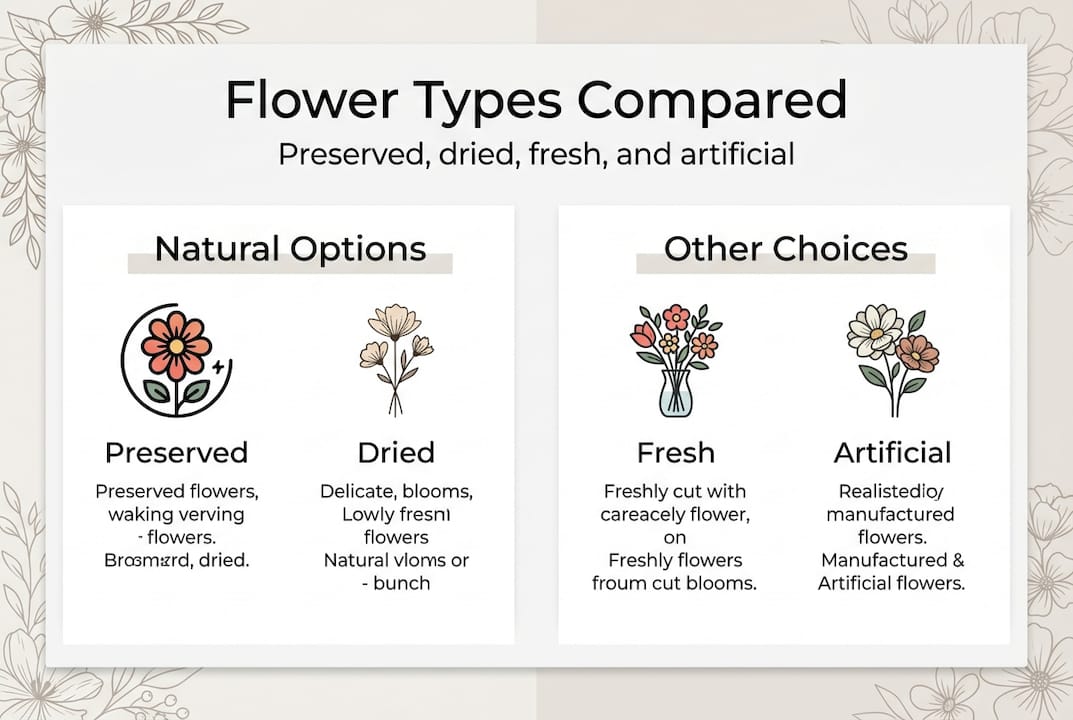
Each format has its place, but for luxury gifting the differences are decisive:
- Dried flowers have a rustic charm and a genuine moment in interiors — but the colour loss, brittleness and limited palette rule them out of refined gifting.
- Fresh roses are unmatched for fragrance and the living quality of a bloom at its peak, lasting up to two weeks — the right choice when immediacy and scent are the point. See why fresh roses create elegant gifts.
- Artificial flowers, however well made, carry an inauthenticity discerning recipients clock instantly. A real bloom — fresh or preserved — carries emotional weight that silk never will.
- Preserved flowers occupy the ground none of the others can: real, lifelike, and lasting years rather than days.
For the fresh-versus-preserved decision specifically, our Infinite vs fresh guide gives the full framework.
Why they work for gifting and décor
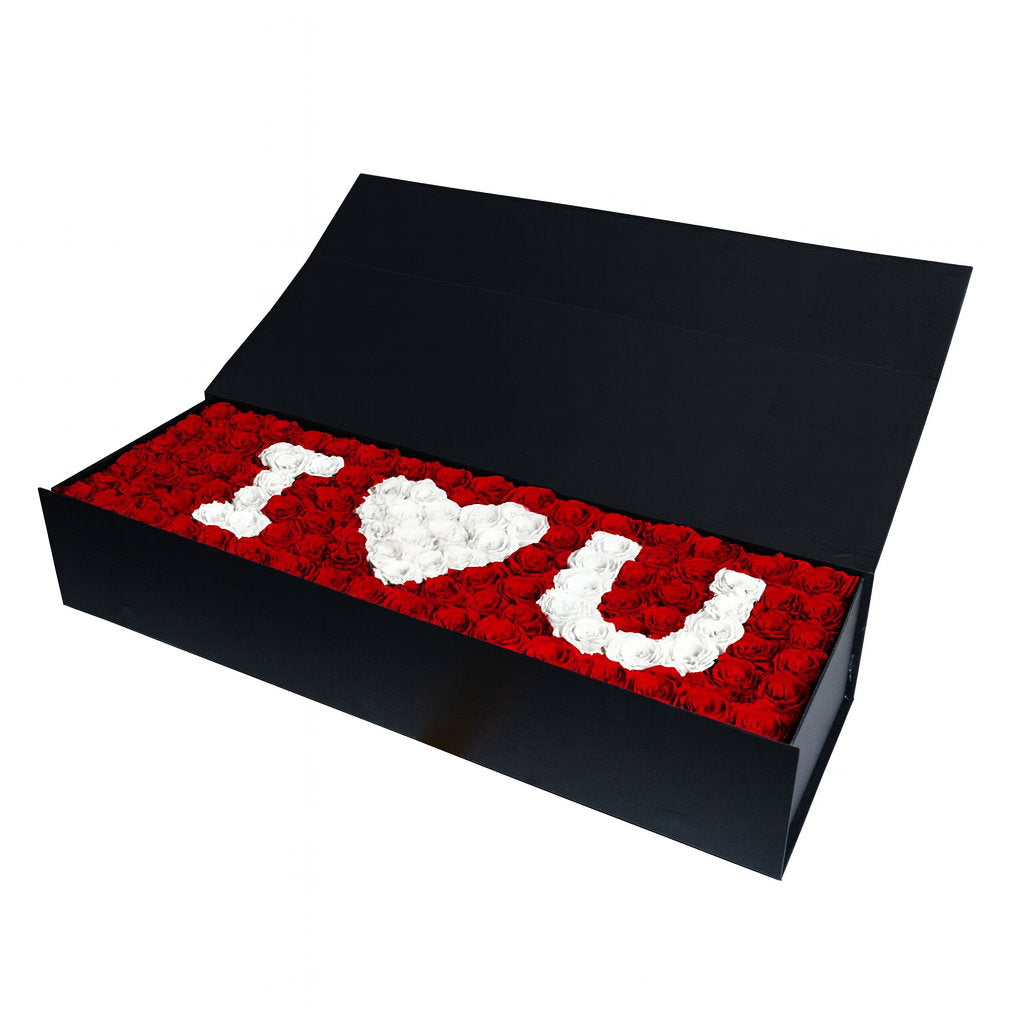
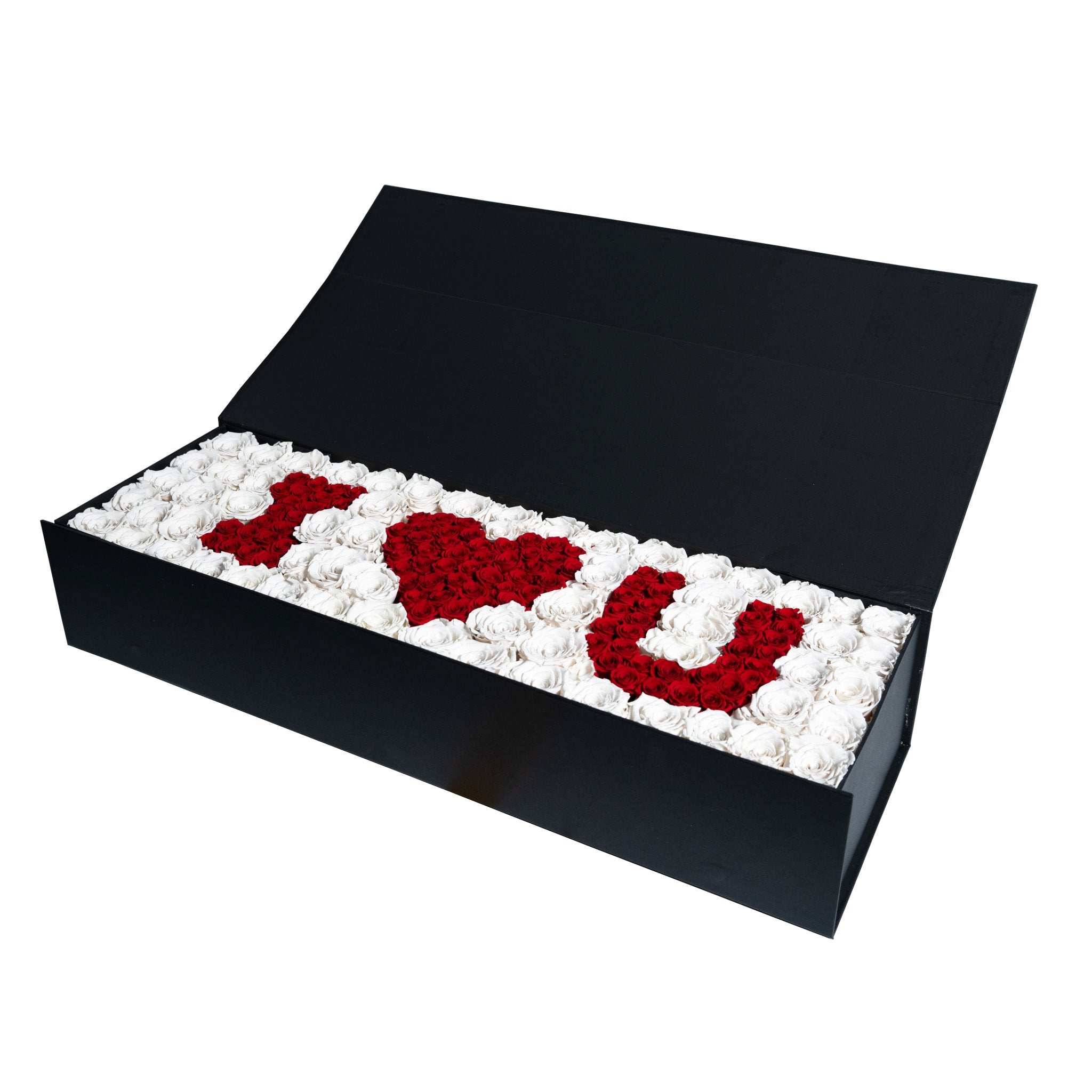
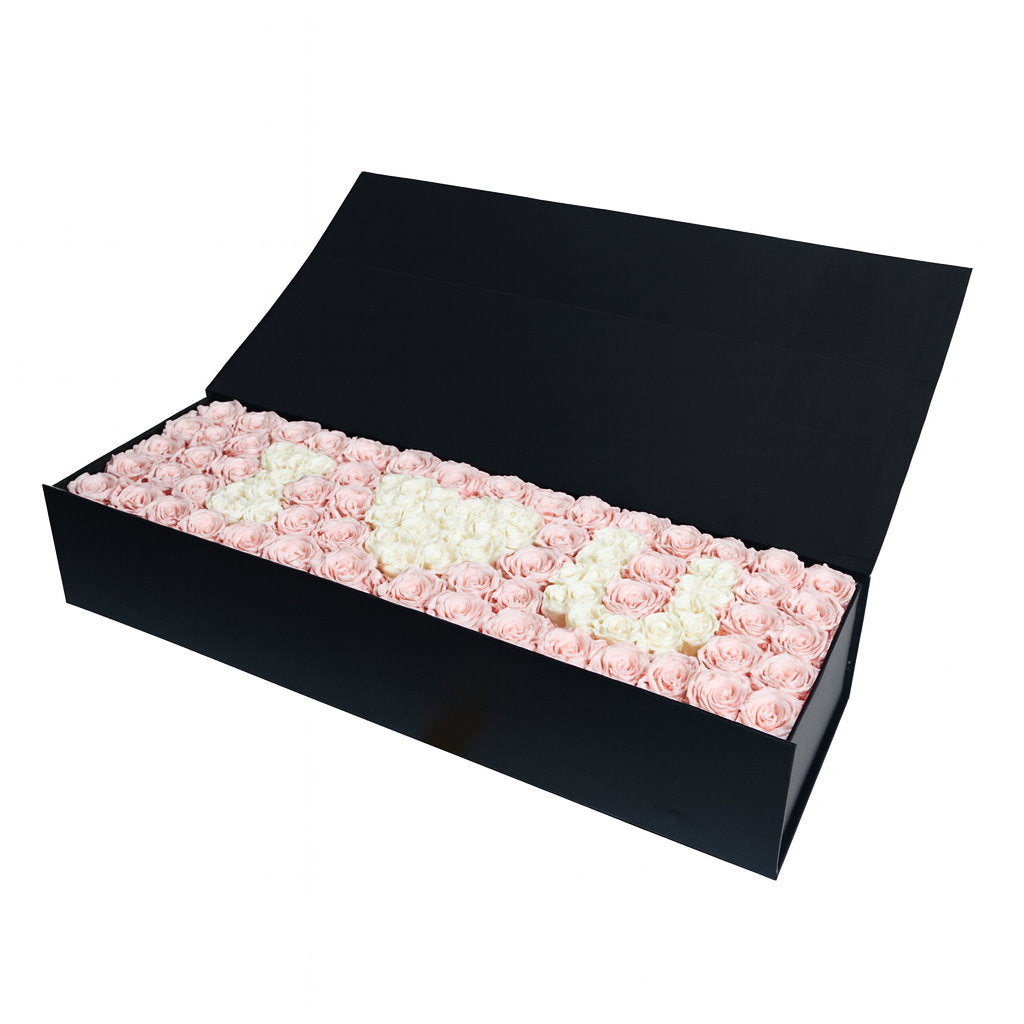
The case extends well beyond longevity: real petals and real texture, not synthetic imitation; no anxiety about wilting before the recipient opens the box; and a presence that turns a signature box into a permanent feature of a room rather than a temporary flourish. A gift still beautiful years later carries a different emotional resonance than one that fades within a week — it reads as permanence, thoughtfulness and quality. The formats run from single stems in minimalist packaging to elaborate multi-bloom installations for private residences and corporate lobbies. More ideas in unique rose gifts.
Selecting and caring for preserved flowers
Choosing well takes a different eye than buying fresh. Quality varies considerably between suppliers:
- Ask the preservation method — vacuum freeze-drying or glycerine absorption are the gold standard.
- Assess colour — rich and even across all petals; patchy or faded tones signal inferior treatment.
- Press a petal gently — it should yield slightly, not crumble or feel plasticky. This single test separates premium preservation from the rest.
- Check the source — high-altitude Ecuadorian roses have larger, denser blooms that preserve exceptionally well.
- Review packaging — premium preserved roses arrive in protective, elegant packaging that guards against crushing and moisture.
Care is refreshingly simple: keep them dry and out of direct sunlight, never mist or water them, dust gently with a soft brush every few weeks, and keep them away from radiators, air-conditioning vents and humid rooms like bathrooms and kitchens. Kept well, they hold their beauty for one to three years — up to five in ideal indoor conditions. The full routine is in our rose care guide, and how long preserved roses last goes deeper on lifespan.
Discover luxury preserved flowers
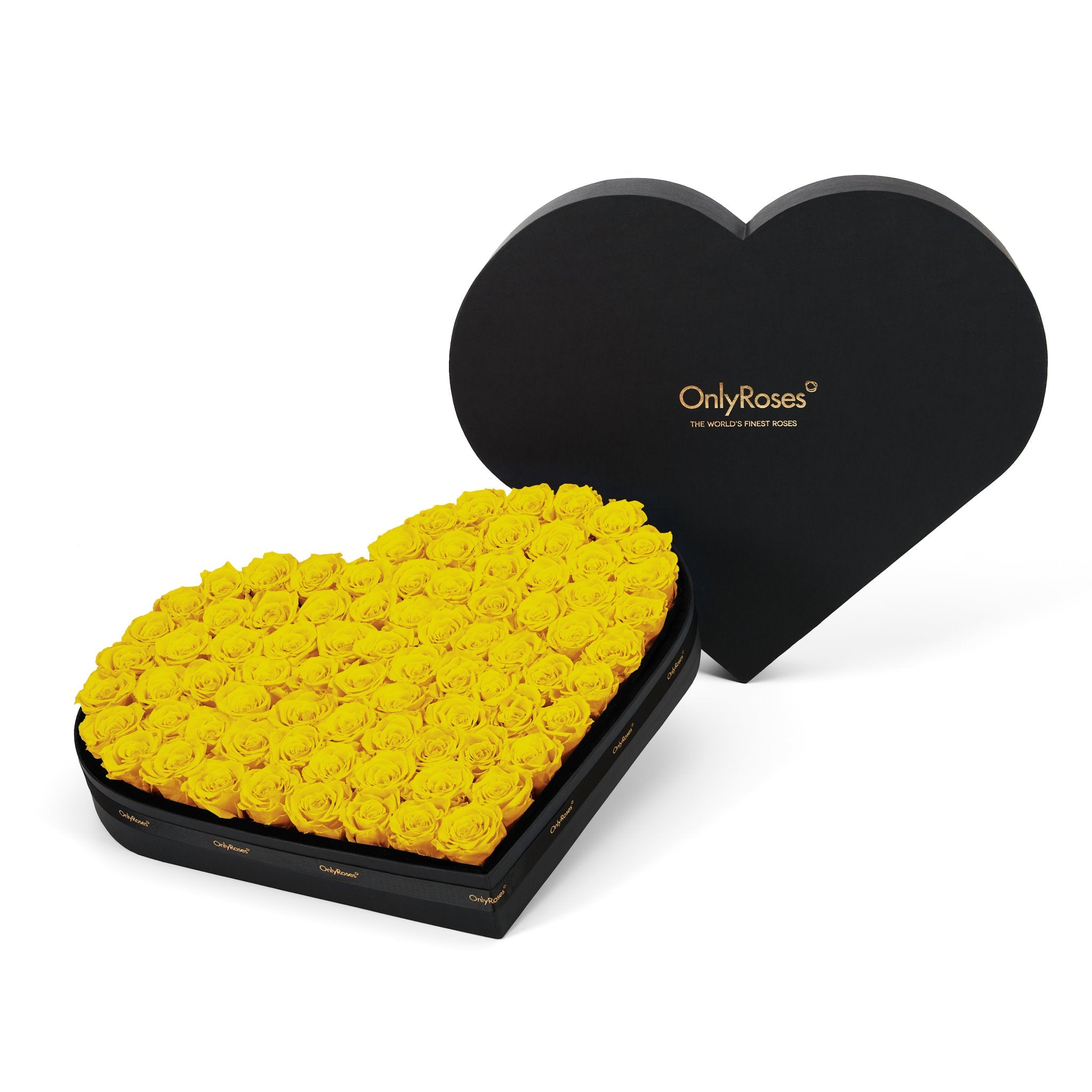
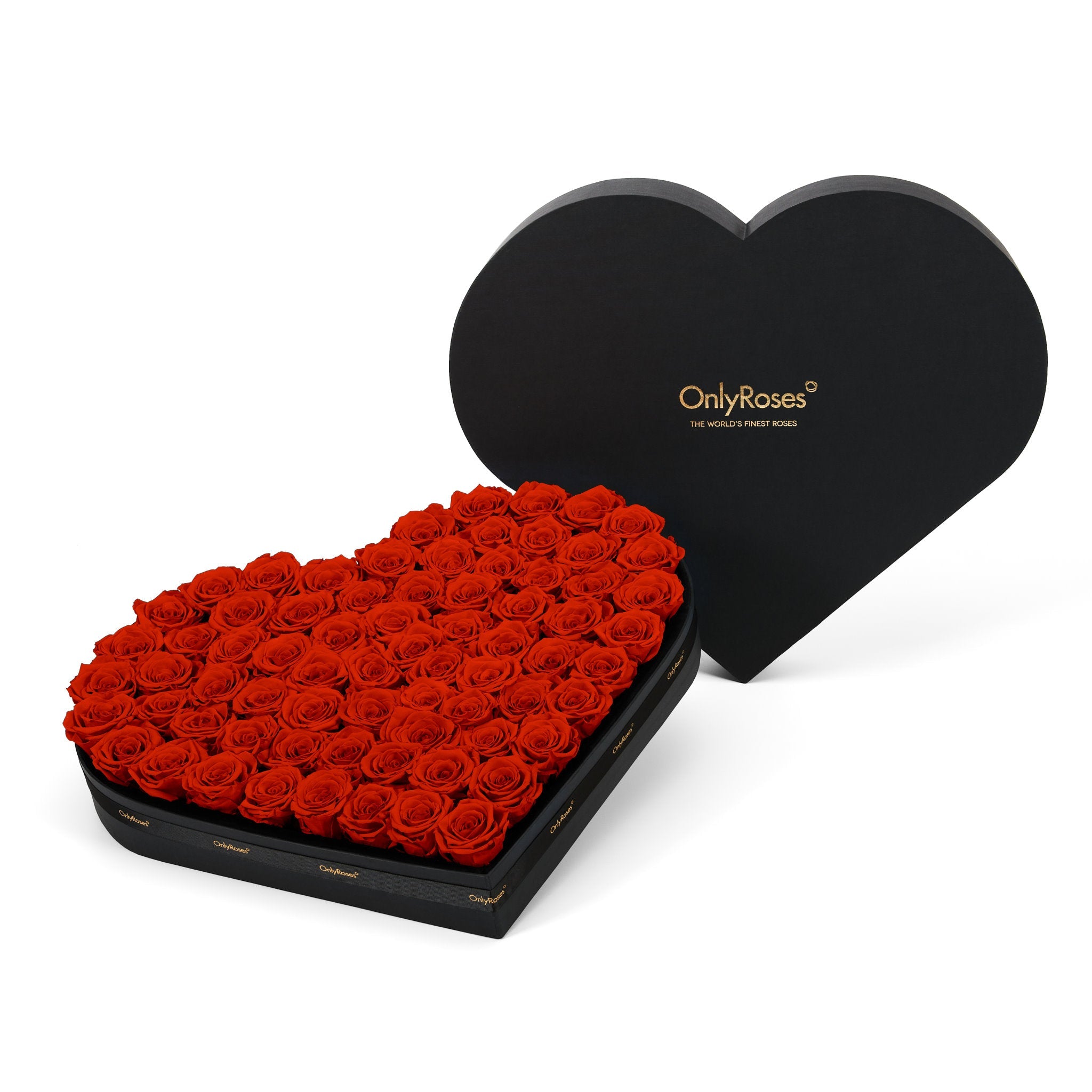
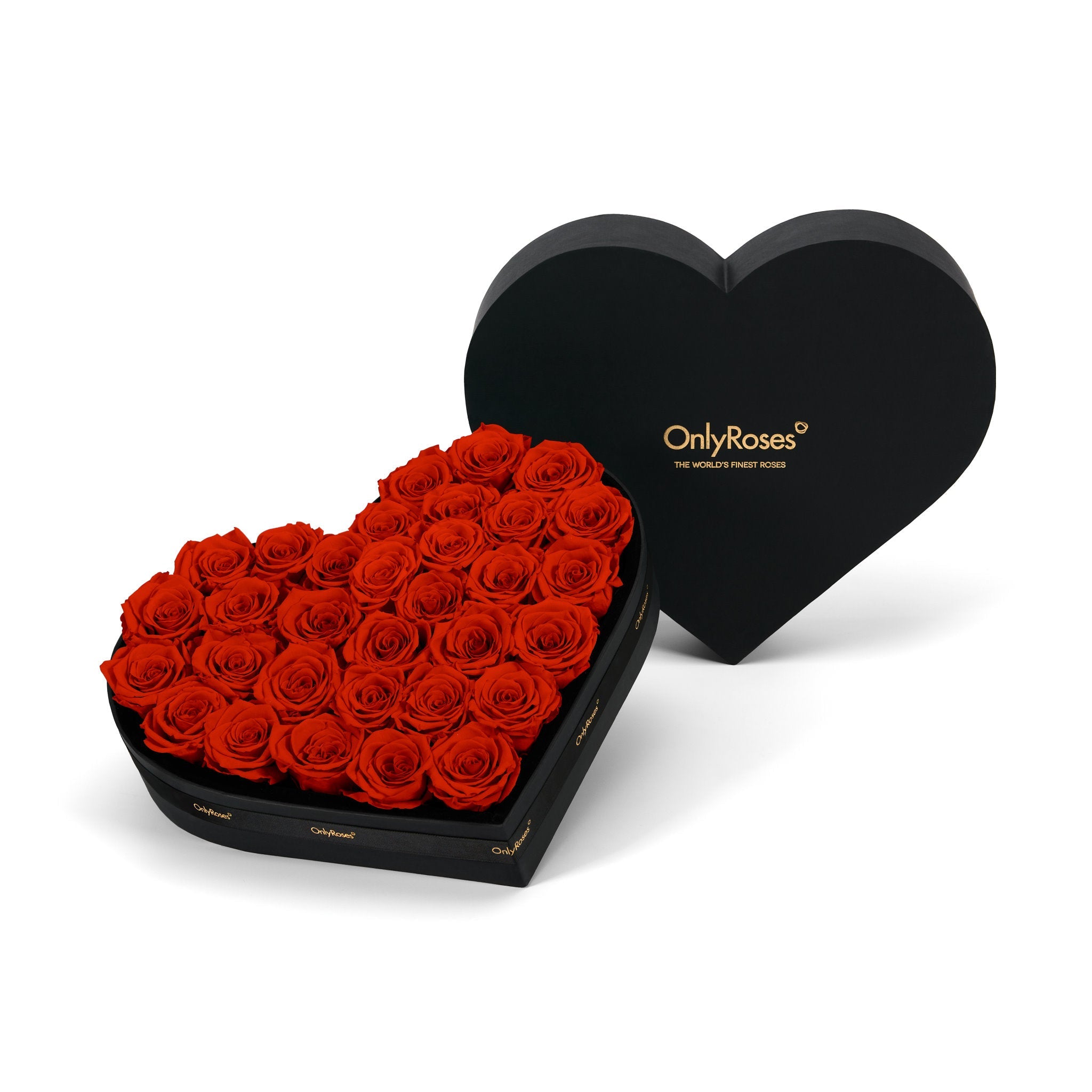
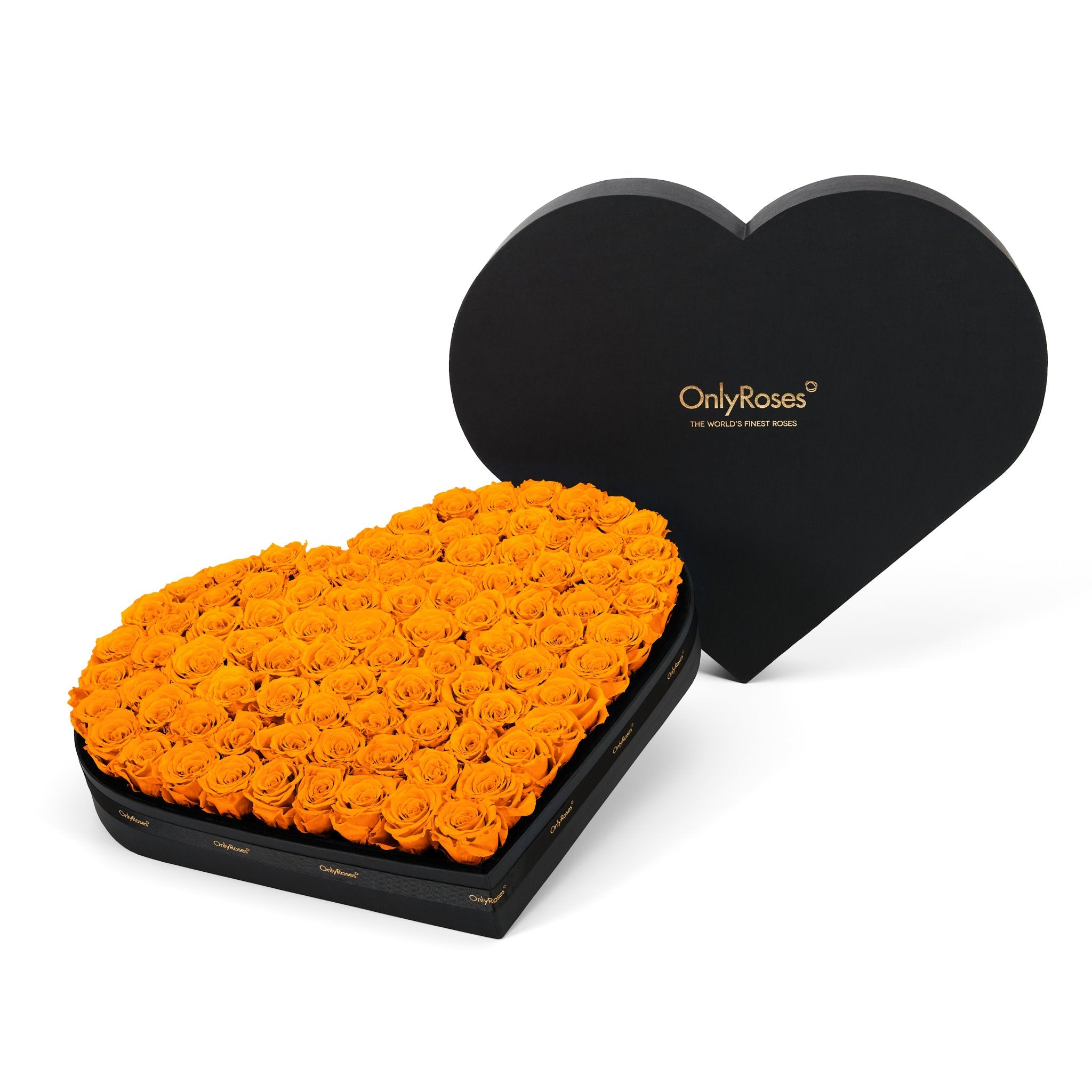
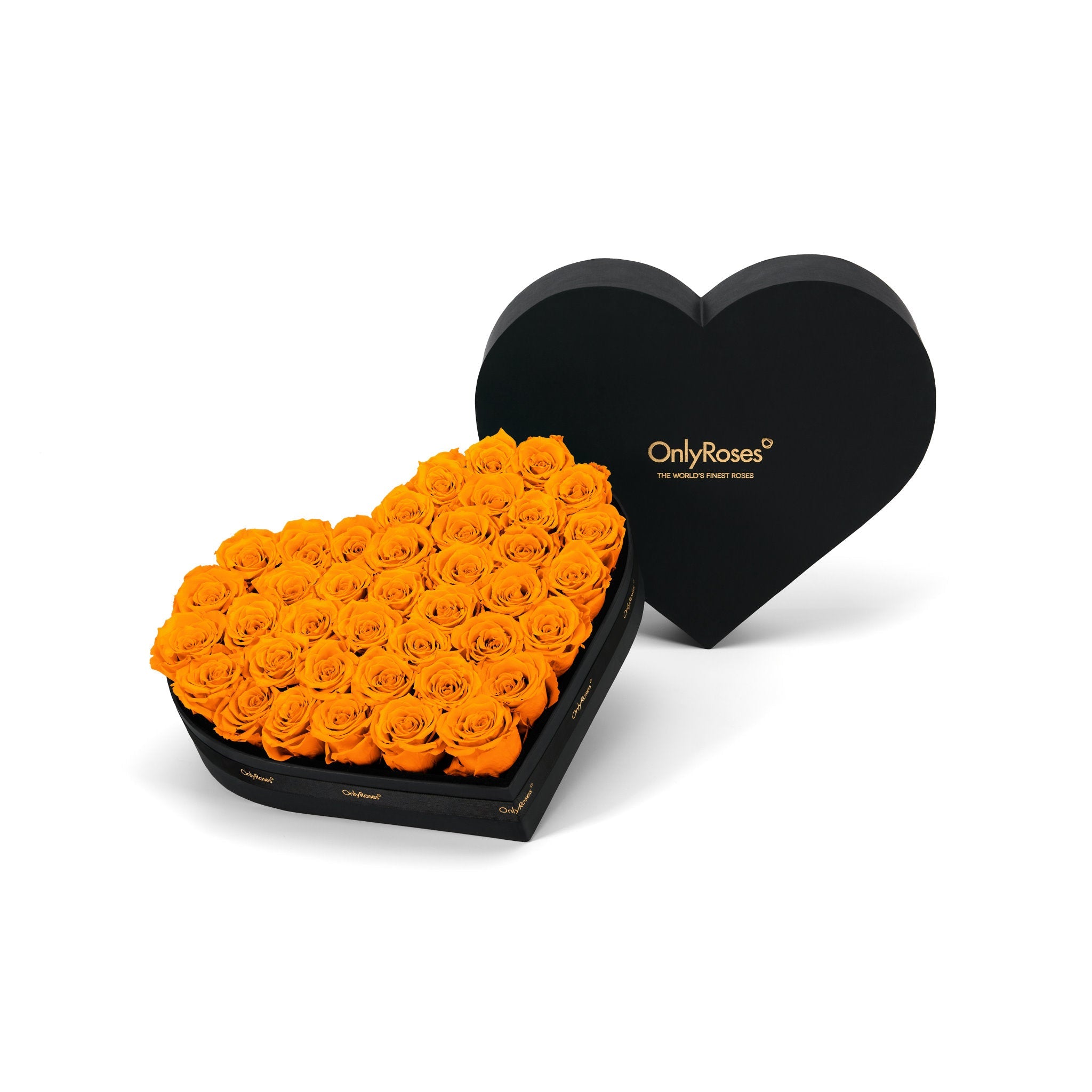
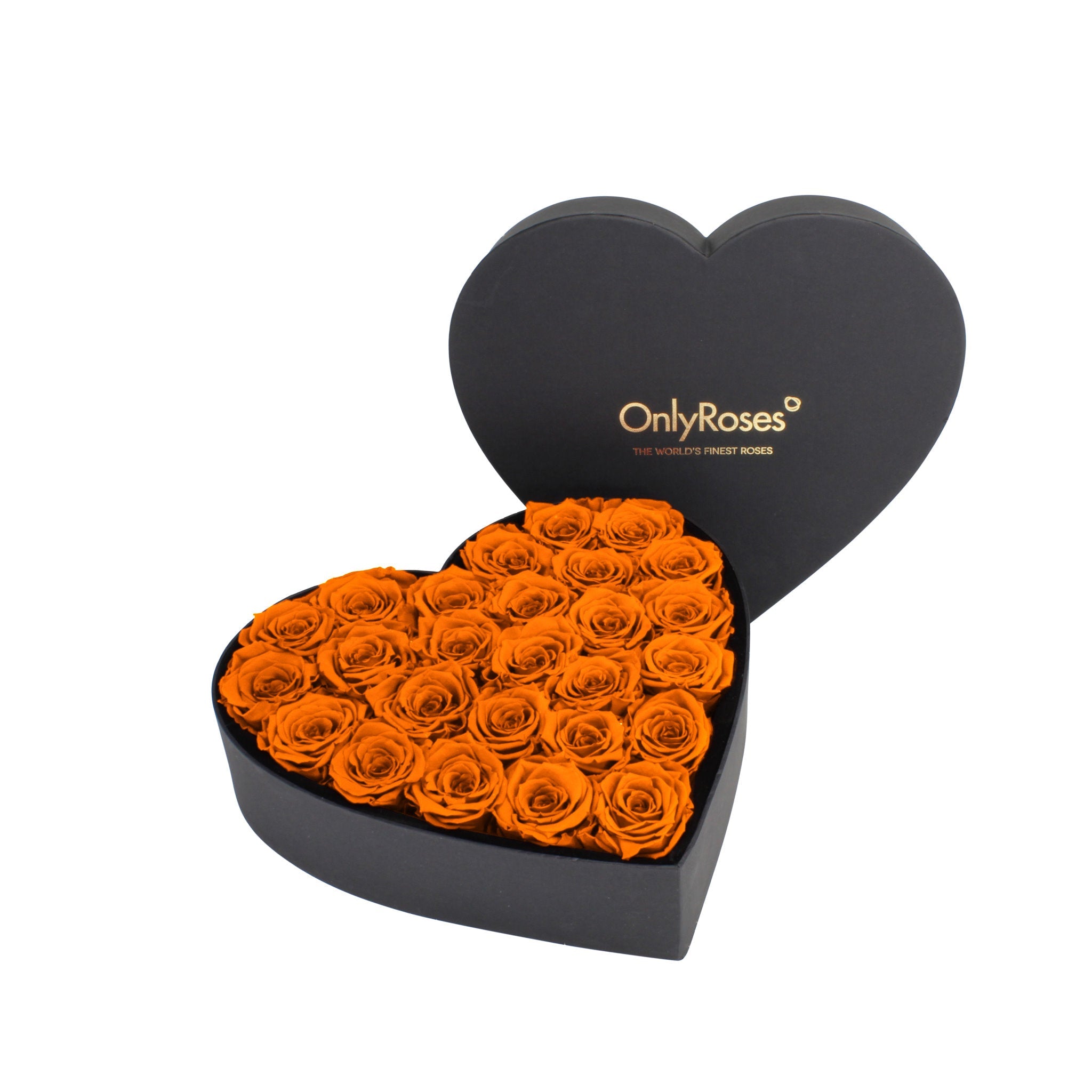
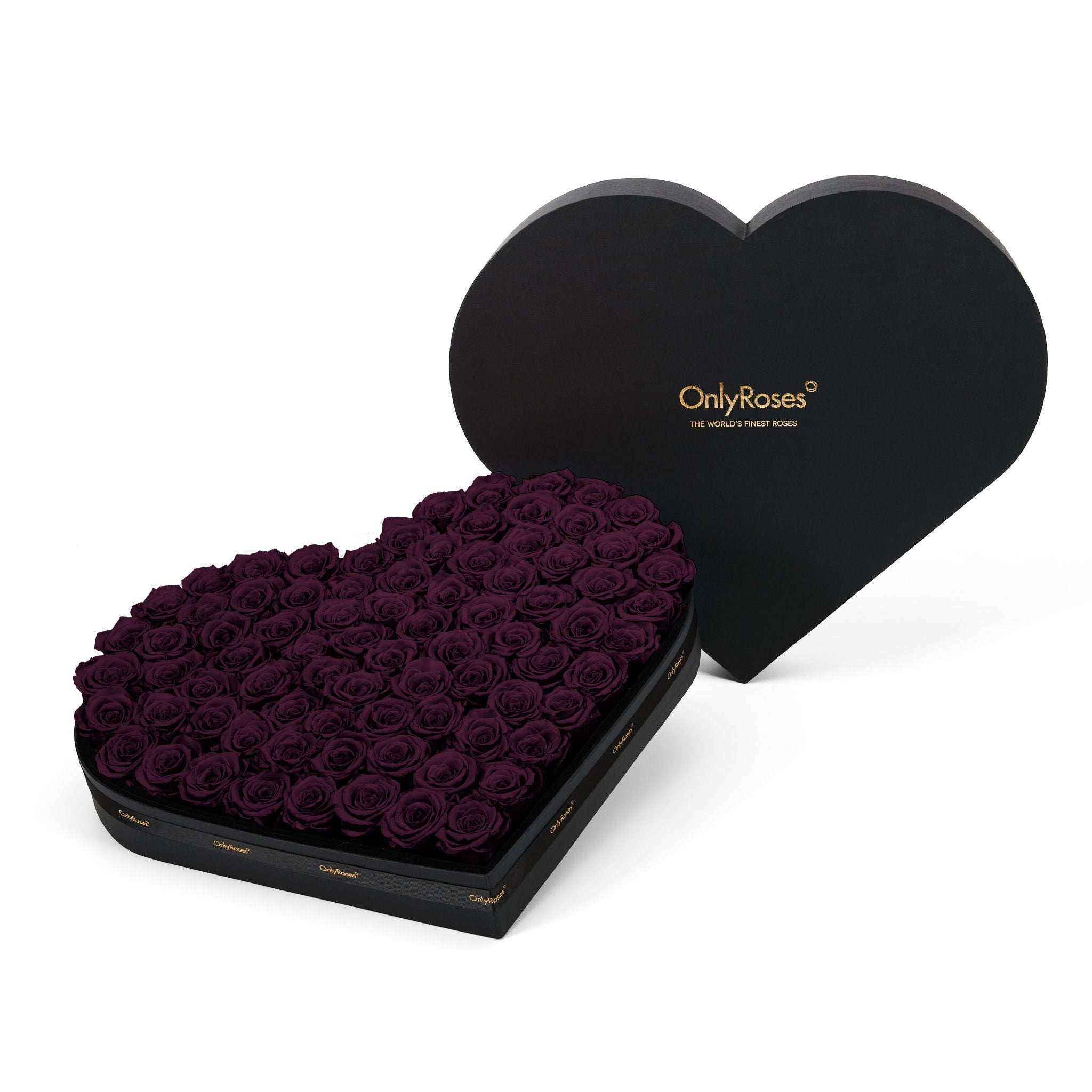
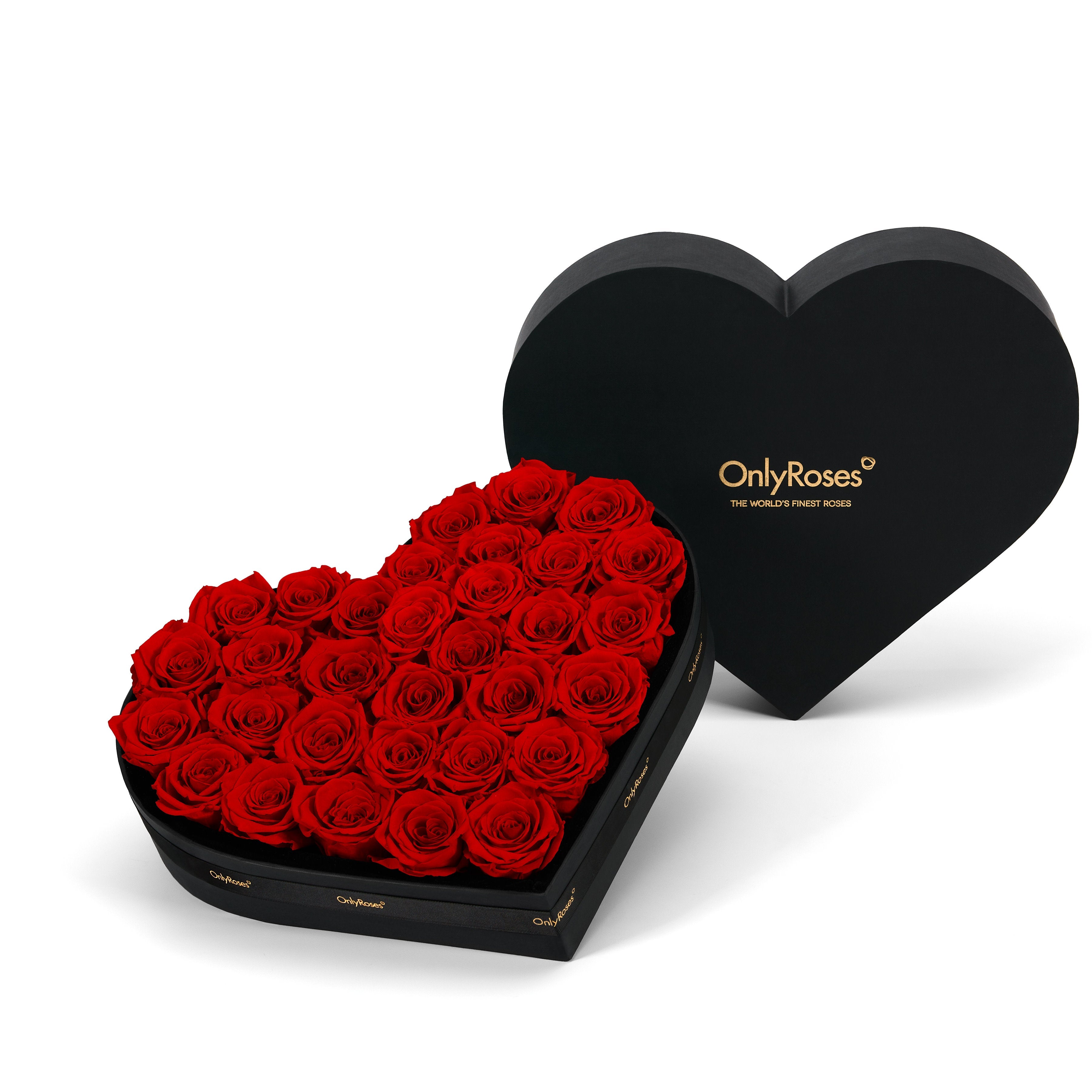
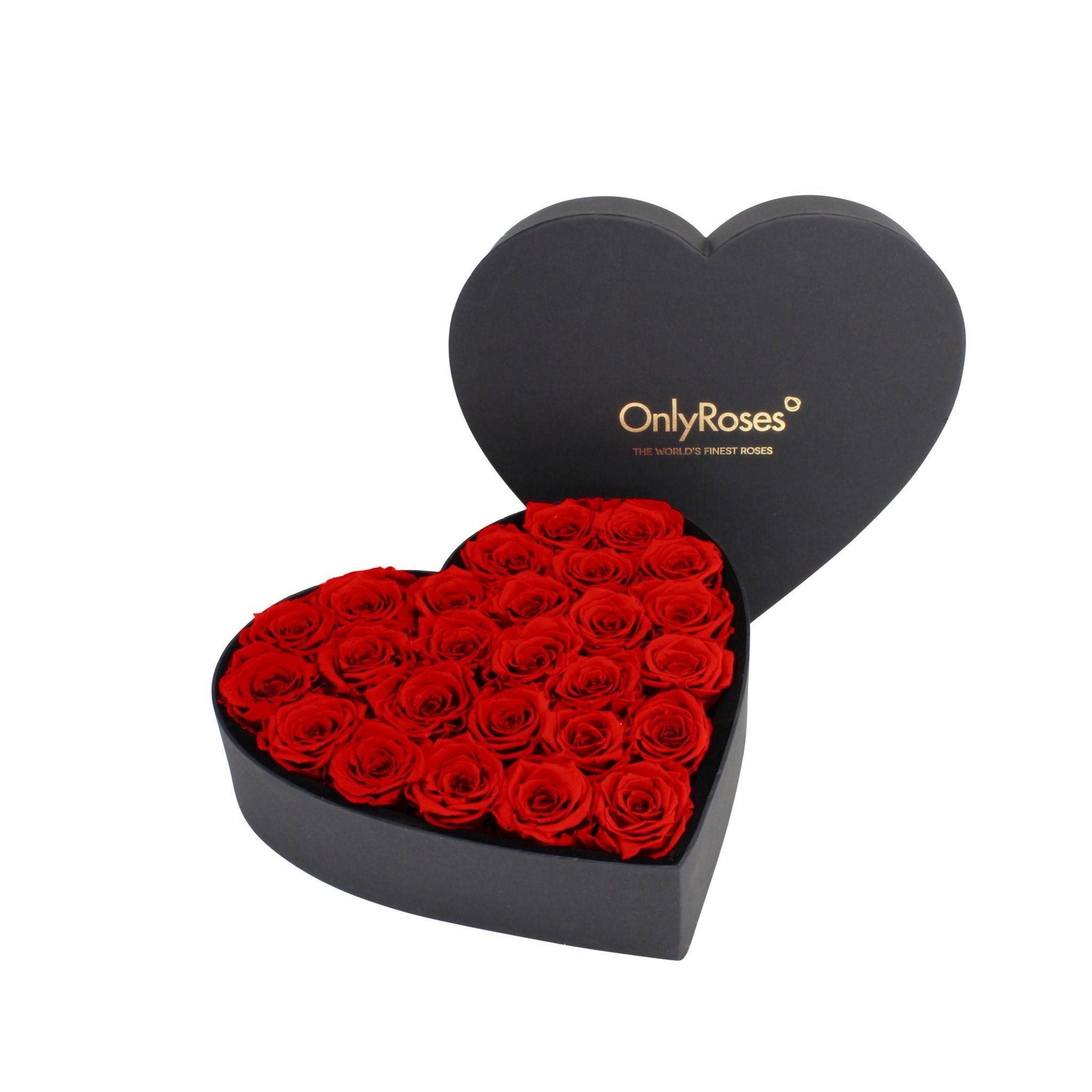
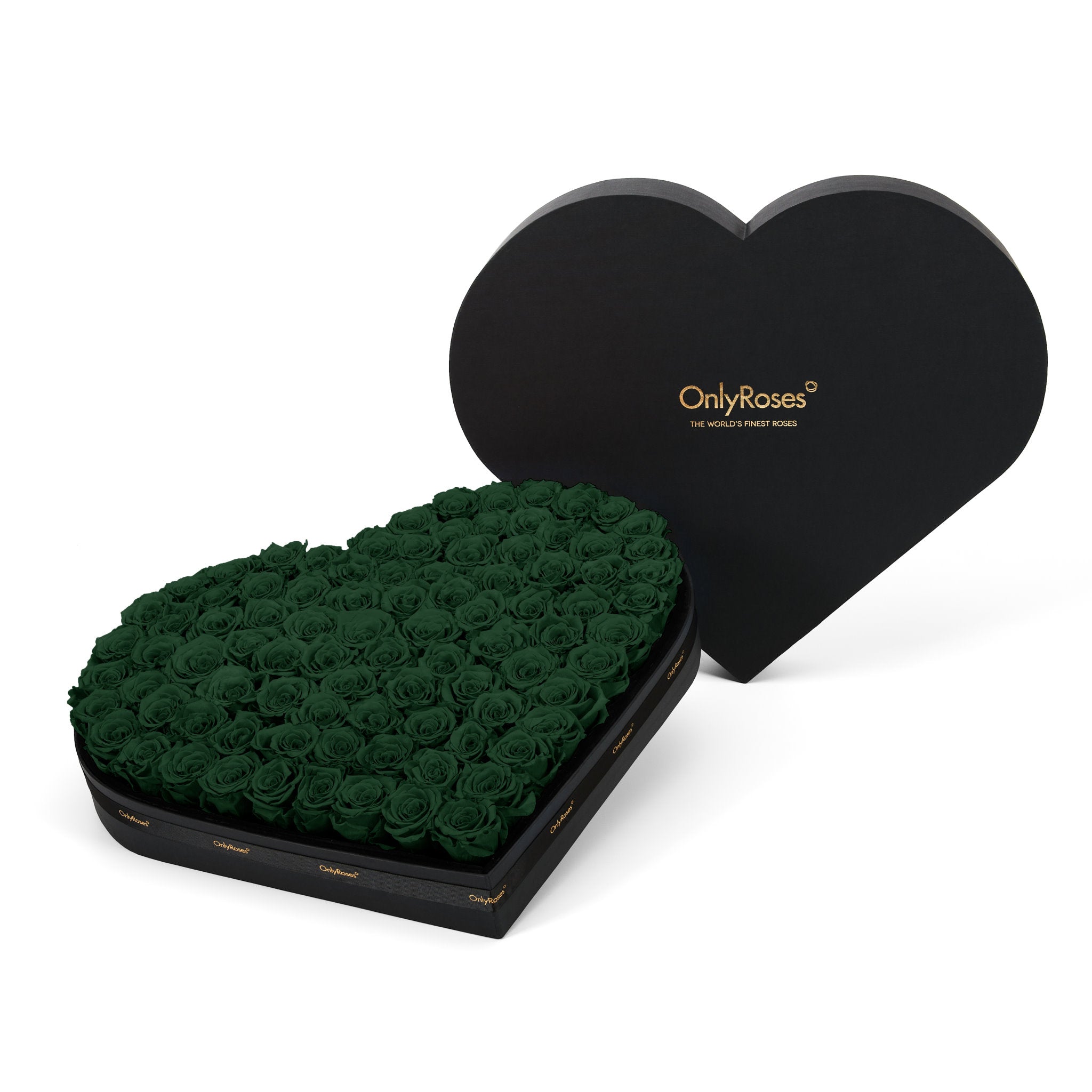
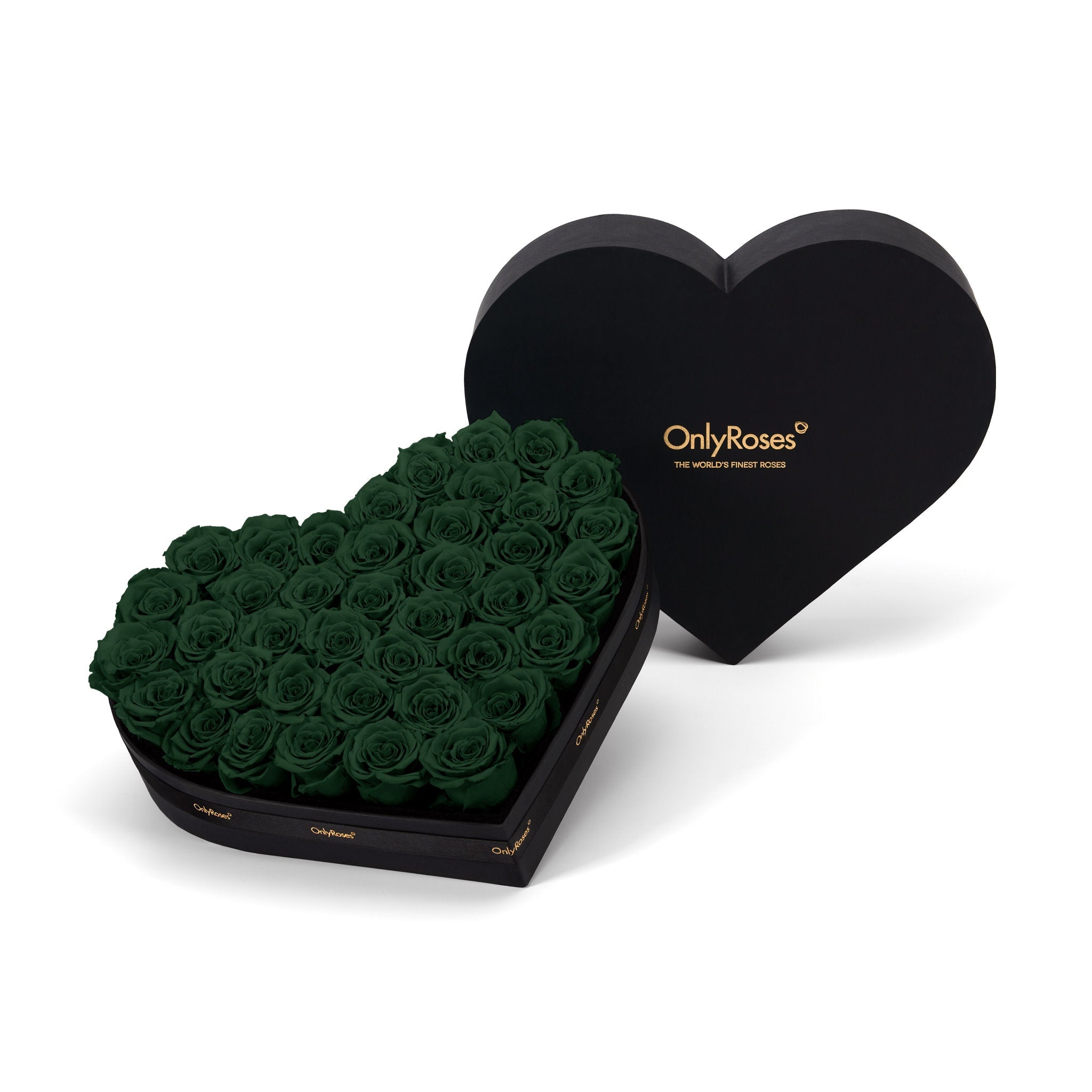
OnlyRoses offers a curated selection of preserved roses in signature packaging as considered as the blooms themselves — every one sourced from Ecuador's finest high-altitude farms and finished by hand in Knightsbridge. Explore the full Infinite Roses® collection, the signature Infinite Rose boxes, or commission a bespoke installation for a home, an event, or a milestone that deserves to last.
Frequently asked questions
How long do preserved flowers last?
One to three years typically, and up to five in ideal indoor conditions — kept dry, out of direct sunlight, and away from humidity. Against up to two weeks for fresh, that is a fundamental shift in value, not a marginal one.
Are preserved flowers the same as dried flowers?
No. Dried flowers lose moisture to the air and become brittle and faded; preserved flowers are treated with glycerine or freeze-drying to keep the softness, colour and form of a living bloom for years. Different process, very different result.
Do preserved flowers need water or maintenance?
None at all — never water or mist them. Occasional gentle dusting and sensible placement away from sun and humidity are the entire regimen.
Can preserved flowers be used for weddings and events?
Ideally so — their lifelike appearance and stability mean they look perfect from setup to the final moment, and afterwards become lasting keepsakes rather than waste.