

TL;DR:
- Roses symbolize a broad range of emotions beyond romance, including hospitality, purity, and grief across various cultures. Their color, quantity, and type carry specific meanings, which influence their use in personal and event celebrations worldwide. Thoughtful selection of roses enhances the emotional impact and cultural resonance of any occasion.
Few flowers carry as much weight as the rose. Most people associate it almost exclusively with romantic love, but the role of rose in celebrations spans far beyond Valentine’s Day bouquets. Across cultures and centuries, roses have marked hospitality, grief, purity, friendship, and prestige. For event planners and individuals who want their floristry choices to mean something, understanding the rose’s full symbolic range transforms how you select, present, and gift them.
Table of Contents
- Key takeaways
- The role of rose in celebrations across cultures
- What rose colour and number really communicate
- Practical uses of roses in event planning
- Incorporating roses meaningfully into personal celebrations
- My perspective on roses and modern celebrations
- How OnlyRoses can help you celebrate with intention
- FAQ
Key takeaways
| Point | Details |
|---|---|
| Roses transcend romance | Rose symbolism covers hospitality, purity, friendship, and mourning across world cultures. |
| Colour and number matter | Each rose colour and quantity sends a specific emotional message that varies by culture. |
| Rose type affects event planning | Standard roses last 5–10 days; garden roses last 3–7 days, affecting delivery scheduling. |
| Sensory impact goes beyond looks | Fragrance, texture, and large-scale displays make roses experiential centrepieces at events. |
| Presentation shapes perception | Mono-floral box arrangements and elegant packaging communicate luxury in modern gifting. |
The role of rose in celebrations across cultures
The rose has been a ceremonial presence for thousands of years, and its meaning shifts remarkably depending on where you stand in the world. In ancient Rome, roses were scattered at feasts and used to crown victors. In Christian iconography, the white rose became synonymous with the Virgin Mary, representing purity. In Persian poetry and Islamic art, the rose symbolised divine beauty and the soul’s longing for God.
In Middle Eastern culture, the rose takes on a distinctly hospitable character. Rose water welcome rituals express honour and respect toward guests, with chilled rose water sprinkled from silver flasks at gatherings to signal the host’s generosity. This is not merely decorative; it is a deeply embedded social ritual that communicates status and care. The practice remains alive at weddings, Eid celebrations, and formal gatherings across the Gulf region.
“The rose does not preach. It simply blooms. And in blooming, it speaks to every culture that has ever looked upon it.” — a sentiment echoed across Persian, Greek, and Arab poetic traditions.
What makes roses genuinely special in a cross-cultural context is their ability to carry meanings across history that are simultaneously universal and specific. Festivals such as Iran’s Golabgiri rose water harvest, India’s rose-strewn Sufi shrines, and Bulgaria’s Valley of Roses celebration each frame the flower through an entirely different lens: agricultural, spiritual, and national identity, respectively.
- In Japan, roses gifted at business events convey admiration without overstepping professional boundaries.
- In Bulgaria, the rose is a national symbol tied to economic heritage through the fragrance industry.
- In Latin American celebrations, red roses at quinceañeras carry religious and familial significance.
- In South Korea, roses at graduation ceremonies signal respect for the graduate’s achievement.
What rose colour and number really communicate
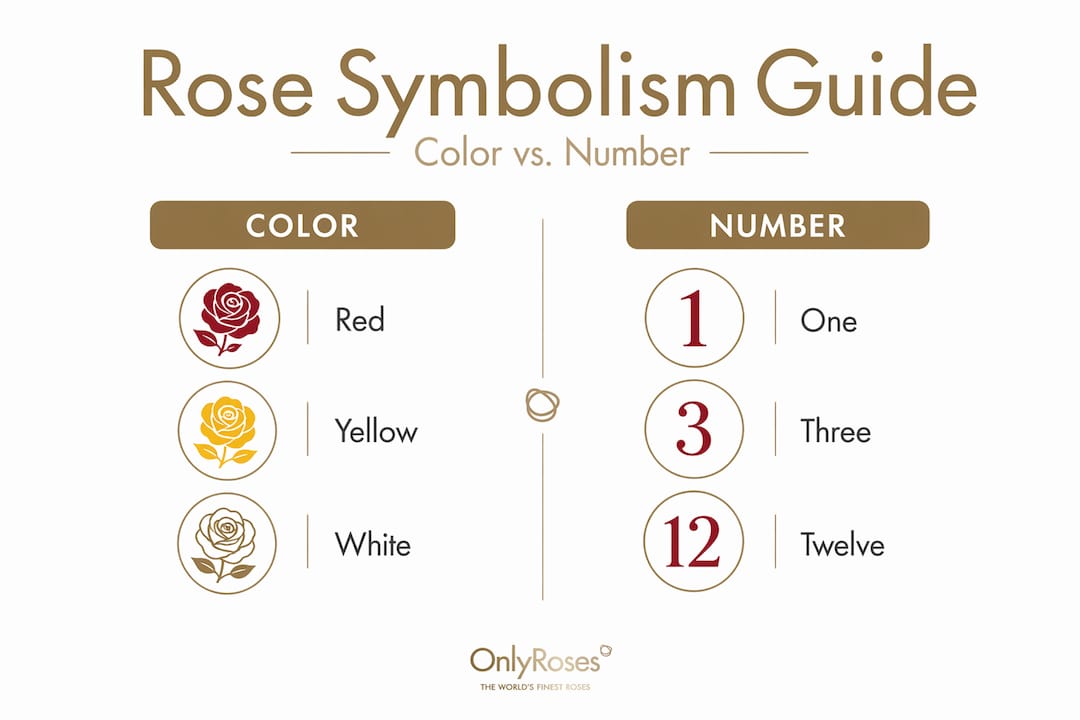
Colour is not decoration. When it comes to roses in events, colour is language. Red roses signal love, yellow conveys friendship, white represents purity, and orange suggests admiration. Purple roses communicate wonder or enchantment, making them a considered choice for milestone birthdays or theatrical events. Black roses, rare in nature and often achieved through deep burgundy varieties, carry associations with elegance and mystery rather than purely mourning in contemporary contexts.
| Colour | Primary meaning | Best suited occasion |
|---|---|---|
| Red | Romantic love, passion | Anniversaries, Valentine’s Day |
| White | Purity, reverence | Weddings, memorial services |
| Yellow | Friendship, joy | Birthdays, congratulations |
| Pink | Gratitude, gentleness | Baby showers, thank-you gifts |
| Orange | Admiration, enthusiasm | Milestone events, promotions |
| Purple | Enchantment, respect | Milestone birthdays, tributes |
Numbers add another layer entirely. A single rose symbolises simplicity and focused devotion, while a dozen communicates complete, wholehearted affection. The cultural nuances around quantity are worth knowing before you order. In many European countries, odd numbers are preferred for gifting, as even numbers are traditionally associated with funerals or condolences. In some Eastern European traditions, an even-numbered bouquet sent to a celebration can cause genuine discomfort.
Pro Tip: If you are gifting roses across cultures, research the number conventions before you settle on a quantity. A beautifully presented arrangement of eleven roses reads as thoughtful in most Western contexts, but always verify expectations when gifting internationally.
Practical uses of roses in event planning
Event planners who think of roses purely as a background element are missing considerable opportunity. Roses offer unmatched versatility in weddings, appearing in bouquets, centrepieces, ceremony arches, table runners, and boutonnieres, all within the same event and without visual repetition, because variety in type and colour carries the arrangement naturally.
Understanding rose types is where planning gets practical:
- Standard roses have a vase life of 5–10 days and anchor most large arrangements with consistent bloom size and stem length.
- Garden roses last 3–7 days and offer a softer, more abundant look that suits luxury weddings and intimate celebrations. Schedule delivery closer to the event date to account for their shorter lifespan.
- Spray roses add texture and fill, working particularly well in mixed arrangements and table settings.
Large-scale rose displays show what is genuinely possible when roses are treated as an experiential medium. Everland’s Rose Festival features 3 million roses with photo zones, themed menus, and live performances, creating a multi-sensory celebration where the flower is the architecture. The Tournament of Roses Parade in California takes technical precision to another level entirely: floats are covered one rose at a time, each bloom placed into an individual water vial to keep it fresh for the duration.
Pro Tip: For large installations, ask your supplier about hydration methods. Individual vials or floral foam soaked in preservative solution significantly extend display life, particularly for garden roses in warm venues.
In Gulf countries, mono-floral box arrangements have become the preferred format for corporate and personal gifting events. A single variety, a single colour, presented in structured luxury packaging communicates taste and intentionality in a way that mixed bouquets often cannot.
Incorporating roses meaningfully into personal celebrations
Knowing your symbolism is only half the work. The other half is applying it well. Decorating with roses for a wedding calls for different choices than dressing a memorial or a corporate anniversary. Here is a practical framework for matching the rose to the moment:
- Weddings: White or blush roses for ceremonies; deeper pinks and reds for receptions to shift the mood. Garden roses suit intimate gatherings beautifully, while standard roses scale efficiently for large venues.
- Birthdays: Yellow or coral roses for joyful energy; the number of roses can match the recipient’s age for a personal touch. Read about birthday rose traditions for ideas that go beyond the obvious.
- Hospitality events: Rose water and rose-infused touches in table settings draw on centuries of Middle Eastern and Persian hosting tradition.
- Condolences: White roses remain the most culturally understood symbol of respect. Keep arrangements simple and avoid dramatic colour contrasts.
The impact of roses on festivities is rarely just visual. Fragrance is a powerful memory trigger. Choosing fragrant varieties for celebrations creates an atmosphere that guests carry with them long after the event ends. That sensory residue is what separates a forgettable event from one people reference for years.
My perspective on roses and modern celebrations
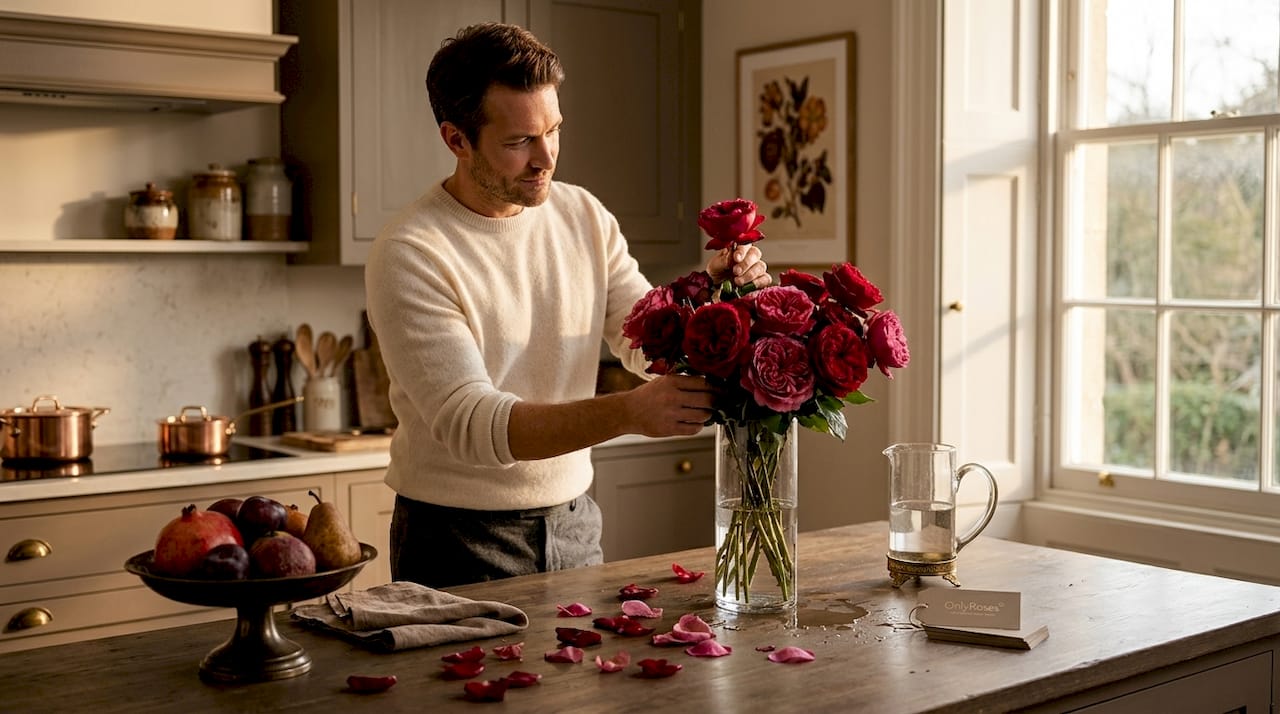
I have watched the role of roses in events shift considerably over the past decade. What strikes me most is how many planners still default to roses purely as filler, something to occupy space between the centrepiece candles. That is a genuine missed opportunity.
In my experience, the most memorable events treat roses as a communication medium rather than a commodity. I have seen a single stem of deep burgundy placed at each place setting do more emotional work than an elaborate mixed arrangement at the head table. The restraint itself sends a message.
What I find genuinely underused is the fragrance dimension. Most event briefs focus entirely on colour palette and stem count, but scent is processed by the brain’s emotional centre directly. When you introduce highly fragrant roses into an enclosed venue, guests do not just see the event. They feel it. That distinction is worth planning for.
The global blending of rose traditions is also something I find fascinating. A Gulf-inspired rose water greeting at a London wedding, or a Bulgarian rose petal scattering at a New York gala, brings cultural depth that resonates with guests in a way that generic floristry never does.
— Anian
How OnlyRoses can help you celebrate with intention
When the symbolism matters as much as the aesthetics, the roses you choose deserve the same thought as every other element of your event. OnlyRoses sources exclusively from high-altitude Ecuadorian farms, which produces blooms with exceptional depth of colour, generous head size, and longer stem length than most commercially available roses.
For celebrations, the Classic Rose Heart collection offers sculptural arrangements that work equally well as gifts or statement centrepieces. If you are building a colour narrative across your event, the rose colour meaning guide helps you match each shade to the precise sentiment you want to convey. OnlyRoses also offers preserved roses for lasting displays, ideal for venues where fresh flower logistics are complex.
FAQ
What is the cultural significance of roses in celebrations?
Roses carry different meanings across cultures, from hospitality in Middle Eastern traditions to purity in Christian ceremonies and friendship in East Asian gifting. Their symbolism is shaped by colour, quantity, and context.
Which rose colour is best for weddings?
White roses represent purity and reverence, making them a classic wedding choice. Blush and soft pink roses suit ceremonies, while deeper reds work well for receptions where a warmer, more celebratory mood is intended.
How many roses should I give as a gift?
A single rose communicates focused simplicity, while a dozen conveys complete devotion. In European traditions, odd numbers are preferred for celebratory gifts, as even numbers can carry associations with condolences in some cultures.
How do I keep roses fresh during a long event?
Standard roses last 5–10 days with proper hydration, while garden roses last 3–7 days. For extended displays, place stems in water vials or well-soaked floral foam, and keep arrangements away from direct heat and sunlight.
Can roses work for non-romantic celebrations?
Absolutely. Yellow roses suit birthdays and friendships; white roses serve memorial and respectful occasions; orange roses communicate admiration at professional events. The rose’s range makes it appropriate for nearly any celebratory context when chosen thoughtfully.

